Overall impression: Reviews present a strongly polarized picture. A substantial subset of accounts describe excellent rehabilitation outcomes, compassionate bedside care, and a pleasant environment with strong therapy resources and engaged activities. Conversely, many families describe recurring operational problems that appear to produce inconsistent resident experiences.
Care quality and clinical oversight: Frontline caregivers and therapists receive frequent praise for compassion, clinical skill in rehab, and attentive bedside presence. However, multiple operational issues undermine consistent clinical care: staffing shortfalls, delays in medication administration, inconsistent on-call physician availability, and gaps in post-admission monitoring. Several reviews reference serious adverse events and concerns following a resident's death; these highlight the importance of confirming local clinical escalation protocols and physician coverage before placement.
Staff and management: Staff-level comments are mixed. Many reviewers emphasize dedicated, hardworking nurses and aides who go above and beyond, while others describe high turnover, stress, limited staffing, and a leadership focus on efficiency that can negatively affect morale and continuity of care. Communication failures—slow phone responses, unreliable web-chat interfaces, and delays in returning family calls—appear as a recurring management-level problem that frustrates families and complicates care coordination.
Dining and daily living: Dining is a frequent pain point. Common themes include small portions, limited beverage choices, temperature and refrigeration concerns, and menus heavy on carbohydrates with inconsistent availability of balanced options. Personal-care routines are reported inconsistently across stays: some residents receive regular bathing, hair care, and dressing assistance, while others experience delayed or infrequent care, linen-change lapses, and laundry-related issues. These patterns suggest variability in day-to-day service delivery linked to staffing and workflow constraints.
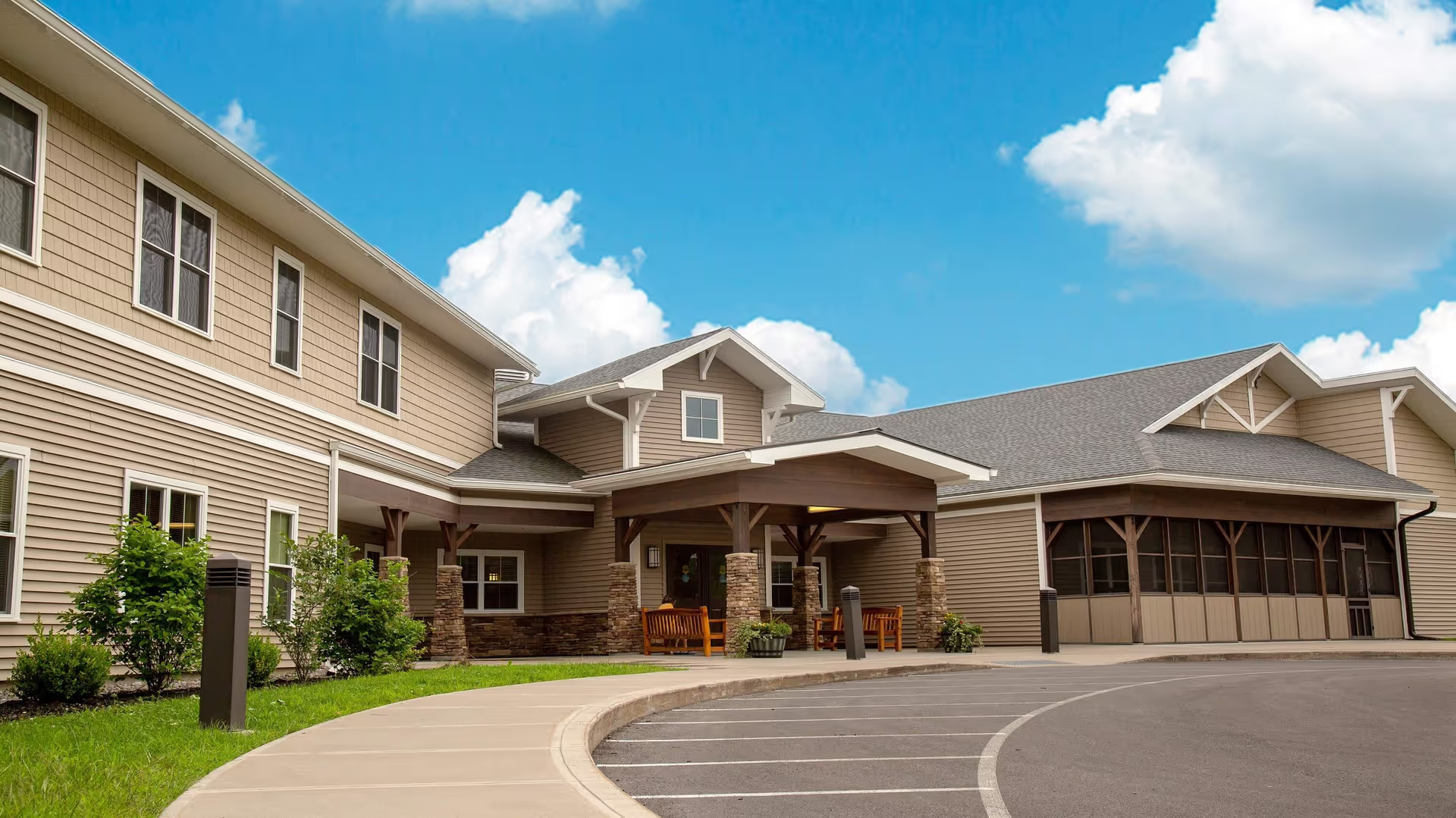
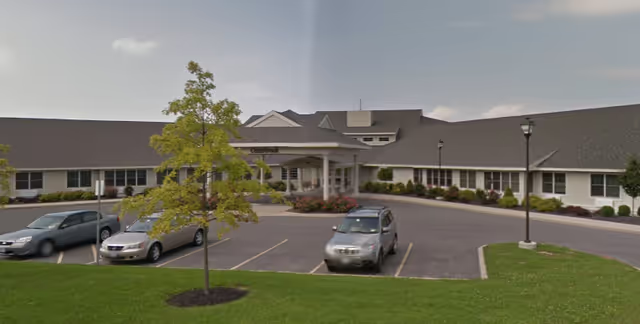
Facilities, safety, and activities: The facility receives both praise and criticism for its physical environment. Positive reports cite clean areas, attractive common spaces, excellent rehab gyms, and a scenic location. Negative comments note maintenance deficits in some rooms, limited in-room amenities, and safety concerns such as inadequate bed-rail or fall-prevention practices. Activity and entertainment programs are noted as a strength in many accounts, but engagement appears to vary by unit and by staffing availability.
Documentation, billing, and regulatory concerns: Several reviews identify documentation inconsistencies, inaccurate charting, and billing or financial-processing irregularities; one thread includes an allegation of upcoding. These items point to weaknesses in administrative controls and records management that families should review carefully when evaluating placement and during stays.
Notable patterns and practical advice: The dominant pattern is a gap between strong frontline clinical performances (especially in therapy and by certain caregivers) and systemic operational issues (staffing, communication, dining, documentation, and leadership). Prospective residents and families should confirm current staffing ratios for the intended unit, ask about on-call medical coverage and medication-timing protocols, review sample menus and nutrition practices, inspect room conditions and safety features, clarify laundry and personal-care schedules, and request copies of recent state inspection or grievance summaries. Asking for direct examples of how the facility addresses staffing contingencies and documentation audits can help set expectations and reduce the risk of inconsistent care.