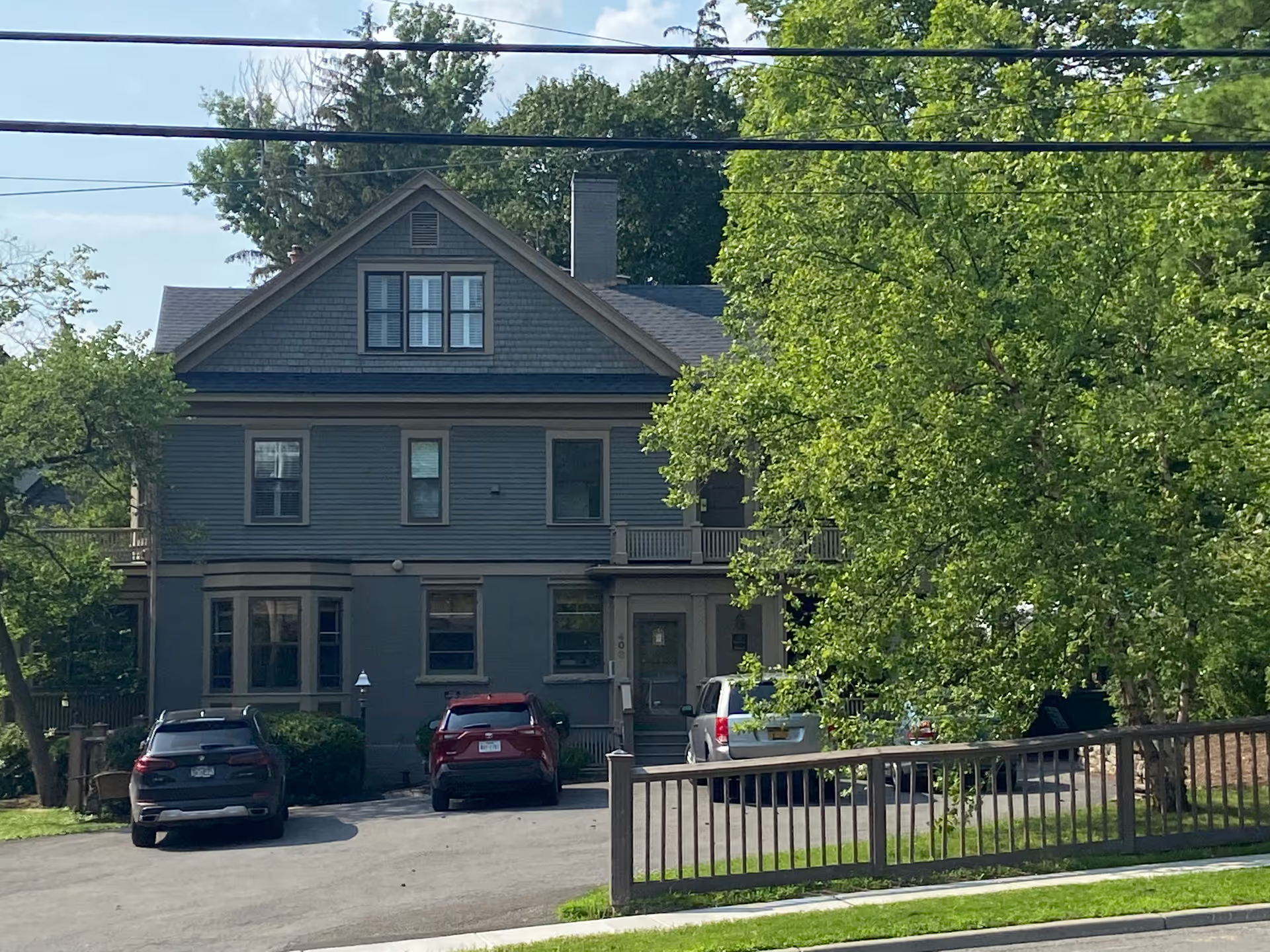
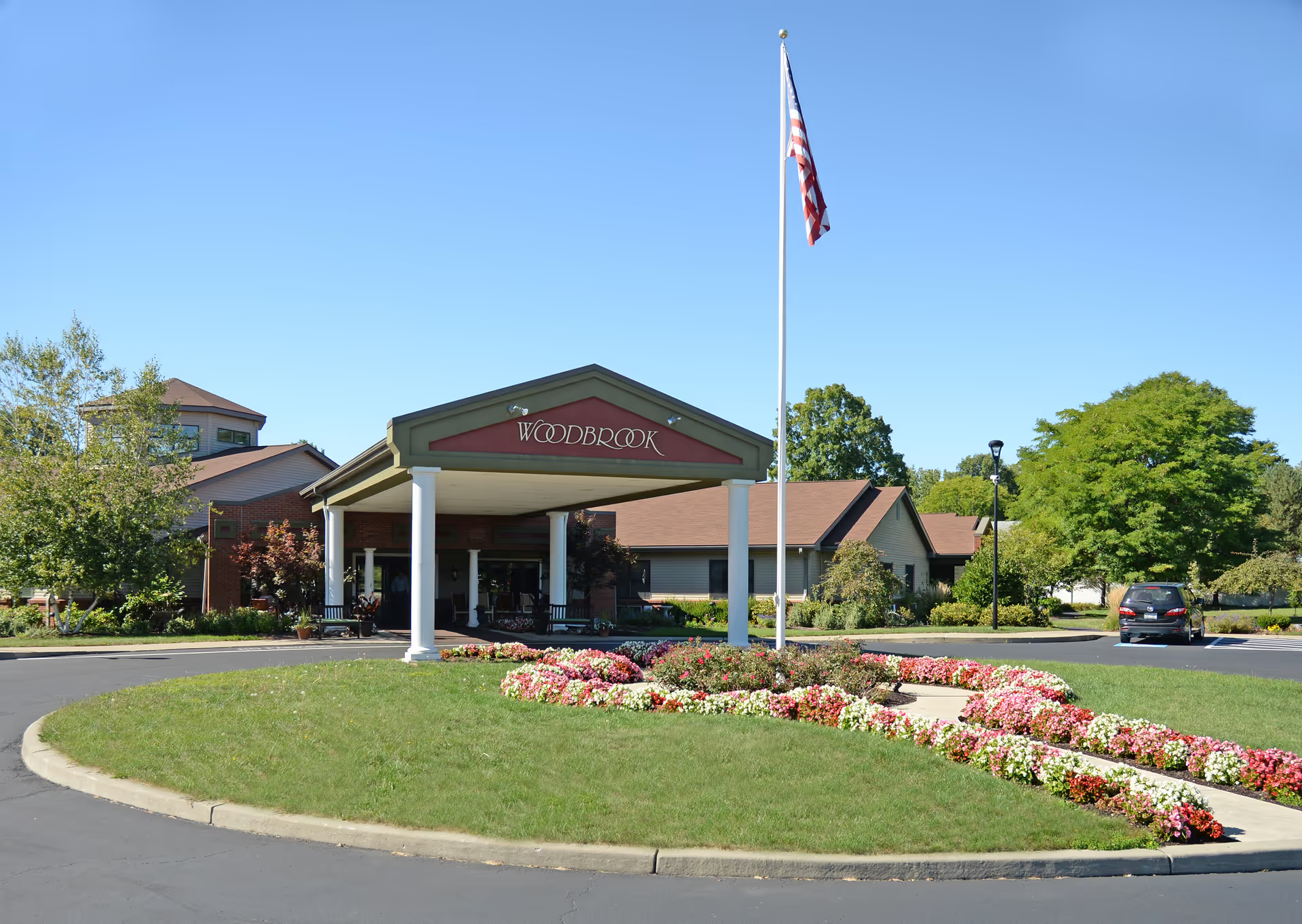
The reviews present a polarized picture of care at this facility. On the positive side, many families and residents highlight compassionate bedside care from individual nurses and aides, and repeatedly praise the physical and occupational therapy teams for effective rehabilitation outcomes. The activities program and admissions/reception staff also receive favorable comments for engagement and welcoming interactions. Several accounts describe coordinated rehab teams and short-term recovery successes that brought patients home.
Counterbalancing those positives are consistent operational concerns. A frequent theme is staffing instability — including heavy use of temporary agency personnel — which reviewers link to slow response times to call bells, inconsistent assistance with personal care and bathing, and variable meal delivery. Multiple reviewers describe sanitation and odor concerns in resident areas and common spaces, along with pest-control concerns and uneven housekeeping practices. Reviewers also raise substantive clinical-safety issues, including gaps in wound care and pressure-injury prevention, inconsistent documentation and communication with external physicians, and concerns about medication handling and controlled-substance controls.
Dining and nutrition receive mixed comments: some families appreciate dietary accommodations and satisfactory meals, while others report limited variety, small portions, late service, and inconsistent meal delivery. The activities program is generally praised when present and active, contributing to social engagement and rehabilitation motivation; however, activity availability and unit atmosphere appear to vary across units and shifts.
Facility and maintenance issues are recurrent: reviewers note climate-control problems (overheating or inadequate cooling), dated building conditions, uneven cleanliness, and occasional equipment or supply-access problems. Safety-process inconsistencies were described in transfer assistance and clinical procedures; these accounts suggest a need to standardize protocols and supervision across shifts.
Management and communication emerge as a key area for improvement. Many reviewers describe difficulty reaching nursing leadership or receiving timely updates about care plans, incomplete coordination of discharge planning, and variable responsiveness to family concerns. There are also allegations of inventory and property losses and at least a few serious individual claims that have prompted calls for external review; these underscore the importance of transparent incident investigation and strengthened internal controls.
In summary, prospective residents and families should weigh the facility's demonstrated strengths in therapy and the dedication of many frontline staff against recurring operational weaknesses: inconsistent staffing, variable cleanliness and maintenance, gaps in medication and wound-care processes, and uneven administrative communication. For those prioritizing aggressive rehabilitation and receptive therapy teams, the facility may offer value, but families should proactively confirm staffing patterns, wound-care protocols, medication safeguards, and communication processes before placement. Continuous oversight by families and active engagement with clinical leadership are advisable given the variability reported across stays.