Long Island Living Center presents as a socially focused, value-oriented assisted living option with several operational strengths. Many families and visitors consistently praise the staff as friendly, attentive and approachable; admissions tours and front-desk interactions are frequently described as patient and informative. The community offers a broad slate of activities (movies, theater, arts and crafts, pool, games, library and social rooms) and several built-in entertainment amenities such as an on-site theater, game rooms and outdoor gated space. Dining is structured as restaurant-style service with three daily meals, snack areas and explicit kosher options, and reviewers commonly cite on-site laundry, housekeeping, medication management and on-site nursing coverage as positive elements of care.
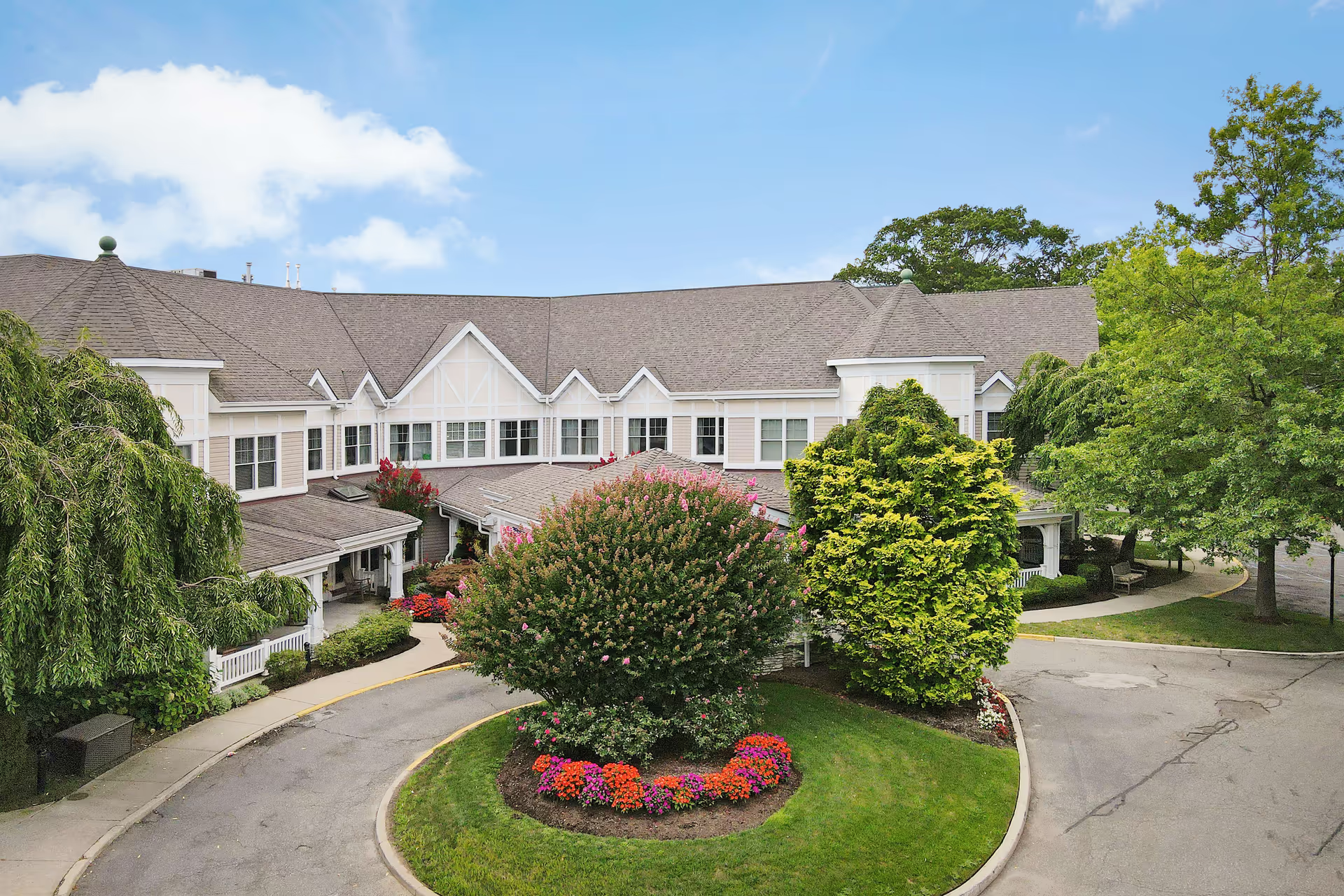
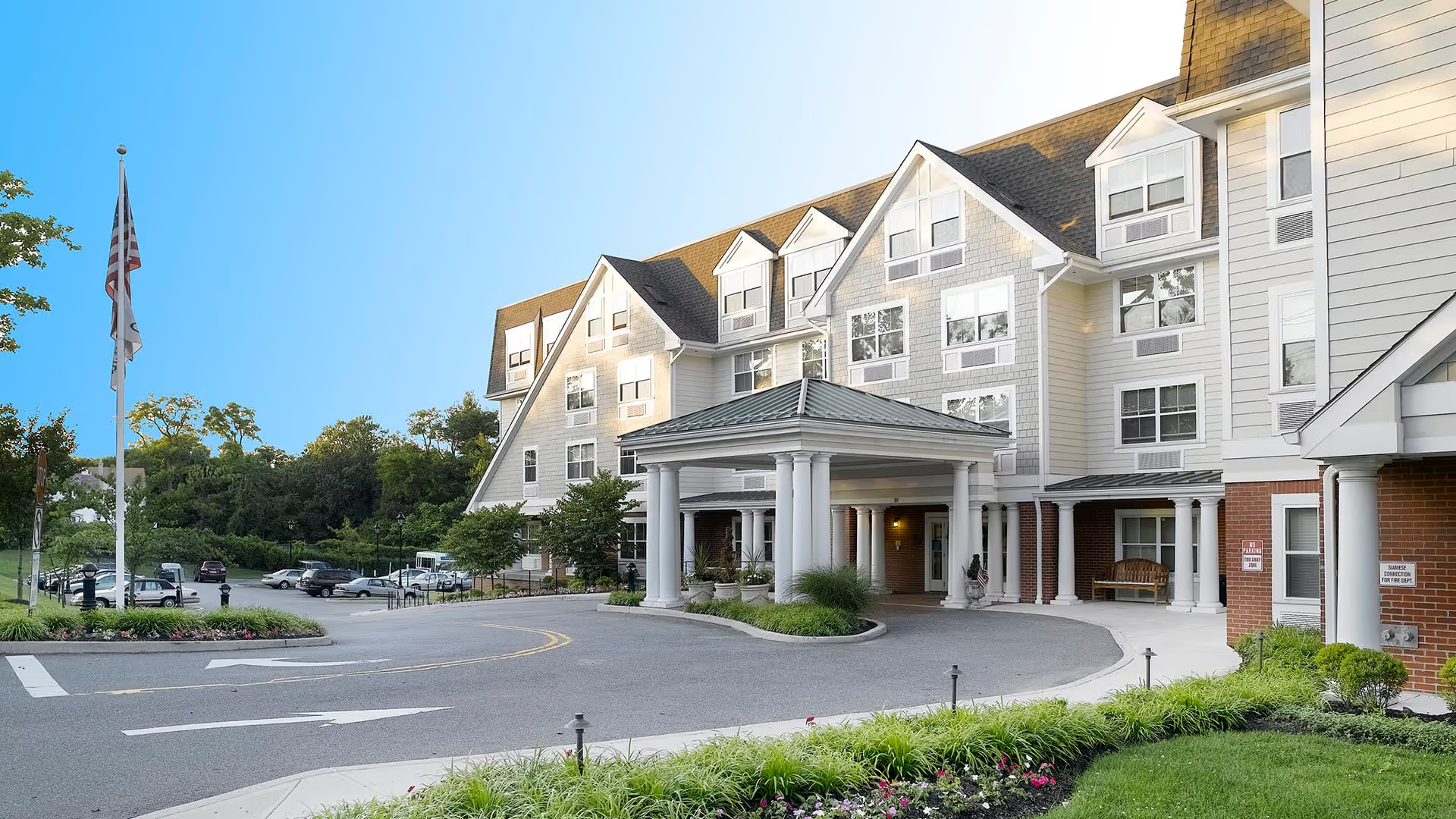
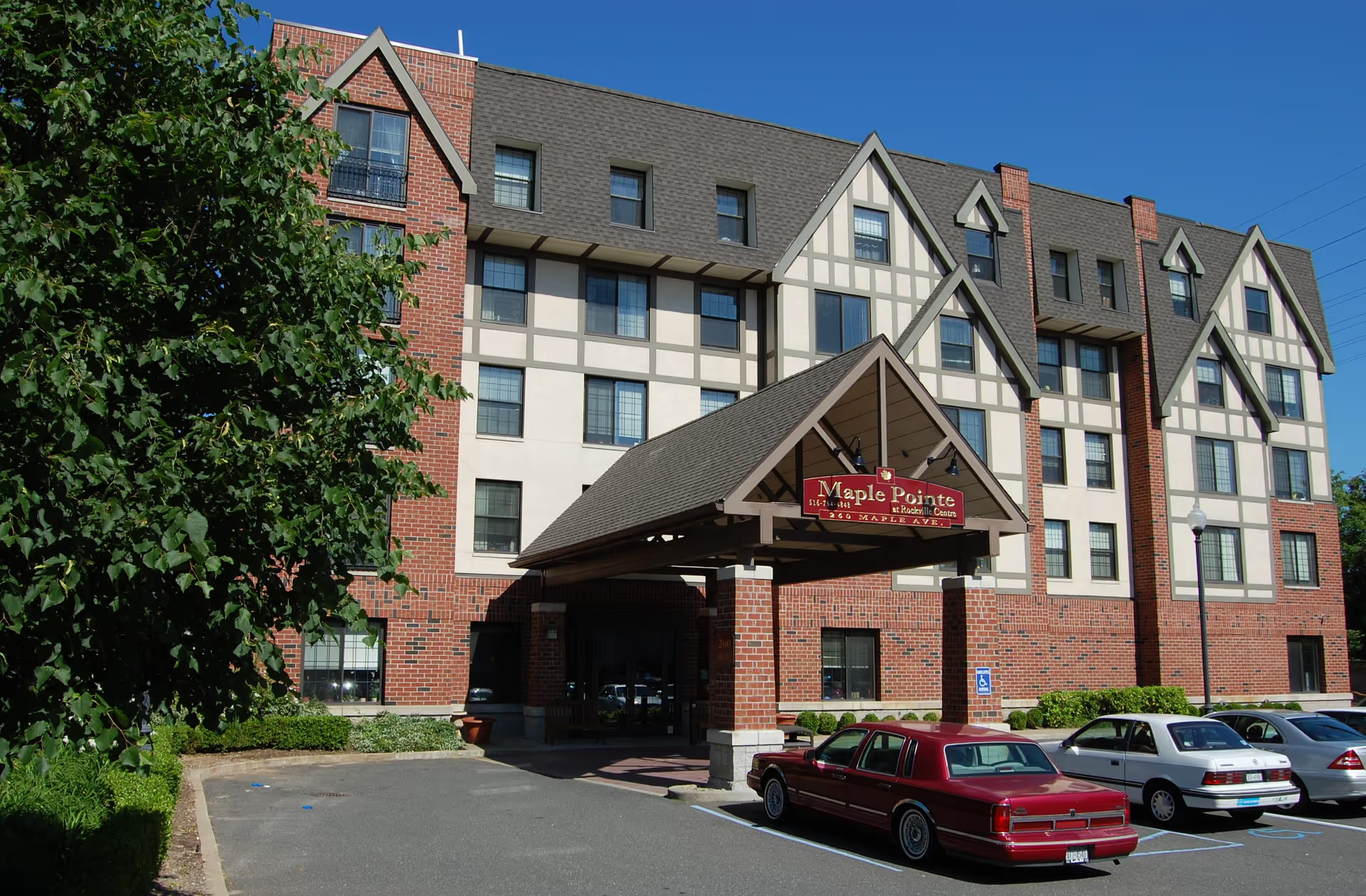
At the same time, reviewers describe variability across the living center’s physical plant and operational consistency. Portions of the facility have been updated (notably the theater and some dining areas) while other areas show worn furniture, peeling paint and a dated aesthetic that reviewers say would benefit from additional capital investment. Room sizes vary; there are apartment-style private units for some residents but there are also small, dorm-style or shared sleeping arrangements driven by income criteria and availability, which creates privacy and space concerns for some prospective residents. Several reviewers raise affordability constraints for private rooms and note that single-room availability is limited.
Operationally, the center’s strengths coexist with some unevenness in day-to-day execution. While many accounts praise cleanliness and organized services, there are also references to cleaning lapses and sanitation concerns in particular areas, and some families describe variability in meal quality or menu satisfaction. Staffing is generally described as compassionate and engaged, but there are recurring comments about inconsistent aide training, instances of unprofessional conduct, and variable responsiveness to clinical incidents or family communication. These patterns manifest as concerns about how the facility handles critical events and follows up with families; a small set of serious individual allegations has amplified those concerns for some reviewers and affected overall trust.
For prospective residents and families, the center’s appeal will depend on priorities: those seeking an active social program, kosher dining, a convenient location near medical services, and a staff noted for warmth may find it a good value. Families prioritizing newer finishes, private larger units, consistently high housekeeping standards, and demonstrably robust clinical-incident protocols should probe those areas during a visit. Recommended due diligence includes touring multiple unit types, asking about maintenance and renovation plans, reviewing staffing and training protocols, clarifying private-room availability and cost, and discussing the facility’s clinical-incident response and family-notification procedures.