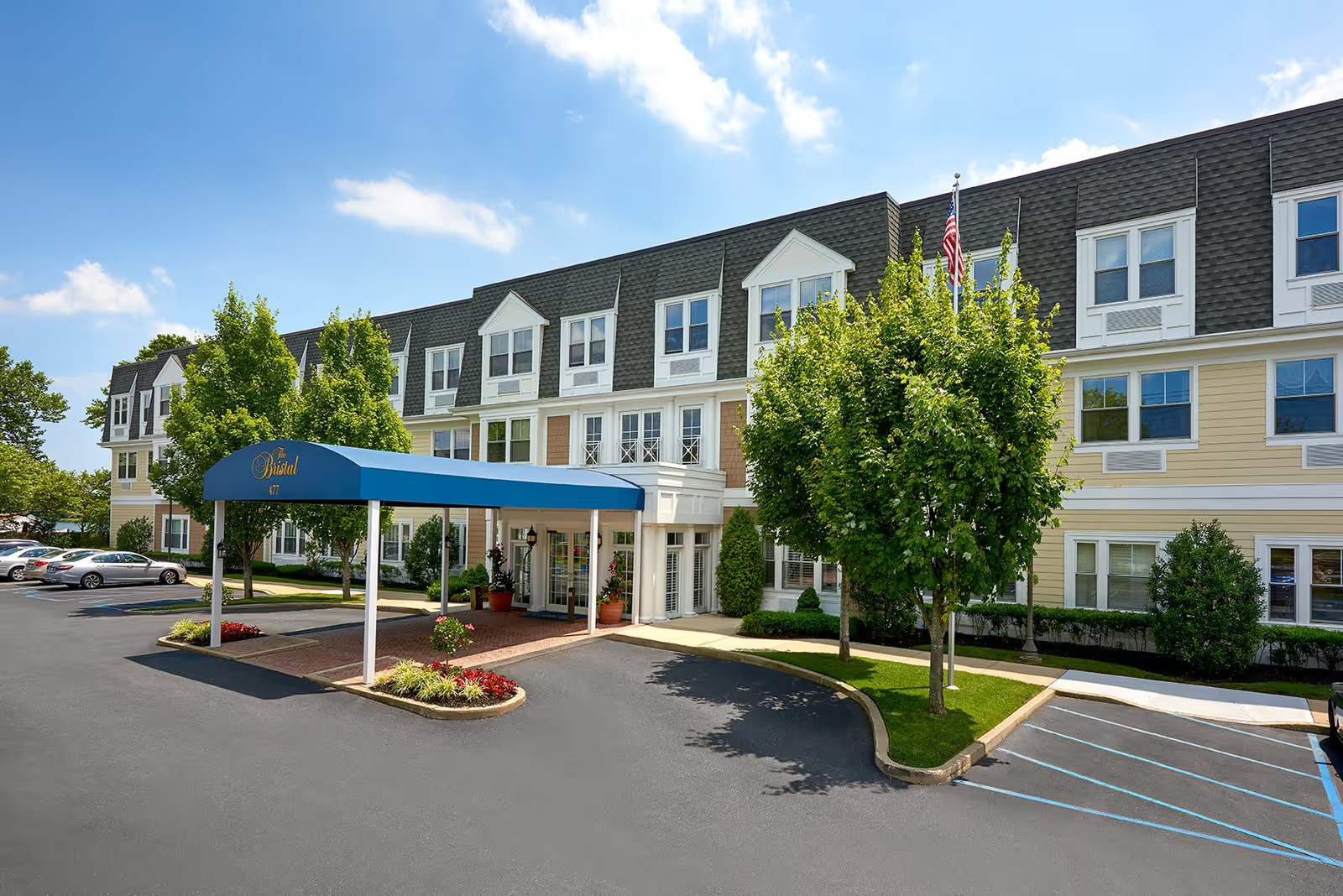
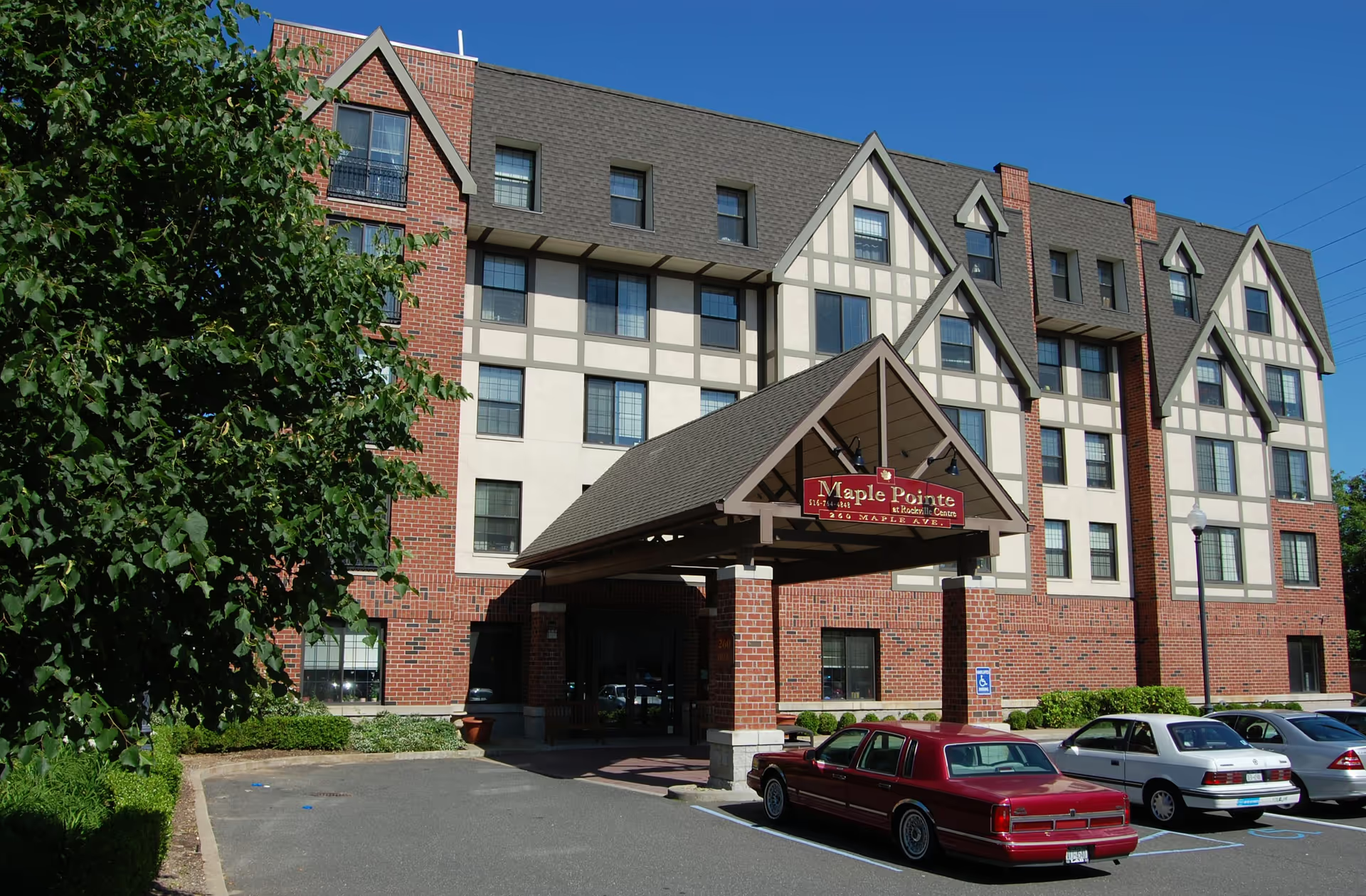
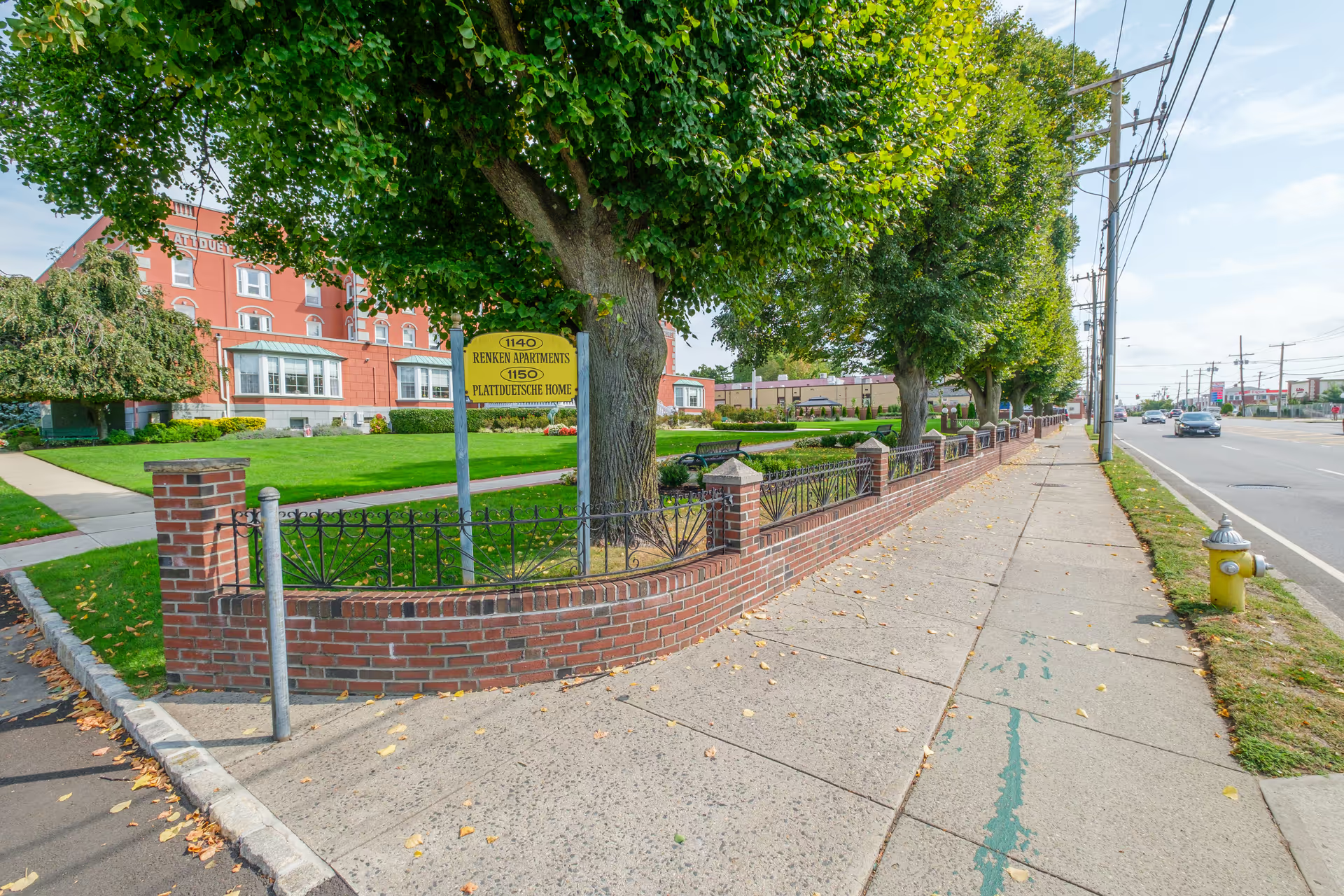
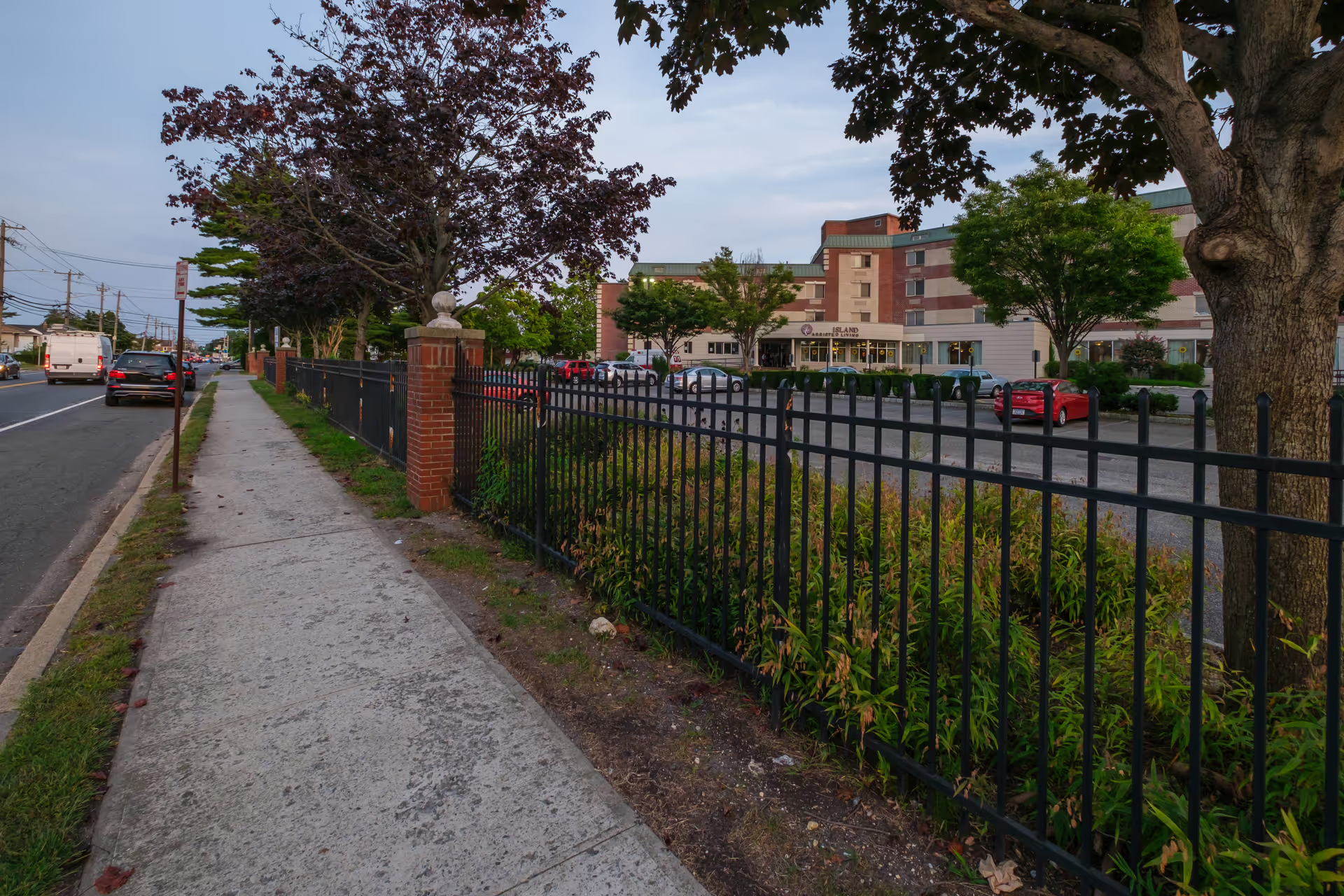
Overall impression: Reviews describe The Bristal Assisted Living at Lynbrook as a well‑kept, activity‑focused assisted living community with a consistently warm and welcoming atmosphere. Families and residents frequently praise front‑line staff, housekeeping, maintenance, and dining teams for attentive daily care and a clean, hotel‑like environment. Leadership and case management are repeatedly mentioned as accessible and supportive; several accounts describe smooth transitions, helpful admissions support, and an executive director who is active with families.
Care quality and staffing: Many reviewers highlight compassionate caregiving and a sense of safety—nursing, wellness, and memory‑care staff are singled out positively in numerous comments. At the same time, there are recurring operational concerns: responsiveness can vary, particularly during off‑hours or after dinner, and some families perceive that direct‑care staffing levels are insufficient at times. A few reviewers raised serious concerns about clinical recognition and response in isolated cases; these are not presented as patterns of regulatory action but do suggest variability in staff conduct and in how quickly issues are escalated and communicated to families.
Dining and amenities: Dining is frequently described as a strength—restaurant‑style service, abundant choices, accommodating chefs, and plentiful portions are common themes. Conversely, food quality and meal scheduling are inconsistent for some residents; a minority preferred different menu choices or found meal times inflexible. The facility offers regular laundry and housekeeping, a salon, therapy/rehab spaces, and an on‑site physical therapy program, which supports short‑term recovery needs and ongoing wellness programming.
Activities and social life: Activities are a clear selling point. The Bristal runs an extensive calendar—bingo, arts and crafts, live entertainment, movie theater showings, casino trips, walking groups, and frequent outings to local venues. Families report strong social engagement and improvement in residents’ mood and activity levels. A few reviewers noted reduced activity options during COVID restrictions and requested more evening programming or dementia‑specific engagement (for example, music/dance sessions geared to advanced memory loss).
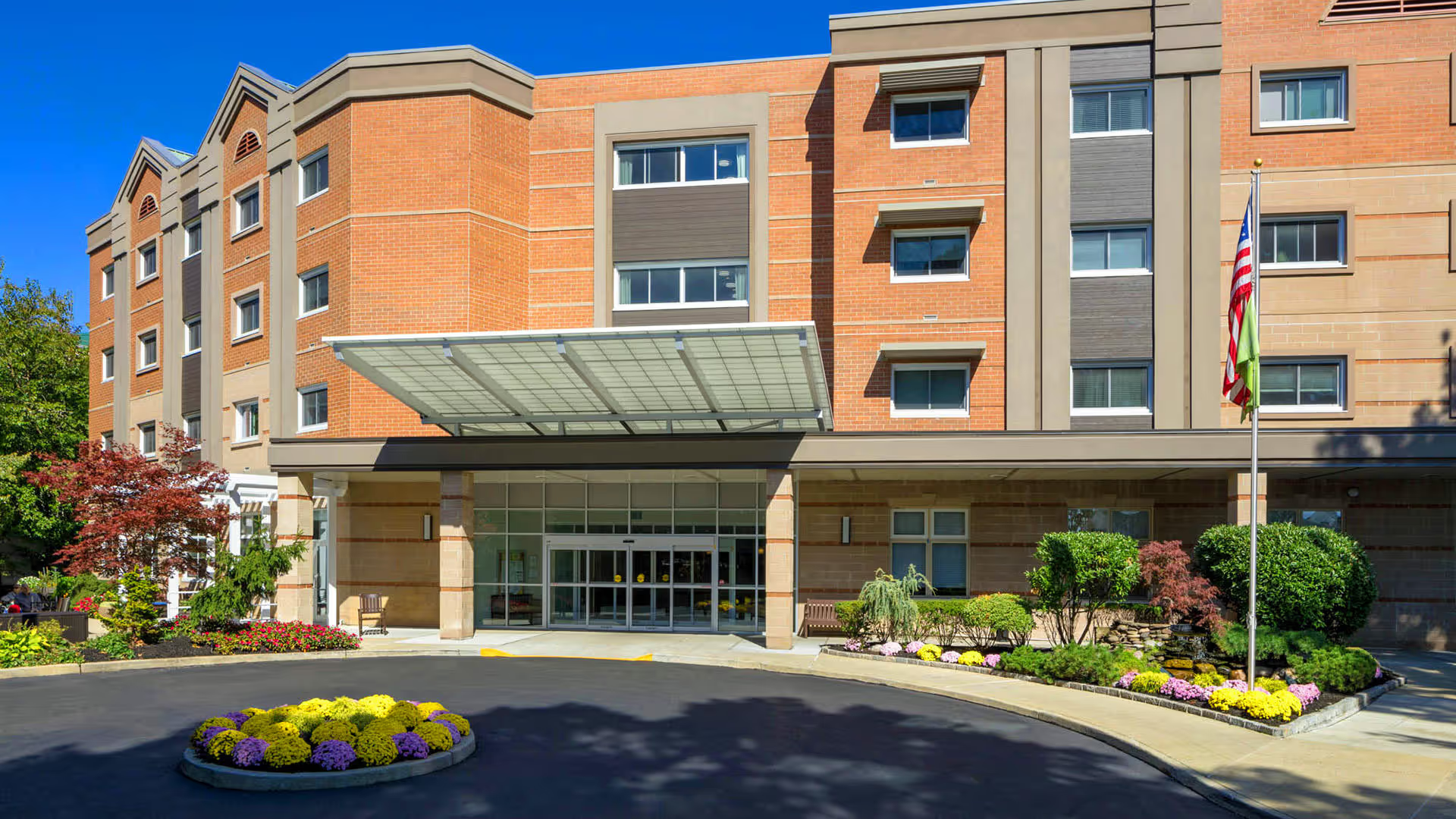
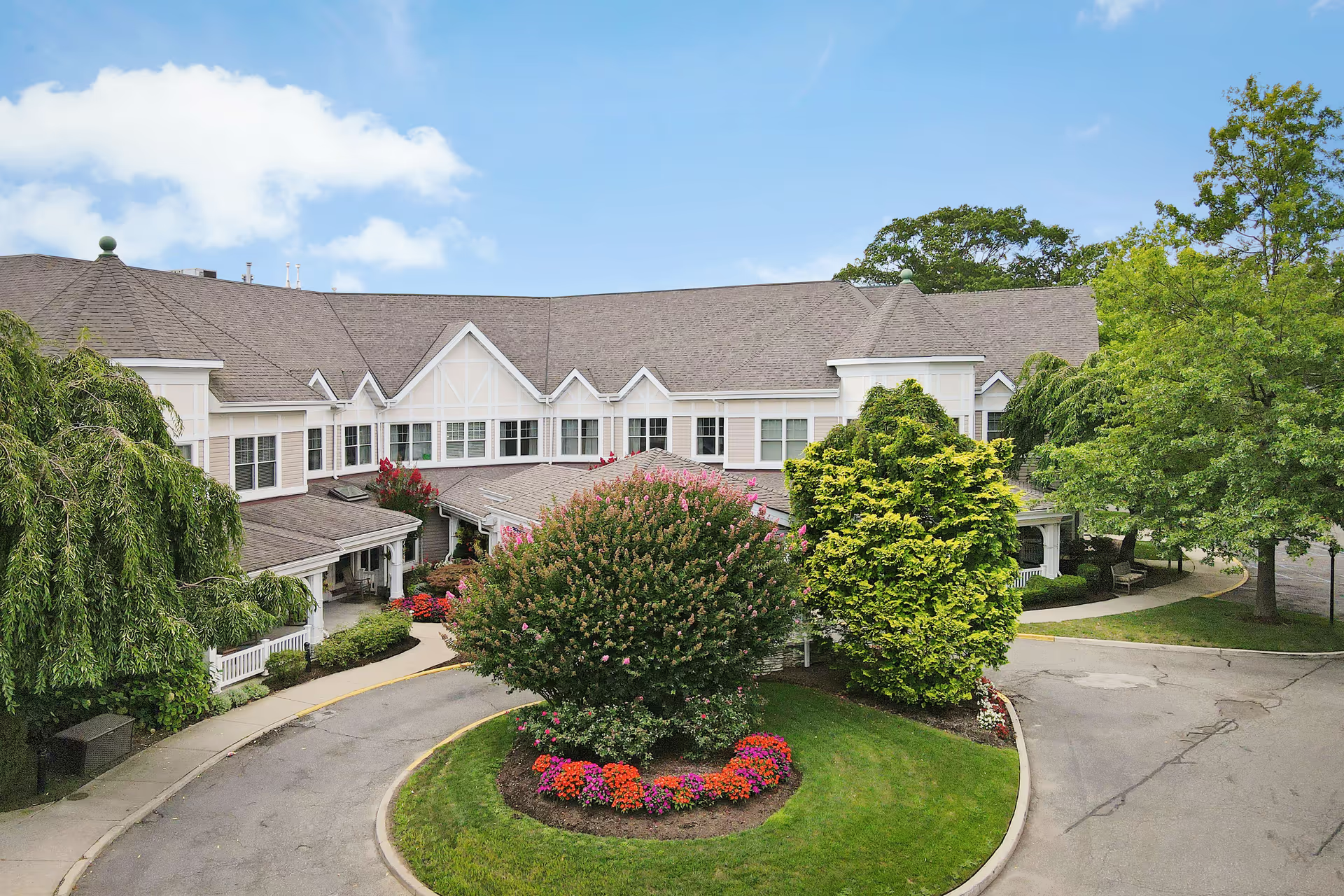
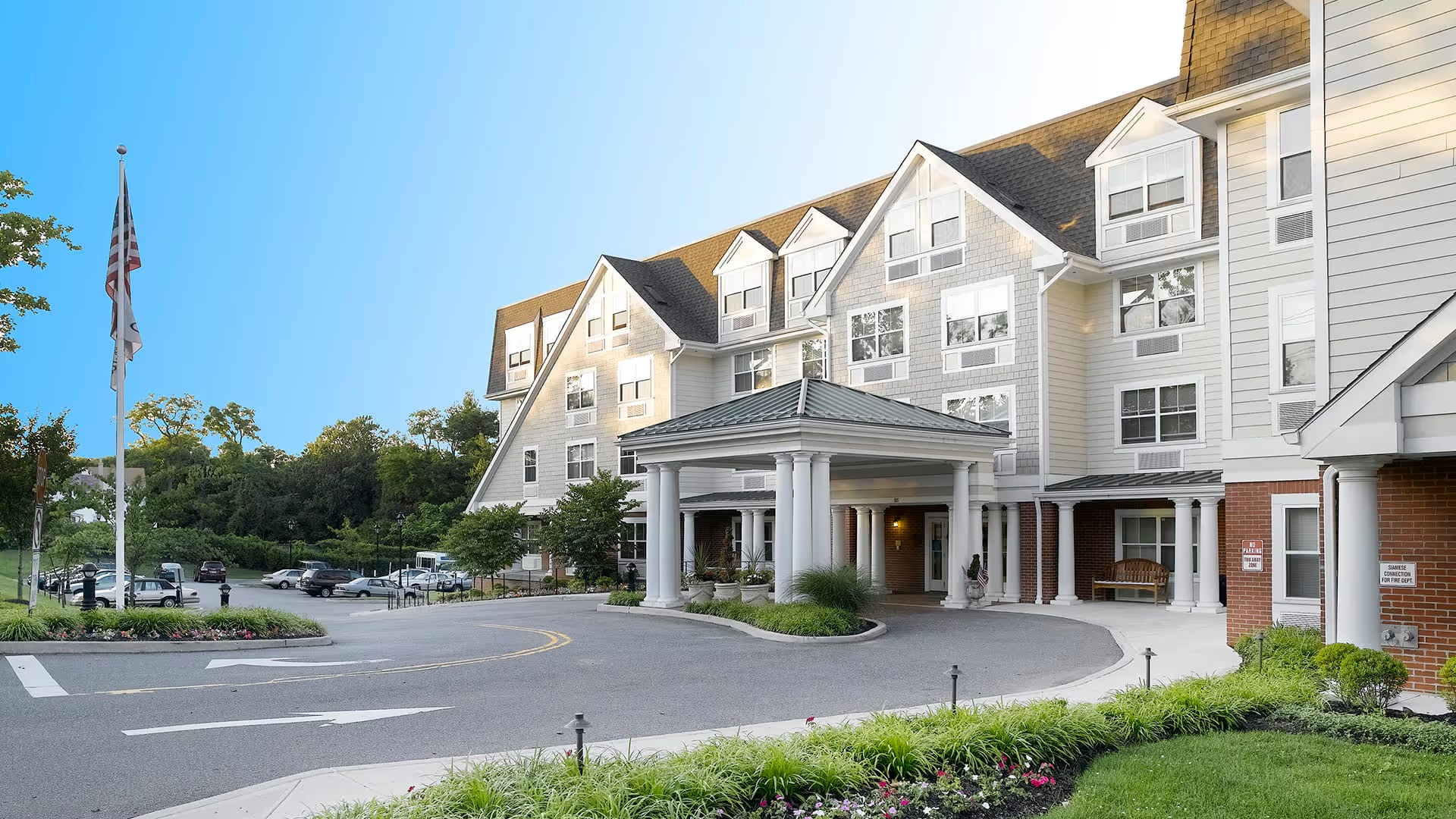
Facility and accommodations: The property is described as clean, bright, and well maintained, with pleasant common spaces, courtyards, patios, and private balconies in many units. Apartment layouts are generally regarded as roomy for the market, and semi‑private units are available; however, semi‑private arrangements were noted to reduce privacy for some residents. Practical amenities (refrigerator, microwave, kitchenette, storage) are appreciated. Reported operational issues include parking limitations, occasional temperature‑control problems in units, and an odor concern referenced once for a common restroom area.
Management, fees, and transparency: Leadership receives strong marks for communication and for working with families to keep residents in assisted living when possible. At the same time, reviewers note a complex fee structure: refundable deposits, extra charges for bathing/dressing/grooming, medication‑ordering/dispensing fees, and other add‑ons mean that advertised monthly rates are not always all‑inclusive. Some families also flagged the facility’s medication-storage model (medications kept in apartments) as an operational detail to clarify during intake. A few reviewers experienced disappointing transparency around level‑of‑care limits and what services are included.
Patterns and recommendations: For prospective residents and families, The Bristal at Lynbrook appears to offer strong social programming, attentive environmental services, and engaged leadership—attributes that support quality of life for many assisted‑living residents. Important due diligence items based on reviews: verify staffing patterns (especially evening and weekend coverage), ask for specifics about personal‑care and medication fees, confirm memory‑care programming tailored to advanced dementia if that is a need, and inspect semi‑private unit arrangements for privacy preferences. Overall, expectations should be set around a community that is activity‑rich and service‑oriented, with some variability in direct‑care responsiveness and a fee structure that requires careful review.