Reviews of Rockaway Care Center are markedly mixed, with a clear pattern of both strong individual staff performance and systemic operational weaknesses. Many families praise specific caregivers, therapy teams, recreation leadership, and admissions personnel for professionalism, compassion, and effective support during transitions. At the same time, there are repeated accounts of service and maintenance issues that affect daily life for residents.
Care quality appears inconsistent. Positive accounts highlight attentive nurses, hardworking CNAs, and aides who provide individualized assistance and improve resident independence. Conversely, other accounts raise concerns about delayed responses to assistance requests, inconsistent assistance with personal care tasks, and gaps in routine monitoring that increase fall risk. These contrasting reports suggest variability in day‑to‑day care delivery that prospective families should evaluate during a visit.
Staffing and staff conduct are recurring themes. Reviewers describe both dedicated, courteous staff and situations where staff communication and professionalism are poor. Several comments point to staffing shortages, high turnover, and an impression that some employees are disengaged; these factors can contribute to inconsistent service, slower responses, and variable resident experiences.
Dining and nutrition receive mixed feedback. Some families compliment therapy and dietary staff, while others describe inconsistent meal quality, late or cold meals, and portioning or presentation problems. Meal timeliness and consistency appear to be an operational weakness that has affected resident satisfaction.
Activity programming and rehabilitation services also show divergence. The facility is credited in multiple accounts for strong recreational leadership and effective therapy services that support resident engagement and recovery. At the same time, there are reports of limited or boring programming for some residents, indicating uneven delivery of activities across units or shifts.
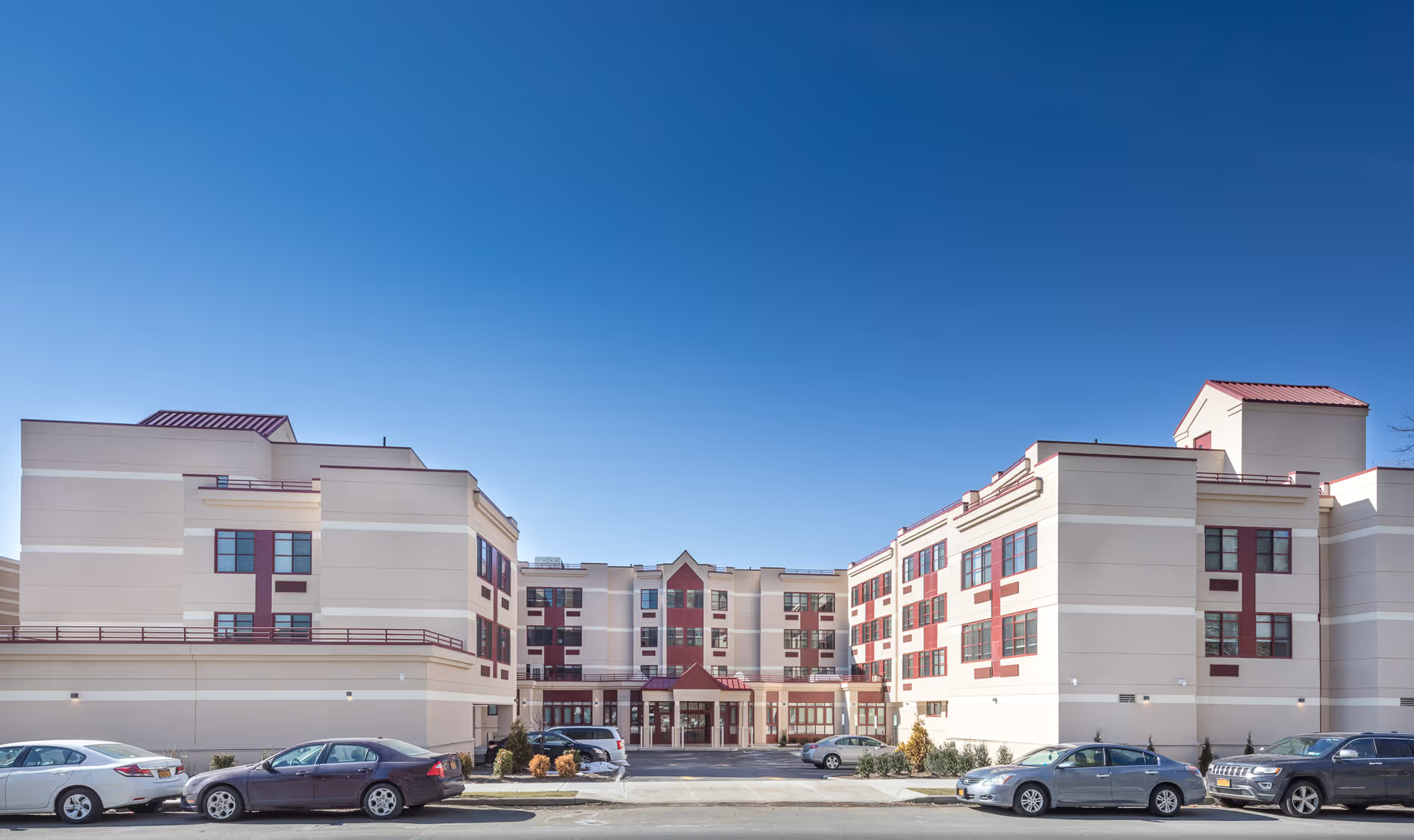
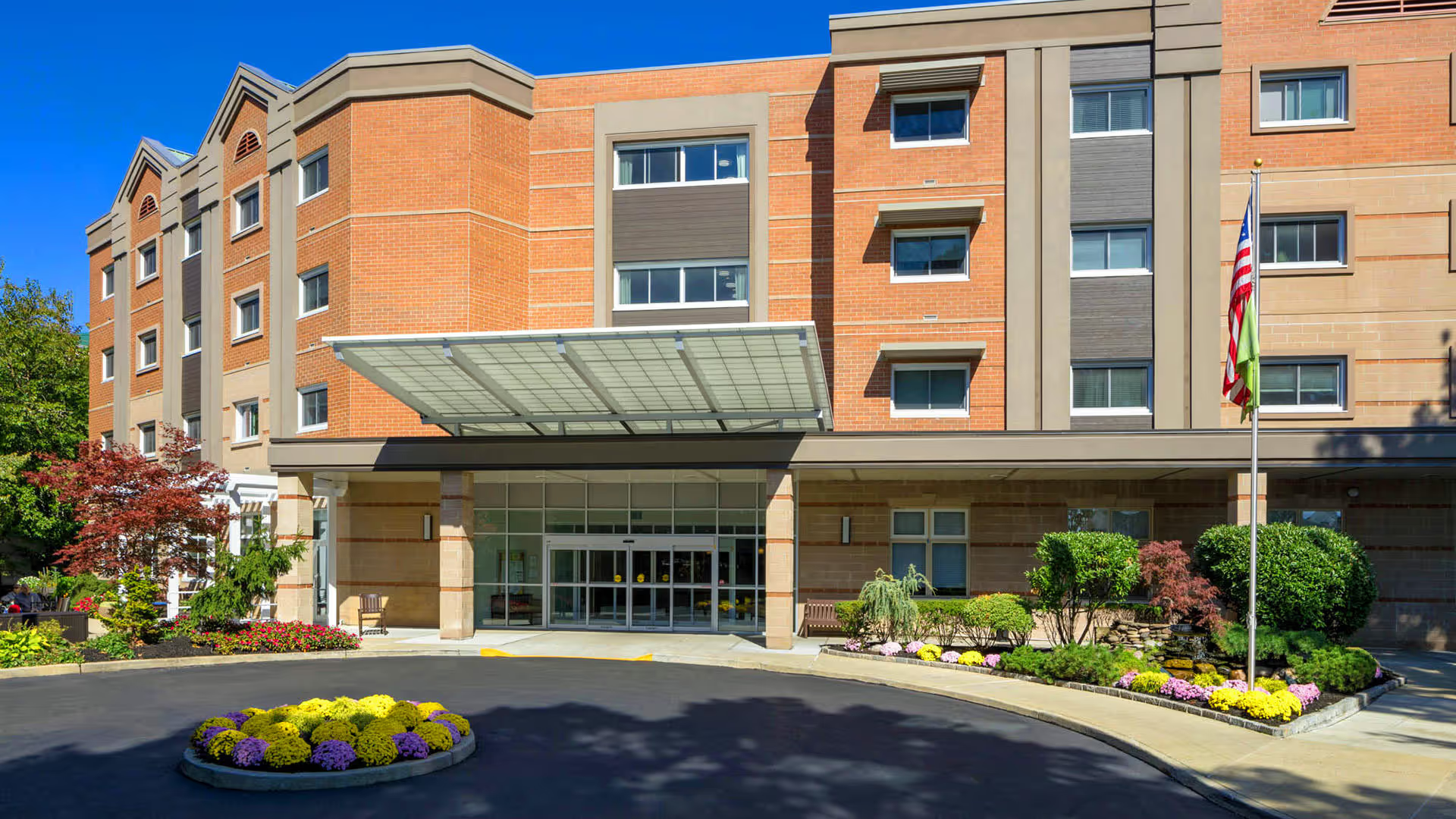
Facility condition and maintenance present practical concerns. Positive impressions of a clean lobby and welcoming entrance are offset by reports of housekeeping lapses in some rooms and common areas, pest‑control concerns, a poorly maintained patio or outdoor space, and frequent elevator outages. Small shared rooms and limited private‑room availability were noted as constraints on resident comfort and privacy.
Management and communication are another area of contrast. Some reviewers praise helpful administrators and a smooth admissions process; others describe delays in family notification, difficulties obtaining medical records, and allegations involving withheld personal belongings. There is also a perception among some families that financial considerations may sometimes take precedence over resident services.
Overall, the facility exhibits significant variability: strong, compassionate individuals and effective therapy/recreation leadership on one hand, and recurring operational problems on the other. For prospective residents and families, an in‑person tour that includes viewing resident rooms, common areas, and dining service during a meal, plus direct conversations about staffing ratios, maintenance plans, pest control, documentation access, and activity schedules, would help clarify whether the facility’s strengths align with the prospective resident’s needs. Checking recent inspection reports and asking for references from current families can provide additional context before a placement decision.