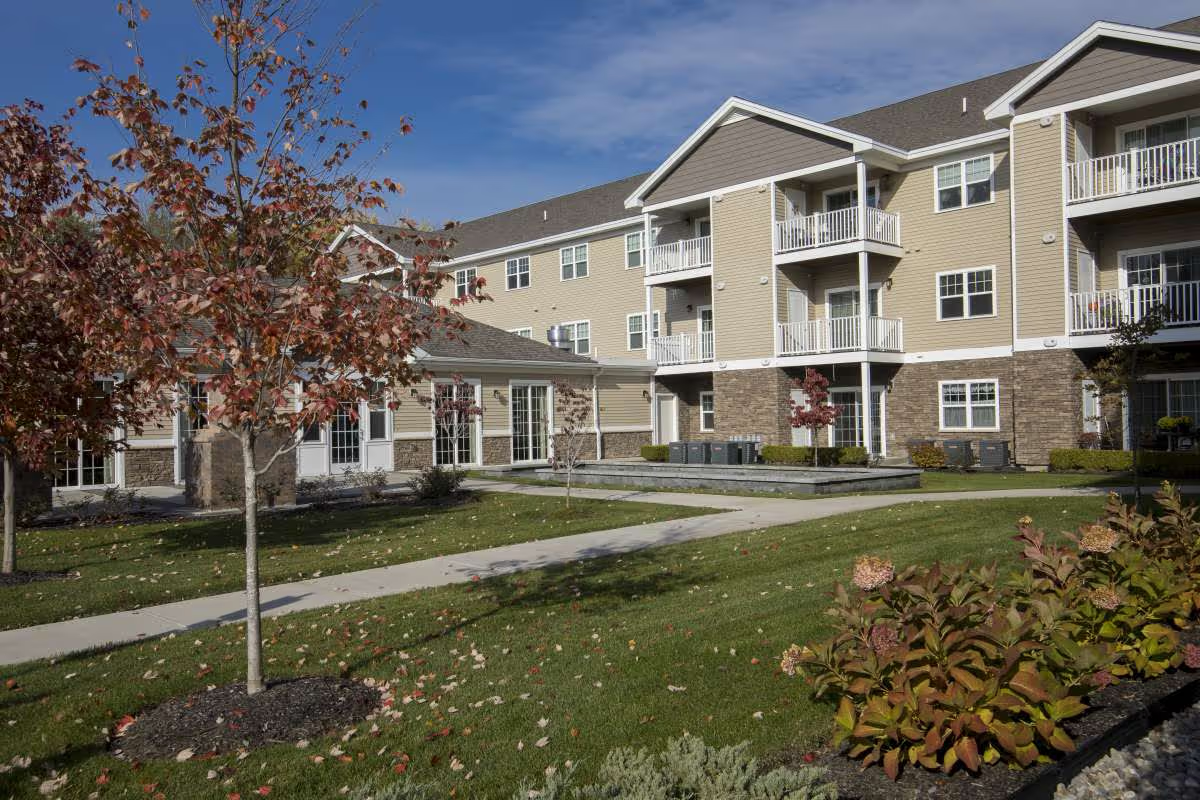
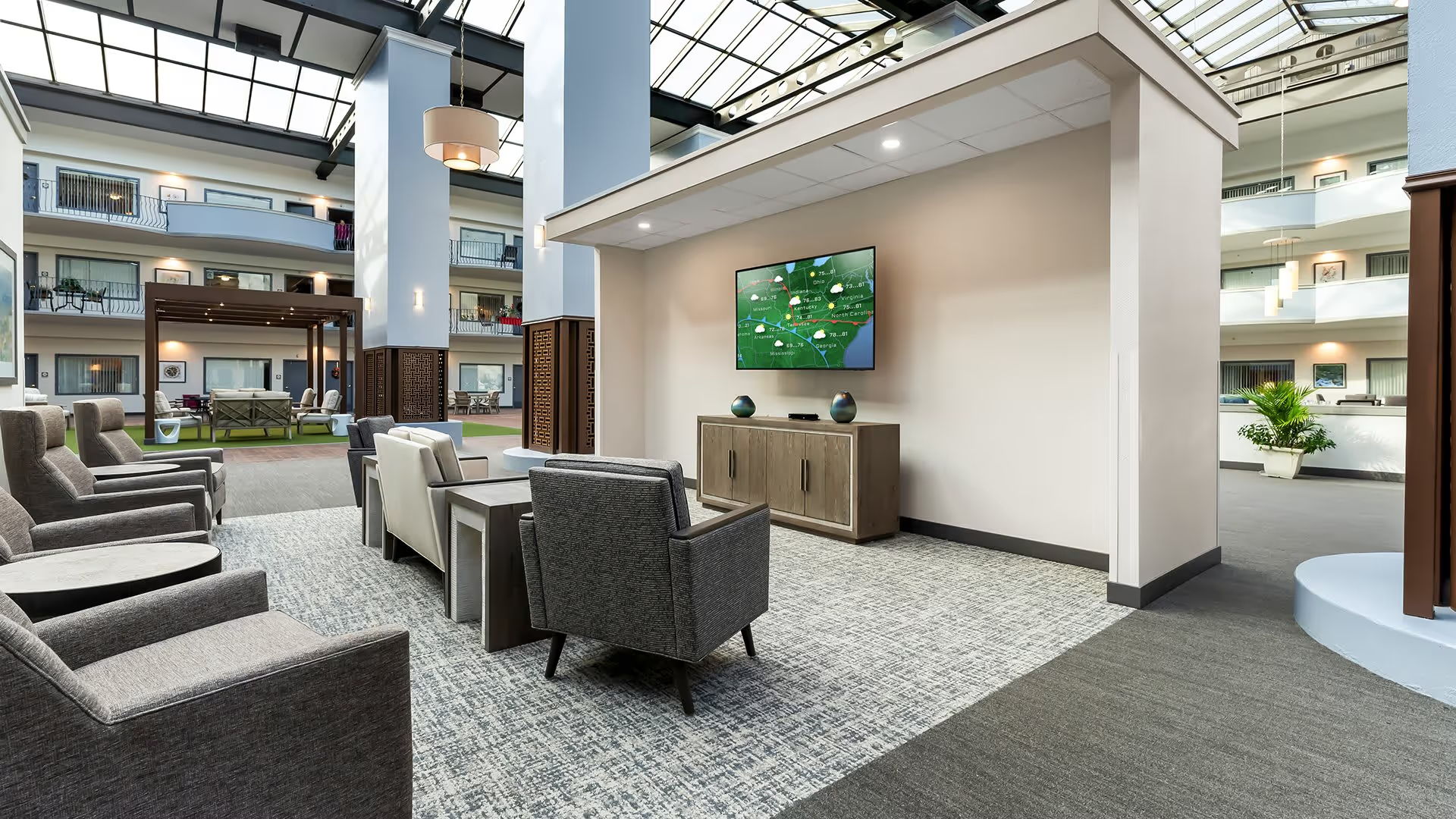
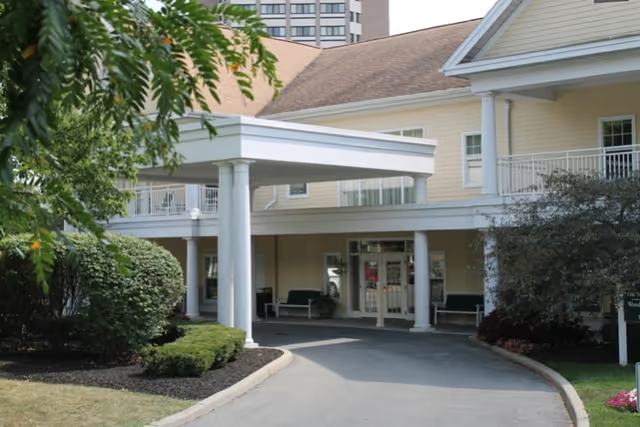
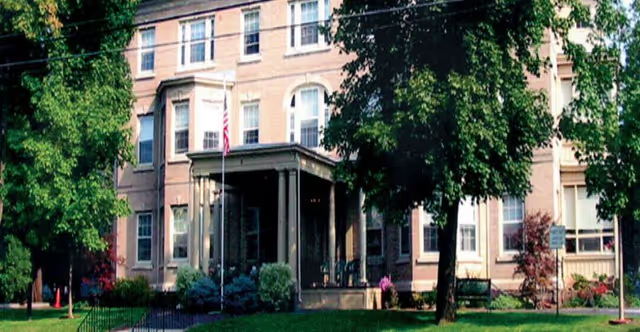
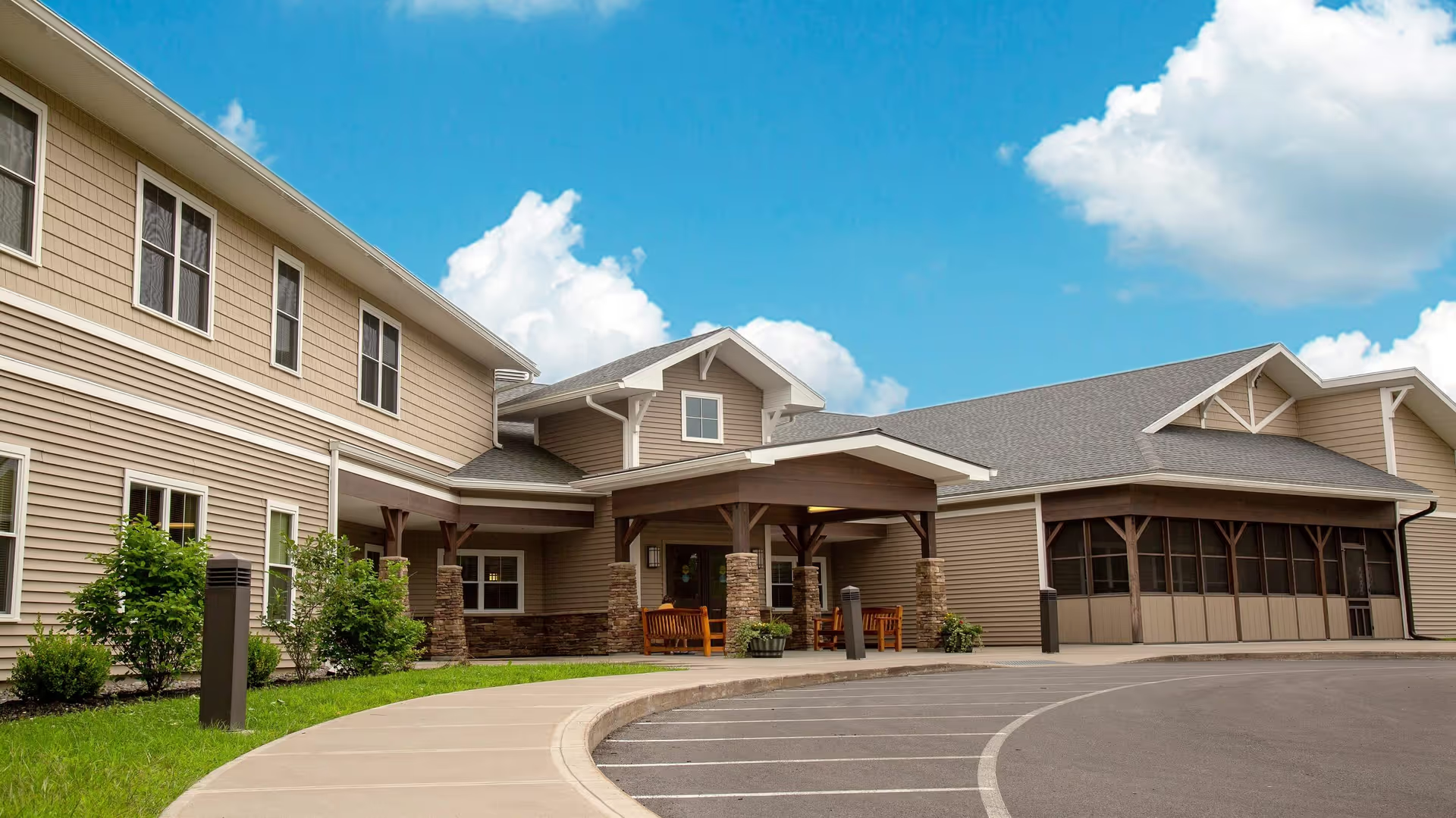
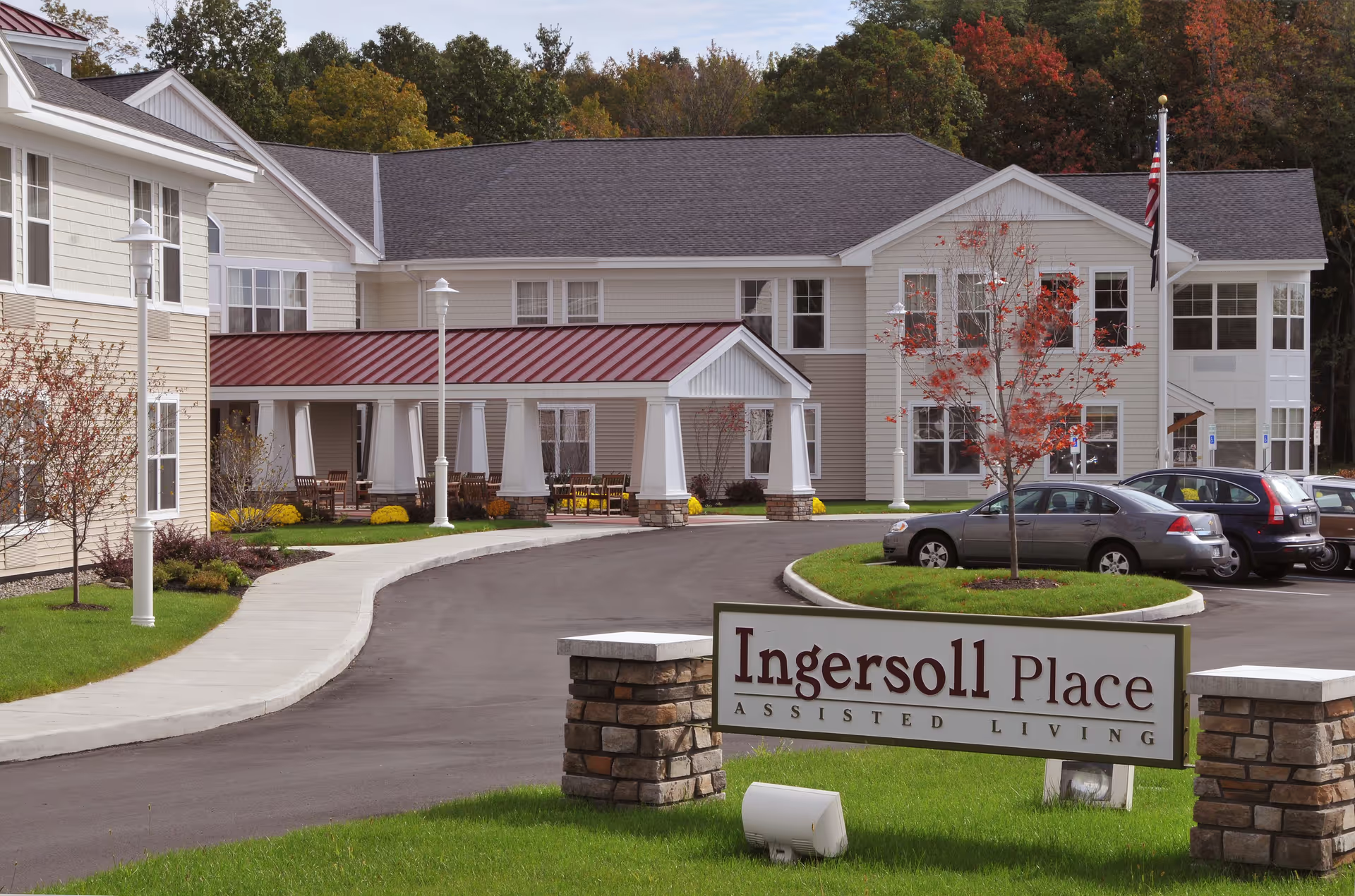
The reviews of Fulton Center present a highly polarized picture: many families and some clinical reviewers describe compassionate, effective care in certain units and praise particular staff members and departments, while a substantial set of accounts raises persistent operational and clinical concerns. Positive notes include attentive nursing aides, strong rehabilitation services, an active activities program, secure entry and alarm systems, and visible investment in renovated neighborhoods and furnishings. Several reviewers also highlighted helpful transportation, engaged therapy teams, and technology use that supported care coordination.
Care quality appears inconsistent across the facility. Multiple accounts allege medication-administration problems, including delayed or missed doses and errors at discharge that created pharmacy and continuity issues. Reviewers also describe gaps in wound care and weight/pain management, inconsistent therapy delivery, and occasions where clinical monitoring and timely escalation to higher-level care seemed insufficient. There are specific concerns about incontinence-care responsiveness and hygiene-process gaps; these are best characterized as sanitation and incontinence-care system weaknesses rather than isolated descriptive incidents. A few accounts mention serious outcomes and concerns following a resident's death; such instances underscore the importance of clinical oversight and transparent family communication.
Staffing and staff conduct are areas of mixed feedback. Numerous reviewers praise individual nurses, aides, therapists, and activity staff as caring and competent; these staff are often credited with positive rehabilitation outcomes and supportive family interactions. At the same time, recurring themes include understaffing, slow call-bell responses, inconsistent supervision, and occasional adverse conduct or poor communication tone. Some reviews allege biased or disrespectful behavior; others note distraction or reduced attentiveness. Staffing sourced from outside the immediate area and turnover under new management were also cited as destabilizing factors.
Dining and daily living services show variability. Some families report palatable meals and supportive dietary staff, while others describe irregular meal service, inadequate feeding assistance, and concerns about meal handling and continuity. Laundry and personal-property management problems — missing clothing or delayed returns — were reported frequently enough to be considered an operational weakness. Activities programming was one of the most consistently praised areas, with named staff and creative offerings noted as beneficial to residents' well-being.
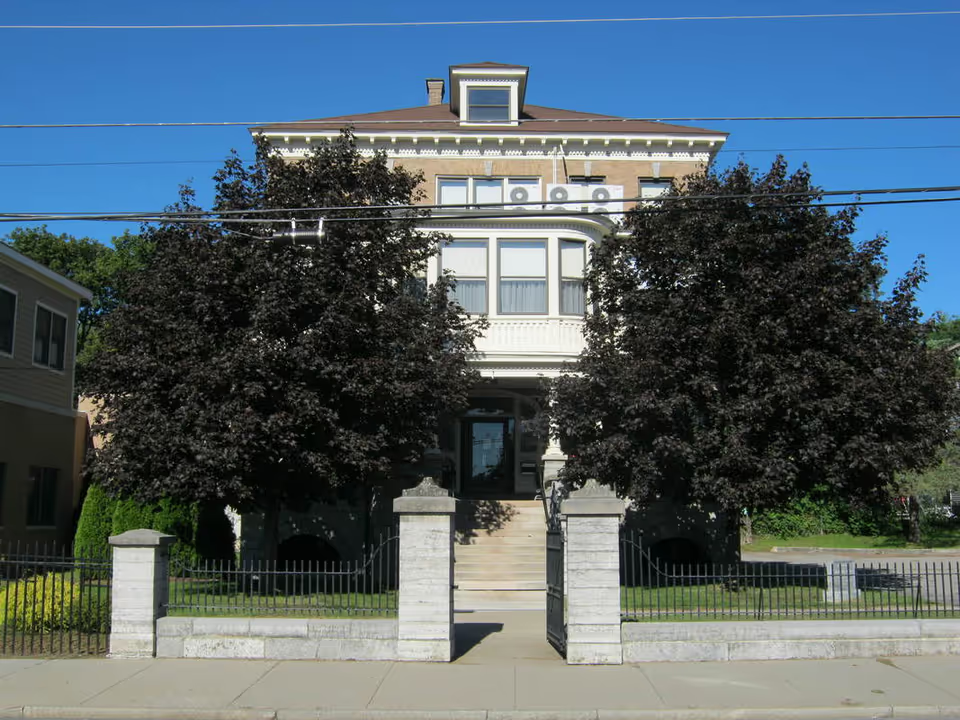
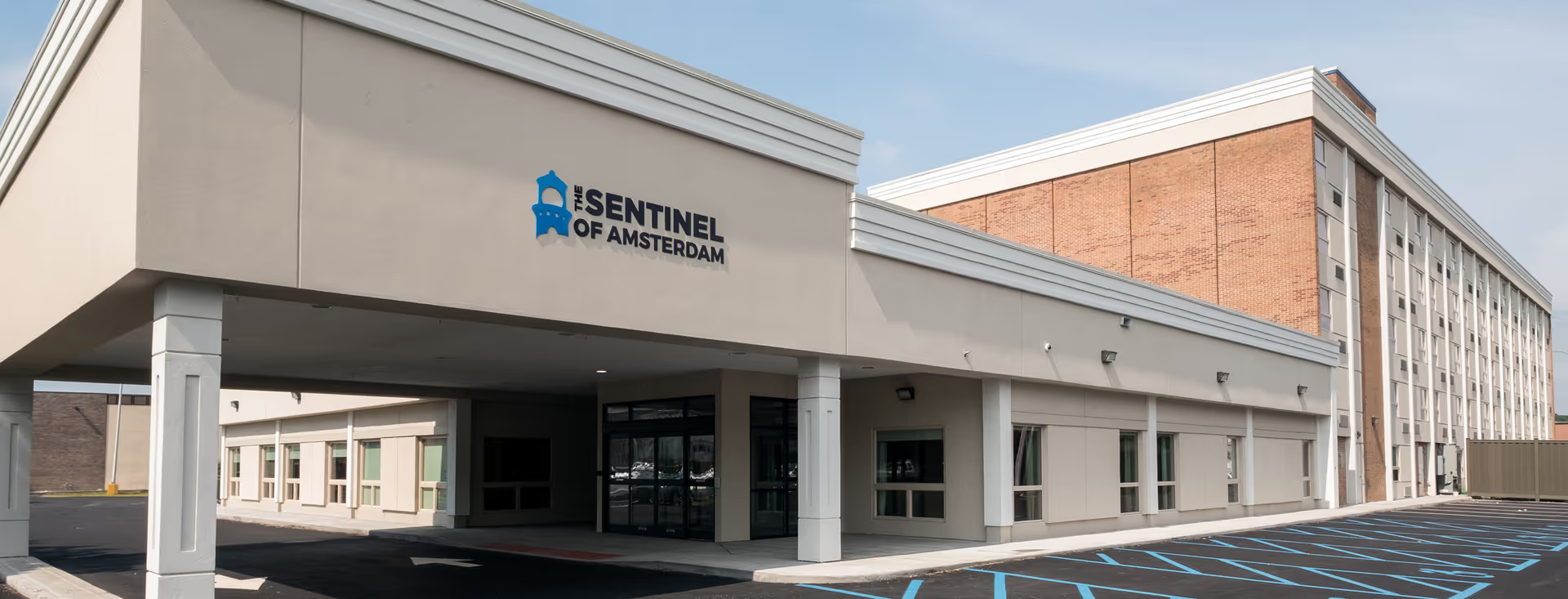
Facility and safety observations are similarly mixed. The campus security measures and some recently renovated units receive positive mentions, but sanitation concerns and uneven cleanliness in particular rooms or neighborhoods recur across reviews. Safety-monitoring issues such as wandering residents, fall-prevention process gaps, and inconsistent supervision were also described, pointing to weaknesses in resident-monitoring systems and staffing allocation.
Management and administrative patterns are a common concern. Many reviewers described difficulty reaching social workers or administrators, unreturned calls, discharge coordination problems, pharmacy and e-prescription miscommunications, and what they perceived as prioritization of billing or private-pay residents. There are also more serious allegations in a subset of comments — including theft and financial-misconduct claims and an alleged licensing-related action — that merit formal inquiry by regulators and warrant careful verification.
Taken together, the reviews indicate a facility with real strengths in rehabilitation, activities, and pockets of excellent direct care, but also with systemic operational weaknesses that affect safety, sanitation, medication management, family communication, and consistency of clinical oversight. Prospective residents and families should arrange a facility tour that includes inspection of the neighborhood where the resident would live, ask for current staffing ratios and therapy schedules, review medication-administration and wound-care protocols, inquire about laundry and personal-property processes, and request recent infection-control and survey records. For current family members, close monitoring, regular communication with a designated staff contact, and documentation of care concerns will help clarify whether the practice-level strengths are present for a given resident's stay.