Reviewer accounts for Wingate at Ulster are notably mixed, with distinct positive strengths alongside serious operational concerns. Several reviews praise the clinical team — nurses, doctors and therapists — for caring, attentive treatment, clean and bright surroundings, and good dining. At the same time, other reviews describe clinical deterioration, injuries requiring emergency care, significant weight loss and skin integrity issues following stays, which collectively point to inconsistent outcomes across residents.
Care quality appears variable. Positive comments describe compassionate bedside care, effective rehabilitation services and therapists helping with mobility. Conversely, other accounts indicate lapses in monitoring and care planning that coincided with adverse events and additional emergency care. These contrasting experiences suggest the facility can provide strong clinical and rehabilitative services but may have gaps in clinical oversight or inconsistent application of care plans for some residents.
Staffing and day-to-day operations also show a split picture. Many reviews highlight staff who are attentive, engaged and willing to go beyond basic duties; one review specifically noted a positive experience as an employee. However, other reports raise concerns about staff attentiveness, unit supervision, and front-desk or shift-station practices (for example, staff congregating at a nurses’ desk). These differences suggest variability in staff performance and possible challenges with staff consistency or supervision at different times.
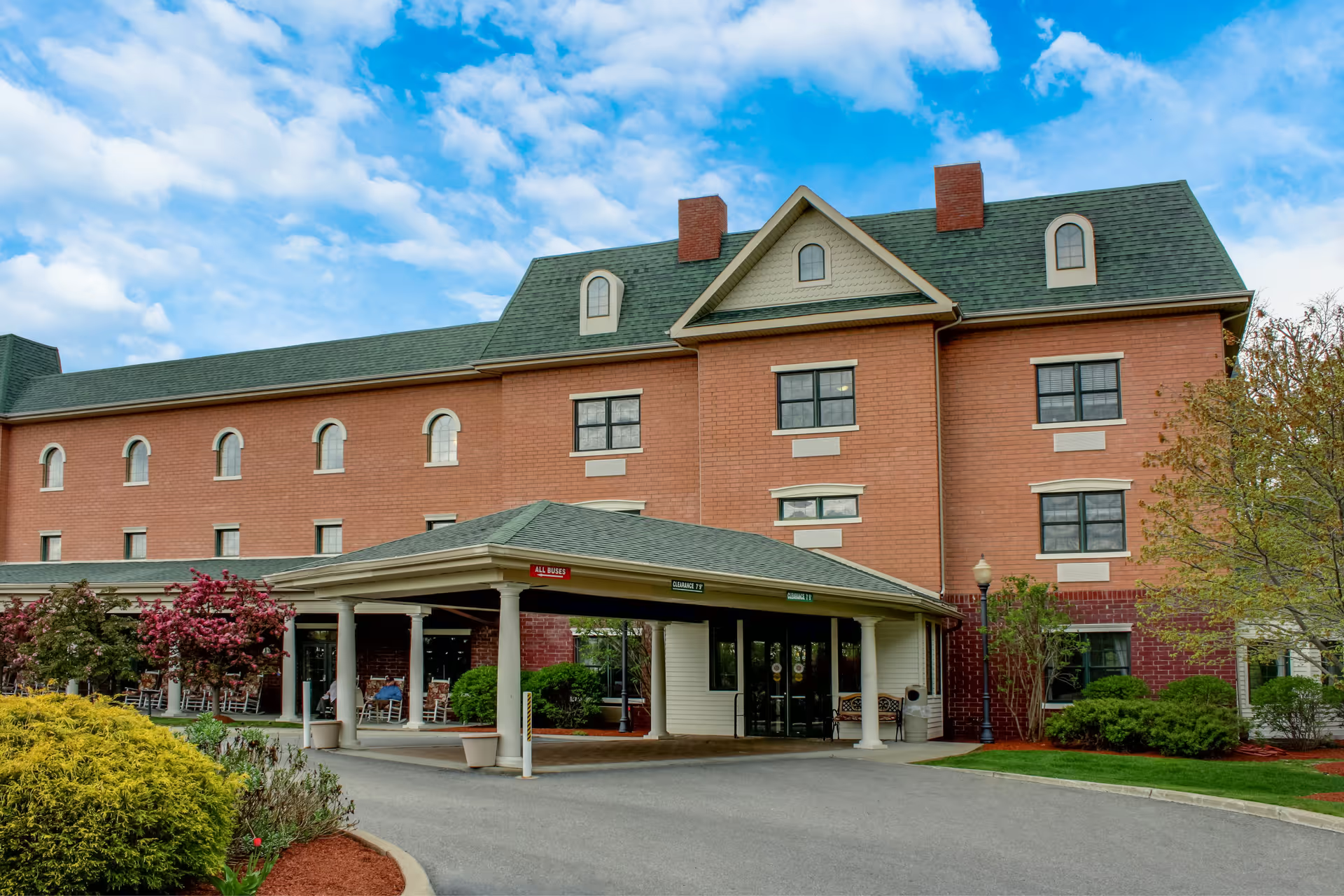
Dining and environment are frequently noted as strengths. Multiple reviewers describe the food as very good and the building as clean, bright and welcoming for families. At the same time, some reviewers raised lighting and visibility concerns in portions of the building and clinical issues consistent with possible gaps in infection-prevention or wound-prevention practices.
Management and systems-level issues emerge in several areas. Reviewers reported limited in-network physician availability and out-of-pocket physician charges, indicating potential financial and access obstacles for some families. Communication gaps with families and during care transitions were also mentioned, including difficulties reaching or speaking with residents’ families in some cases. Reports of falls and injuries point to opportunities to strengthen fall-prevention and safe-transfer protocols.
Recommendations for prospective residents and families: arrange an extended tour that includes observation during a shift change, meet the nursing and therapy leads, review staffing ratios and turnover, and ask for specifics about fall-prevention, skin/wound protocols, infection control procedures, and physician-network arrangements and fees. Request recent care-plan examples, outcomes for rehabilitation cases similar to your loved one’s needs, and recent inspection or quality-report documents. Given the mix of strong positive experiences and serious concerns, making decisions should include direct verification of clinical oversight, communication practices, and financial/physician arrangements.