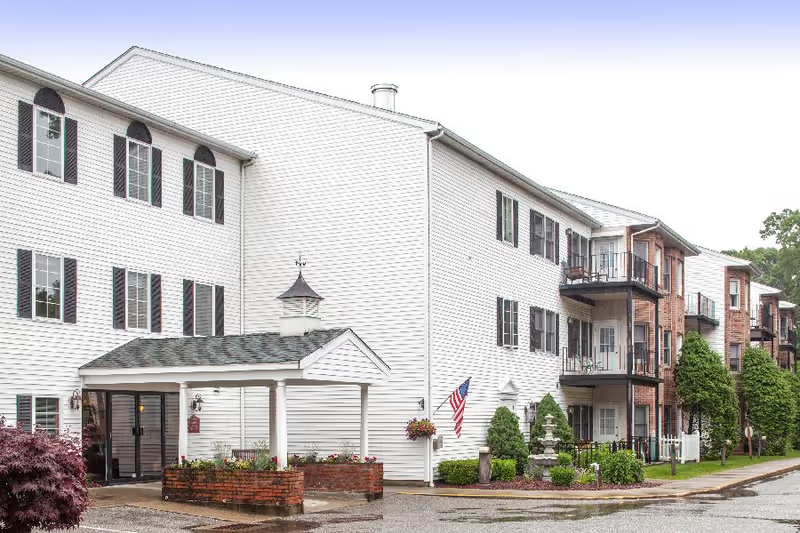
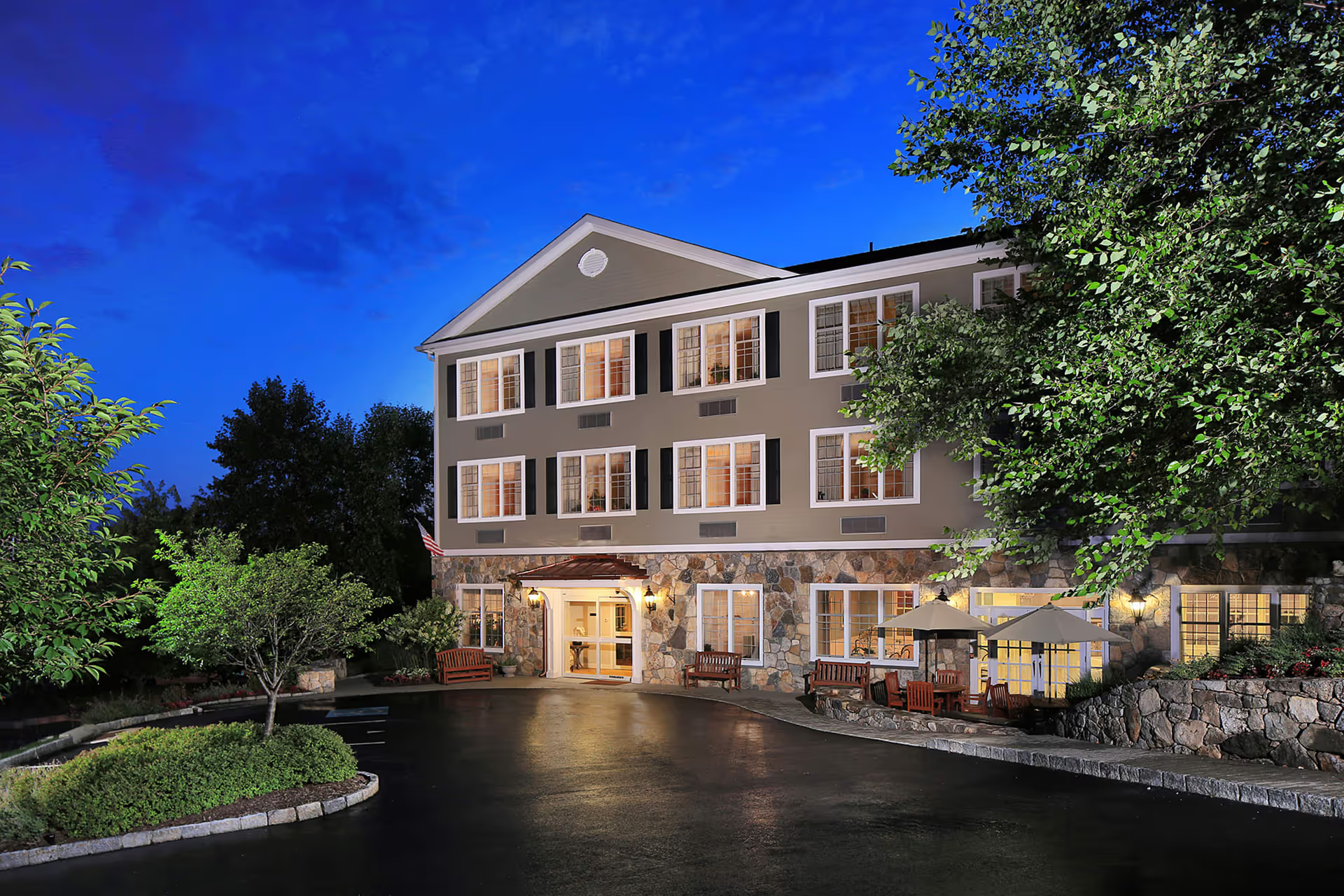
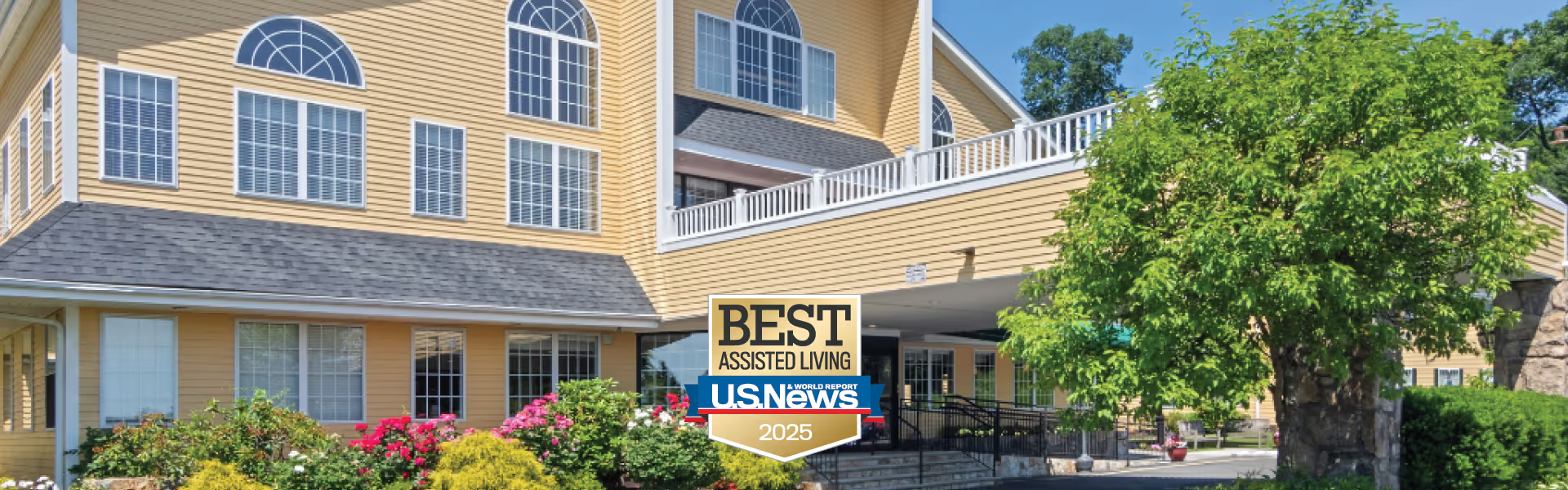
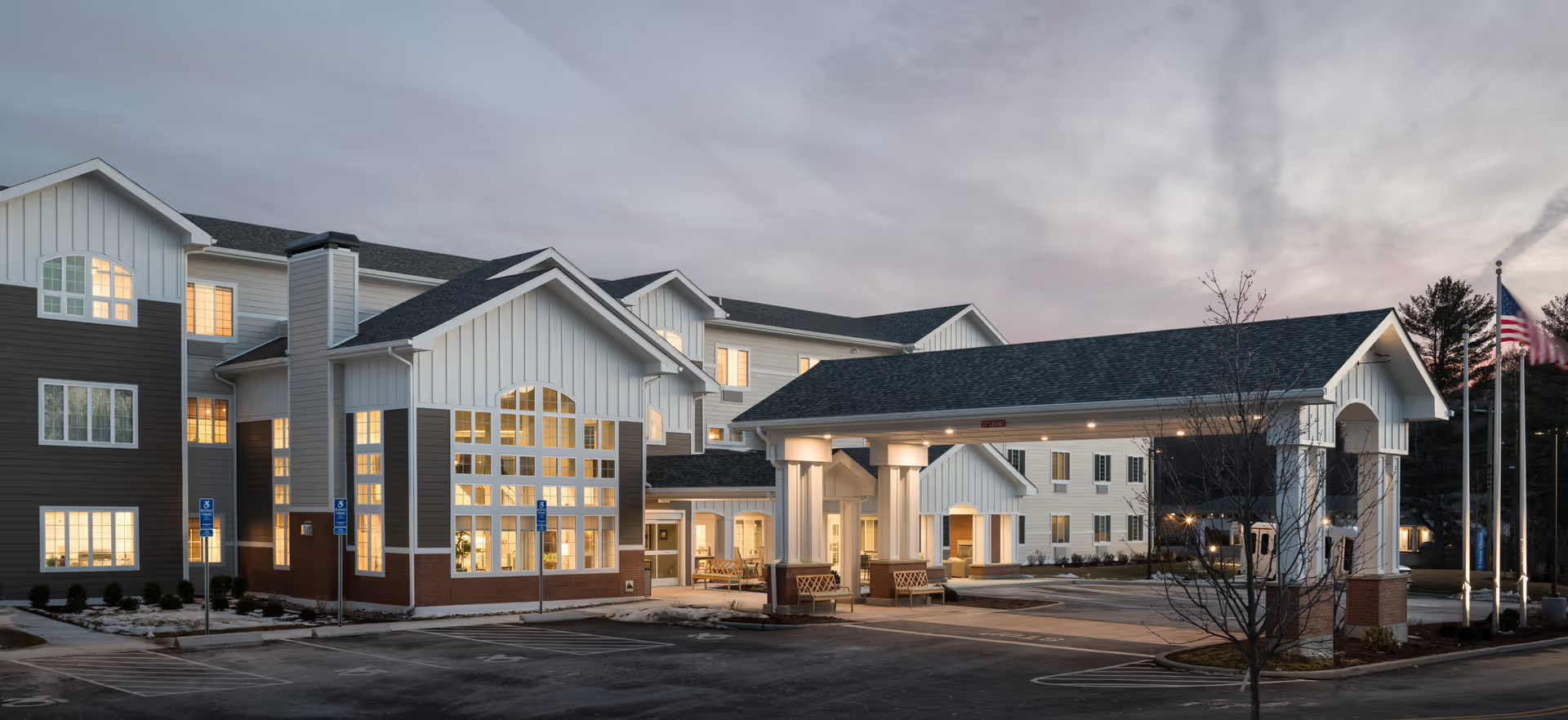
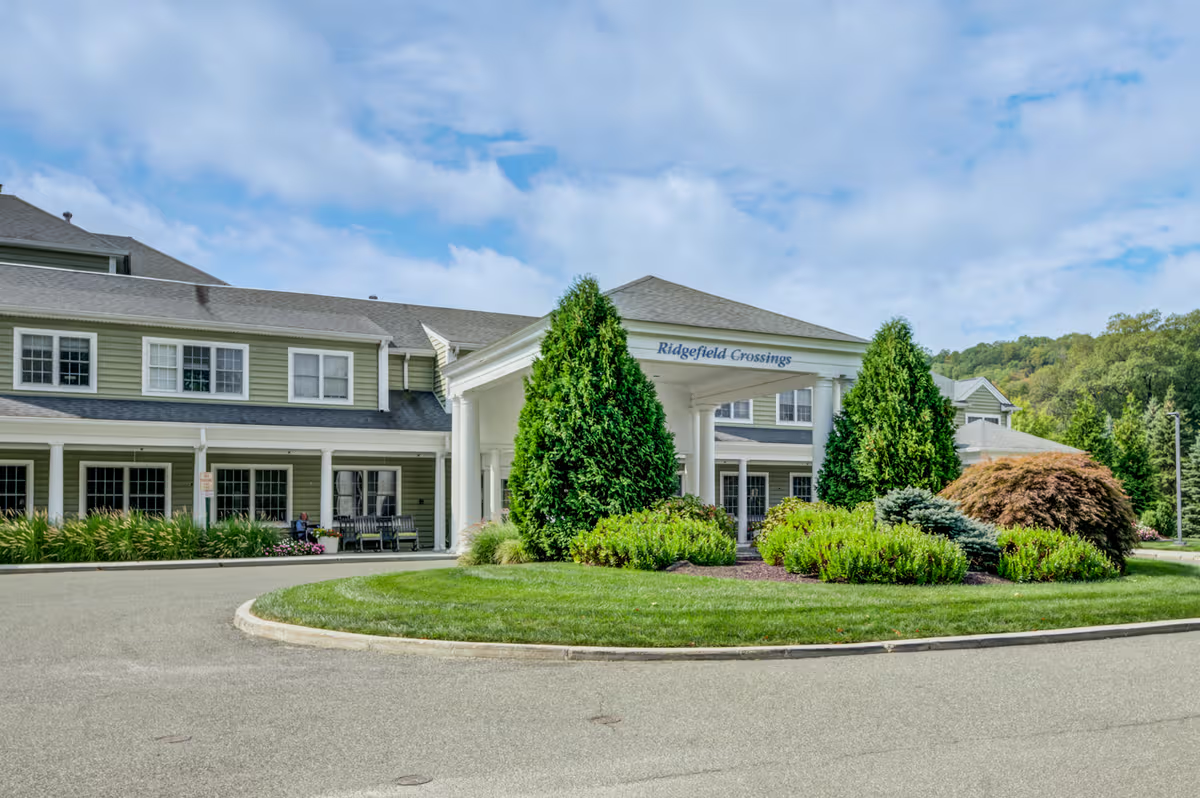
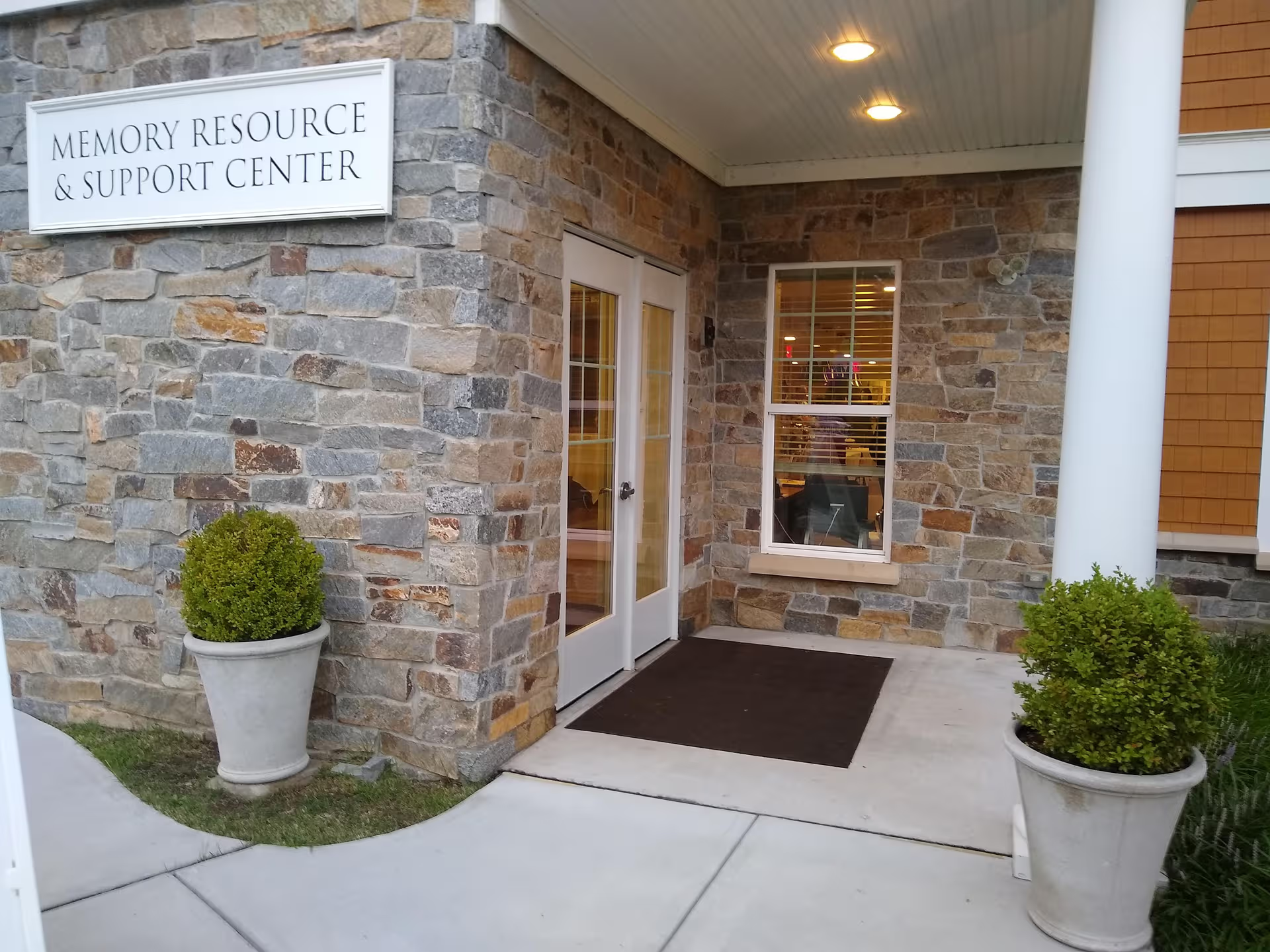
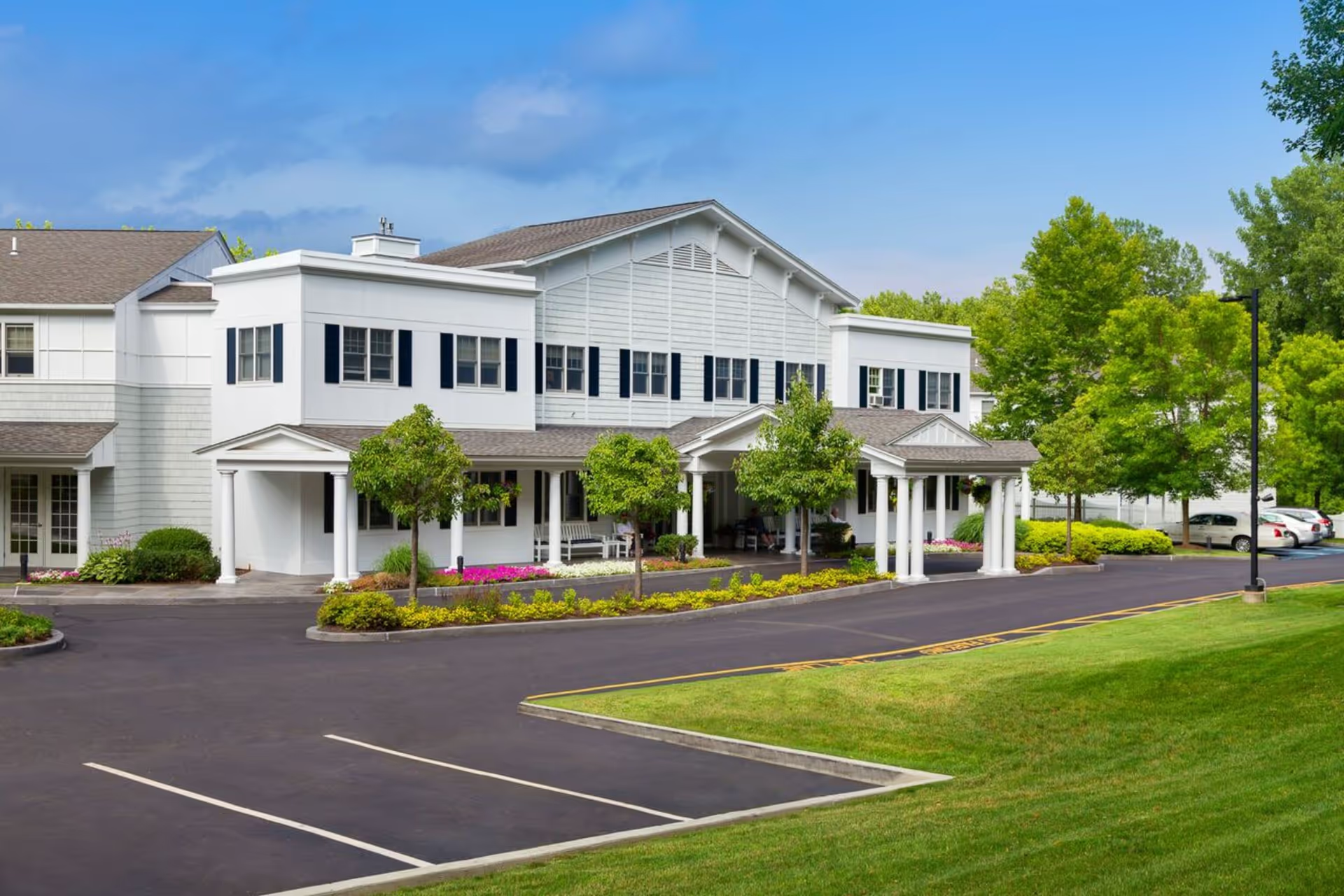
The Plaza at Clover Lake presents as a large, modern campus with many physical strengths: hotel-like, spacious rooms and bathrooms, bright common areas, and extensive scenic grounds including a lake, patios, gardens and multiple activity spaces. Reviewers consistently highlight the breadth of amenities — gym, theater, library, arts-and-crafts rooms, and specialized common areas — and many describe the facility as clean, well-maintained and attractive. The facility also offers practical payment options of interest to some families (community Medicaid acceptance and spend-down pathways) and a furnished trial move-in option, which may ease initial transitions for prospective residents.
Direct-care staff and front-line aides receive generally positive comments for being personable, attentive and engaged; several individual staff members and administrators are singled out for strong performance. At the same time, accounts of inconsistent staffing patterns, high turnover, and uneven supervisory or clinical coverage are recurrent. These patterns are linked to concerns about care continuity, delayed assistance at times, and limited on-site nursing or physician presence during evenings. There are specific operational pain points around medication handling — including queuing for medications, medications administered during meals, and restricted in-room medication access — that suggest the facility’s medication-administration workflow may not meet every family’s expectations.
Dining and programming provoke mixed reactions. Many residents and families praise meal variety and choice, active programming (bingo, music, trips, pet therapy) and a lively social environment; activities staff are frequently commended. Conversely, other accounts describe an institutional food presentation, declining food quality after staff turnover, and limited texture-modified or softer food options when needed. Transportation is another recurring limitation: scheduled bus service has been described as unreliable at times, and external medical appointments commonly fall to families or outside agencies because of limited on-site clinical support.
Management and admissions processes show a pattern of uneven execution. Positive experiences with admissions staff and social workers are common, but there are also multiple descriptions of disorganization, lengthy or intrusive assessments, confusing tours, last-minute admission reversals, and communication lapses around billing or re-admission logistics. Several families expressed that policies (meal attendance requirements, centralized medication controls, and some visitation/communication rules) felt restrictive to resident autonomy. There are also indications that the facility’s recent transition toward assisted living has created service inconsistencies for residents who need greater levels of care.
Bottom line: the Plaza at Clover Lake offers strong physical amenities, an active program slate, and many compassionate individual caregivers, making it well suited for residents seeking independence in an attractive, activity-rich setting. Prospective residents with higher clinical or dementia-specific needs, or families prioritizing uninterrupted clinical coverage and flexible medication autonomy, should carefully evaluate staffing patterns, medication procedures, dementia-care capabilities and the facility’s long-term management stability during the tour and in written contract terms.