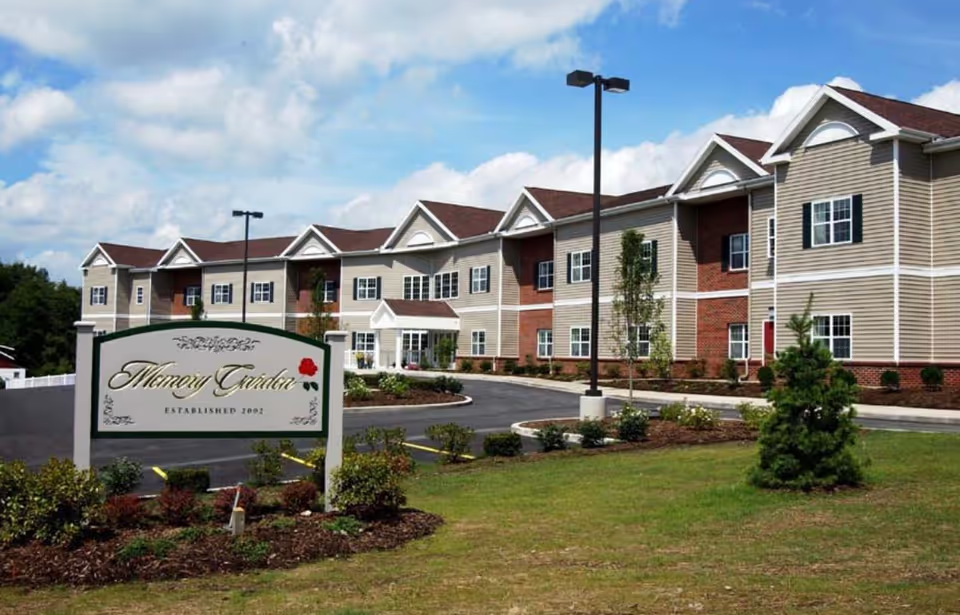
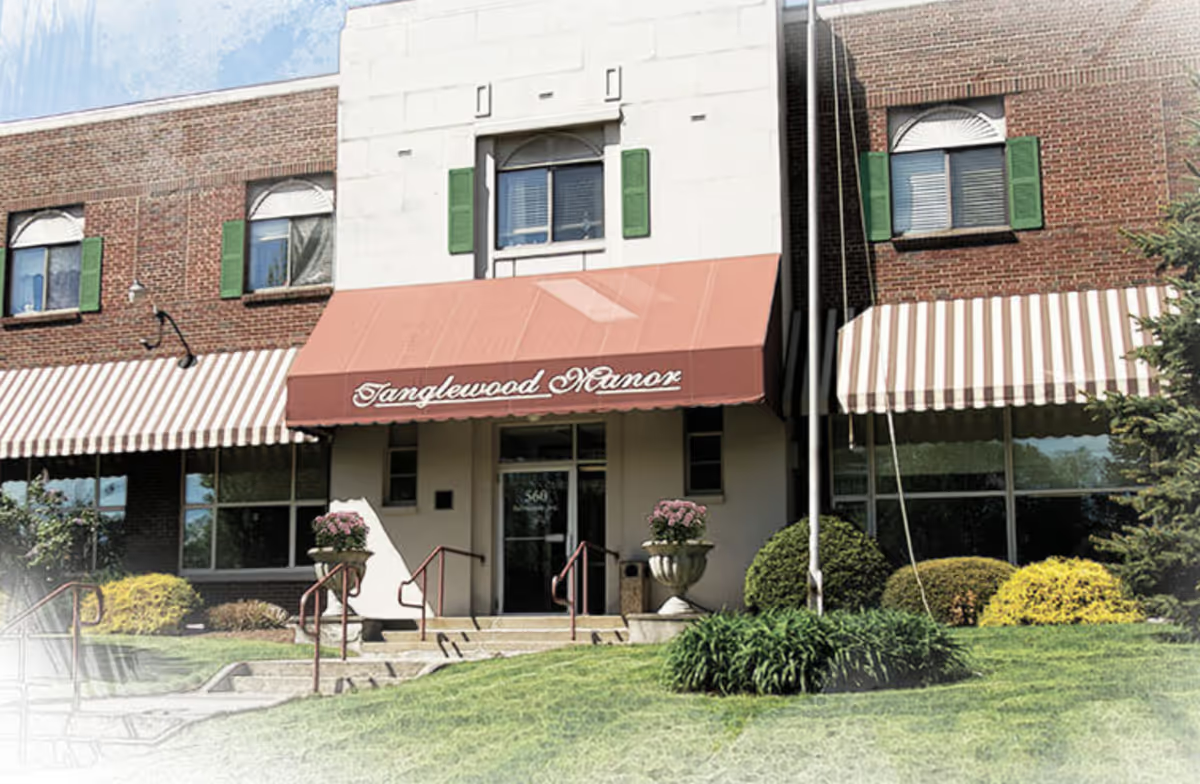
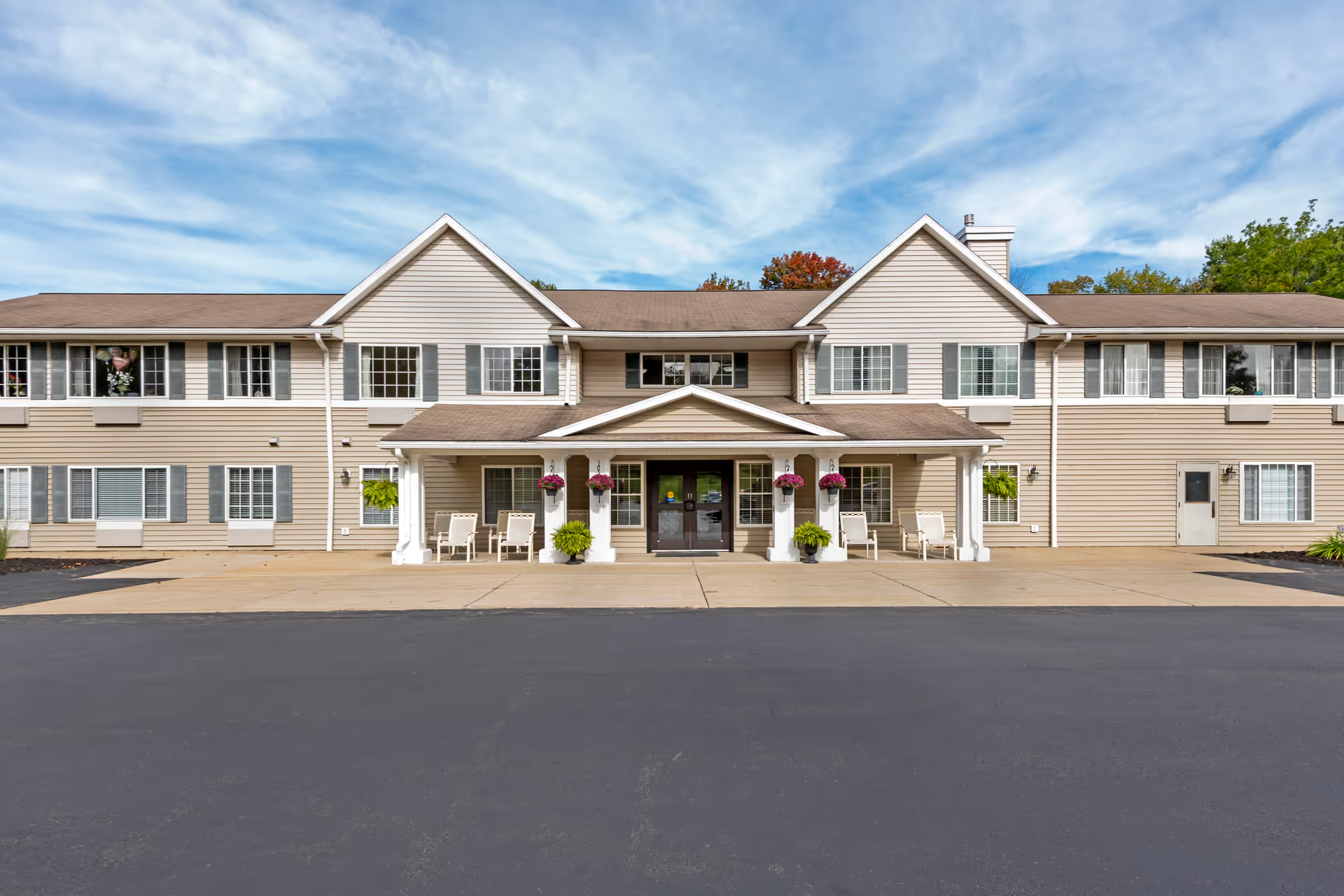
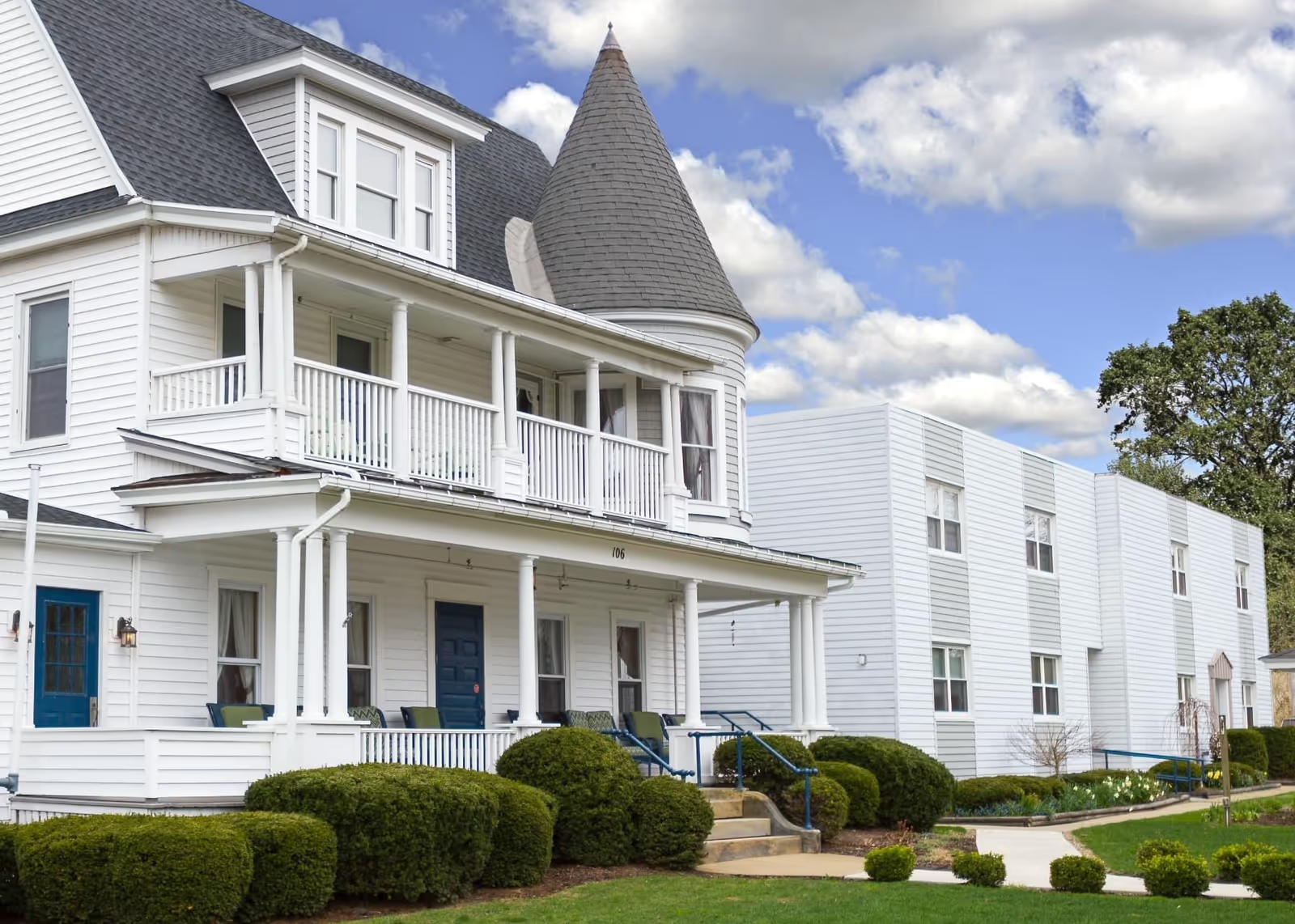
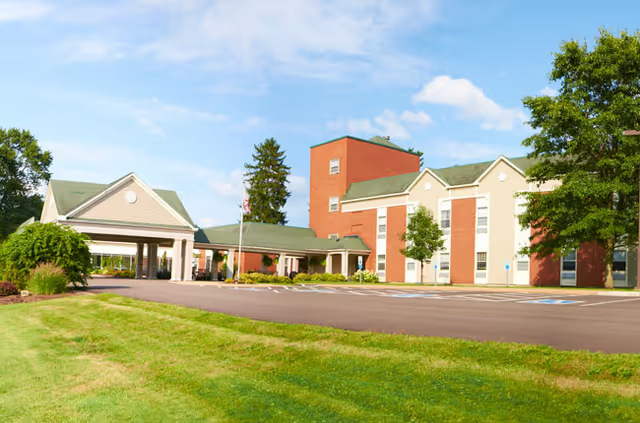
Overall impression: Review summaries portray Hultquist Place as a well-appointed, hospitality-oriented community with strengths in nursing organization, timely clinical routines, and a higher-end dining and physical environment. Multiple notes highlight a ‘‘luxury’’ feel: artful decor, bright and quiet private rooms, and technology in living spaces. The community appears to support mobility and safety through elevator access, wheelchair-accessible bathrooms with grab bars, and an integrated emergency-response system with floor sensors and contact panels.
Care quality and staff: Clinical routines are described as structured — medication administration and meal delivery are cited as punctual, and nurses are characterized as organized and respectful. Staff practices that reinforce resident privacy (knocking and identifying themselves before entering rooms) are specifically noted. Rehabilitation services are consistently described as strong, and staff assist with appointments and outings. These attributes suggest a facility that emphasizes routine clinical reliability and resident dignity in day-to-day care.
Dining: Dining is framed as a positive feature, with references to gourmet or upscale menu options and generally favorable responses to food. Timeliness of meal service is emphasized. Prospective residents should still inquire about menu variety and accommodations for individual dietary preferences during a tour to ensure consistent satisfaction.
Activities and social programming: The community offers an active events program and multiple activities, and spaces are described as conducive to engagement (artwork, communal areas). However, there are recurring notes about limited variety and repetition in activity programming. Families seeking robust, individualized activity plans or larger behavioral supports should assess the current calendar and how programming is adapted for different cognitive and functional levels.
Dementia care and specialized resources: A notable pattern across summaries is a perceived gap in dementia-focused training and in dementia-specific resources or programming. While basic care and safety measures appear reliable, reviewers indicate the facility may not have comprehensive specialized training or programs tailored to residents with significant cognitive impairment. Prospective residents and families should ask for details about staff dementia training, available therapeutic activities for cognitive needs, and how the community manages behavioral changes.
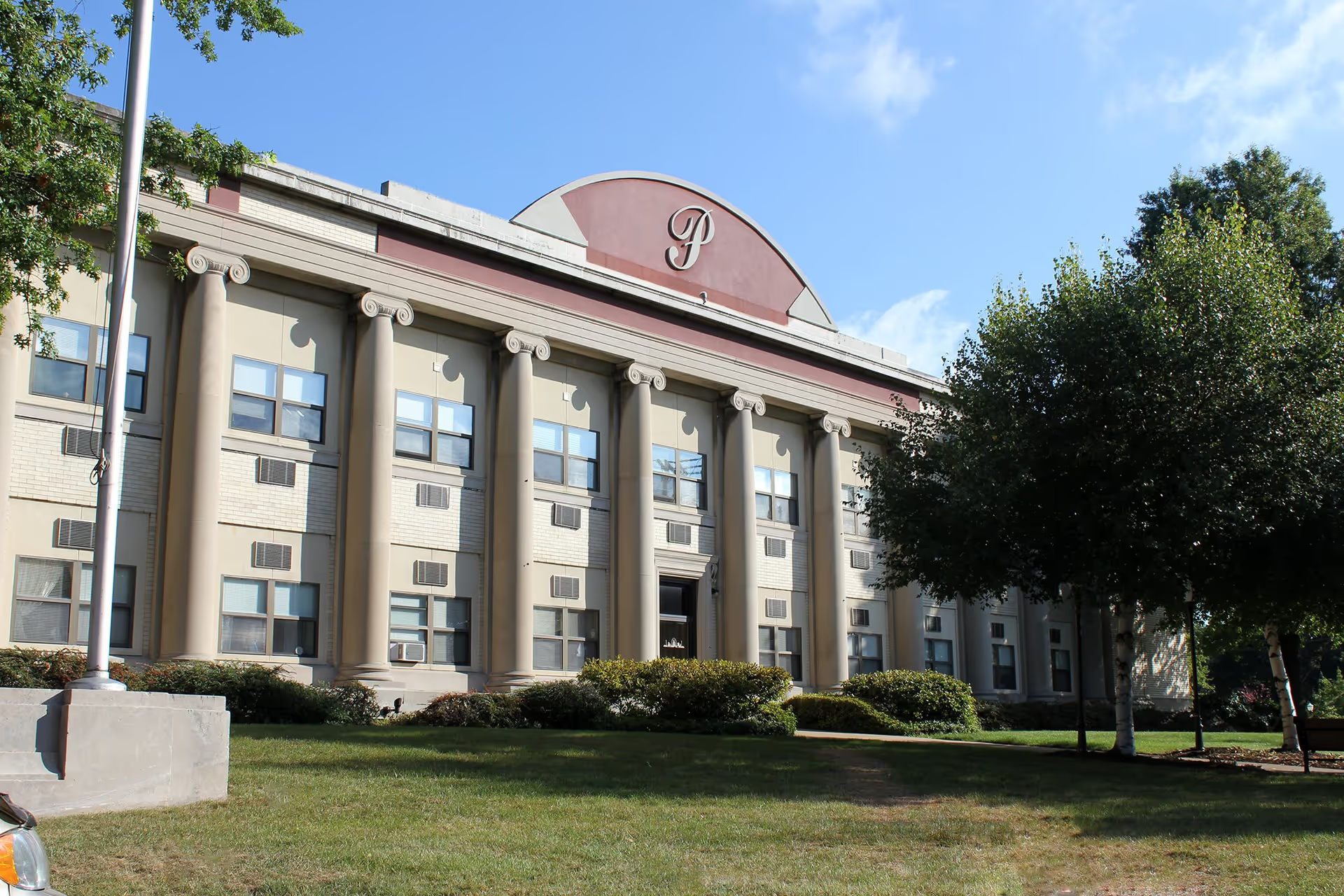
Facilities and policies: The physical environment is largely described positively—private rooms, quiet atmospheres, accessibility features, and a two-floor layout with elevator access. Pet policies appear to vary by unit type: some descriptions reference pet-friendly rooms, while others note that assisted-living programs restrict pets. This suggests the pet policy may differ between levels of care; families should confirm the policy that applies to the specific unit or care level being considered.
Management and notable patterns: Management appears to maintain consistent clinical routines and a hospitality-oriented atmosphere, but the summaries reveal opportunities for growth in specialized dementia care and in diversifying activity offerings. The combination of strong rehab services, organized nursing, and an upscale physical environment may suit residents needing routine assistance and rehabilitation, while families seeking intensive memory-care programming should verify available supports.
Questions to ask on tour: specific details on dementia-care staff training and staffing ratios; examples of dementia-specific programming and how activities are individualized; current activity calendar and how often programming changes; clarification of pet policies by unit or care level; and protocols for emergency response and rehabilitation plans. These targeted inquiries will help determine whether Hultquist Place’s strengths align with an individual resident’s clinical and social needs.