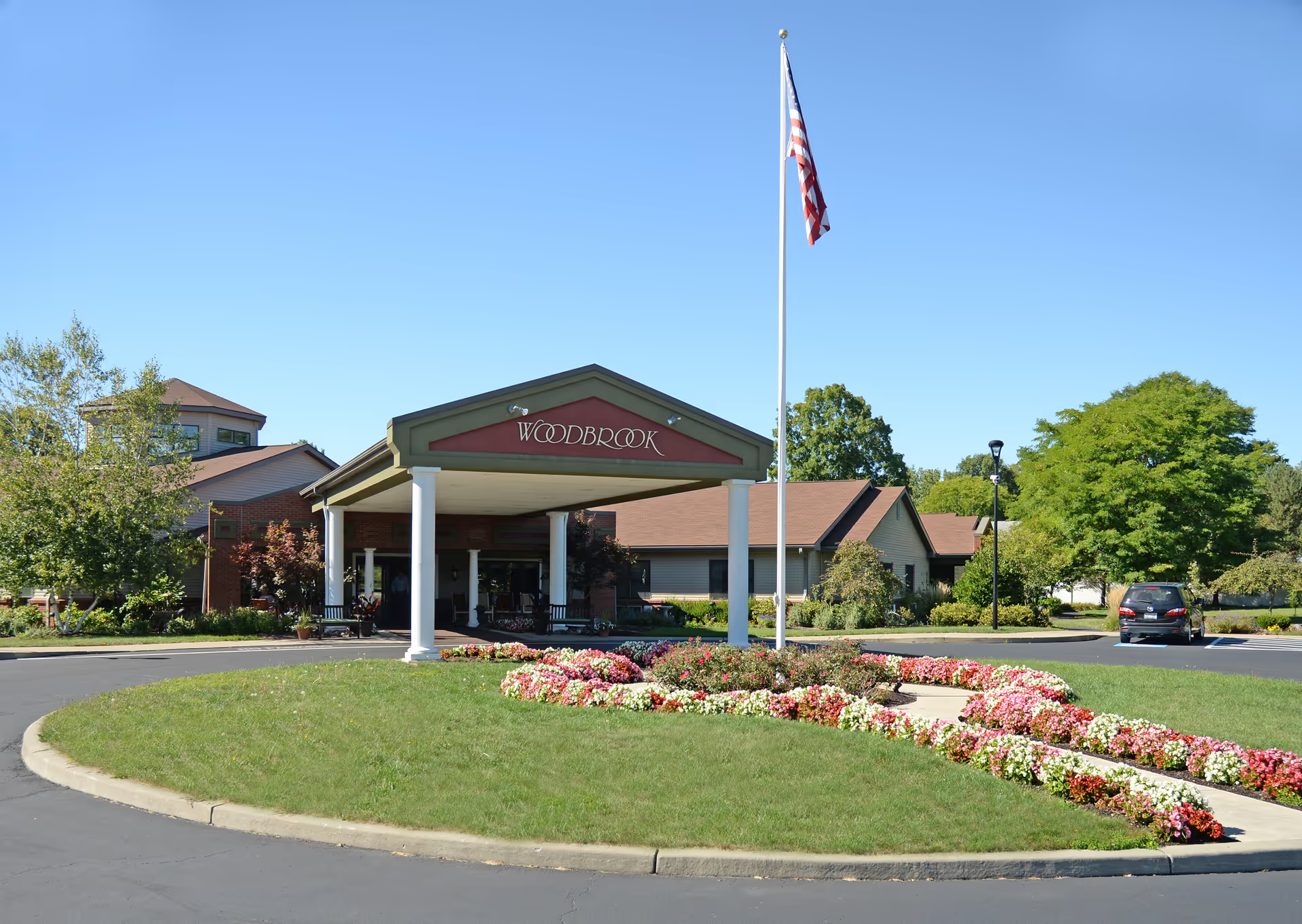
Reviews present a highly mixed picture of care at the facility, with clear strengths alongside repeated operational weaknesses. The strongest and most consistent positive pattern concerns rehabilitation services: physical and occupational therapy teams are frequently described as effective, and multiple families praised therapists and rehab staff for achieving functional progress. There are also repeated mentions of dedicated CNAs and licensed nurses who provide close, individualized care; in some units housekeeping and the overall environment are described as clean and well maintained, and the courtyard/outdoor areas are noted positively.
At the same time, a number of systemic concerns recur across reviews. Staffing level variability and chronic understaffing are a dominant theme, and are linked to slow response times to call bells, delays in toileting and bathing assistance, and limited supervision. These staffing constraints appear to contribute to inconsistent clinical monitoring and infection-control practices, and reviewers described situations that raised questions about timeliness of medication administration and coordination with pharmacy and physicians.
Dining and daily living services show a split pattern: some reviewers praised meals and dining support, while others described inconsistent meal quality, cold meals, and interruptions to meal-service continuity. Housekeeping and sanitation are similarly inconsistent — some units and shifts are described as clean and odor-free, while others were criticized for lapses in routine cleaning and maintenance. Laundry and property management problems (missing items, clothes not returned) were noted often enough to suggest weaknesses in inventory and personal-property controls.
Family‑staff communication and management responsiveness are additional areas of concern. Several reviewers described unresponsive administration, unclear billing and discharge practices, and difficulties obtaining timely information about care plans and transitions. There are also repeated descriptions of problematic staff conduct and communication tone; however, these are often juxtaposed with accounts of individual staff members and social workers who provided strong advocacy and support.
Notable patterns are the level of variability by unit and shift, and the polarization of experiences: some families describe high-quality, person-centered care and successful rehabilitative outcomes, while others describe significant operational breakdowns that affected basic services and clinical oversight. A small number of reviews raise serious concerns following resident deaths and infection-control events; these accounts underscore the importance of direct inquiry about clinical oversight, incident reporting, and end-of-life protocols when assessing the facility.
For prospective residents and families: consider scheduling an extended tour that includes observation of mealtime, medication administration processes, and staffing during shift changes; ask about current staffing ratios, infection-control policies, laundry/property procedures, discharge coordination practices, and how grievances are escalated. Request recent inspection or deficiency information and speak with the rehab team about expected outcomes and timelines. Those steps can help clarify whether the facility's strong rehabilitation capabilities and identified positive staff members align with your expectations for consistent day-to-day care and oversight.