Care Center at Sunset Lake presents a mixed but instructive profile for prospective residents and families. Many accounts describe a clean, odor-free facility with a pleasant lake-view setting and well-maintained common areas. Meals and the activities program (including bingo, library access and group spaces) are frequently described positively. Therapy services are often singled out for being personalized and effective, and several families highlight strong infection-control practices and timely clinical communication when clinicians are engaged.
Care quality descriptions vary. Positive narratives emphasize attentive nursing, compassionate caregiving, and effective therapy that led to measurable progress and comfortable stays. Conversely, other narratives raise operational concerns that affect clinical reliability: inconsistent staff competency, delays in medical response and escalation, and gaps in wound and skin-care management. These are operational patterns rather than isolated impressions and suggest that clinical oversight and escalation protocols may be uneven across shifts or units.
Staffing and conduct are a notable area of divergence. Many reviewers praise kind, professional caregivers and responsive nurses and therapists, and some credit management for improvements after concerns were raised. At the same time, critiques point to insufficient staffing at times, variable professionalism, and instances where staff communication or tone caused family concern. Those patterns suggest variability in staff training, supervision, or shift coverage rather than uniform facility-wide practice.
Dining and activities are consistent strengths. Meals are regularly described as high quality, and the activities program provides engagement options that families and residents appreciate. Therapy services, including physical therapy, receive repeated positive mention for being personalized and supportive of rehabilitation goals.
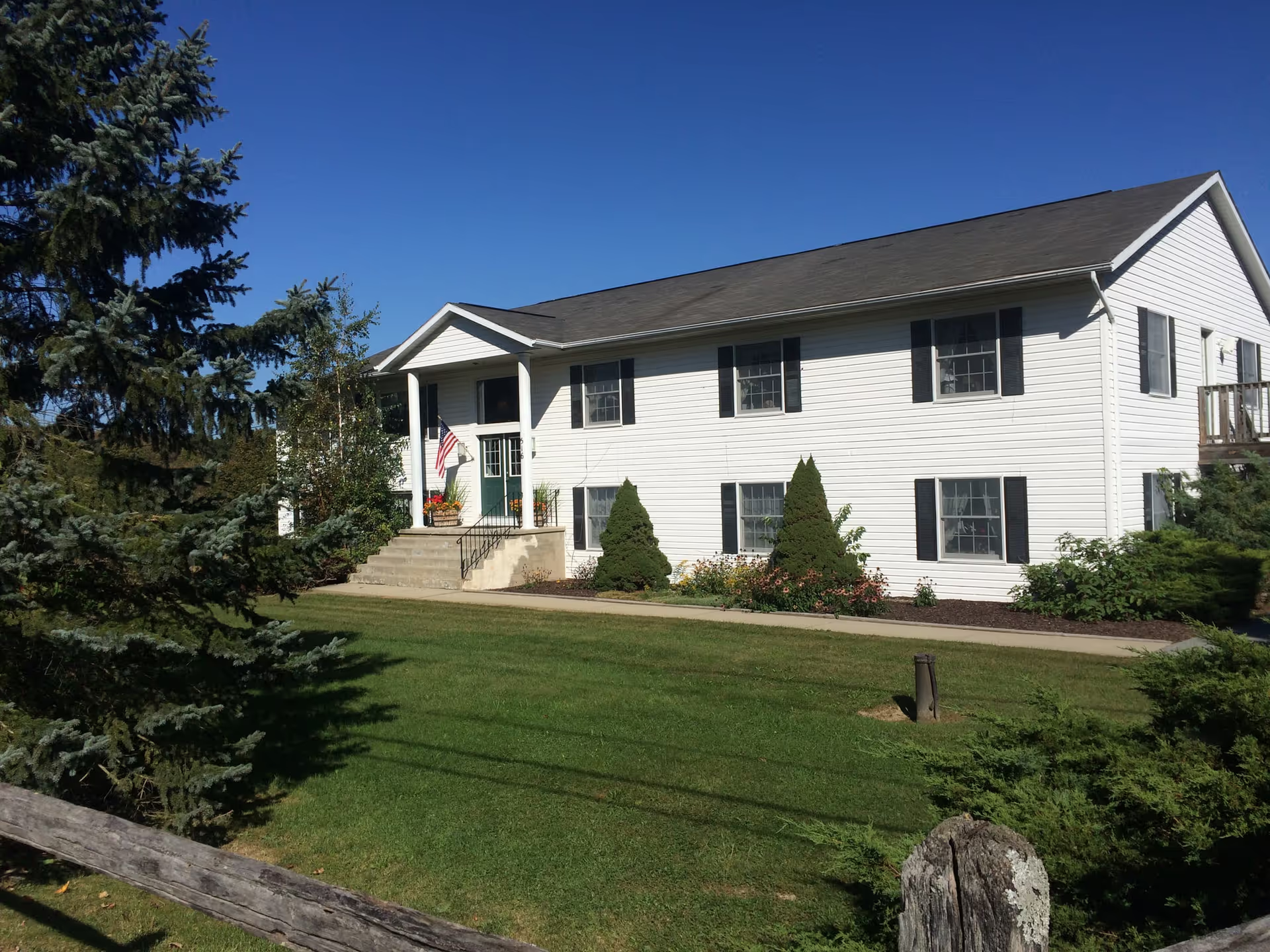
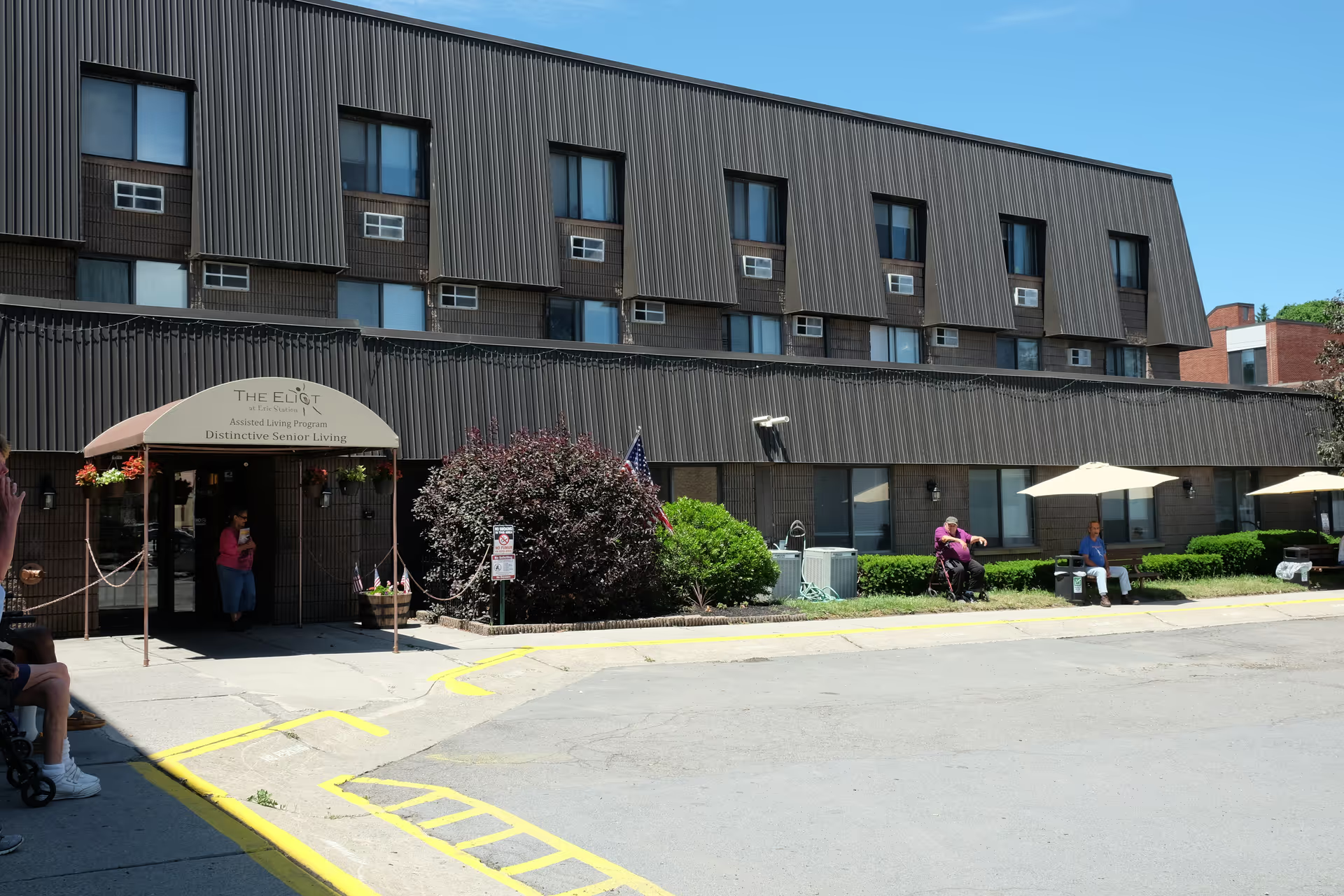
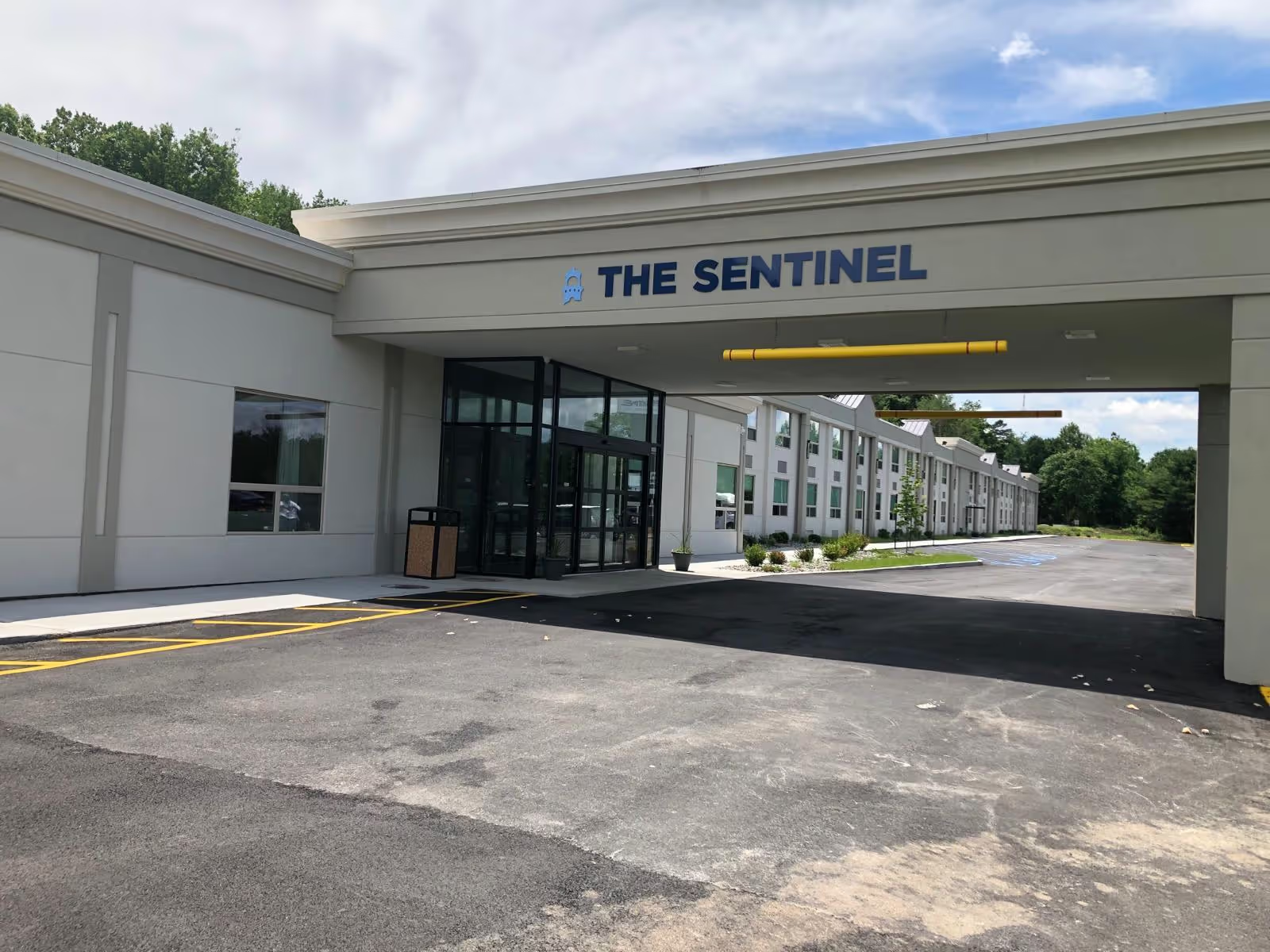
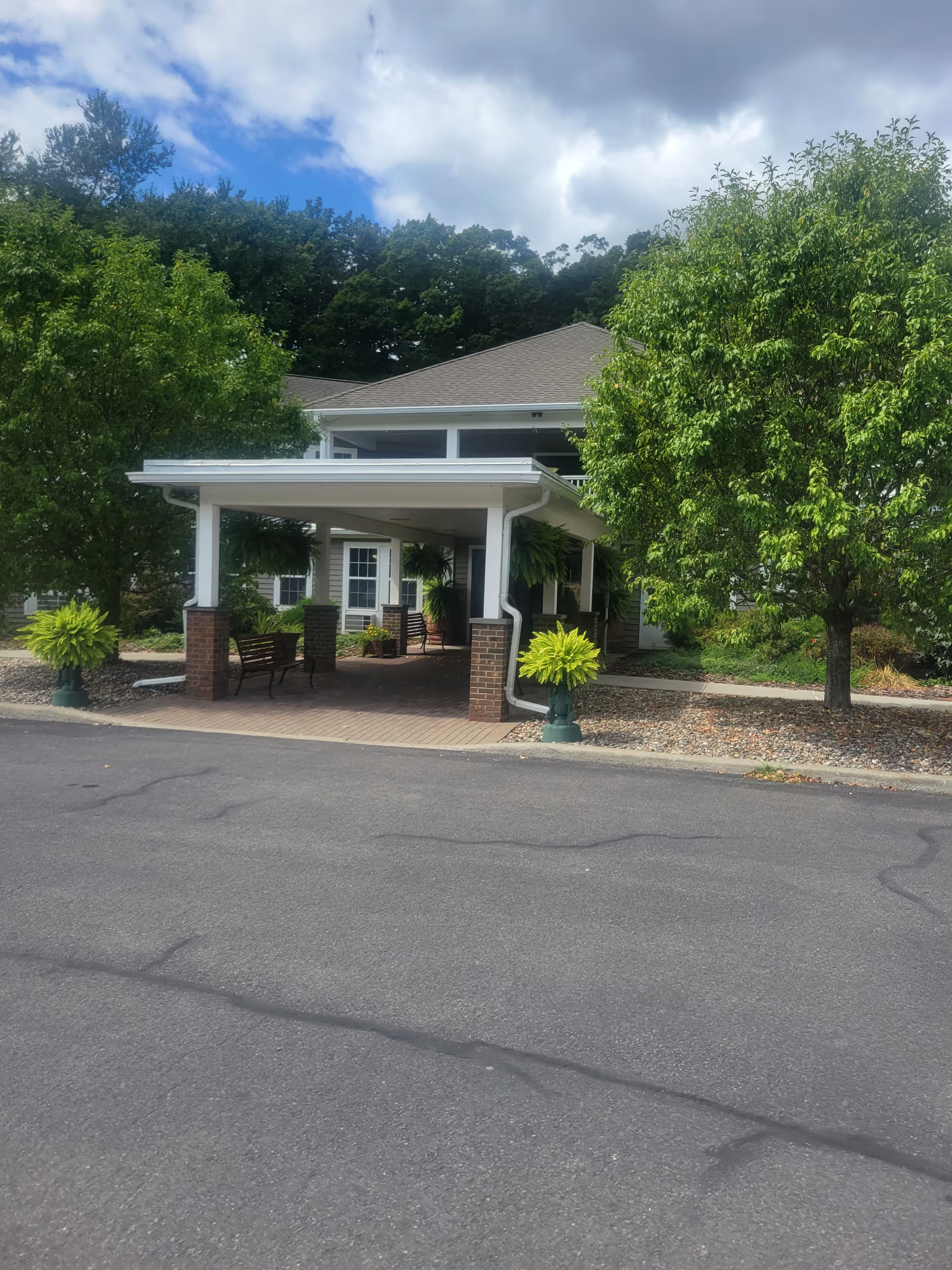
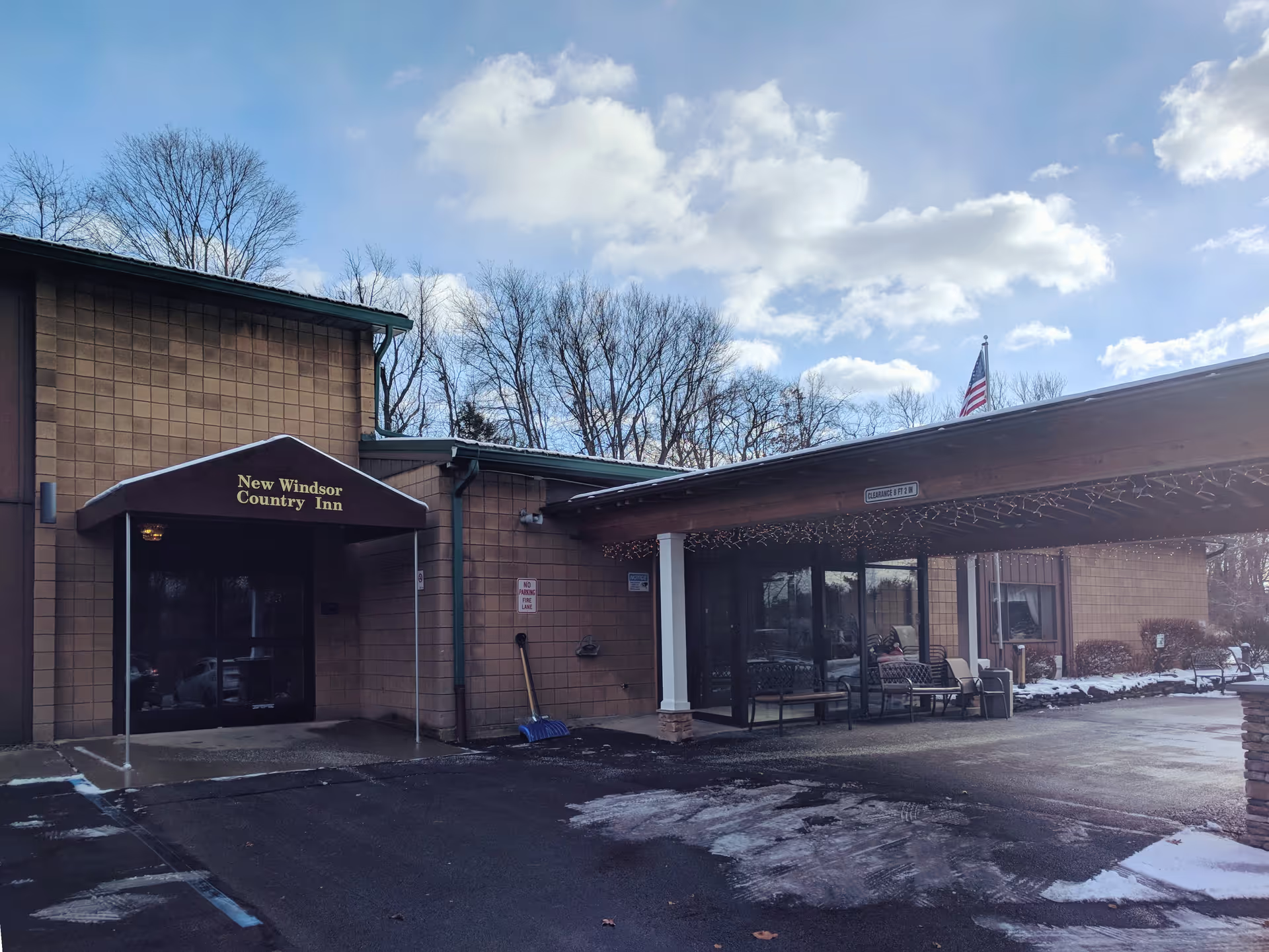
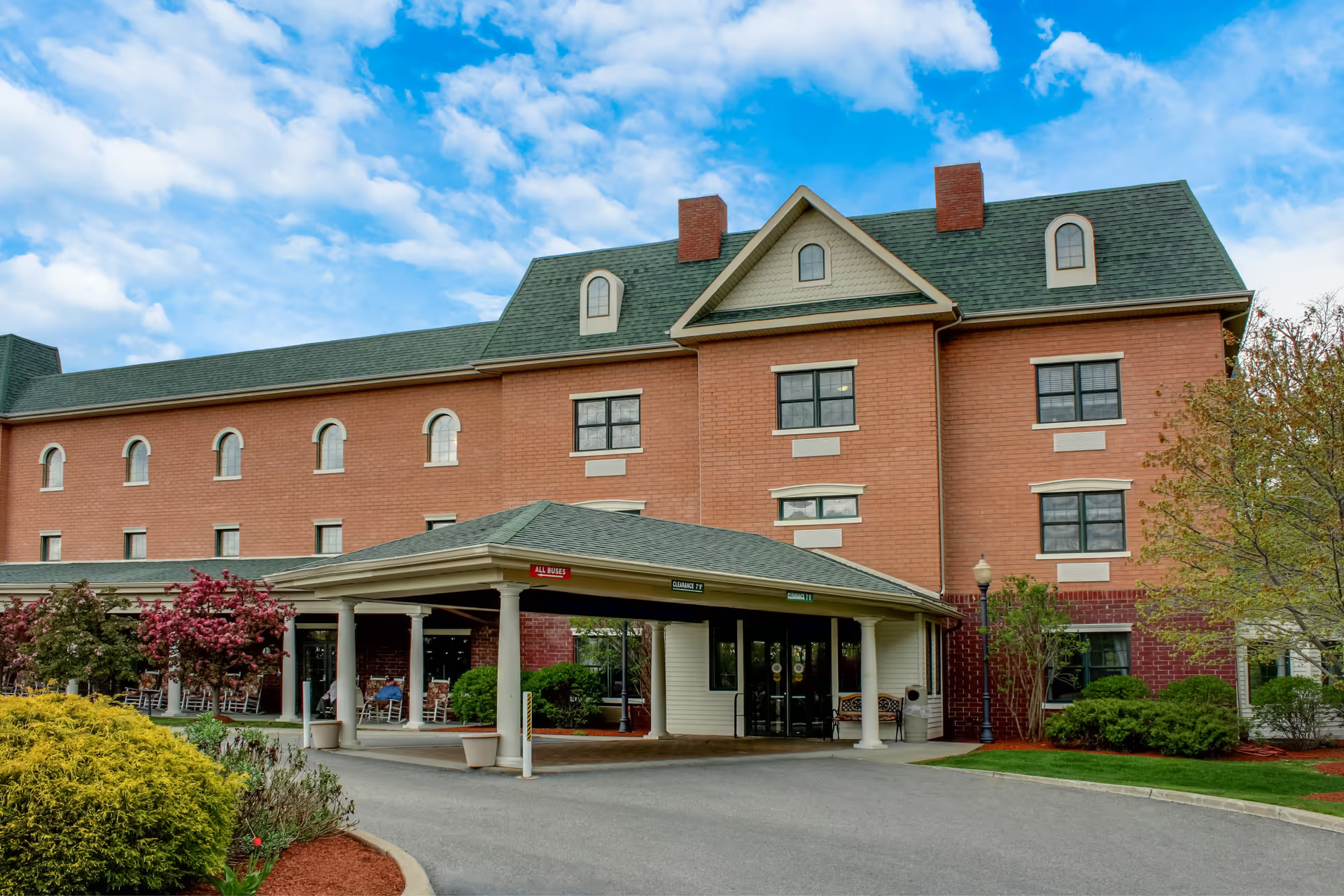
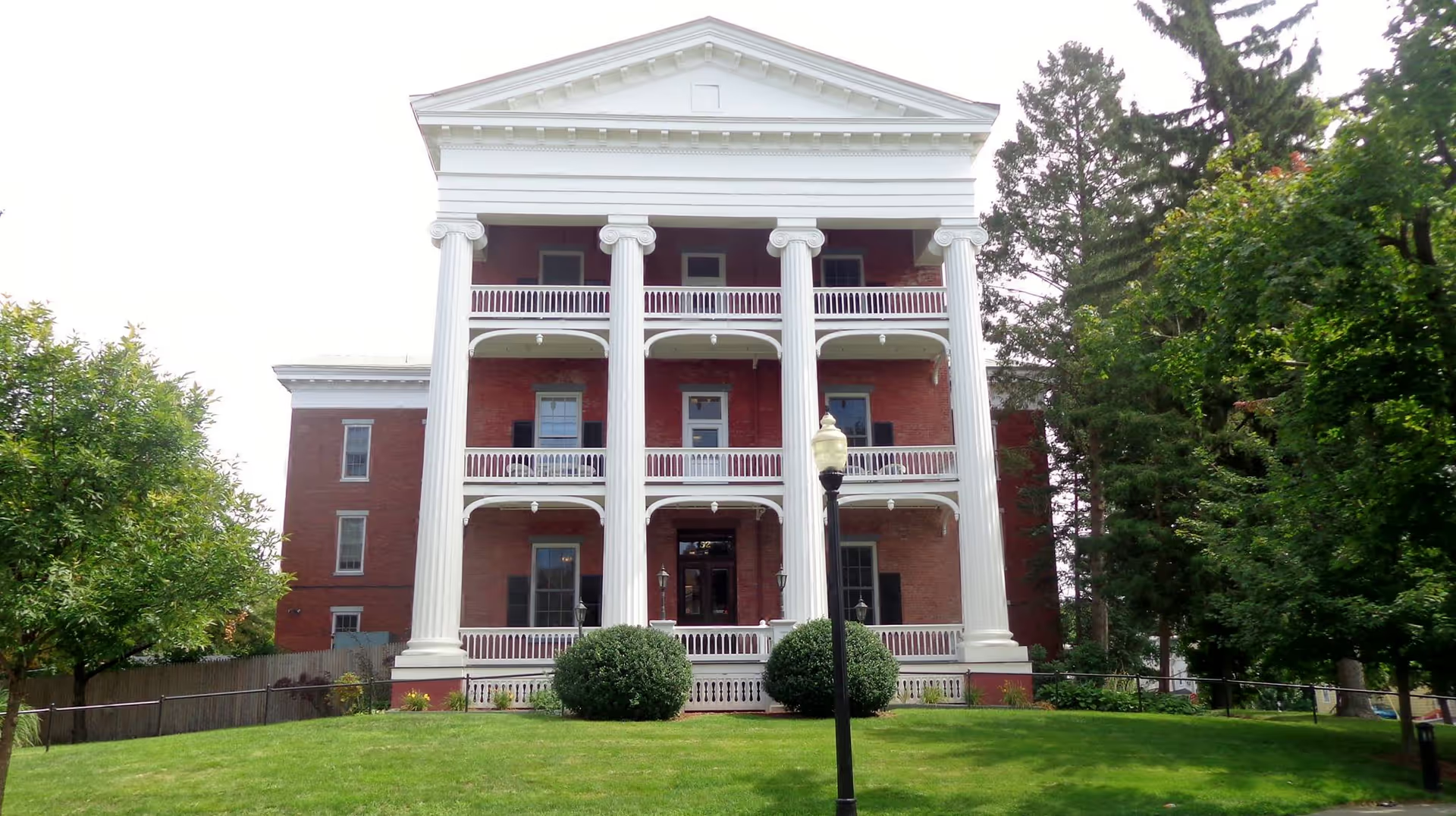
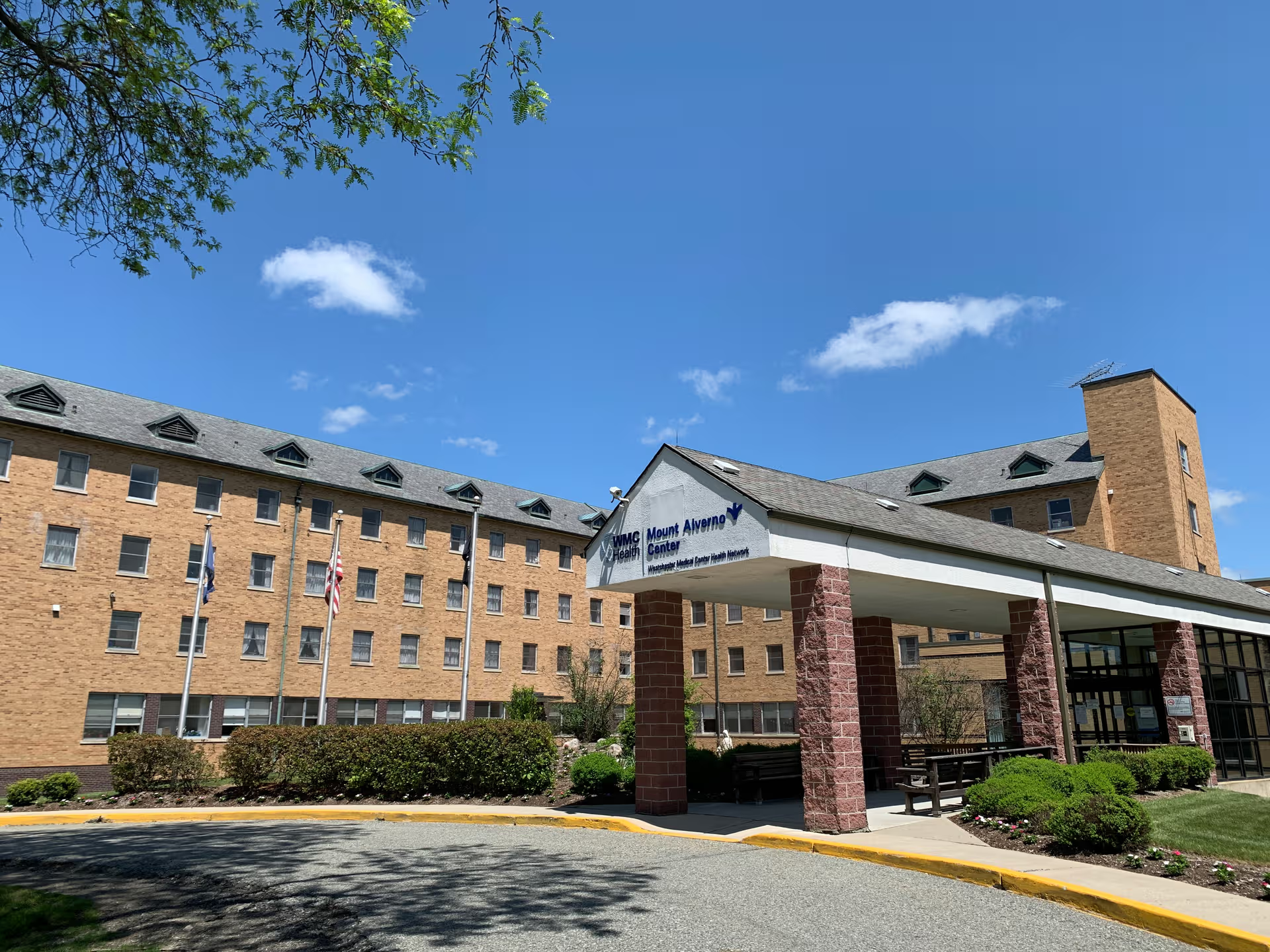
Facilities themselves tend to be seen positively for cleanliness and a homelike feel, with shared living spaces and kitchenettes that appeal to families seeking a less institutional atmosphere. The building is described as older, which may account for mixed impressions about layout and room style (including dormitory-style rooms), but overall upkeep and common-area maintenance are frequently commended.
Management and communication show both strengths and weaknesses. Several families highlight proactive medical communication and regular progress updates, while others describe slow or inconsistent responses when raising safety or clinical concerns. Pricing is perceived as premium by some families, particularly when service consistency is questioned. A recurring operational theme is the potential mismatch between resident acuity and placement; families should verify that the facility’s current staffing and clinical capabilities align with the specific care needs of their loved one.
Taken together, the pattern of reviews suggests that many residents receive respectful, effective care in a clean, activity-rich environment, but there is variability in clinical reliability and staff consistency. Prospective families should tour the facility, ask about current staffing ratios and wound-care protocols, review recent incident-response policies, and request examples of how management has addressed clinical escalations. Those steps can help determine whether the facility’s strengths align with an individual resident’s clinical needs and expectations.