The reviews for Massena Rehabilitation and Nursing Center present a mixed but repeated pattern: several families praise individual caregivers, therapy services, and the activities and social-work teams, while also describing persistent operational challenges. Strengths most consistently mentioned include an active activities program that welcomes family input, capable physical and occupational therapy with condition-specific exercise plans, and a social-work staff that provides personalized support. Multiple comments highlight particular aides and nurses who demonstrate strong communication, responsiveness, and compassionate care; these individuals are seen as key contributors to resident well-being.
At the clinical-operational level, staffing is the most prominent concern. Reviews indicate chronic understaffing and inconsistent coverage across shifts, which correspond with delayed responses to call bells and extended wait times for basic assistance. These workforce shortfalls are linked to training gaps among some aides, inconsistent caregiving practices, and episodes where clinical needs may not have been promptly addressed. There are also reports pointing to gaps in medication administration procedures and difficulties reaching on-call physicians during urgent situations, which families describe as a serious area for improvement.
Administrative and logistical issues are another recurrent theme. Families report confusion and disputes around billing and account statements, occasional discrepancies between receipts and emailed communications, and an apparent preference for autopay that some perceive as inflexible. Management communication is also cited as inconsistent: phone calls sometimes go unanswered, and incident reporting and family notification processes are described as delayed. Personal-property management is an operational weakness—accounts of missing clothing, confiscation of electrical items without clear notice, and unclear laundry policies suggest that inventory and documentation procedures would benefit from strengthening.
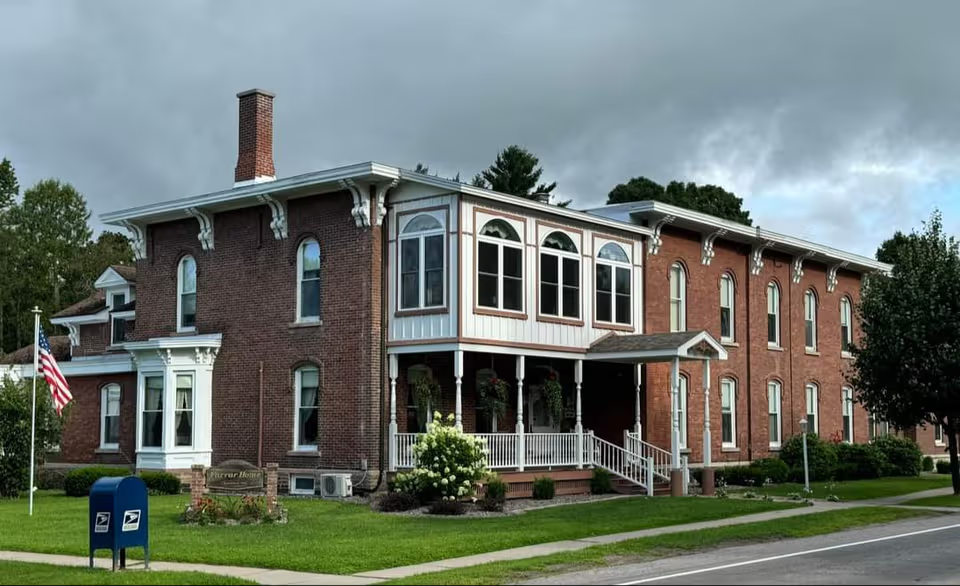
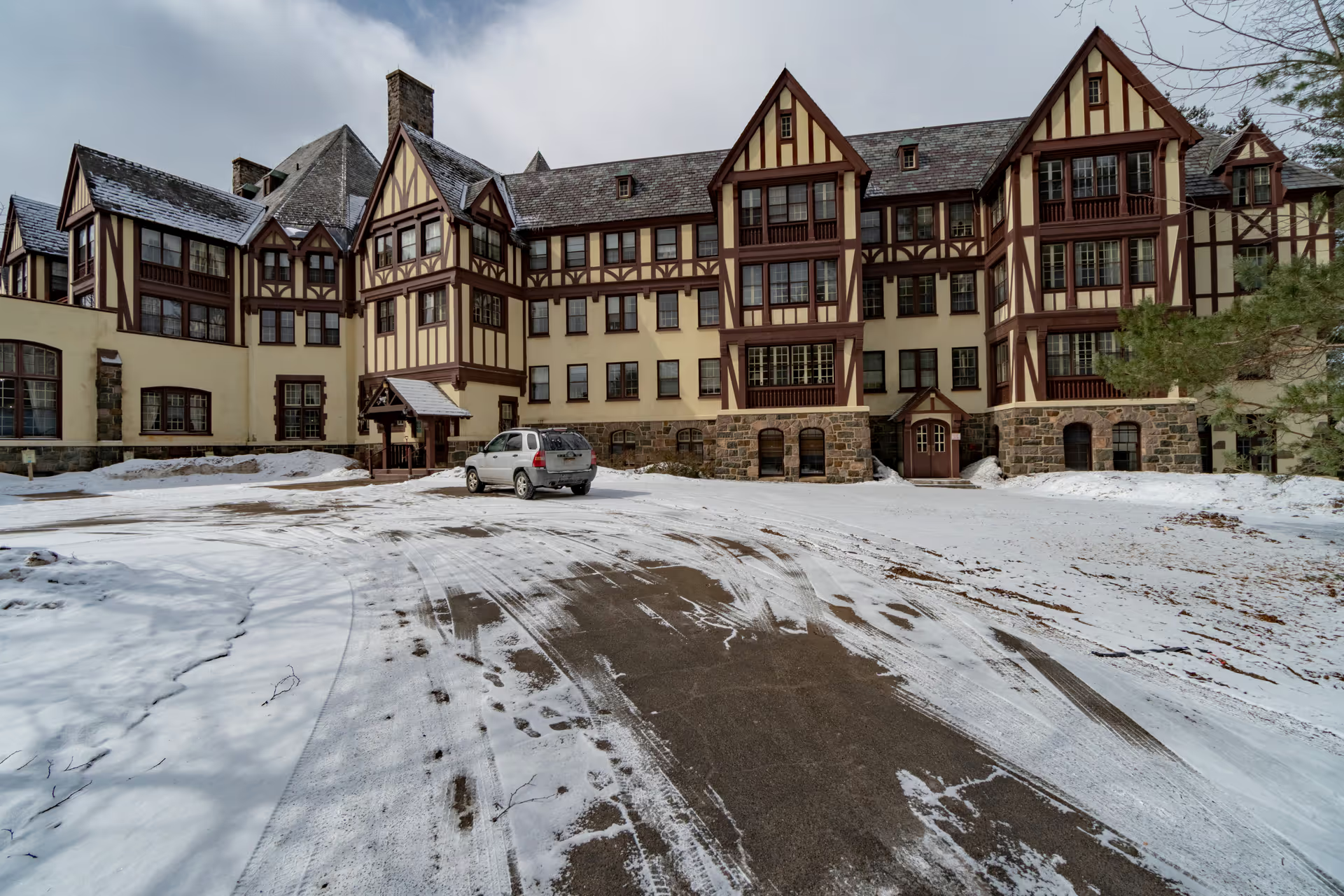
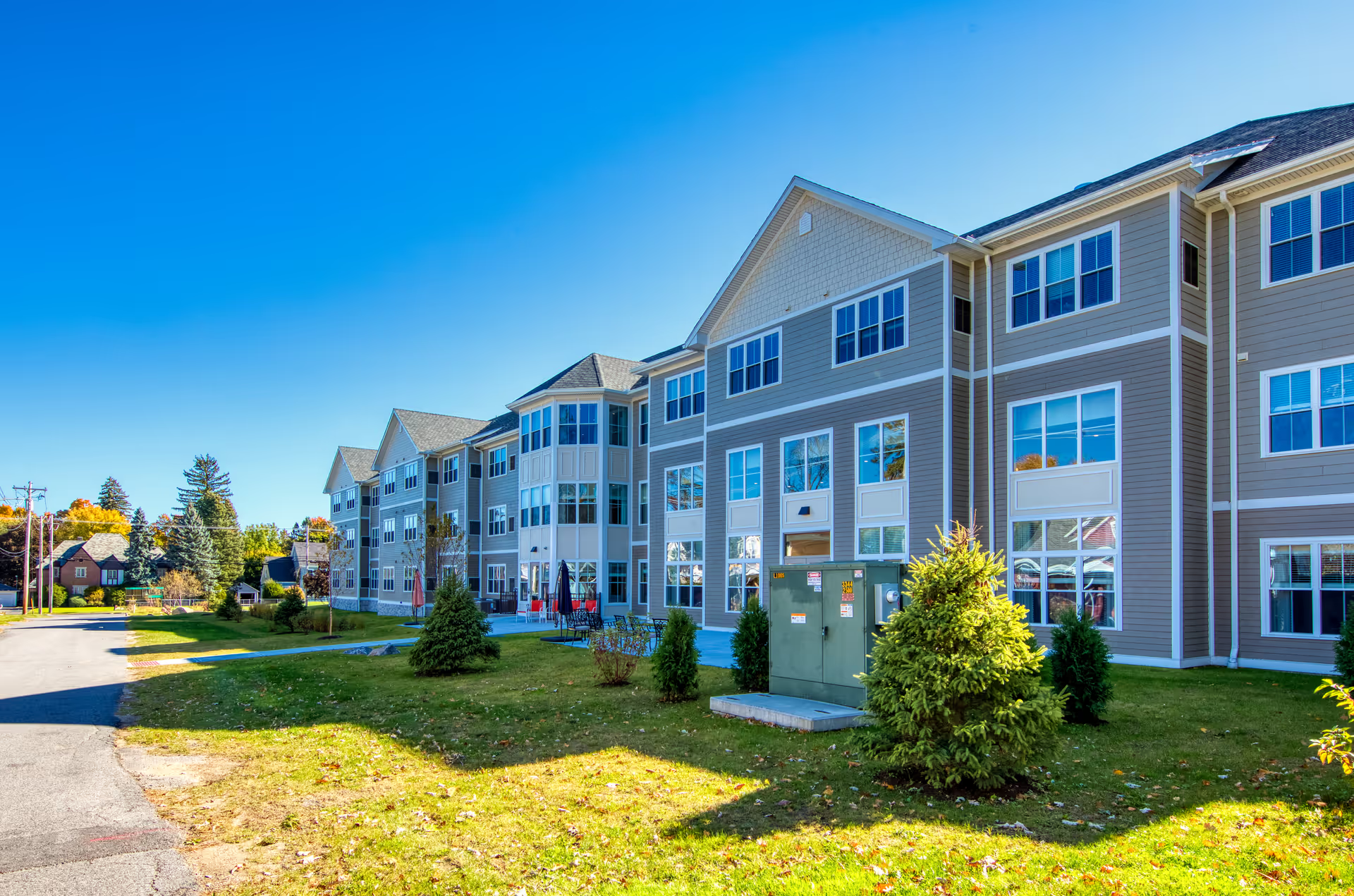
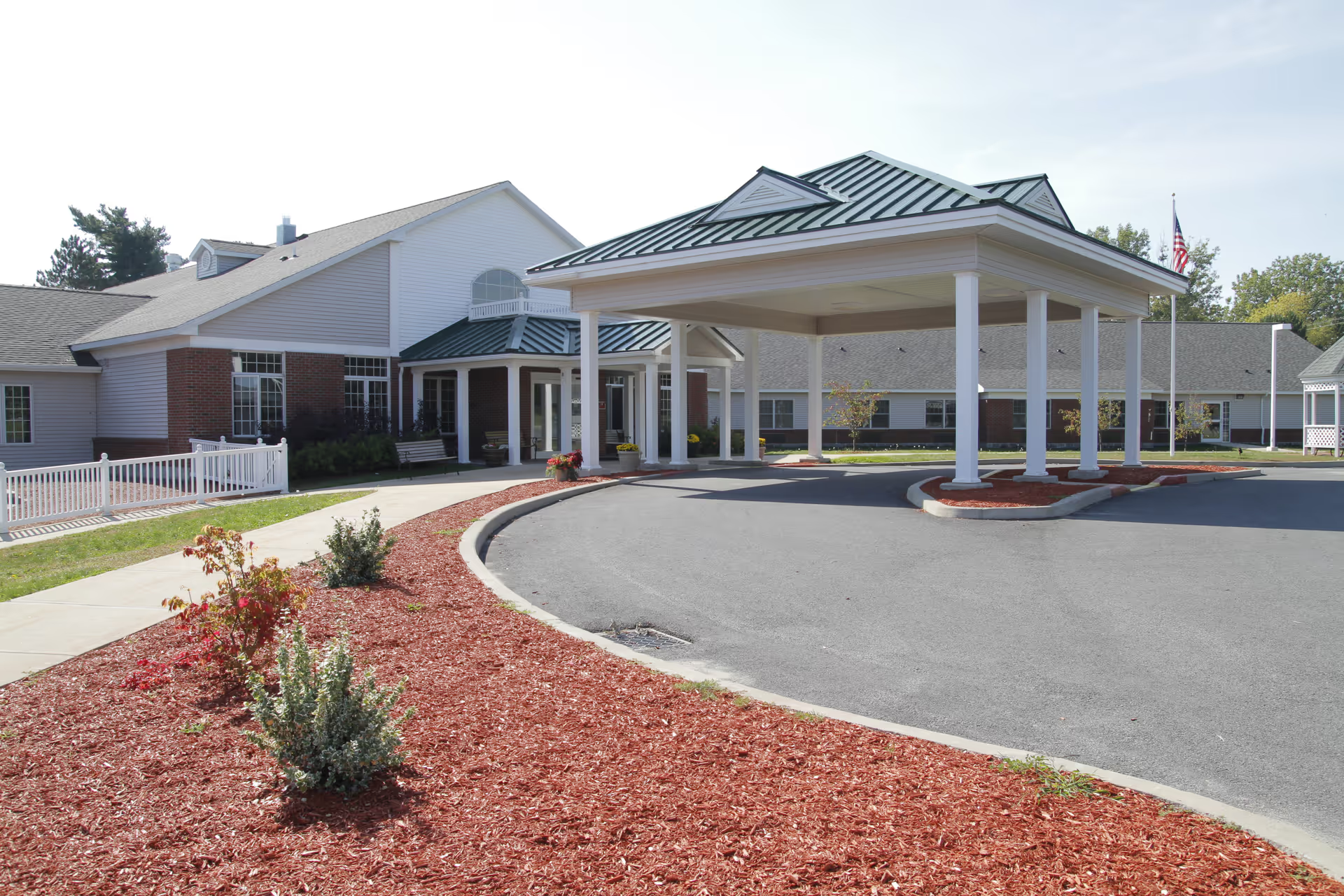
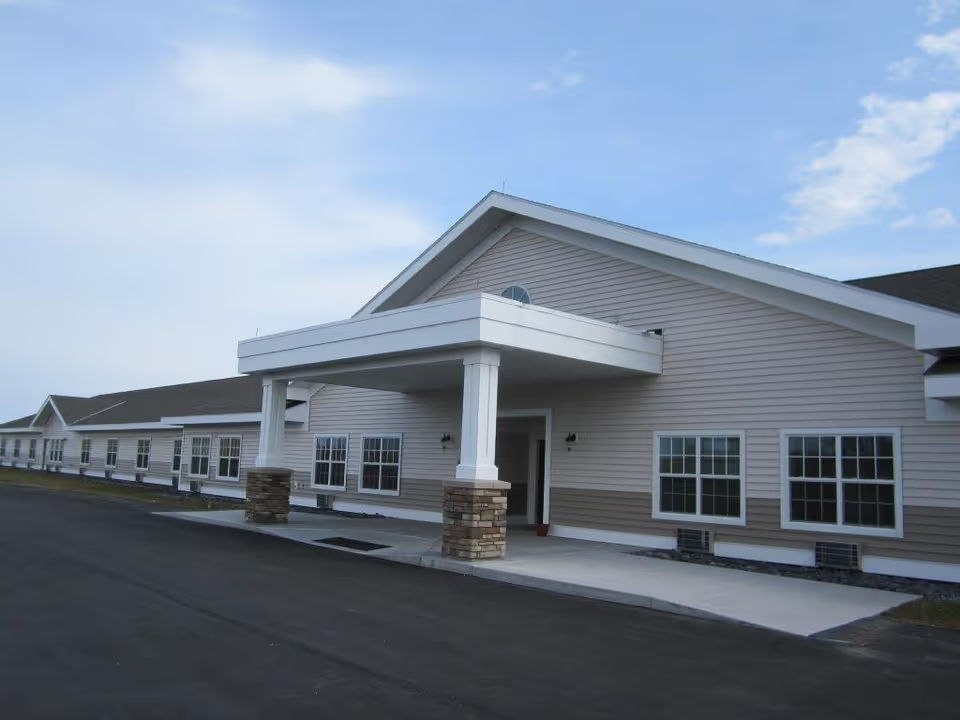
Dining and facilities show a split picture. The facility is praised for a bright, family-friendly dining atrium and for providing social opportunities such as grandchild visits. However, meal quality, variety, and service consistency are described as uneven; reviewers mention rushed meal service and limited choices. Facility maintenance and cleanliness receive mixed feedback: while some areas and staff are noted as clean and pleasant, others describe sanitation concerns, broken fixtures, and a need for building repairs and a more welcoming reception area. Access policies (locked front doors) and phone outages were also raised as practical concerns affecting families and visitors.
Activities and social engagement are clear positives. The activities team is credited with creating new, interesting events and supporting residents’ social-emotional needs; these programs contribute meaningfully to residents’ quality of life. Rehabilitation and therapy services are another consistent strength, with many families reporting attentive, patient, and efficient therapists.
For prospective residents and families, the pattern suggests that outcomes are influenced heavily by staffing levels and specific personnel: some staff provide excellent, compassionate care and strong family communication, while systemic issues—staffing shortages, administrative inconsistencies, and facility maintenance gaps—create variability in the daily experience. When evaluating the facility, consider asking about current staffing ratios, call-bell response metrics, medication and on-call physician procedures, belongings/inventory policies, billing practices and documentation, weekend coverage, and recent maintenance plans. These targeted inquiries can help clarify how the facility is addressing the operational weaknesses that recur in family feedback.