Reviewer feedback for this facility is mixed, with distinct strengths in day-to-day caregiving, activities, and certain clinical services, alongside recurring operational concerns. Many families praised individual staff members for compassion, personalization, and continuity of care: aides and some nurses were described as kind, attentive, and able to build rapport (greeting residents by name, accommodating slow diners, and providing reassuring updates). Physical therapy and rehabilitation services received positive mentions, and activity and wellness programming (including engaging offerings and social events) were cited as meaningful contributors to residents' quality of life.
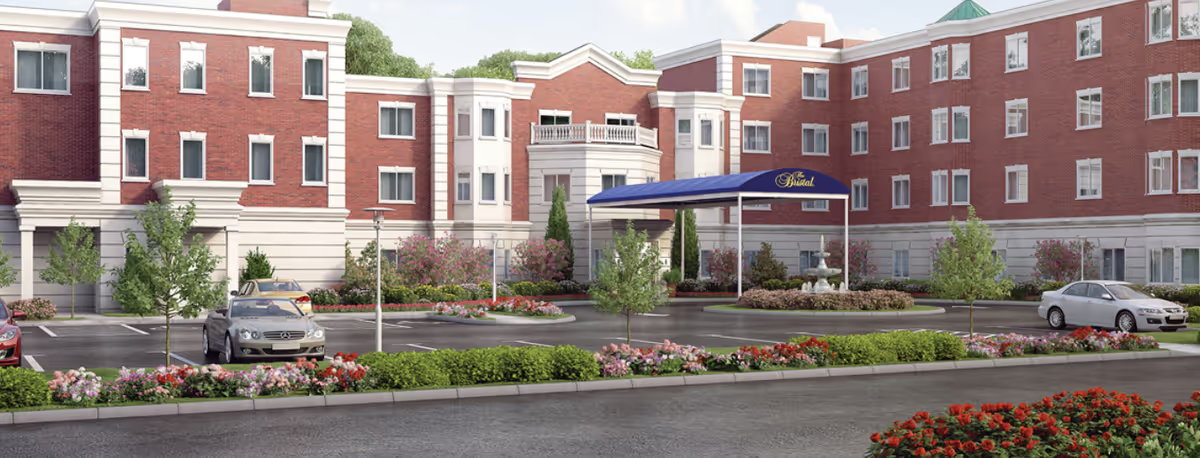
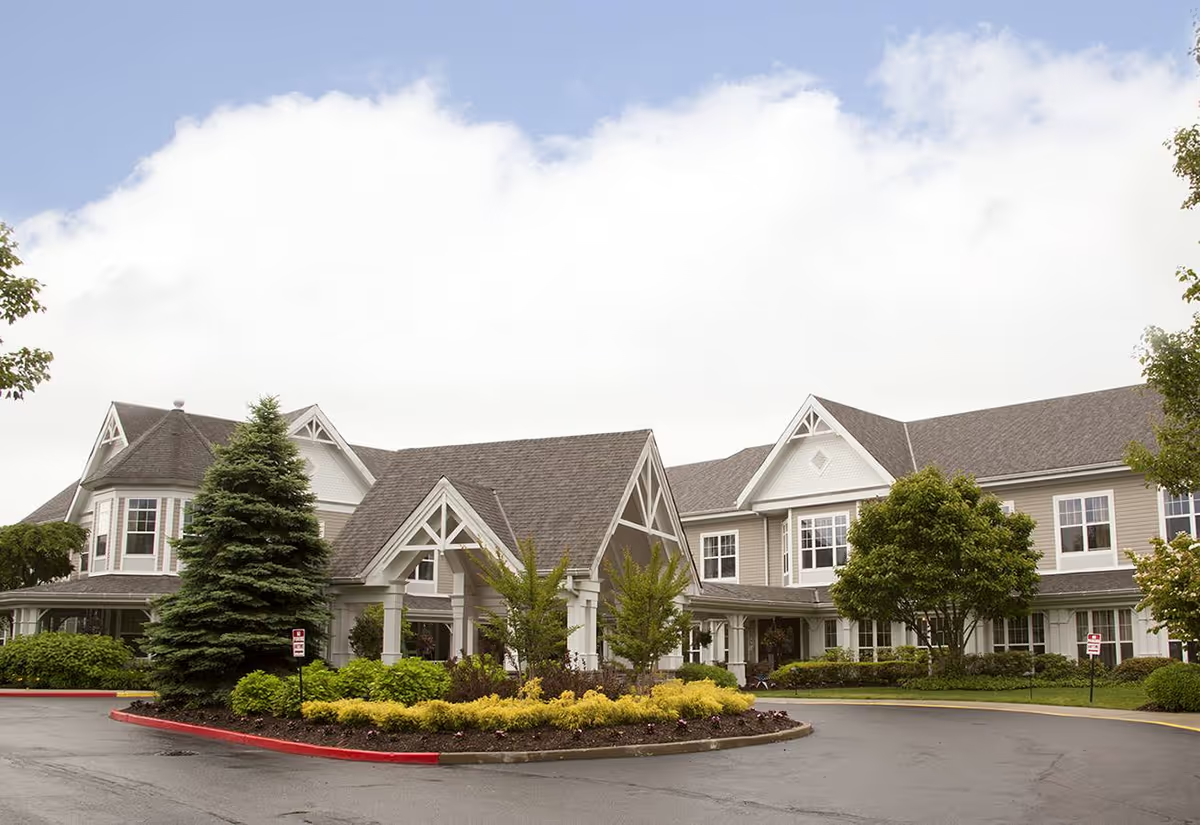
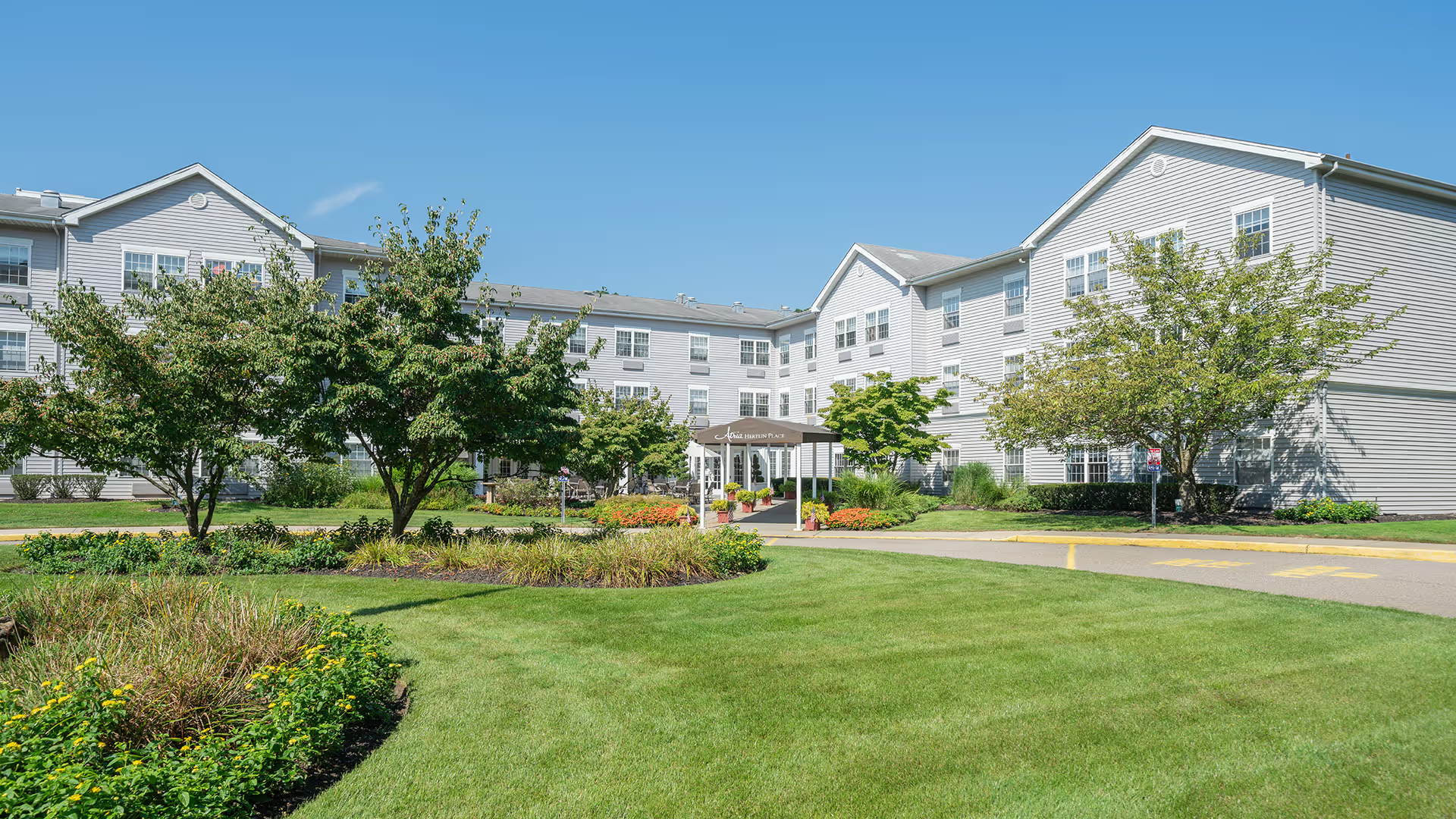
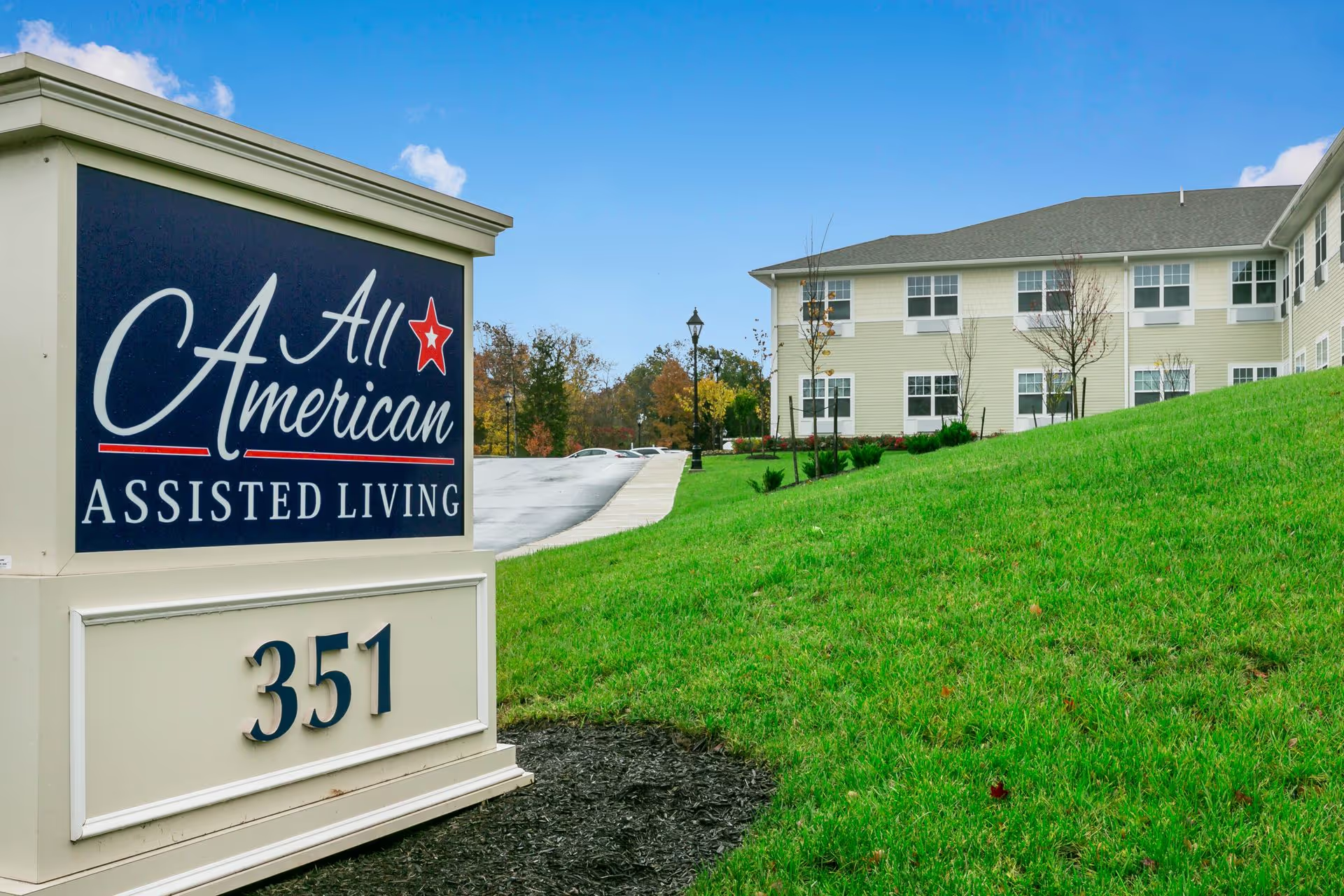
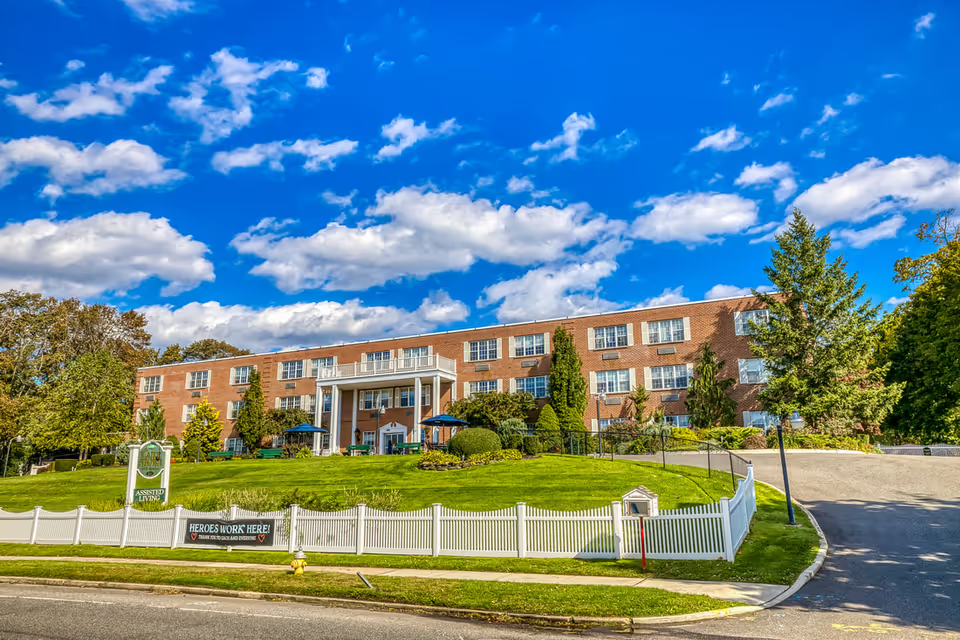
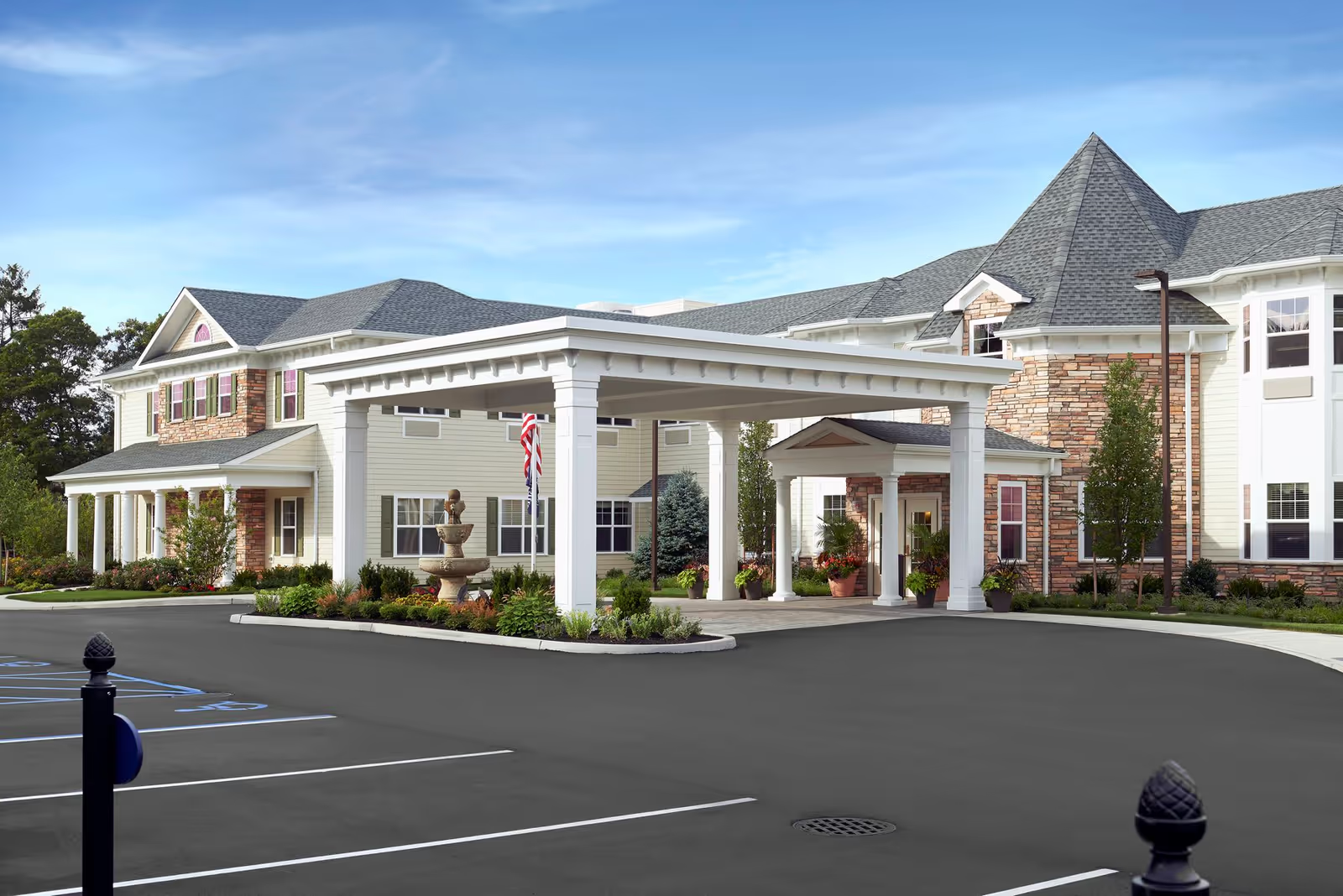
Dining and nutrition are frequently highlighted as strengths when individualized attention is provided; reviewers described dietary accommodations, pleasant meal experiences, and staff who monitored intake. The facility's grounds and many common areas are noted as clean and updated, and several families appreciated the admissions and transition process when it was supportive. The presence of a Medicaid-accepted assisted-living option was specifically mentioned as improving affordability for some families.
At the same time, comments identify several operational weaknesses that prospective families should evaluate carefully. Communication and notification processes appear inconsistent: families described delays or failures in being informed about hospital transfers and clinical changes. Relatedly, response times to call systems and resident requests were cited as a repeated concern, creating anxiety about timeliness of care. There are also sanitation- and incontinence-care management gaps reported by some families, which overlap with criticisms of housekeeping and laundry follow-through in certain units. Maintenance responsiveness and pest-control concerns were raised in a minority of accounts.
Clinical oversight and incident follow-up were areas of particular concern for some reviewers. A subset described unsatisfactory medical follow-up after illness or hospitalization and questioned nursing leadership responsiveness. Several families expressed that the community may not be well suited for residents with advanced memory impairment, citing exclusion from activities and challenges in accommodating higher-acuity dementia care needs.
Other operational patterns include disagreement over communication technology choices: the removal of traditional landlines in favor of digital systems created accessibility and fairness issues for residents and families who rely on non-digital contact methods. There are also occasional reports of inconsistent management responsiveness from social services or administration, and some families weighed cost against perceived value.
Overall, experiences range from highly positive (noting compassionate staff, clean areas, strong therapy and activities, and supportive transitions) to significant concern (centered on communication failures, responsiveness, sanitation management, and suitability for complex memory care). Prospective residents and families should arrange an in-person visit focused on call-response times, communication protocols for clinical events, staffing levels and turnover, memory-care programming, observable cleanliness in private rooms and common areas, and the facility's current approach to resident communication options (landline vs. digital). Asking for recent inspection or quality reports and speaking with current families can help clarify whether the operational concerns identified here are isolated or persistent.