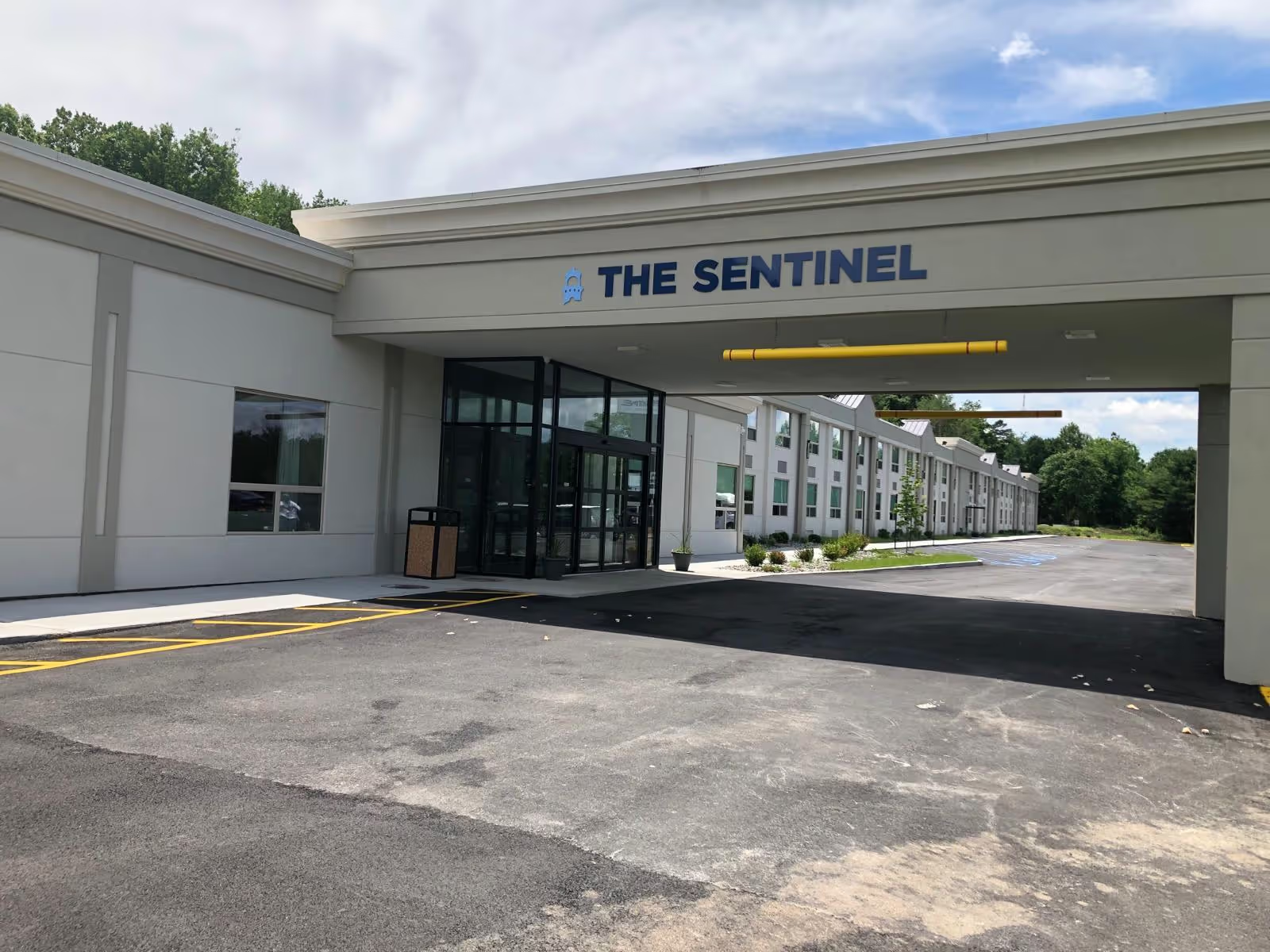
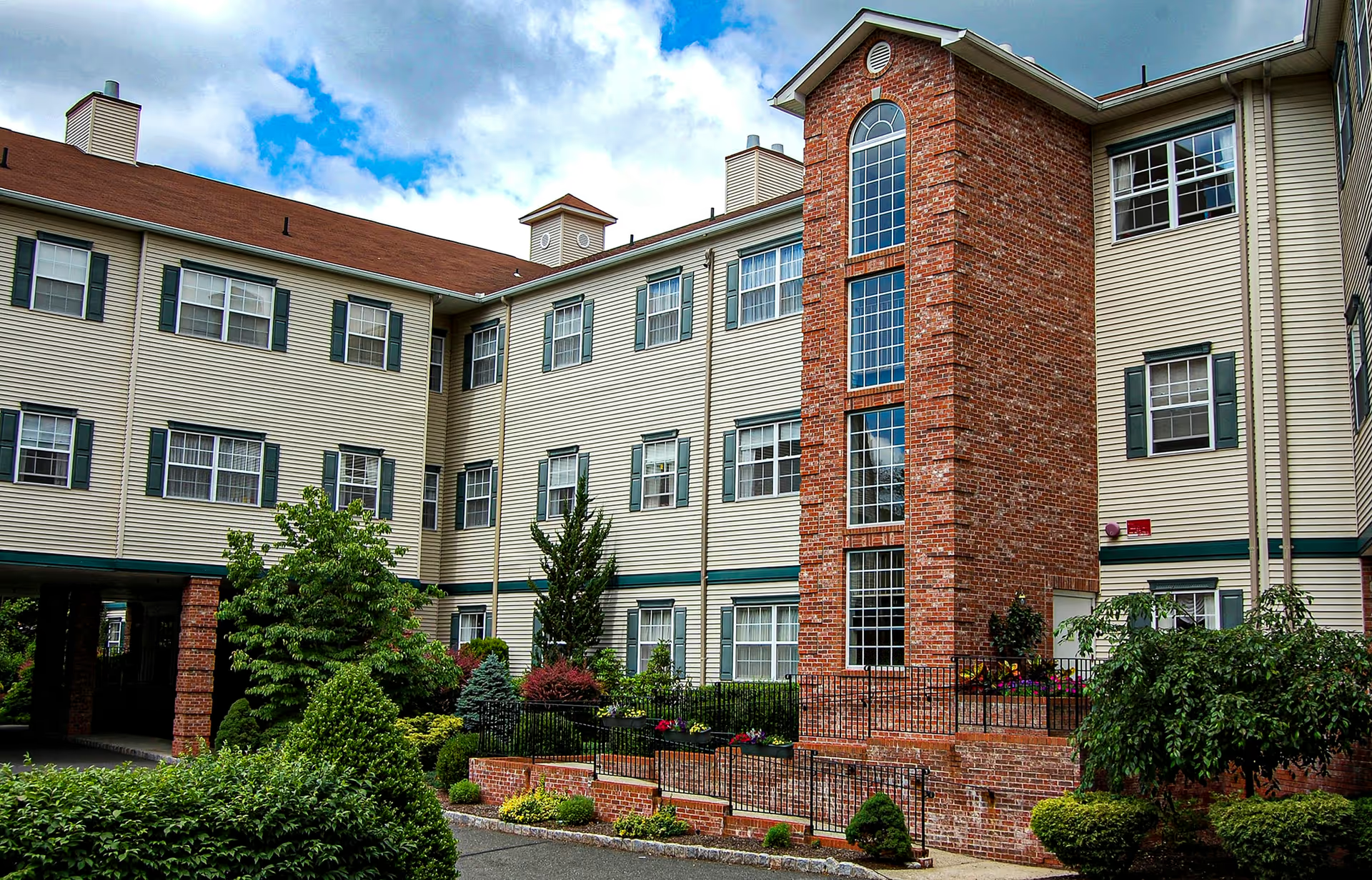
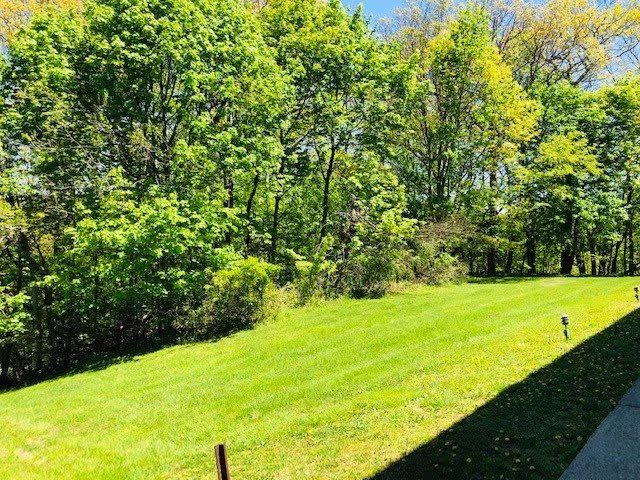
Braemar at Wallkill is widely described as a modern, attractive senior living community with a hotel-like aesthetic and a broad set of amenities. Reviewers consistently highlight the clean, new construction; well-kept grounds; and a range of shared spaces such as a movie theater, pub/cafe, library, chapel, gym, and outdoor terraces. Private-suite accommodations with kitchenettes and private bathrooms are noted as a strong residential feature, and the presence of a separate memory-care unit provides a clearly defined option for residents with dementia. Admissions and move-in staff, including specialty advisors, receive frequent praise for being knowledgeable and helpful.
The community offers an active programming calendar and on-site therapy services. Families report a robust activities program (live music, bingo, outings, daily social opportunities) and the availability of PT/OT and wellness services. Dining is often described favorably — with multiple menu choices, occasional specialty options, and a ‘‘cruise-ship’’ style presentation — though some reviewers experienced variability in portion sizes and food quality. Housekeeping, laundry services, and included daily meals are regularly cited as conveniences that support resident independence.
Care quality and operations present a mixed picture. Many reviewers praised individual caregivers and nursing staff as compassionate and attentive; however, a recurrent operational pattern is chronic understaffing and inconsistent responsiveness. These staffing pressures are associated with delays in responding to call bells, inconsistent bathing/laundry schedules, and family concerns about timely attention. Several families raised concerns about medication-administration practices and the need for clearer clinical oversight — including comments about dosing accuracy and physician availability. There are also mentions of gaps in communication and follow-through from some administrative and wellness staff, which have affected family confidence at times.
Facility layout and logistics have practical implications for residents. While rooms and amenities are generally well regarded, the building’s size and floor-plan design make wayfinding difficult for some visitors and residents; elevator placement and navigation have restricted mobility for certain residents. Personal-property management and laundry processes have been flagged as areas requiring stronger controls, and a number of families requested clearer billing and fee explanations related to monthly charges and extra-service costs.
Infection-control events (including COVID-period restrictions) impacted programming and visitation; reviewers describe periods of limited activities and constrained visitor access. Memory-care experiences are also mixed: the unit’s separation and dementia-focused programming are positives, but staffing levels and communication in that unit were cited as areas for improvement by some families.
Overall, Braemar at Wallkill offers a high-amenity, well-appointed environment with strong programming and supportive admission staff. Prospective residents and families should weigh those strengths against operational challenges that emerged repeatedly in feedback — chiefly staffing consistency, medication and clinical oversight, communication practices, wayfinding within the facility, and fee transparency. Those considering placement will benefit from targeted questions about current staffing ratios, medication-safety protocols, physician coverage, property-management procedures, and a walkthrough to confirm navigation/accessibility for the potential resident.