Overall impression: Mira Vie at West Milford is frequently described as a clean, attractive community with a warm, home-like atmosphere and an engaged staff. Reviewers commonly praise the grounds, private apartment options (many with kitchenettes or full kitchens), restaurant-style dining areas, and an active social program. Several families highlighted the facility’s memory-care wing and said transitions between independent and assisted living can be handled smoothly when appropriate supports are in place.
Care and staffing: Many comments emphasize compassionate, attentive caregivers, helpful nursing leadership, and staff who know residents by name. Housekeeping, dining staff, recreation, and transportation personnel receive consistent positive mention. At the same time, there are recurrent operational concerns about staffing depth—some reviewers describe thin coverage or the need for additional aides—which can contribute to variability in assistance timeliness. There are also comments indicating inconsistencies in personal-care assistance and appearance maintenance for some residents, and a small number of serious concerns about medication-management controls and security; prospective families should ask specific questions about staffing ratios, medication protocols, and shift coverage.
Dining and activities: The community’s dining program and social meals are often praised as a central strength: restaurant-style service, shared dining experiences, and an appealing breakfast selection are noted repeatedly. However, reviewers also describe variability in food quality (including comments about bland or not-hot meals) and limited dinner options in some instances. Activity programming is typically described as robust — morning exercise, book clubs, craft and art activities, happy hour, and off-site shopping trips are regular features — though a minority of accounts indicate uneven activity availability or times when programming felt insufficient for certain residents.
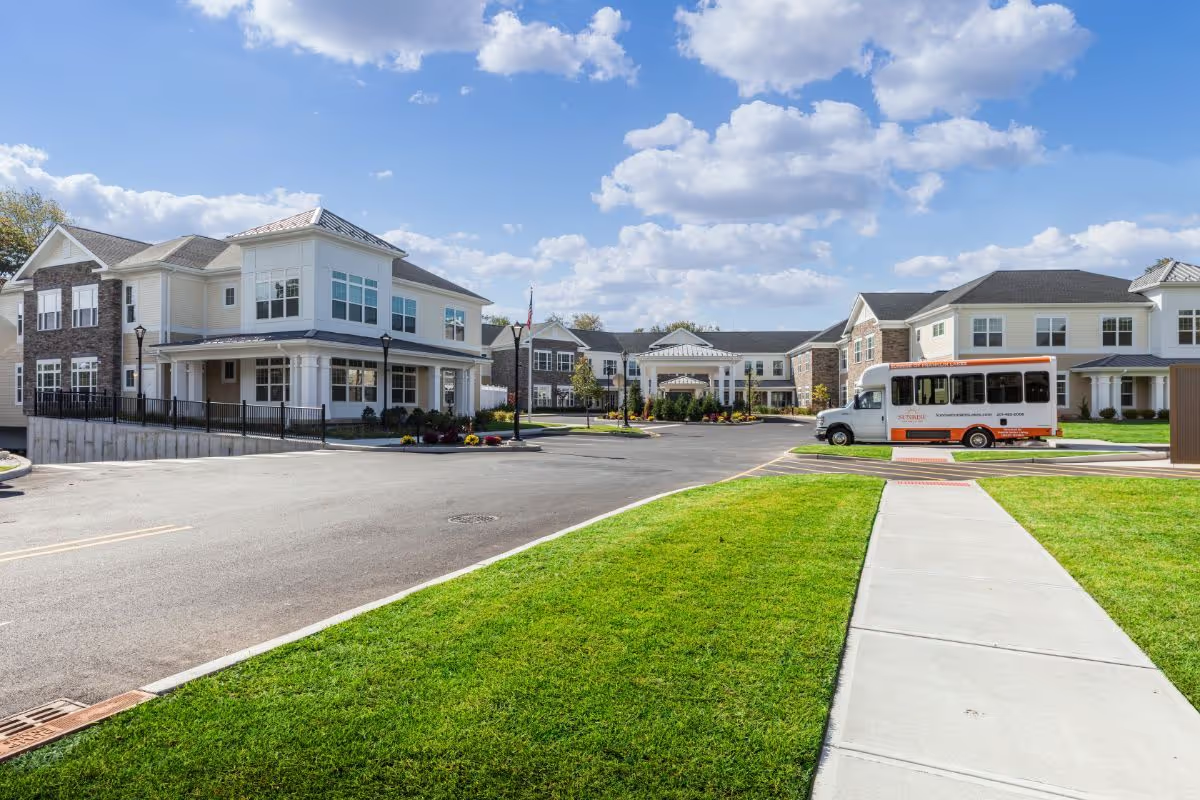
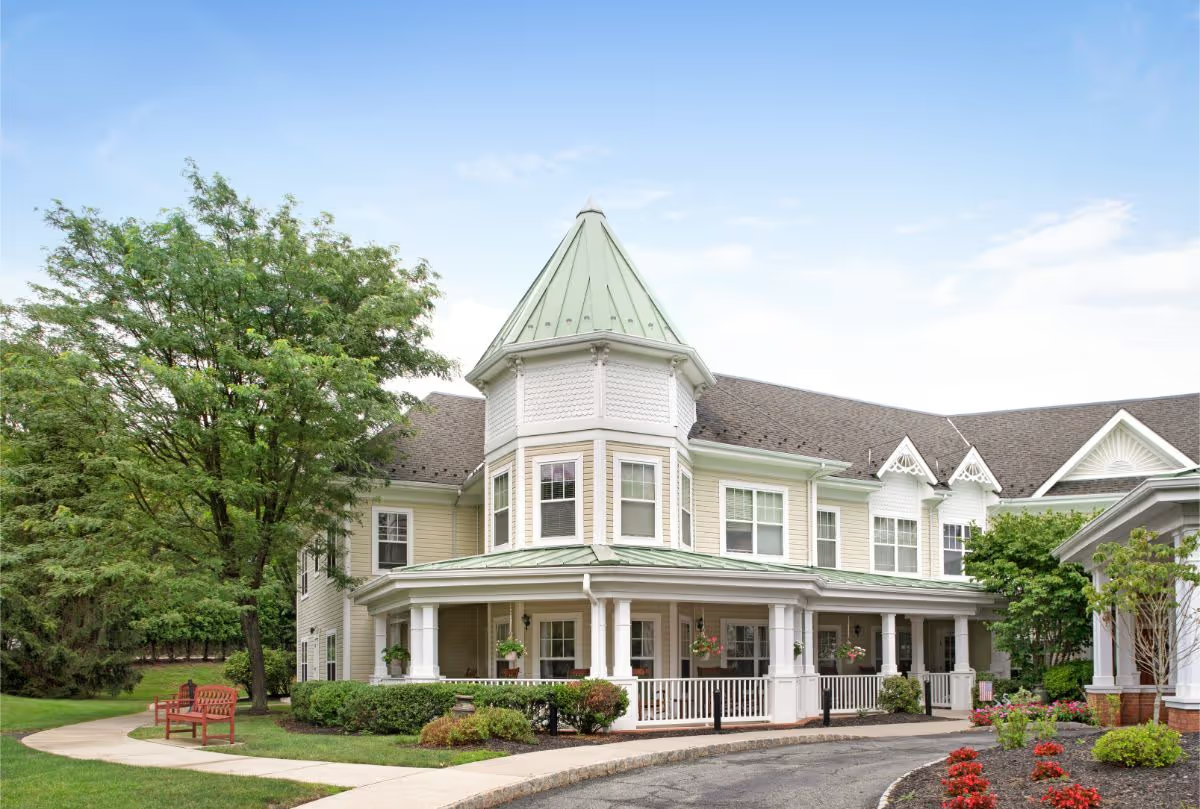
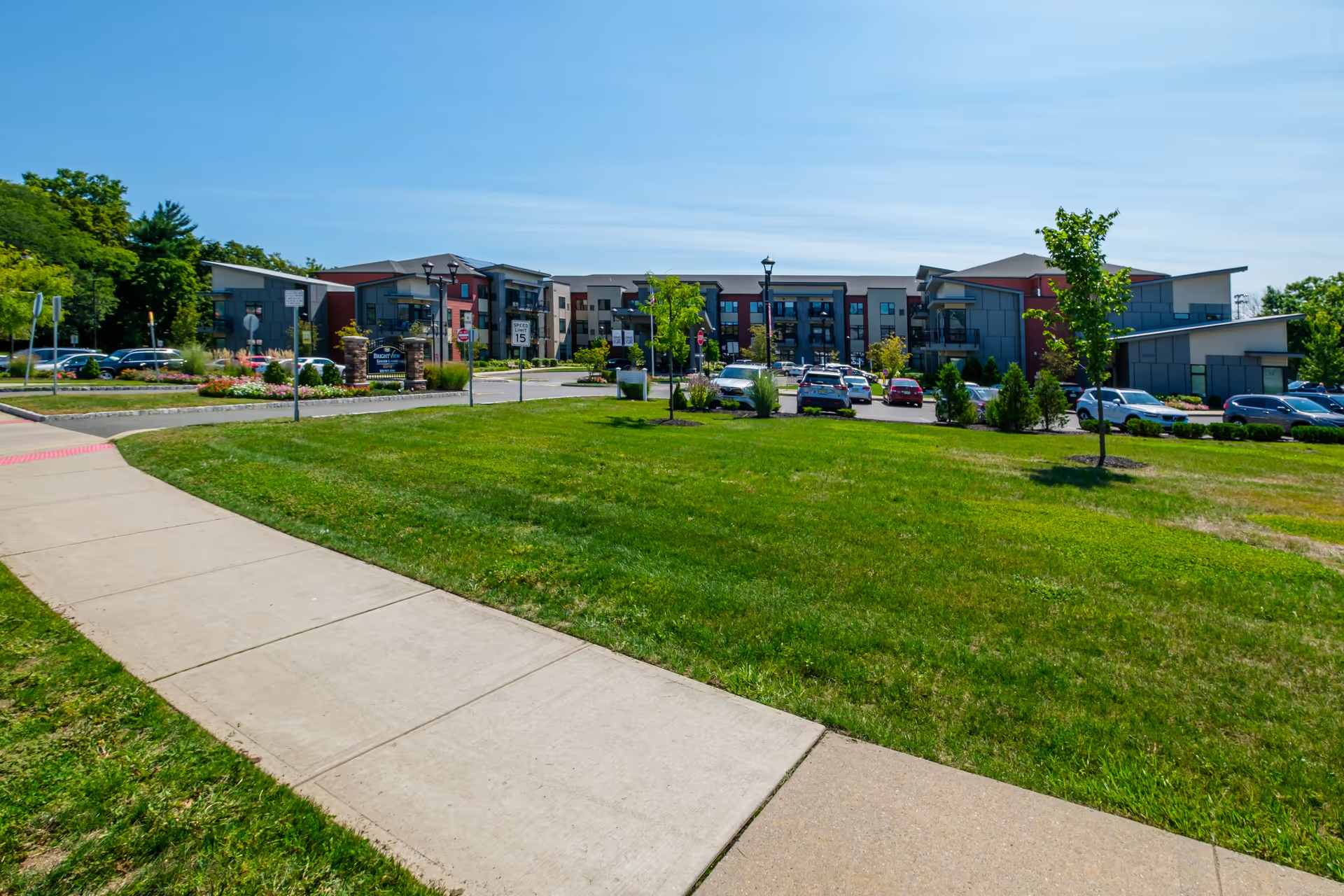
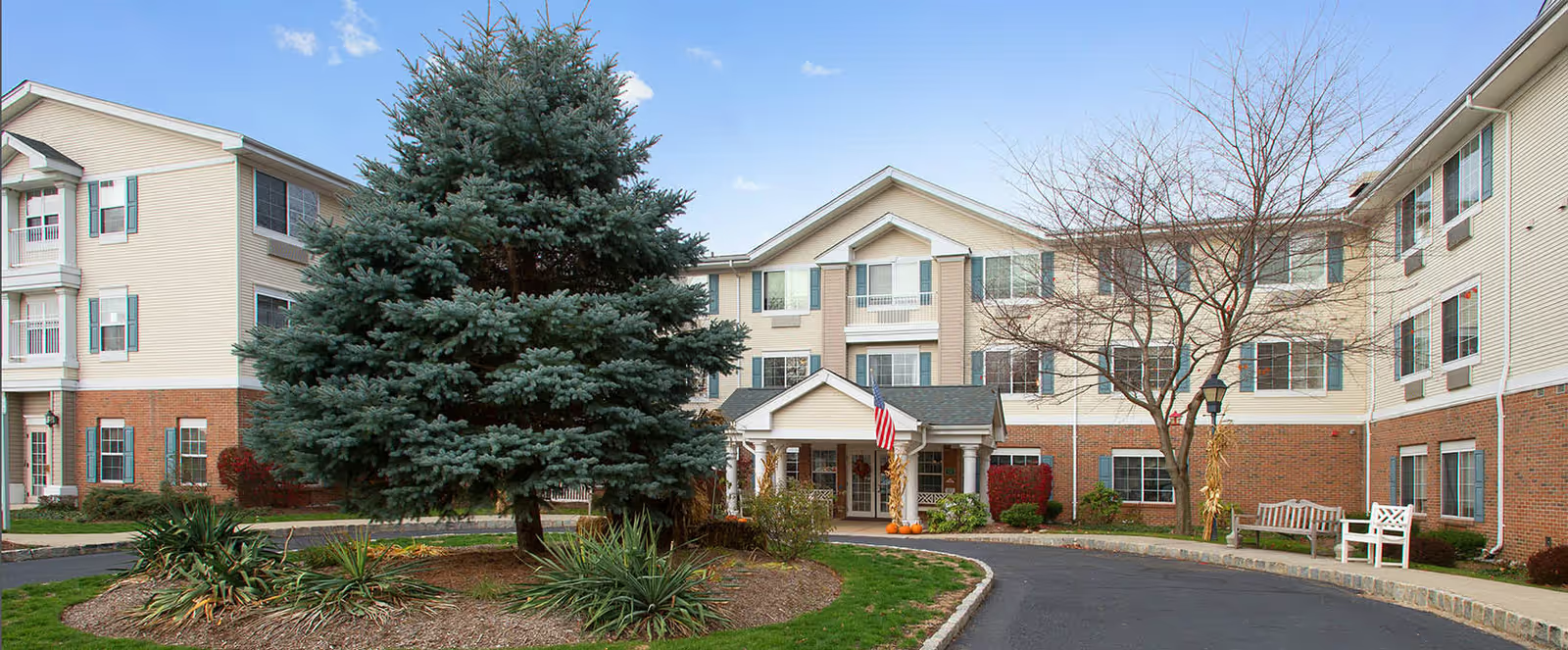
Facilities and management: Physically, the property is described as modern and well-maintained, with bright common areas, patios/gazebos, and pleasant, woodsy surroundings. Apartment sizes vary; many residents appreciate larger, bright units, while others note smaller or dated decor in particular units and limited amenities in lower-cost or Medicaid-designated rooms. Management and admissions staff are often characterized as communicative and supportive during move-in, but there are occasional reports of billing or front-desk interactions that felt unresponsive or curt. Cost is also a recurring theme: some families cite high fees and concerns about future rate increases.
Notable patterns and guidance: The dominant pattern is positive — warm staff, clean facility, lively programming, and family satisfaction for many residents. The most consistent operational weaknesses are variability in staffing coverage, occasional inconsistencies in personal-care and meal delivery, and gaps around long-term dementia care capacity and medication-security processes. Prospective residents and families should tour the community at peak meal and activity times, confirm staffing ratios and on-shift roles, review medication-management and billing procedures, and ask about formal assessment and escalation pathways for progressive Alzheimer’s care to ensure the level of services matches anticipated needs.