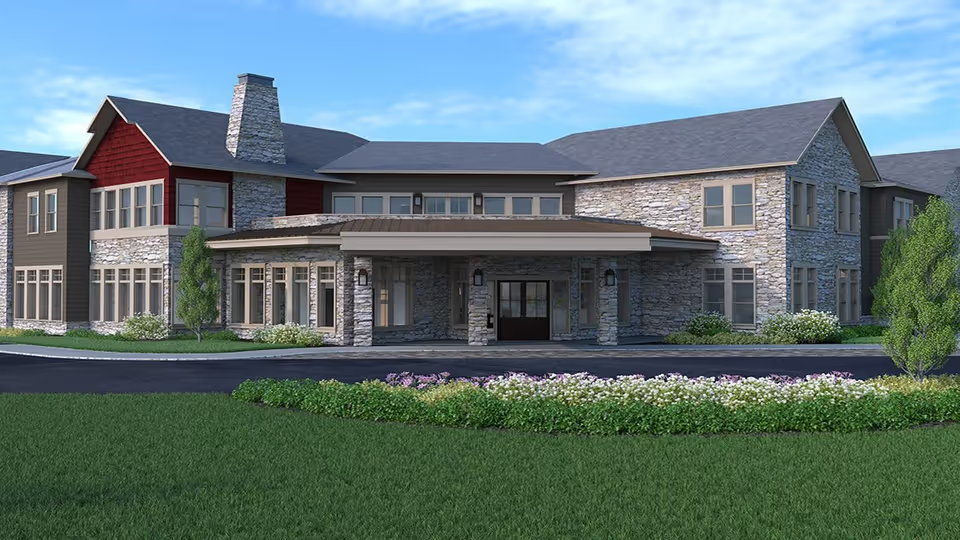
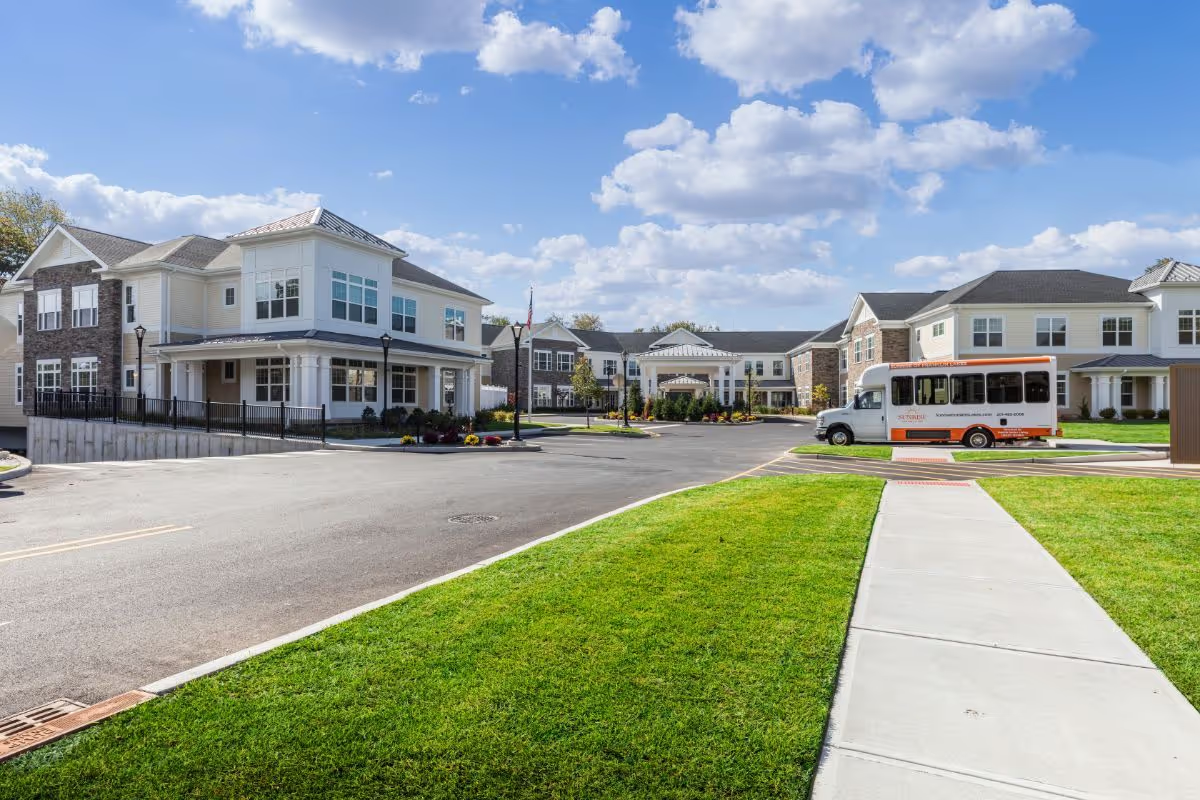
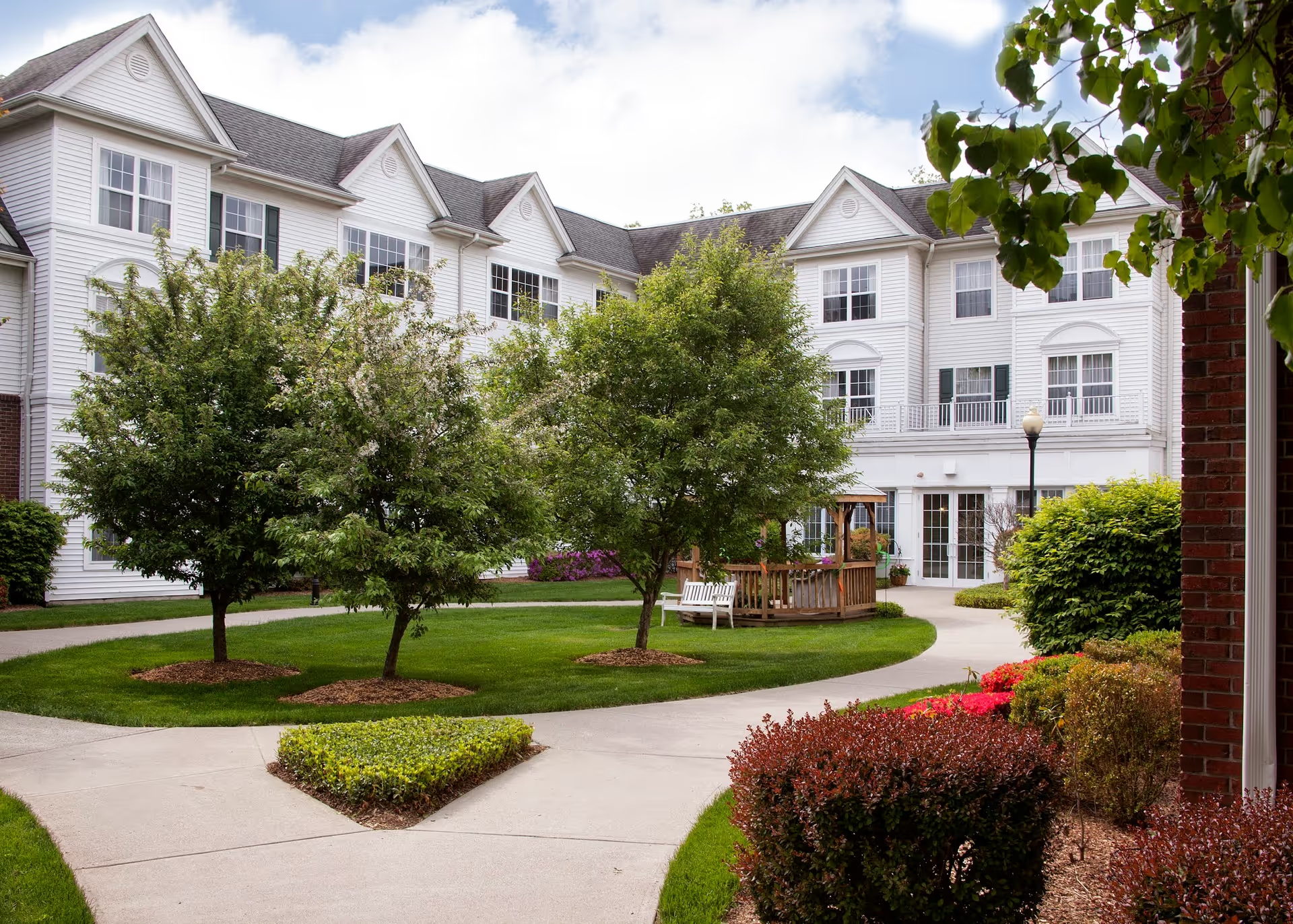
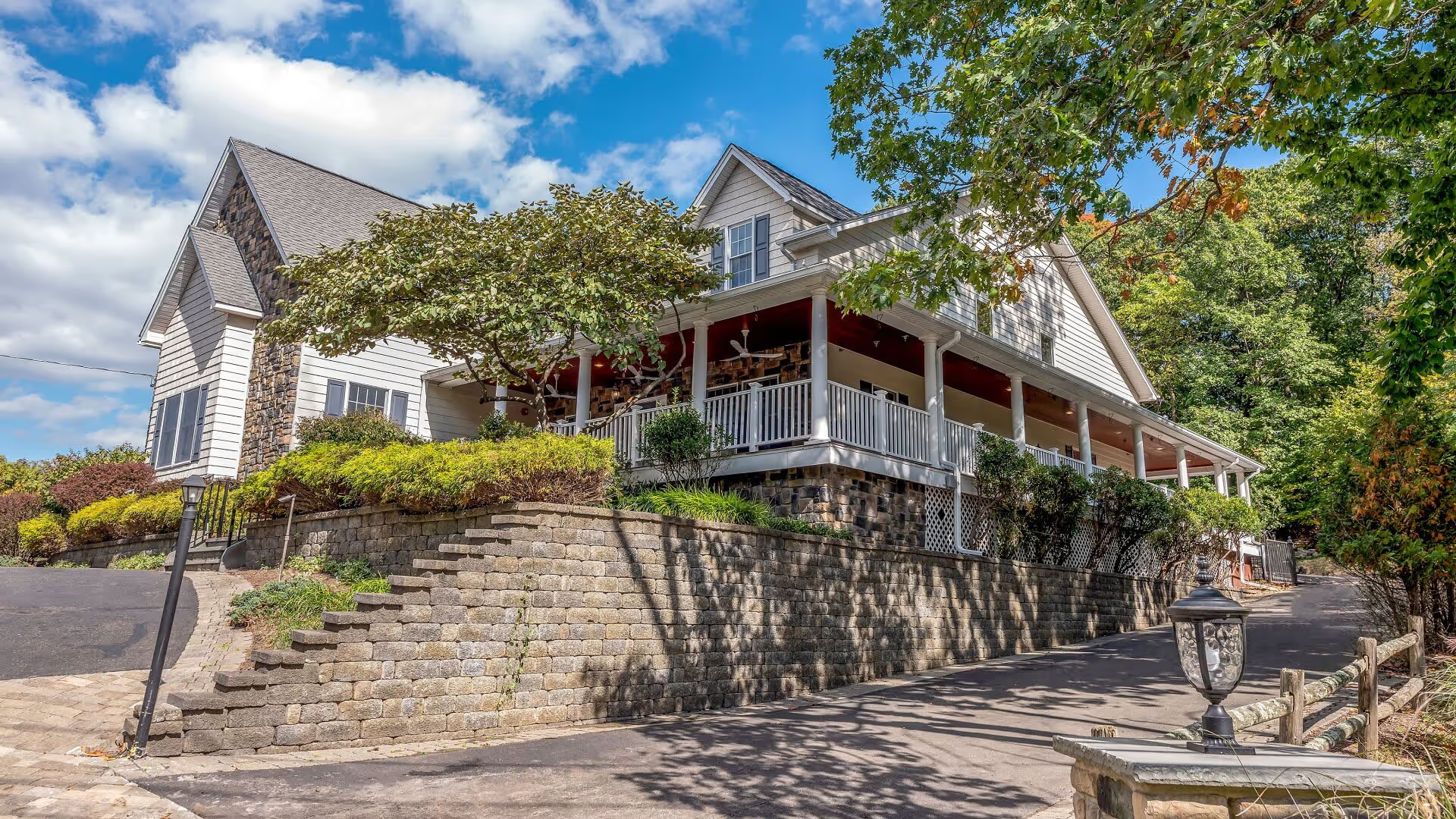
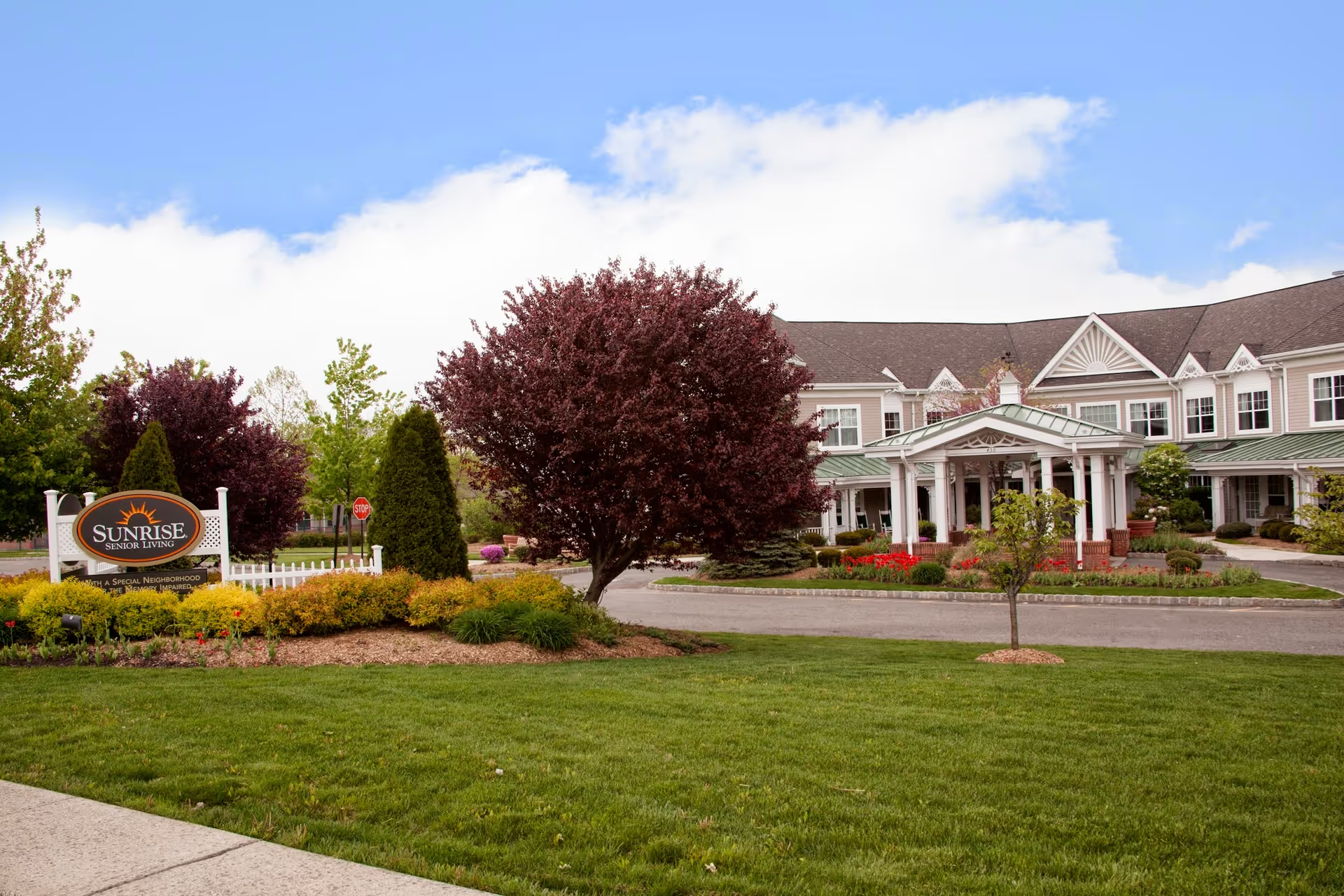
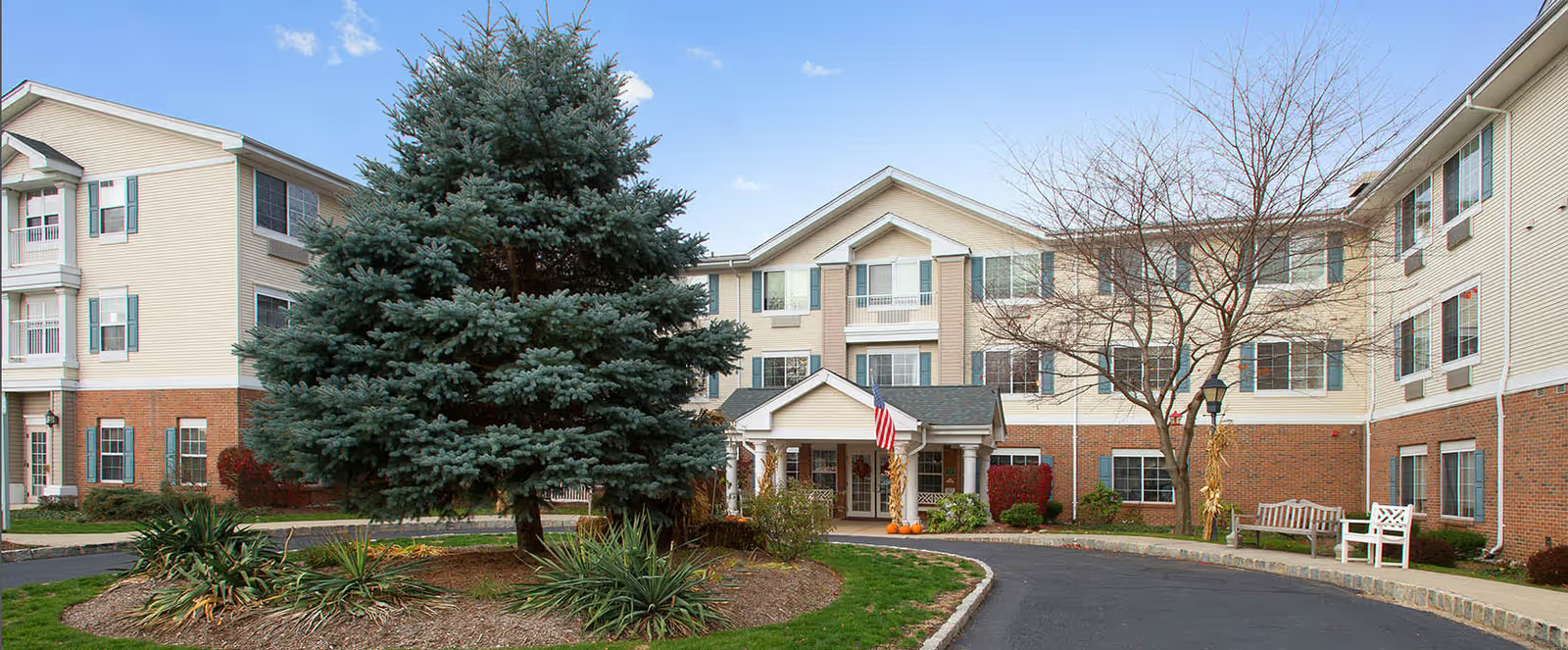
Overall impression Brandywine Mahwah is described consistently as a high-end, hotel-like assisted living community with extensive amenities and a strong emphasis on personalized care. Reviewers highlight a well-maintained environment, spacious apartments, and a wide range of on-site services — from physical-therapy facilities and a therapy pool to a movie theater, pub, salon, and restaurant-style dining. The community projects an upscale aesthetic and family-like atmosphere that many residents and families find comforting.
Care and staff The dominant theme across reviews is the quality of the caregiving team and leadership. Staff are repeatedly characterized as compassionate, attentive, and responsive; families cite proactive communication from the executive director and on-site nursing staff. The wellness team and medication-management processes are portrayed as organized, with on-site therapy and periodic physician coverage that support rehabilitation and clinical needs. Memory-care services are an explicit strength for many families, with a dedicated Reflections unit and staff experienced in dementia care. At the same time, a minority of families described concerns about staff training consistency in memory care and occasional lapses in frontline responsiveness; these experiences suggest variability in staff experience or shift-level coverage rather than a uniform operational failure.
Dining Dining at Brandywine Mahwah is generally presented as a restaurant-style program with varied menus, attentive wait staff, and an appealing dining room atmosphere. Many reviewers praised meal quality and hospitality; guests and families also found visitor dining accessible and affordable. Conversely, some families reported intermittent issues with meal-service timing and perceived declines in food consistency or speed of service. Those concerns are operational in nature — affecting meal delivery and dining experience — rather than systemic sanitation or safety complaints.
Activities and engagement The activity program is a strong, frequently-cited benefit. The community offers a broad calendar that includes live music, concerts, classes (including college extension offerings), games with dealers, outings, and specialty events. These programs emphasize cognitive stimulation, socialization, and continuing education. That said, there are notes about variable resident participation: while many residents are active and engaged, a subset experienced limited engagement or an initially isolating transition period after move-in. Prospective families may want to ask about individualized engagement plans during the first weeks on campus.
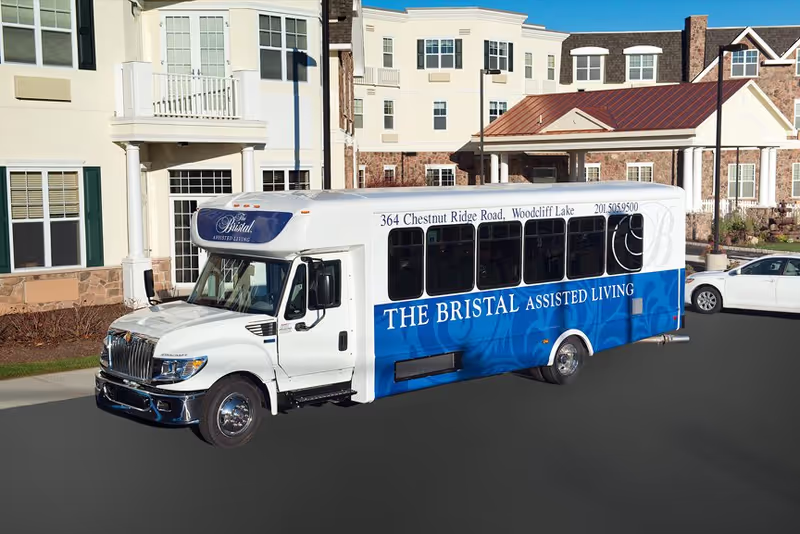
Facilities and operations Physical facilities receive high marks for cleanliness, decor, and upkeep; reviewers describe the building as spotless, well-decorated, and hotel-like. Apartments are noted for size, high ceilings, and accessible bathroom fixtures. Operational strengths include reliable utilities, a backup generator, steady internet, and transportation services. Amenities such as the therapy pool, PT gym, theater, pub, and salon contribute to both quality-of-life and clinical programming. One operational pattern to note is the facility’s amenity-access policies during infection-control events (for example, pool or visitor restrictions), which can temporarily limit services that residents expect.
Management and notable patterns Executive leadership and onsite management receive frequent praise for responsiveness and family communication; named staff members are singled out for going above and beyond. Most complaints are framed as isolated operational issues — for example, meal timing, an initial adjustment period for new residents, or variability in staff training levels — rather than pervasive safety or sanitation failures. Cost is another recurring theme: the community is positioned as premium and may be more expensive than other local options.
Guidance for prospective families Brandywine Mahwah appears to offer a strong combination of clinical services, social programming, and high-end amenities supported by engaged leadership and caring staff. When evaluating the community, prospective residents and families may wish to: observe a mealtime for service timing and food consistency; ask about onboarding practices and individualized engagement plans for new residents; review staffing levels and memory-care training protocols; confirm amenity policies during infection-control periods; and discuss pricing and contract details to assess value relative to local alternatives.