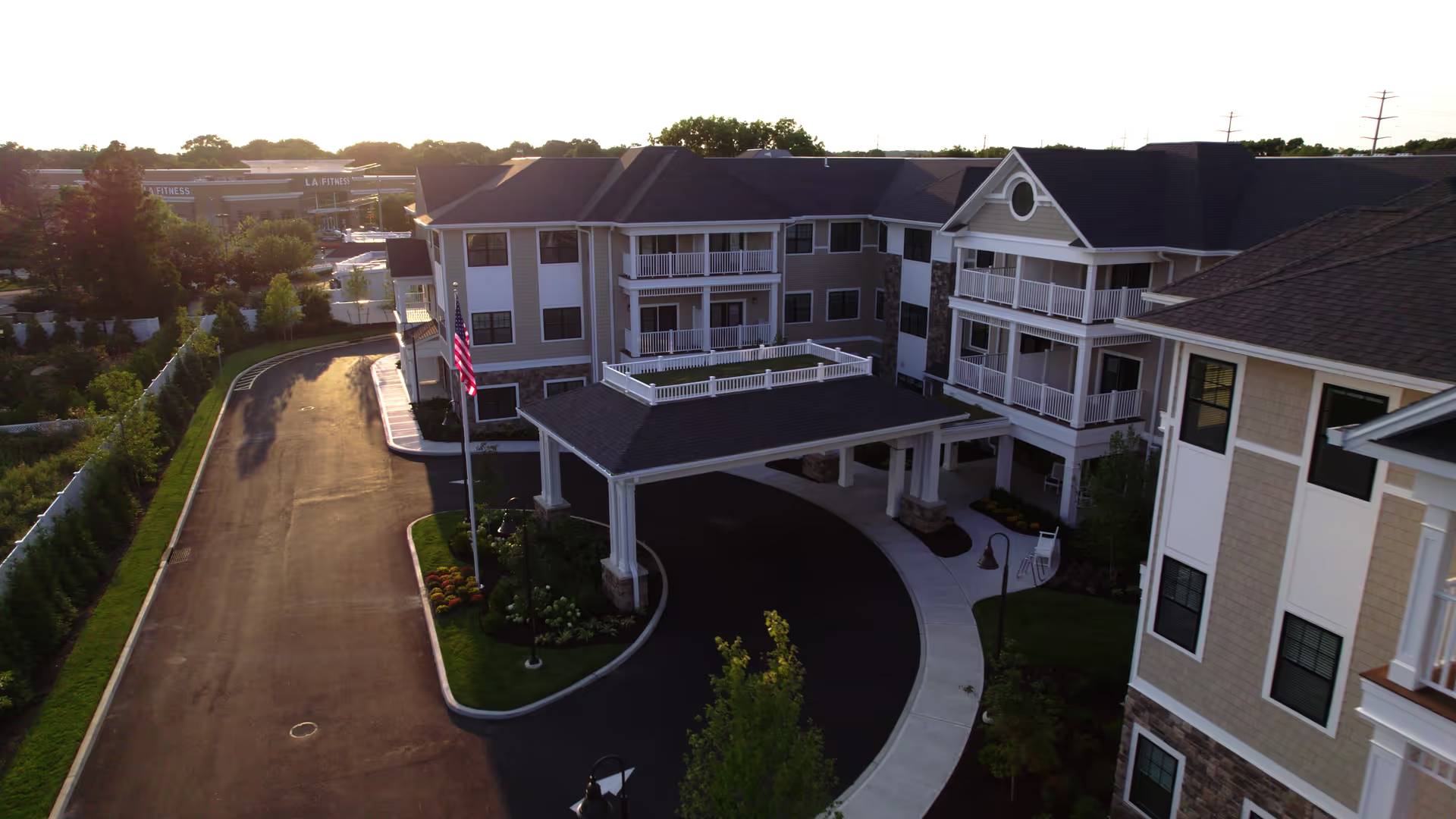
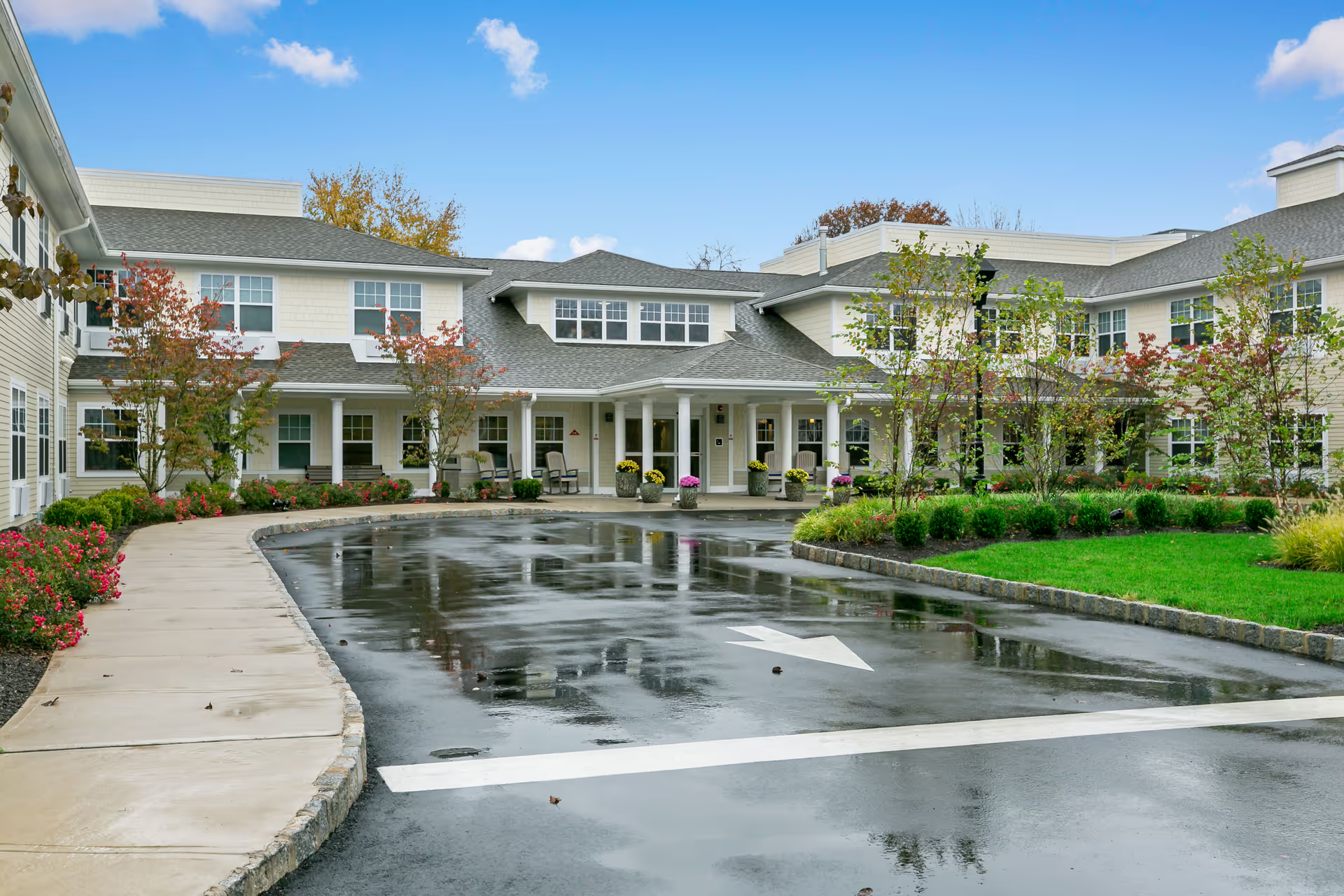
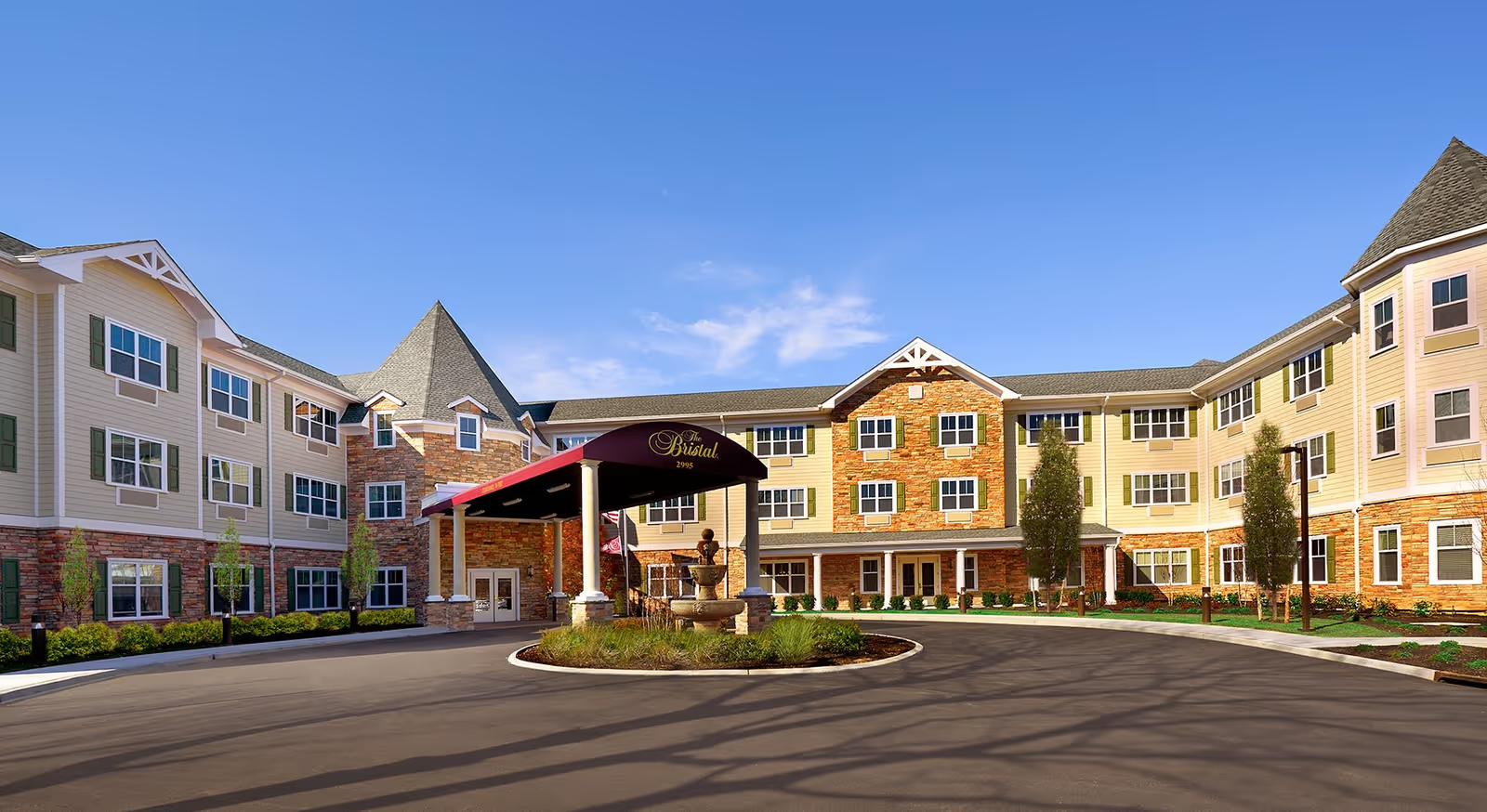
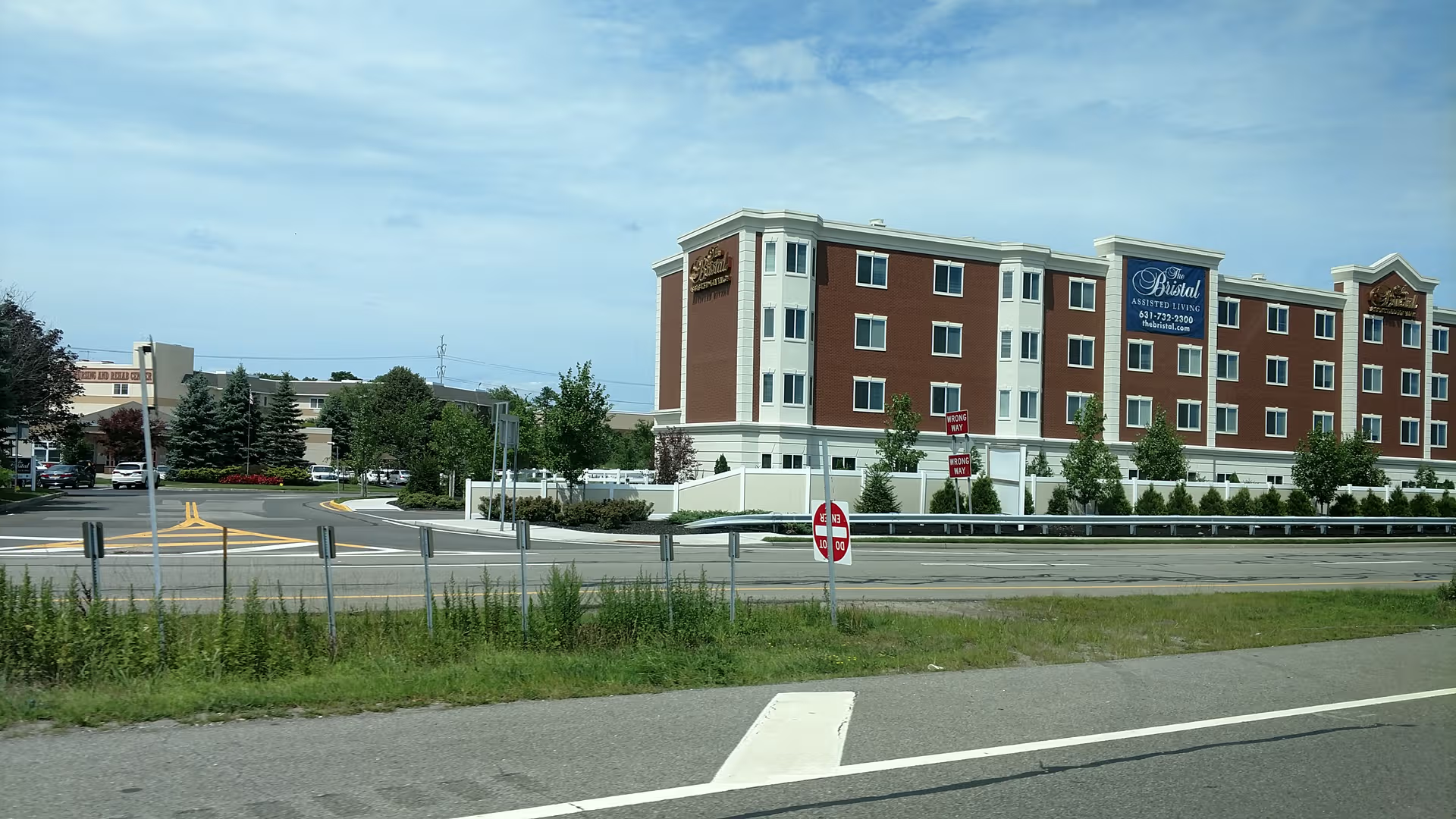
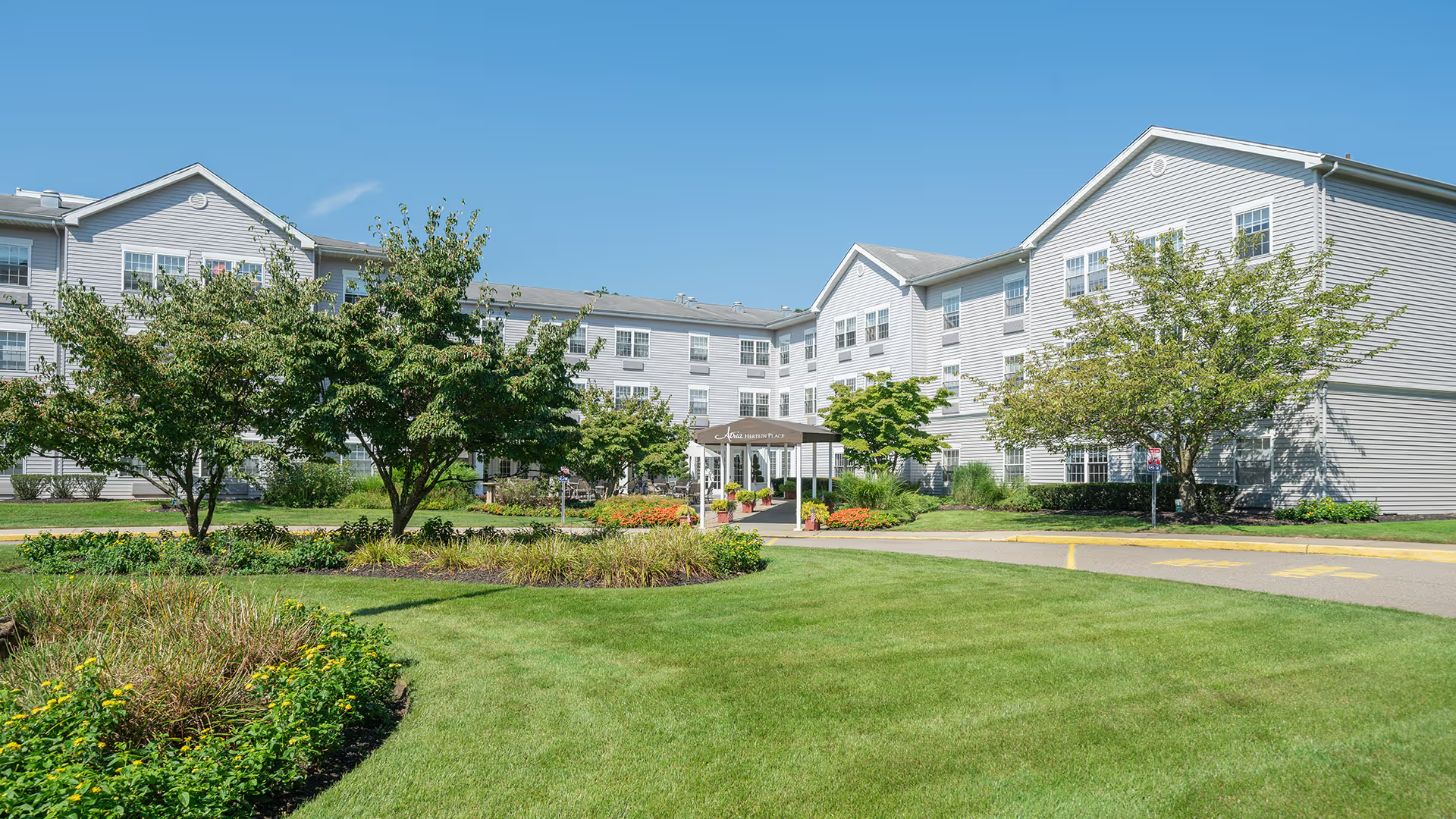
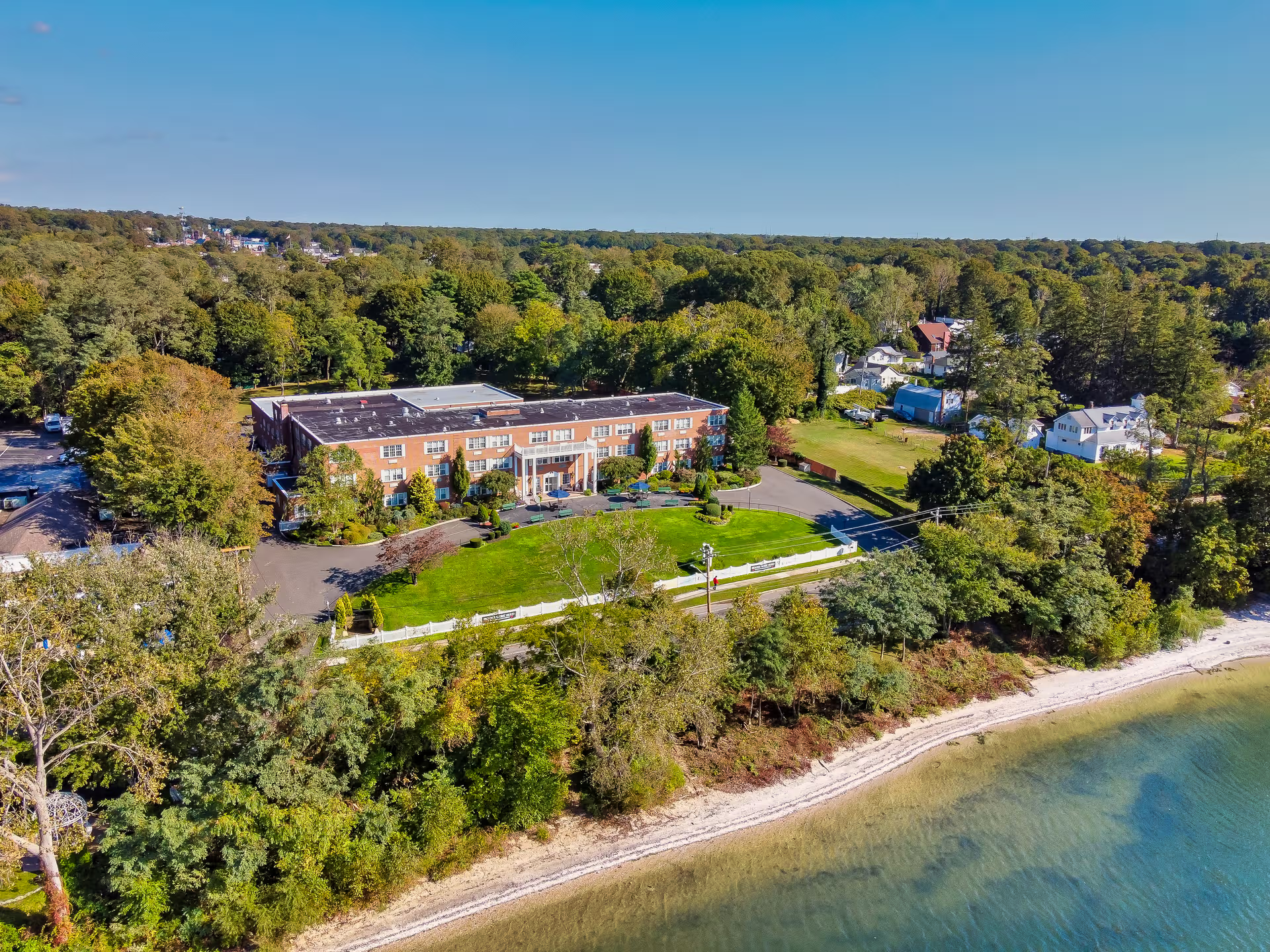
The Bristal Assisted Living at Mount Sinai is consistently described as a bright, modern, and well‑maintained community with a broad array of amenities and clinical supports. Reviewers emphasize a welcoming physical environment — newly built common areas, courtyards, a bistro, movie theater, salon, library, and easy flow between dining and activity spaces — that contributes to a neighborhood, small‑community feel. Housekeeping and room maintenance are frequently noted as strengths, and landscaping and communal spaces are described as inviting for both residents and visitors.
Staffing and direct care receive strong positive attention in the aggregate. Many families describe caregivers, aides, and therapy staff as compassionate, engaged, and willing to go above and beyond; memory‑care teams are singled out as especially attentive and skilled. On-site clinical services such as physical therapy and a wellness center are credited with measurable resident improvements. Safety measures are visible and comprehensive: a 24/7 front desk, wearable medallions, emergency cords, and fall‑detection systems are in place and appreciated by families.
Dining and programming are other consistent strengths. The community offers restaurant‑style meals, varied menus, and frequent social or cultural activities (bingo, concerts, bus trips, movies, Bocce and group programs). Reviewers value the regular event calendar, active music and social programs, and the availability of outings and transportation. Onboarding and move‑in logistics — including a Trusted Transitions option and furnished‑room availability — are described as smooth by many families.
Alongside the many positives, there are recurring operational concerns that prospective residents and families should evaluate during a visit. Several families reported variability in administrative responsiveness and follow‑through; this includes delays or inconsistent communication from leadership on care issues. Clinical process weaknesses are also noted: medication‑management lapses and inconsistencies in dietary oversight for residents with clinical needs were specifically mentioned. Relatedly, a subset of families expressed concerns about inconsistent personal‑care delivery (including bathing schedules and incontinence‑care responsiveness) and variability in staff training or accountability across shifts.
Cost and perceived value emerged as another theme: while many families feel they receive high‑quality amenities and staffing, others perceive the pricing as high relative to the level of consistency in clinical or administrative follow‑through. Taken together, the pattern is one of a largely high‑quality, well‑resourced community whose strengths are strong caregiving teams, robust amenities, and active programming, tempered by occasional operational gaps in clinical consistency and administrative responsiveness.
For families considering Bristal at Mount Sinai, suggested questions during a tour include: How does the facility manage medication administration and reconciliation? What protocols exist for dietary management of specific conditions (for example, diabetes)? How are bathing and personal‑care schedules documented and checked for consistency? What is the escalation pathway when families have unresolved concerns with leadership? Asking for examples of staff training, recent quality‑improvement initiatives, and references from current families can help verify that the community's operational practices align with the positive day‑to‑day care described by many reviewers.