The Friedwald Center for Rehab and Nursing is characterized by a strong, rehabilitation-focused clinical program and many families praise the facility’s therapy services. Physical and occupational therapy are commonly described as robust, with daily functional assessments and individualized plans that frequently lead to measurable progress and discharge home when appropriate. The center also has capabilities for higher-acuity care, including on-site dialysis and respiratory support for patients with tracheostomies or ventilatory needs.
Staff-level feedback is mixed but leans positive overall. Numerous accounts highlight compassionate, attentive nurses, aides, therapists, and supportive social work and admissions personnel who provide clear family communication and individualized attention. Reception, housekeeping, and many front-line staff receive repeated praise for professionalism and warmth. However, reviewers also describe variability in responsiveness and bedside assistance at times; staffing levels appear to fluctuate by shift or unit, and that variability has been associated with long call-response times and perceived lapses in timely care.
Dining and activities are frequently cited as strengths. The facility offers restaurant-style dining with dietary accommodations (including kosher options) and many families find the meals and dining staff courteous. Recreation and activities programming is described as engaging and varied, contributing to socialization and therapy goals. At the same time, there are reports of inconsistent food quality from some families, suggesting variability in day-to-day meal experience.
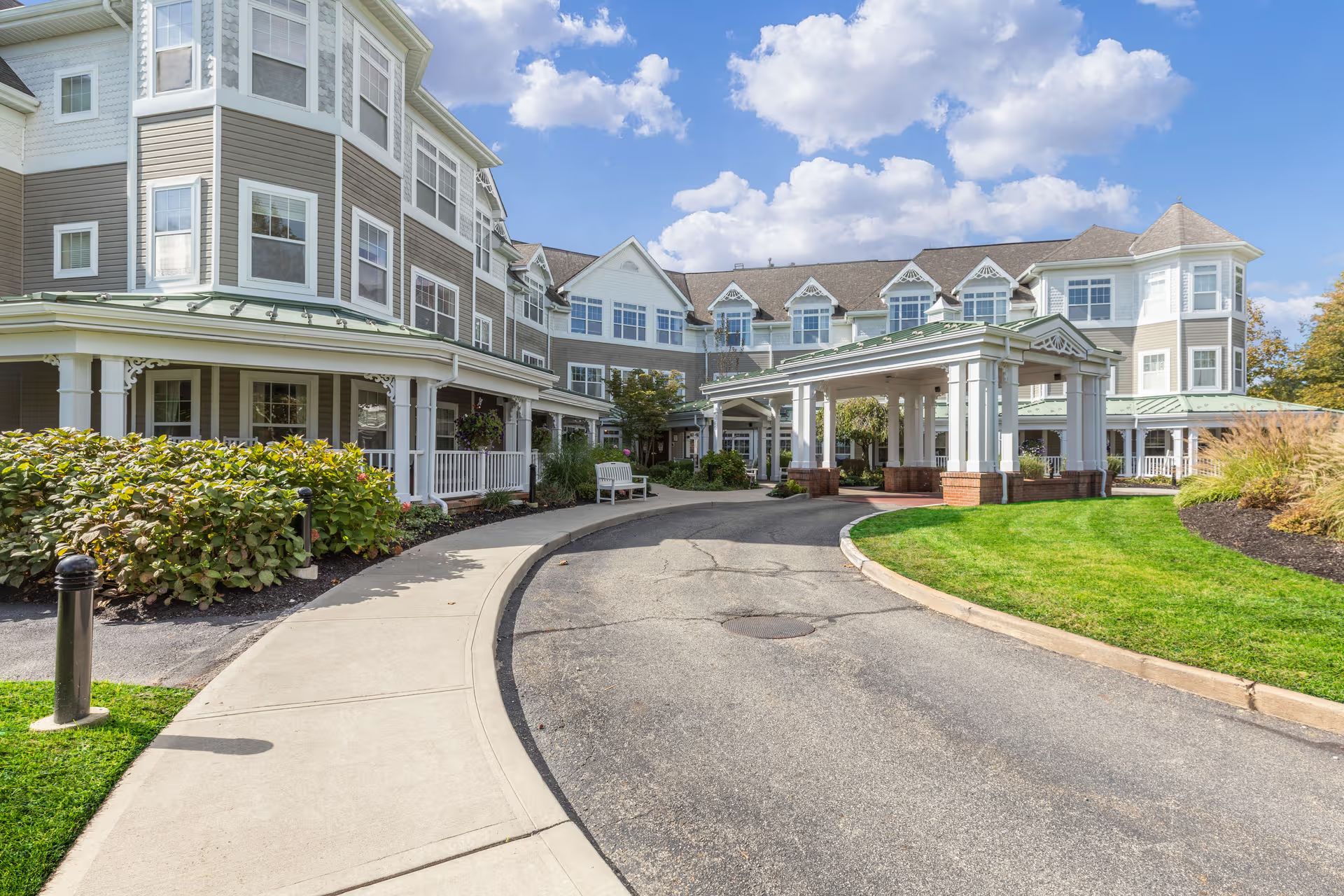
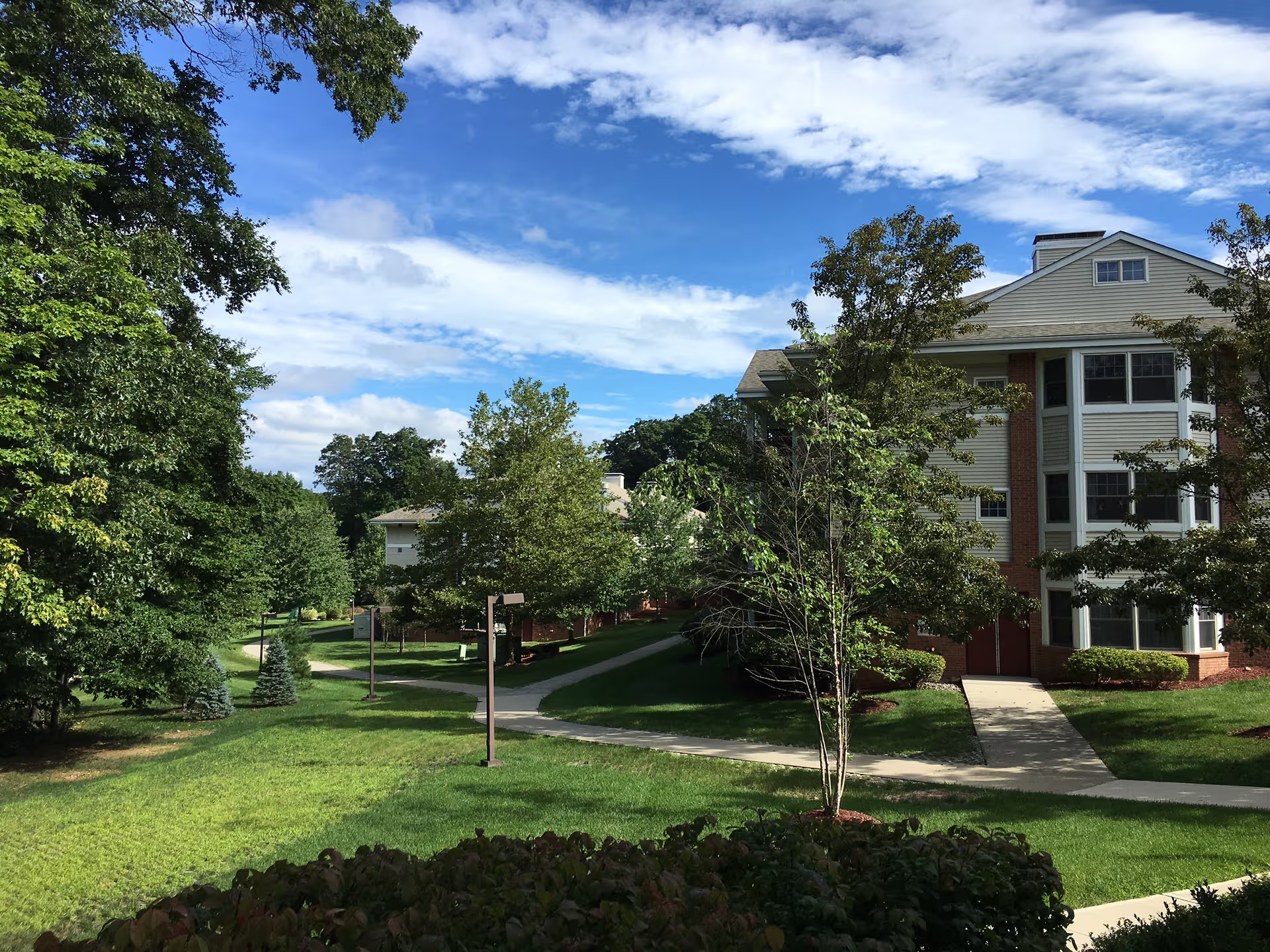
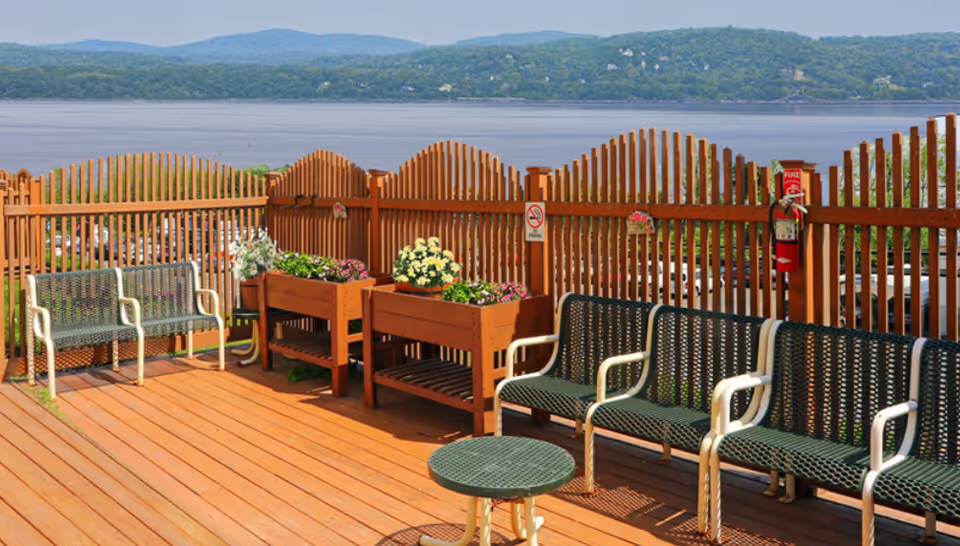
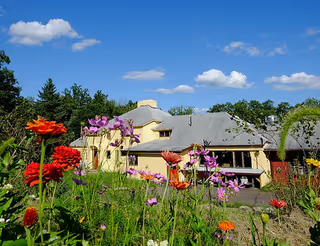
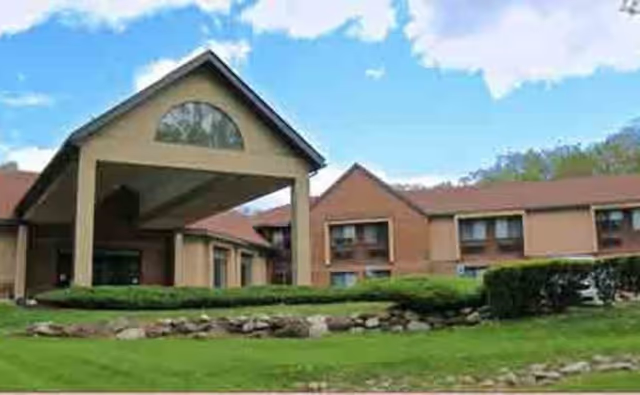
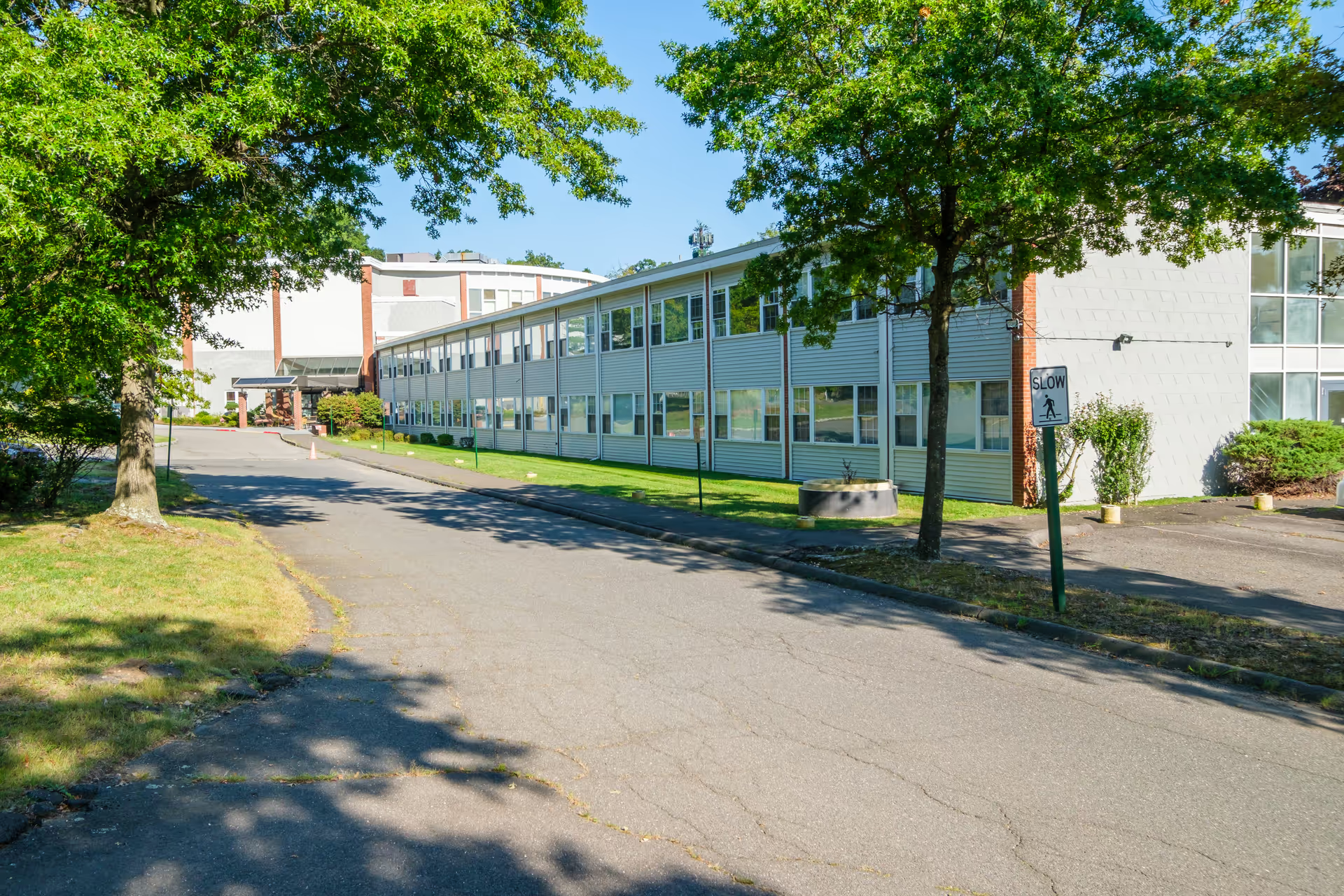
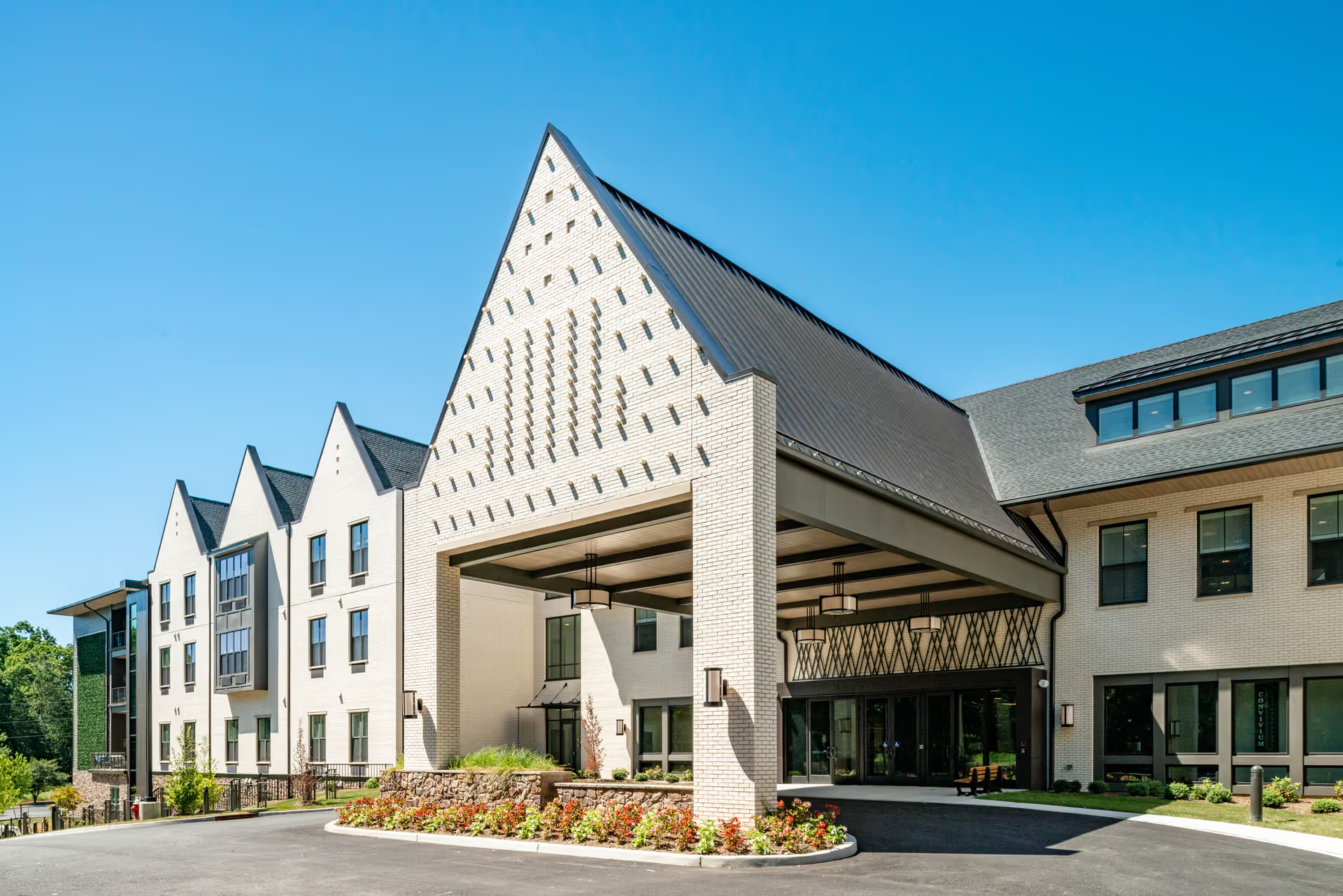
Facility environment and maintenance show a mixed picture. Many reviewers describe clean, welcoming common areas, renovated rooms, pleasant outdoor spaces, and good infection-control procedures. Conversely, some accounts identify sanitation and odor-control concerns in certain units, peeling finishes, dated rooms or equipment noise, and uneven maintenance attention. These differences suggest that environmental conditions may vary by floor or unit.
Management and operational patterns present both strengths and vulnerabilities. Several families praise accessible leadership, an effective admissions process, and proactive case management. At the same time, other accounts note inconsistent leadership responsiveness, gaps in clinical documentation and medication management, and billing practices that have caused confusion or unexpected charges (for example, transport or billing-unit practices). There are also serious individual claims, including allegations of theft and financial exploitation and concerns about pressure-injury and incontinence-care management; these reports warrant scrutiny by prospective families and, if applicable, follow-up with regulatory or oversight resources.
Overall, Friedwald appears to offer high-quality rehabilitative care with many compassionate and skilled staff, effective therapy programs, and useful on-site medical services. Prospective residents and families should weigh these strengths against recurring operational concerns: inconsistent housekeeping and odor control in some areas, variable staffing responsiveness, clinical documentation and medication-administration gaps, facility maintenance variability, and the need for clear billing transparency. Visiting the specific unit, discussing staffing patterns for the expected length of stay, and asking for written discharge planning and billing policies will help families evaluate whether the facility’s strengths align with their clinical and nonclinical priorities.