Overall impression: Pathways Nursing and Rehabilitation Center elicits a strongly mixed set of impressions. Many families and patients describe high-quality rehabilitation, attentive bedside care, and a clean, recently renovated environment. At the same time, a subset of accounts raises serious operational concerns that affect clinical safety, privacy, and family confidence. Prospective residents should weigh both the facility’s therapy and discharge strengths and the operational gaps described below when deciding whether this center is an appropriate placement.
Care and clinical services: Rehabilitation services are a consistent strength — physical and occupational therapy are frequently praised for helping residents regain function and return home. Respiratory therapists and ventilator-support staff receive positive remarks in several accounts, though there are also severe individual concerns about clinical oversight in complex cases. Nursing and CNA care are often described as attentive and compassionate, but comments indicate variability by shift and unit. Notable clinical-trend concerns include wound-prevention and monitoring gaps, fall-prevention and transfer-safety weaknesses, and delayed responsiveness to call bells; these suggest the need to verify current staffing models, clinical protocols, and incident-response practices during a tour.
Staff and communication: Staff behavior is described in polar terms. Many reviewers highlight compassionate, knowledgeable nurses, helpful social work, and professional administrative support, and several families report quick resolution when issues are raised. Conversely, others cite inconsistent staff training, inattentive night supervision, unprofessional conduct at points of first contact (reception), and communication breakdowns. There are also serious claims — including privacy breaches and theft of personal items — that have undermined trust for some families; these are significant enough to merit direct inquiry about privacy safeguards, property-inventory procedures, and escalation protocols. The facility’s use of automated family-texting systems is convenient for some but was experienced as intrusive by others; confirm family-preference settings in advance.
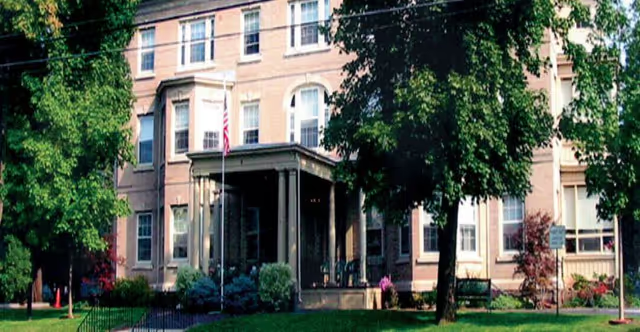
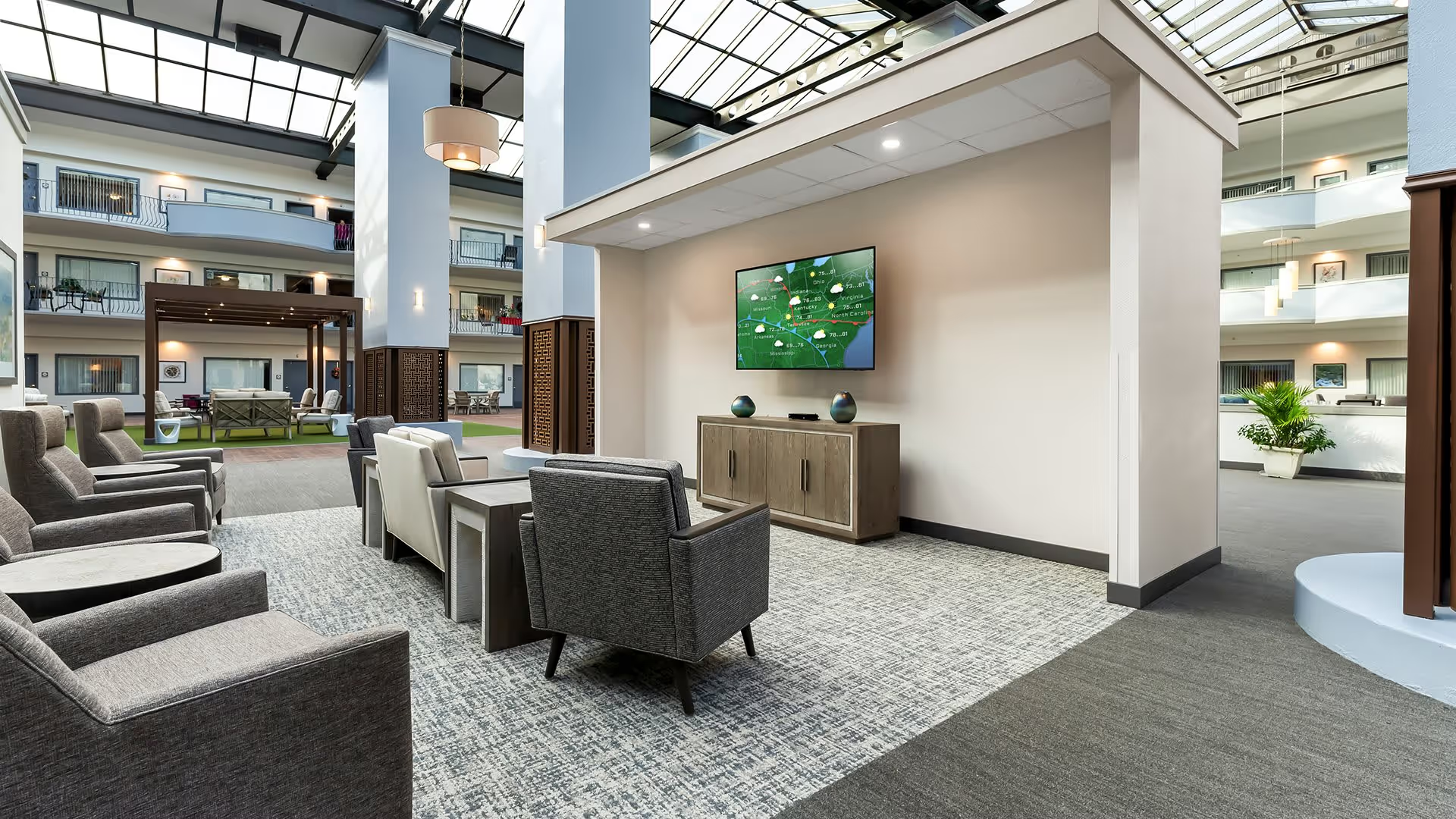
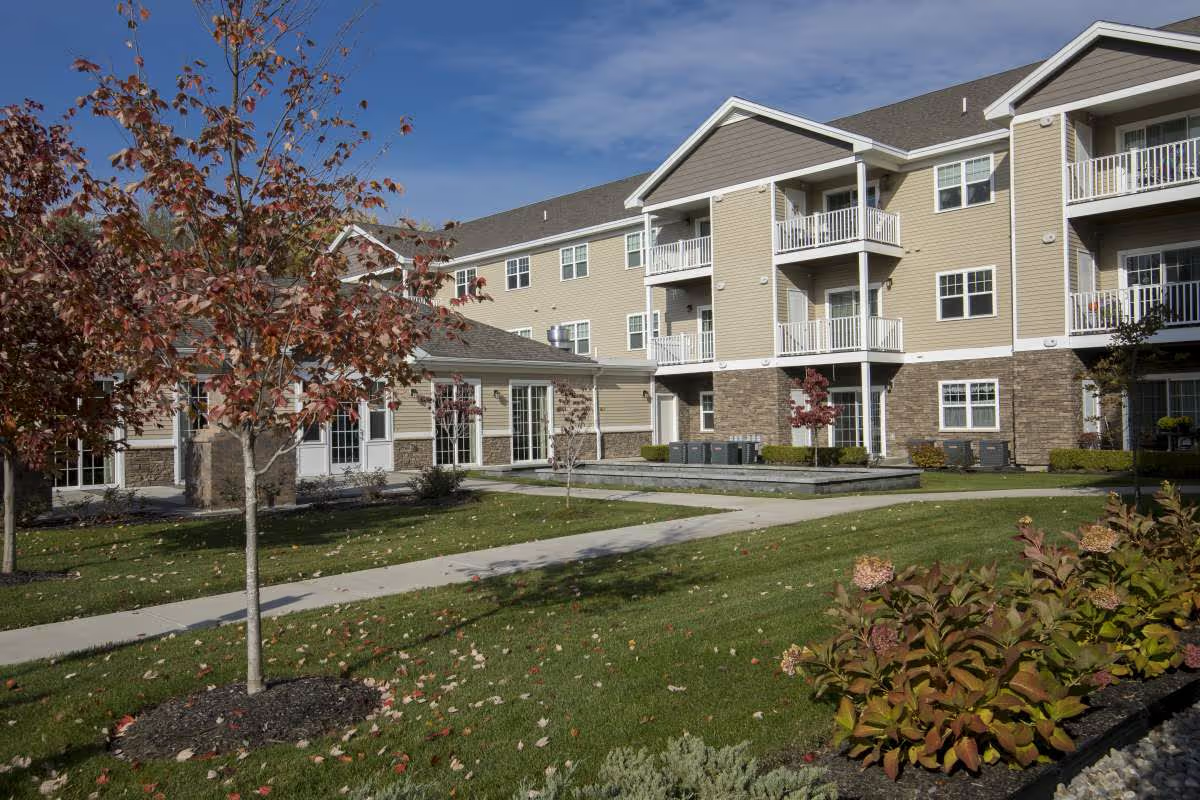
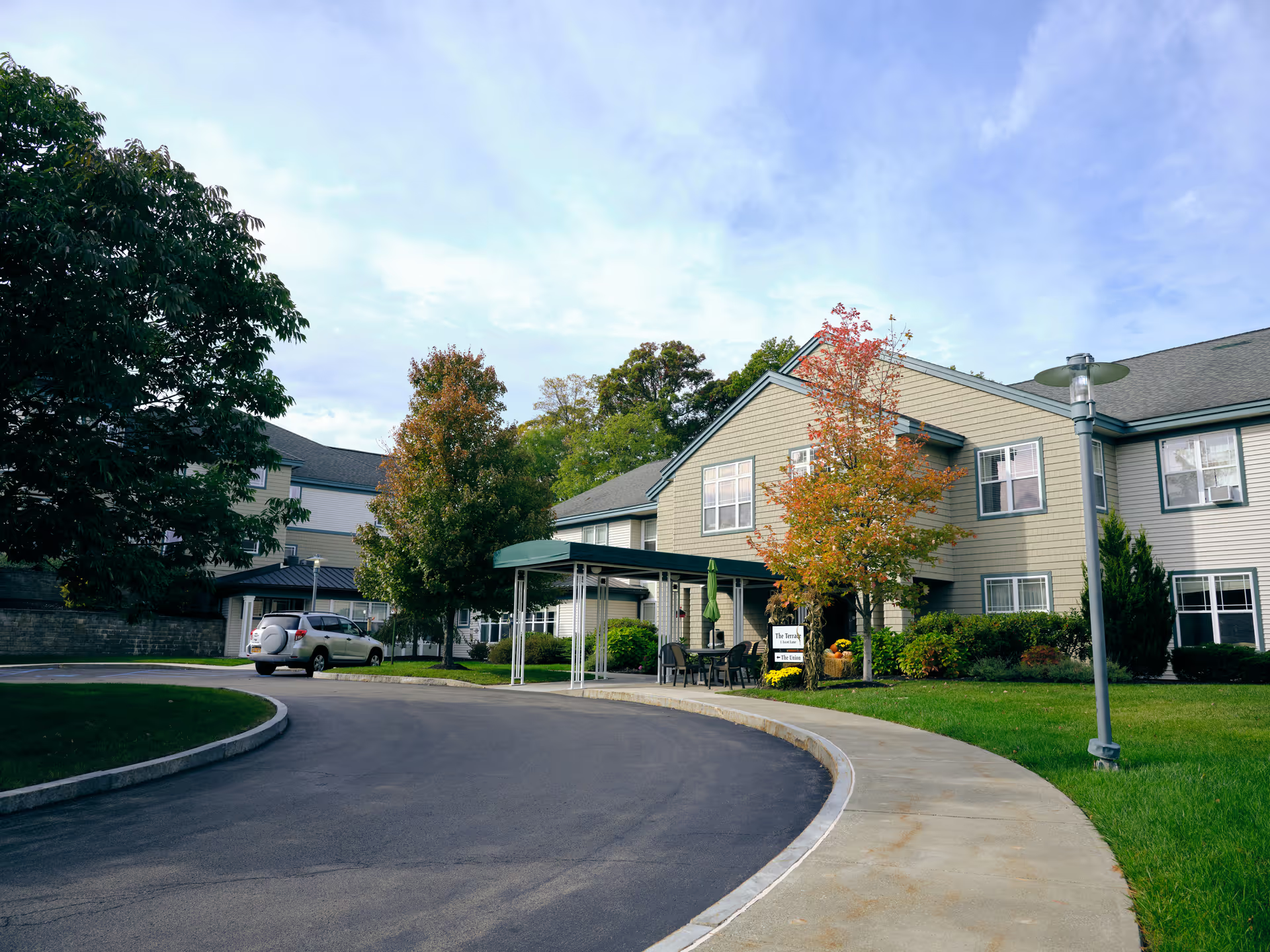
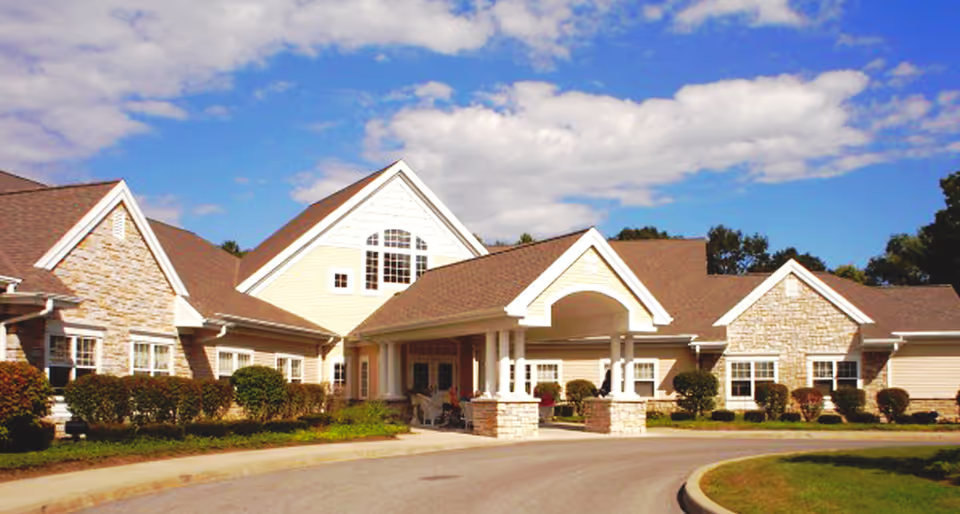
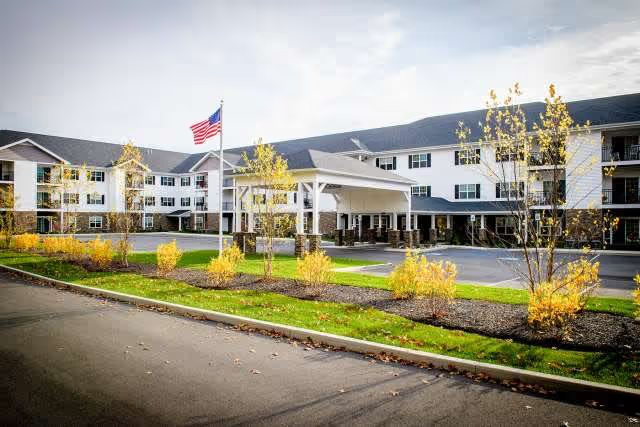
Facilities, cleanliness, and amenities: The building’s appearance, ongoing renovations, bright common areas, and generally clean environment are strengths called out repeatedly. Family-friendly visiting spaces and comfortable areas for relatives are also noted. Specific amenities and dining or activity programs receive less commentary; the available information emphasizes therapy-focused programming over broader leisure activities. If social and recreational programming is an important criterion, ask for a current activities schedule and sample menu during a visit.
Management and operations: Administrative experience is uneven. Admissions and social-work functions are often praised for facilitating discharge planning and community supports, and some reviewers point to smooth operations when staffing is adequate. However, operational weaknesses appear in staffing consistency, supervisory oversight, and front-desk reliability. The combination of positive clinical/rehab comments and operational criticisms creates a polarized picture: the center can deliver high-quality therapy and compassionate care, but operational lapses — particularly those that affect safety, privacy, and property security — have been reported as well. There are also serious individual allegations regarding privacy and missing personal items; these warrant direct, specific questions to management about policies and recent corrective actions.
Notable patterns and recommended checks: Reviews cluster around two themes — strong, often excellent rehabilitation and a clean, updated facility; and intermittent lapses in staffing, communication, clinical monitoring, and property controls. When evaluating Pathways, prospective residents and families should (1) request current staffing ratios and supervision plans for nights and weekends, (2) ask about fall-prevention and wound-care protocols and recent quality metrics, (3) review privacy and personal-property policies, including how belongings are tracked and secured, (4) confirm how family communication preferences are set and how clinical updates are delivered, and (5) tour the facility during multiple shifts if possible to assess consistency of staff interactions and responsiveness. Doing so will help determine whether the facility’s rehabilitation strengths align with an individual resident’s safety and care needs.