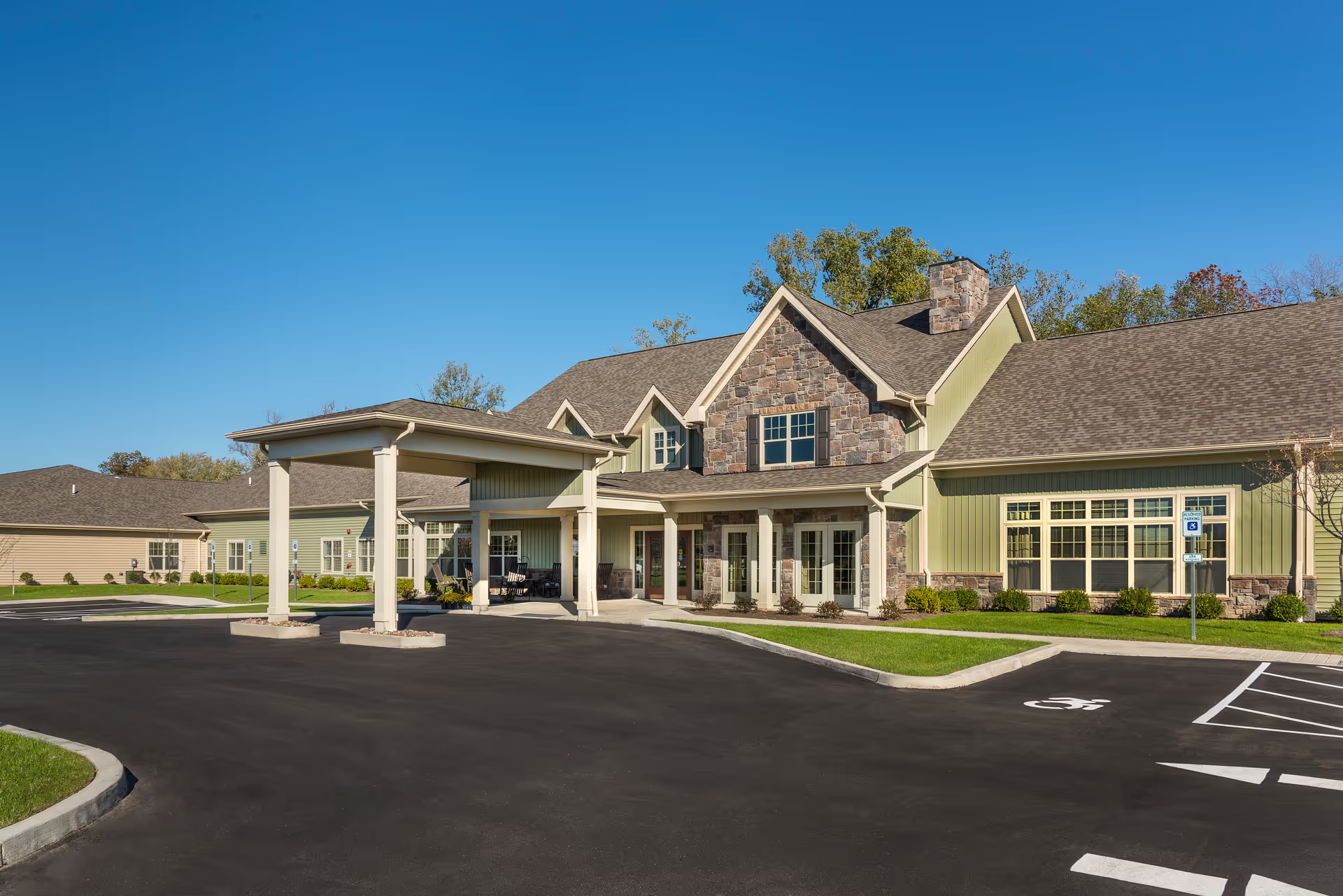
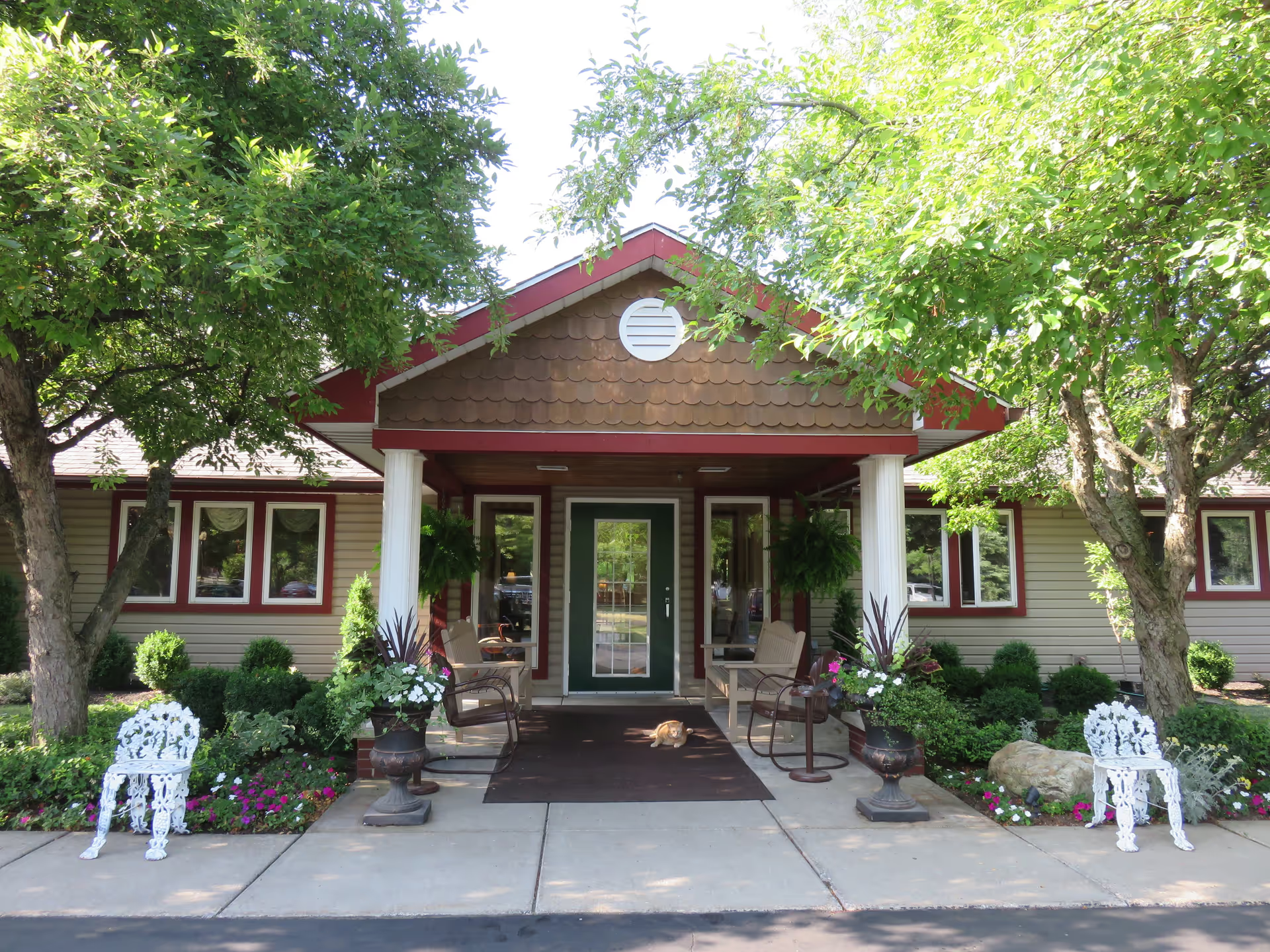
Brookdale Niagara presents a mixed but identifiable profile: many families describe a clean, well‑appointed, small community with strong activity programming, chef‑prepared meals, and staff who are patient and personable with residents living with memory impairment. The physical plant is frequently praised — single‑floor layouts, private suites including patio units, salon and activity spaces, and well‑kept grounds. For families seeking an engaging social environment with regular outings, music, intergenerational events and published daily schedules, the community scores strongly.
Clinical and day‑to‑day caregiving receives generally positive comments: reviewers cite compassionate aides and nurses, on‑time medications, individualized meal accommodations, and effective coordination when hospice services were appropriate. Named staff and managers are repeatedly described as helpful and communicative, and admissions and transition support is often characterized as thorough and reassuring.
At the same time, a recurring set of operational concerns appears across reviews. Financial transparency is a consistent theme — disputes over move‑in and move‑out charges and a perception of hidden or unexpected fees suggest prospective residents should request detailed, written fee schedules and move‑out billing policies. Personal‑item management and laundry controls are another area of concern; several accounts indicate lost or damaged clothing and personal items, which points to weak inventory and laundry‑handling procedures.
Clinical continuity and administrative reliability are mixed. Some reviewers report high staff and leadership turnover that contributes to lapses in care‑plan implementation, delayed or incorrect care documentation, and inconsistent clinical assessment. This is tied in some reports to gaps in fall‑prevention and supervision practices; families considering the community should review fall‑risk protocols, staffing ratios for higher‑acuity memory‑care residents, and transfer/transport procedures. Administrative communication — including insurance handling, mail/account accuracy, and callbacks from leadership — is an additional operational area to verify during tours.
Dining and activities are strong selling points, with numerous positive comments about food quality, meal variety, and socially engaging programming. However, some policies around dining with visitors and limited common‑area seating were noted as restrictive by a few families. Housekeeping and upkeep are generally praised, though there are isolated comments about inconsistent follow‑through that warrant questions about daily housekeeping procedures and monitoring.
In summary, Brookdale Niagara appears to offer many strengths typical of a smaller, activity‑focused assisted living/memory‑care community: warm caregiving, strong programming, and pleasant facilities. At the same time, recurring administrative and operational themes — billing transparency, personal‑item controls, care‑plan continuity, fall‑prevention measures, and end‑of‑life coordination — are important to address proactively. Prospective residents and families would benefit from targeted conversations during tours and contract review: request detailed fee breakdowns, ask for written care‑plan and fall‑prevention protocols, clarify laundry and personal‑item procedures, and identify primary clinical contacts to ensure continuity of care.