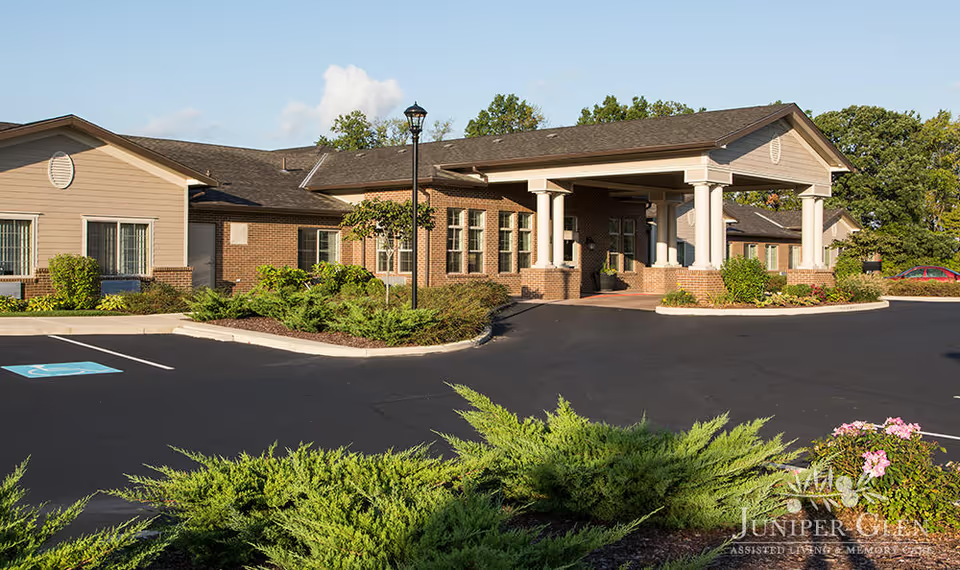
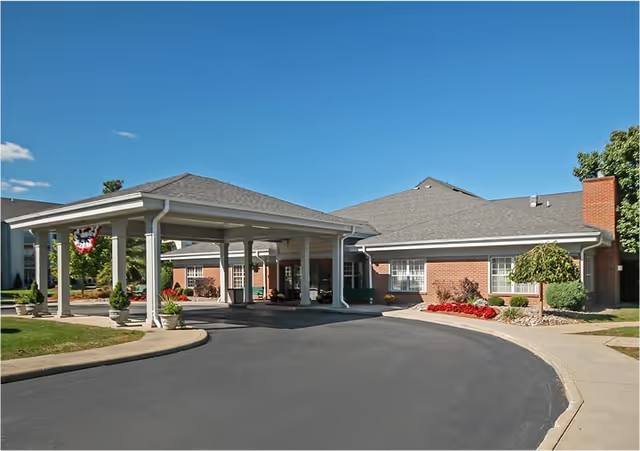
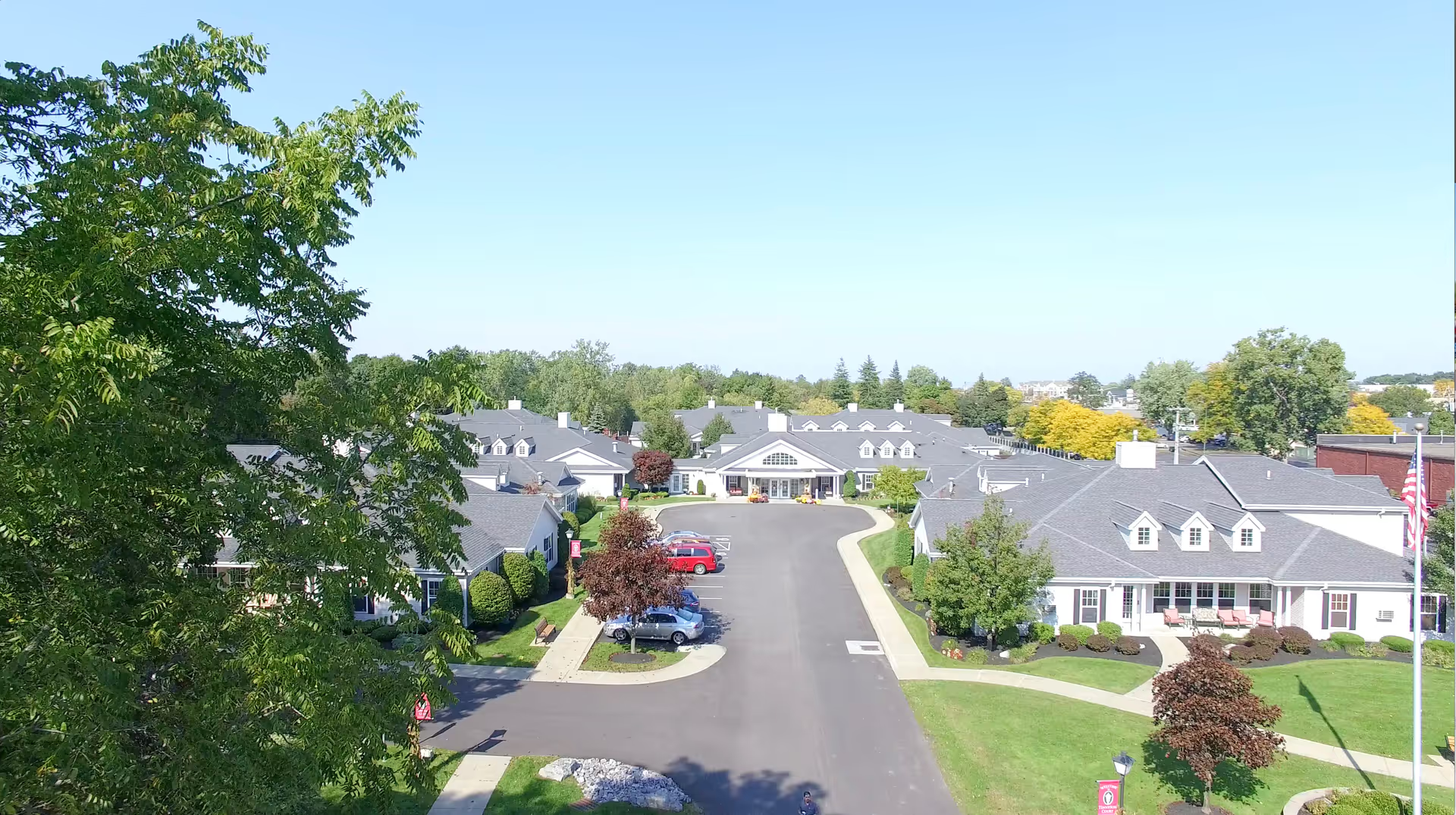
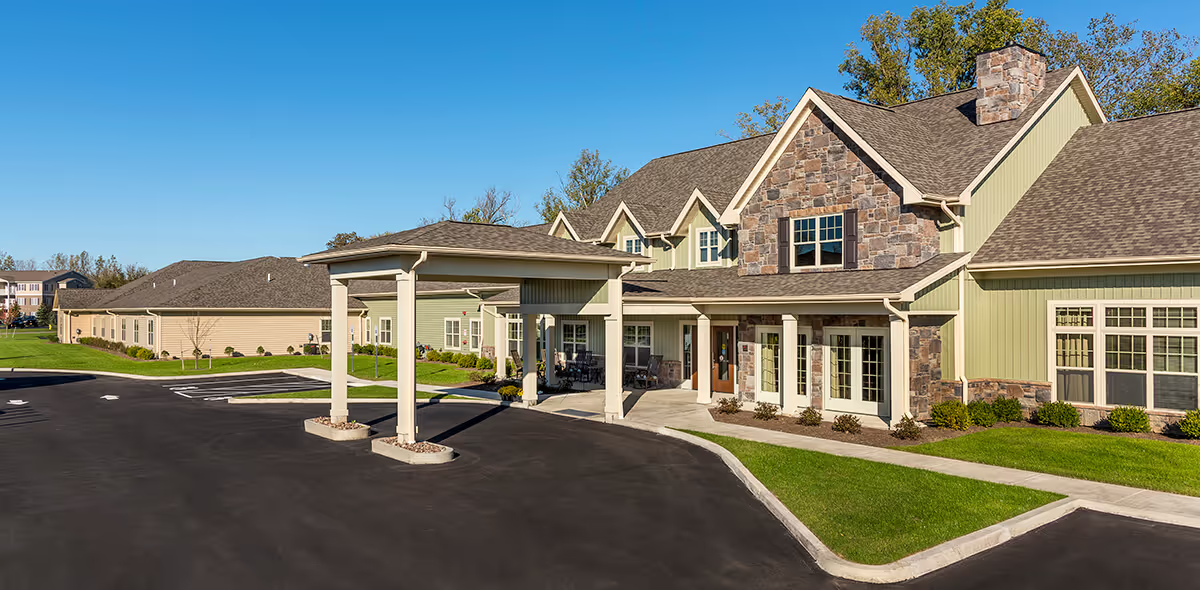
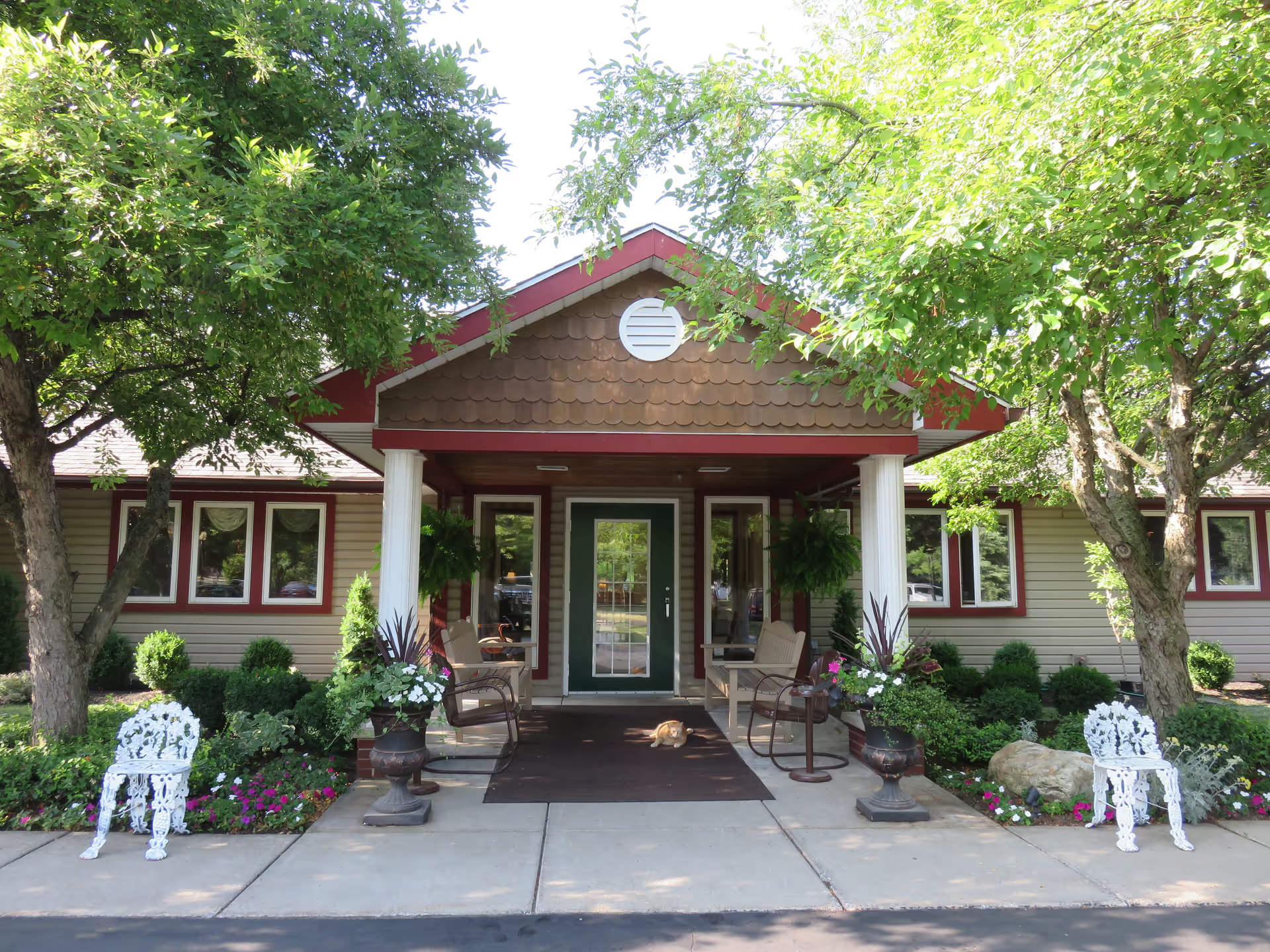
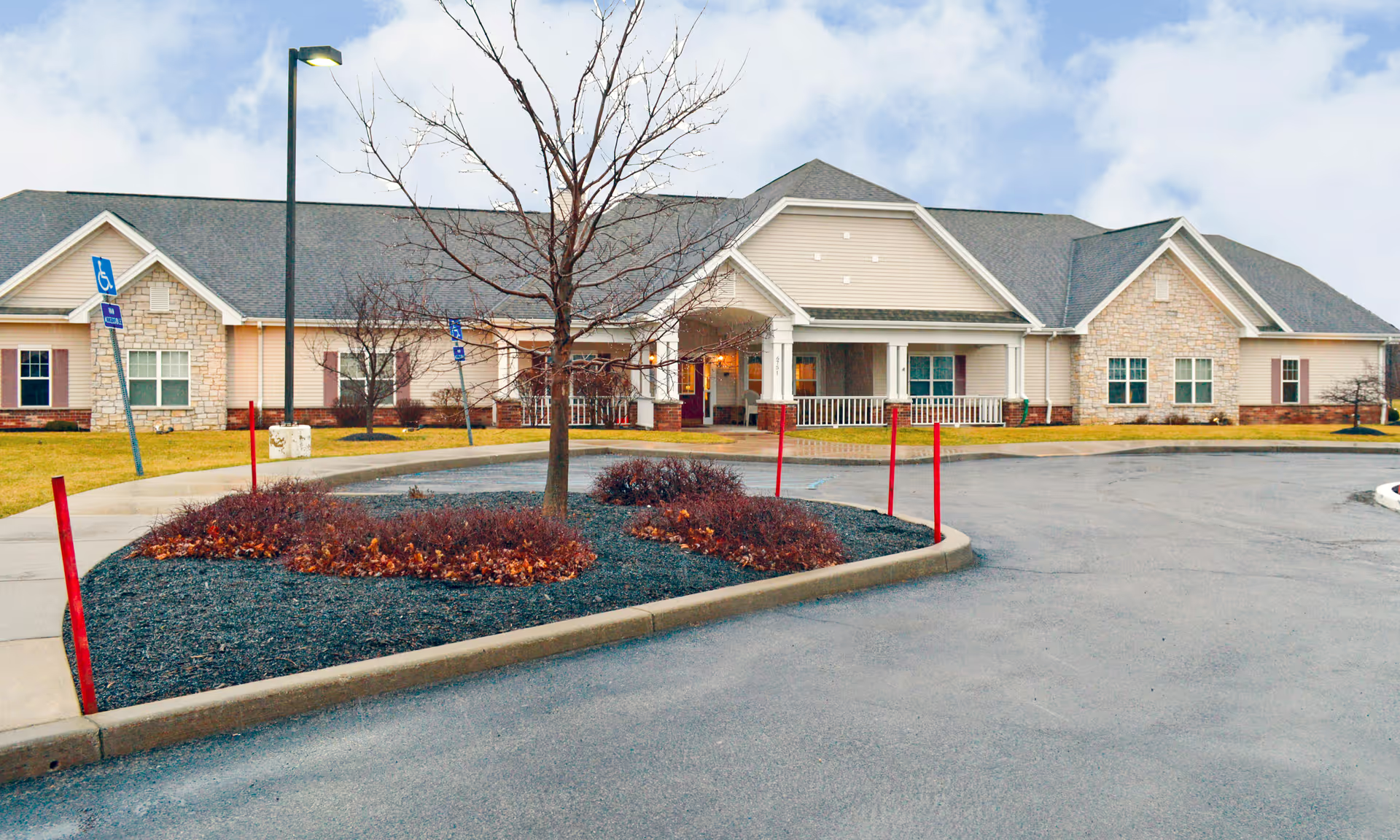
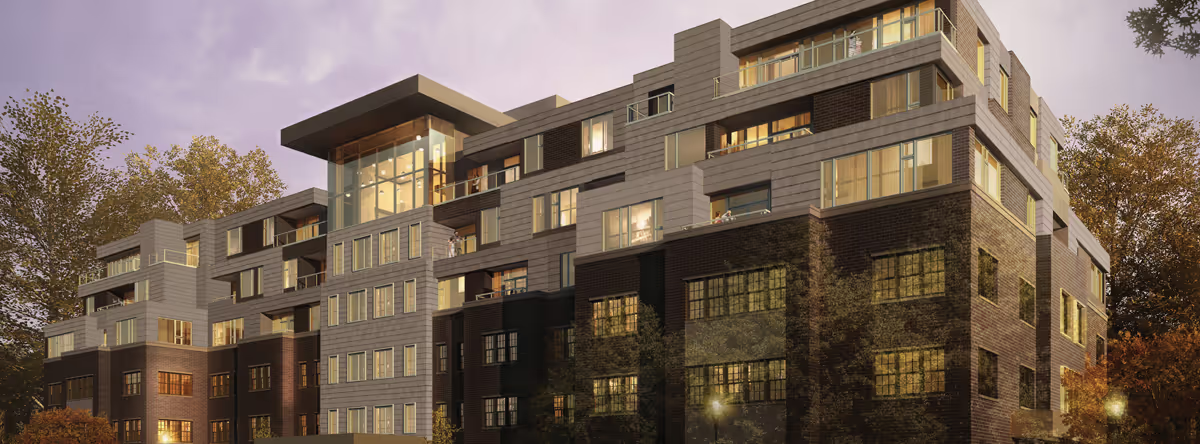
Solstice Senior Living at East Amherst presents as an attractive, well-maintained independent-living community with many features families value: landscaped grounds and walking paths, private patios or balconies for units, wide corridors and accessible public spaces, and a long list of on-site amenities (salon/barber, library, activity rooms, movie room and an on-site store). Apartments come in multiple sizes and layouts, and the community has recent renovations and bright, open common areas that create a hotel-like, resort feel for many residents.
Staff and direct care are among the community's strongest themes. Many families and residents describe compassionate, engaged staff and round-the-clock availability of aides and front-desk support. There is an on-site care partner and optional in-home aide services that allow residents to remain in the community while receiving assistance. Multiple accounts praise specific leadership and activity personnel for personal attention and successful transition support; however, there are also recurring notes about variable conduct and communication from some staff and periodic turnover that can affect consistency.
Dining and food service generate a polarized pattern. Numerous reviewers praise a chef-driven, restaurant-style program with menu variety, diabetic-friendly options, and included transportation and outings. Conversely, other accounts describe inconsistent meal quality, presentation issues, and occasional service gaps that raised concerns about nutritional adequacy and continuity. Prospective residents should sample meals and ask questions about dining procedures and contingency plans for high-demand periods.
The activity program is a clear strength in scope: fitness classes, yoga, live music, field trips, religious services, clubs and regular social events are widely available and frequently cited as central to residents’ quality of life. Engagement levels vary by individual and by event; some families noted quiet periods between scheduled programming and uneven activity coordination. The community’s smaller size and resident-first culture support social integration for many newcomers.
Operationally, several patterns merit attention. Administrative issues appear as an area of concern for some families—examples include billing communication problems, perceived fee increases relative to value, and complaints about how sensitive matters (including end-of-life billing and moves) were handled. There are also recurring notes about inconsistent housekeeping or sanitation in specific areas, parking fees and confusing site signage, and some accessibility limitations in particular units (fixture heights, units distant from elevators). The apartments are designed for independent living and most do not include full kitchens, which is appropriate for residents seeking a dining-included model but may be a limitation for those who want to cook.
In summary, East Amherst is often described as a warm, activity-rich independent living community with strong grounds and many resident amenities, and many families report excellent staff interactions and a smooth transition experience. At the same time, reviewers describe meaningful variability in meal service, administrative communication, and operational consistency—issues that can affect perceived value. Prospective residents should arrange multiple visits (including meal sampling), ask for current information on staffing stability and administrative policies (billing, parking, and care transition options), and confirm how the community manages meal-service continuity and higher-level care needs if future changes in health status are a possibility.