The Amberleigh presents a mixed but clearly delineated profile: it offers many of the lifestyle and social features families look for in a continuing-care community while also showing operational weaknesses that have produced widely divergent resident experiences.
Staff and clinical services are a central strength. Reviewers frequently describe staff as personable, compassionate, and attentive; many specifically noted 24-hour nursing coverage, on-site medication administration, and available therapy services (OT/PT/personal trainers). The community advertises three levels of care and transportation services to medical appointments, and some families reported positive, proactive clinical attention and smooth transitions. At the same time, multiple accounts documented high turnover and periodic understaffing that affect daily responsiveness — for example, long waits for assistance and uneven nurse/aide availability during nights and weekends.
Dining and activities represent another area of contrast. The Amberleigh maintains a robust calendar—exercise classes, music, trips, speaker series, and a variety of clubs and social events—and many residents and families highlighted an active, social atmosphere and well-run programs. Amenities such as a salon, small store, lounges, game rooms, and landscaped courtyards contribute to community life. However, food quality and meal-service continuity emerged as recurring concerns: reviewers described inconsistent meal temperatures, limited portions, running out of menu items, and staffing-related disruptions in the dining room. These dining inconsistencies have had a material impact on some residents’ satisfaction.
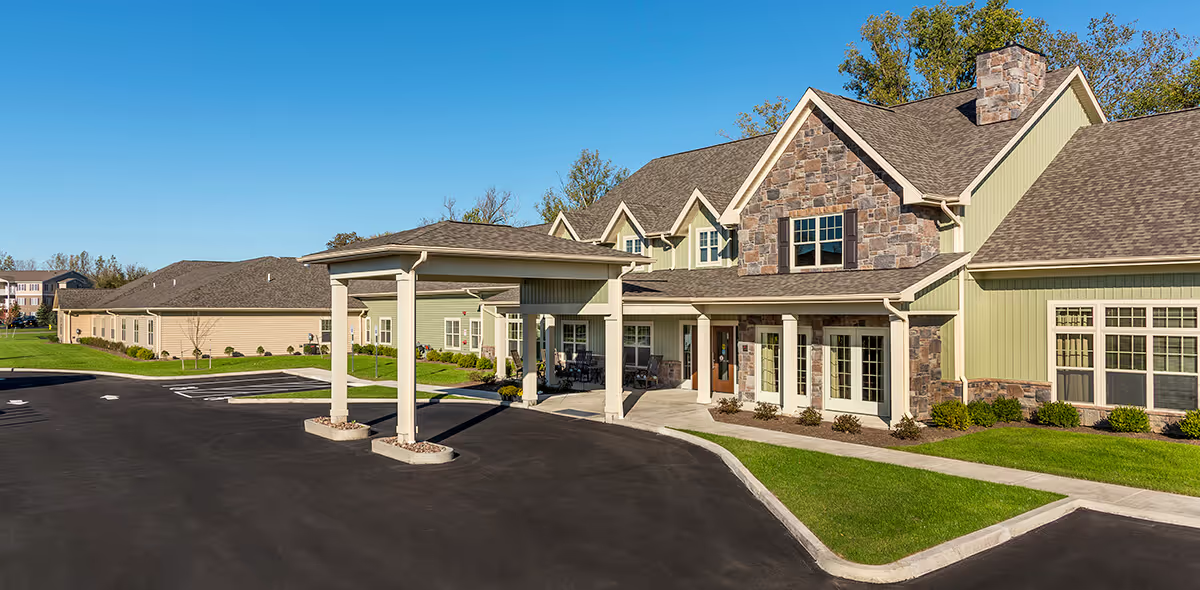
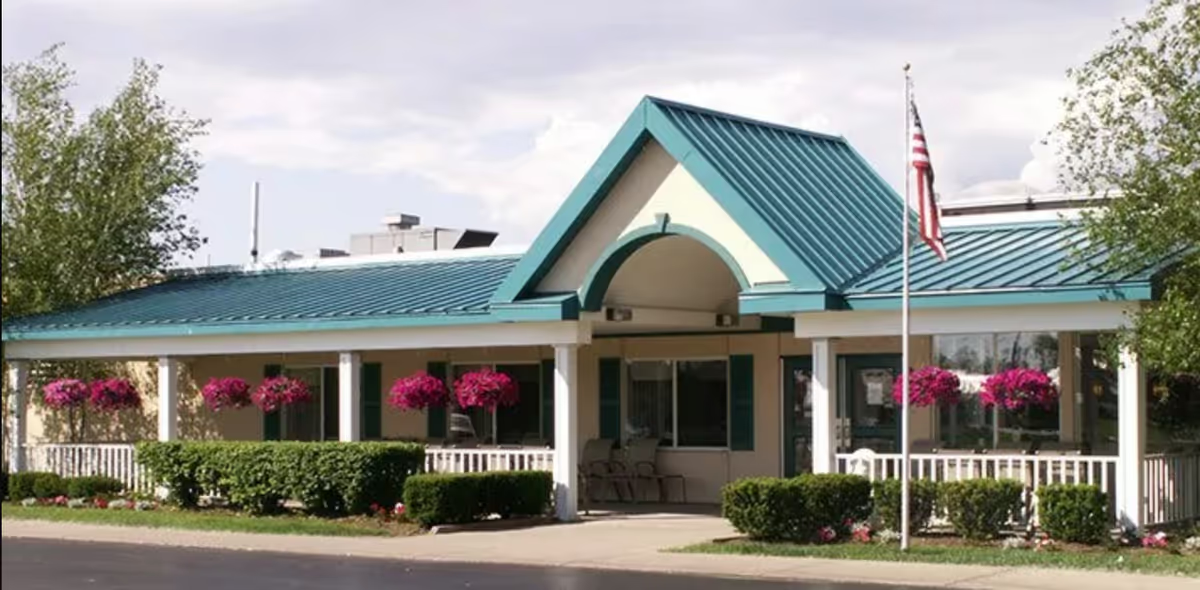
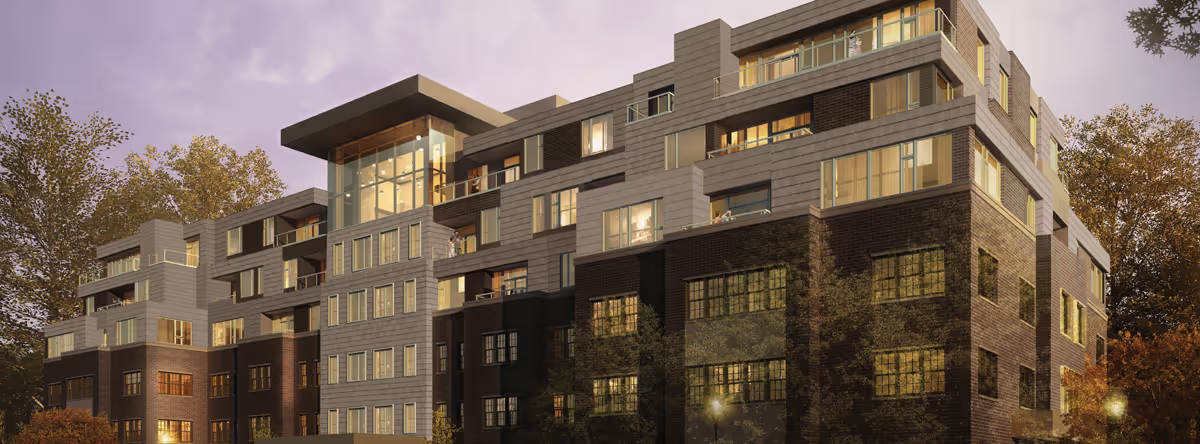
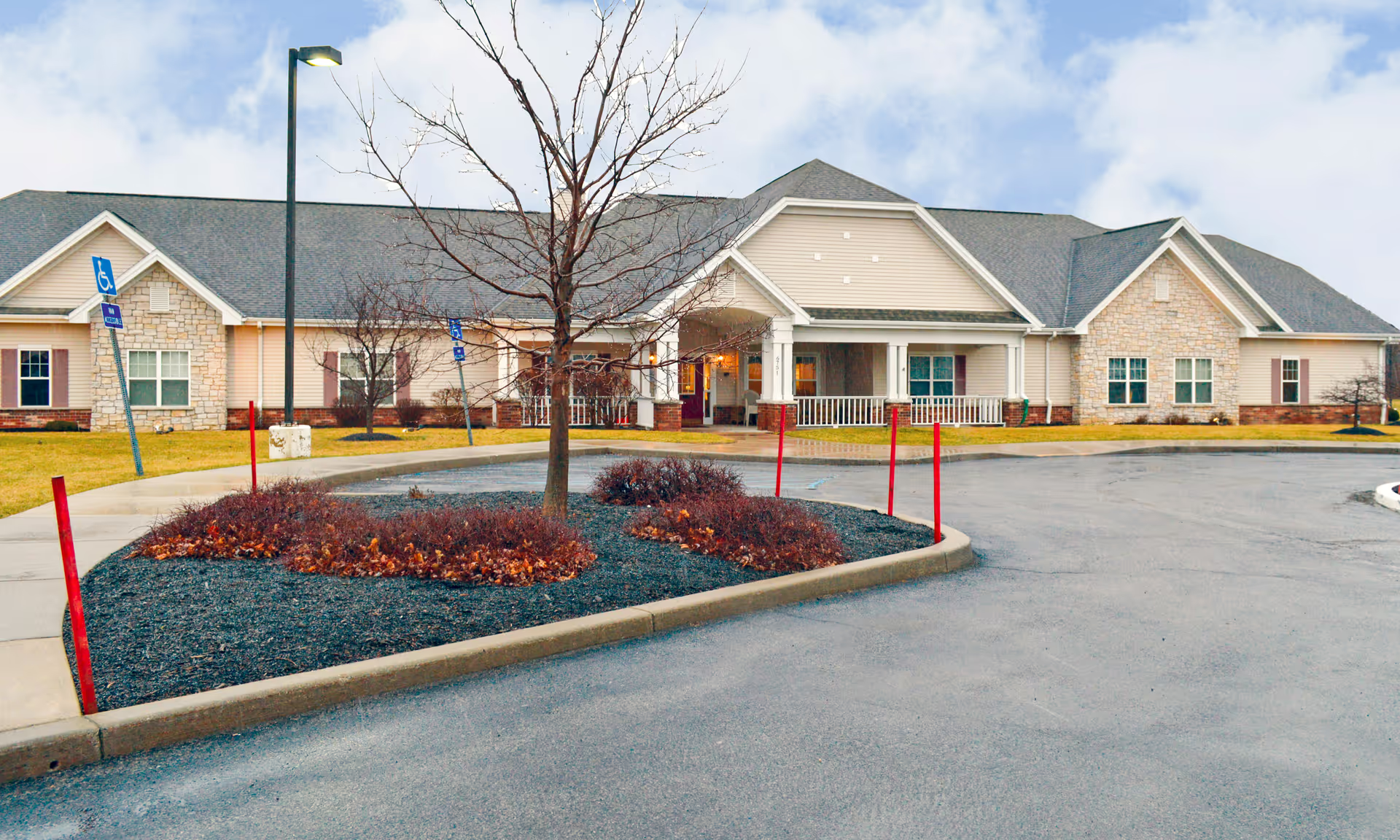
Facility condition and housekeeping reports are similarly mixed. The campus and grounds are often praised for attractive landscaping, bright common areas, and recently remodeled units with modern kitchens and balconies. Conversely, there are numerous comments about aging sections, maintenance backlogs (air conditioning, hot water, elevator and ceiling repairs), spotty housekeeping in certain units, and pest-control or odor concerns in some areas. Laundry and linen policies vary by unit type; some residents benefit from weekly housekeeping and free laundry while others cite extra fees or limited in-unit washer/dryer availability.
Management, communication, and operations are a recurrent theme. Positive accounts describe professional admissions staff, helpful move-in assistance, and responsive maintenance. Negative accounts identify leadership turnover, defensive or unapproachable management responses, billing confusion, and unclear ancillary fee disclosure. A small number of serious allegations — including theft and staff-conduct incidents — were raised; these appear as isolated but significant concerns to families and should prompt careful inquiry during tours and reference checks.
Overall pattern: many residents report a welcoming social environment, engaged staff members, and amenities that support an active independent-living lifestyle. At the same time, operational weaknesses — chiefly inconsistent staffing, meal-service reliability, variable housekeeping, and maintenance backlogs — have produced polarized experiences. Prospective residents and families should prioritize an in-person assessment focused on current staffing levels, dining operations, cleanliness in specific units, written care-transition policies, fee transparency, and recent leadership stability before committing.