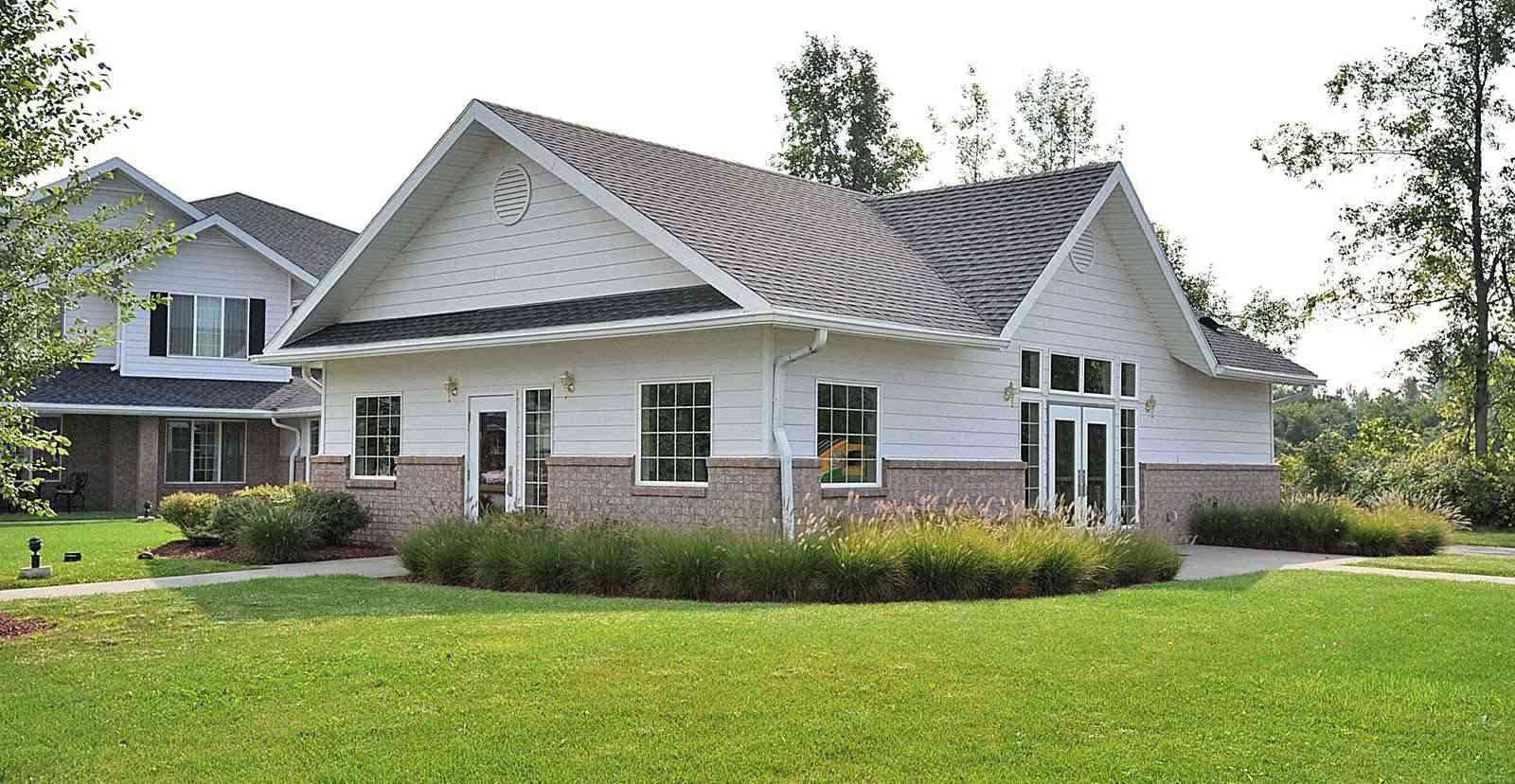
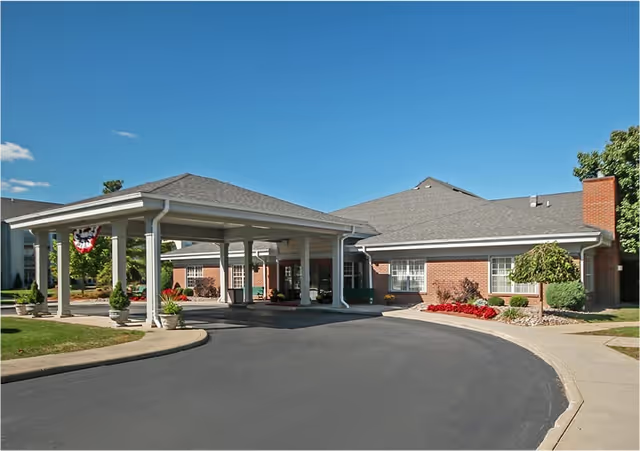
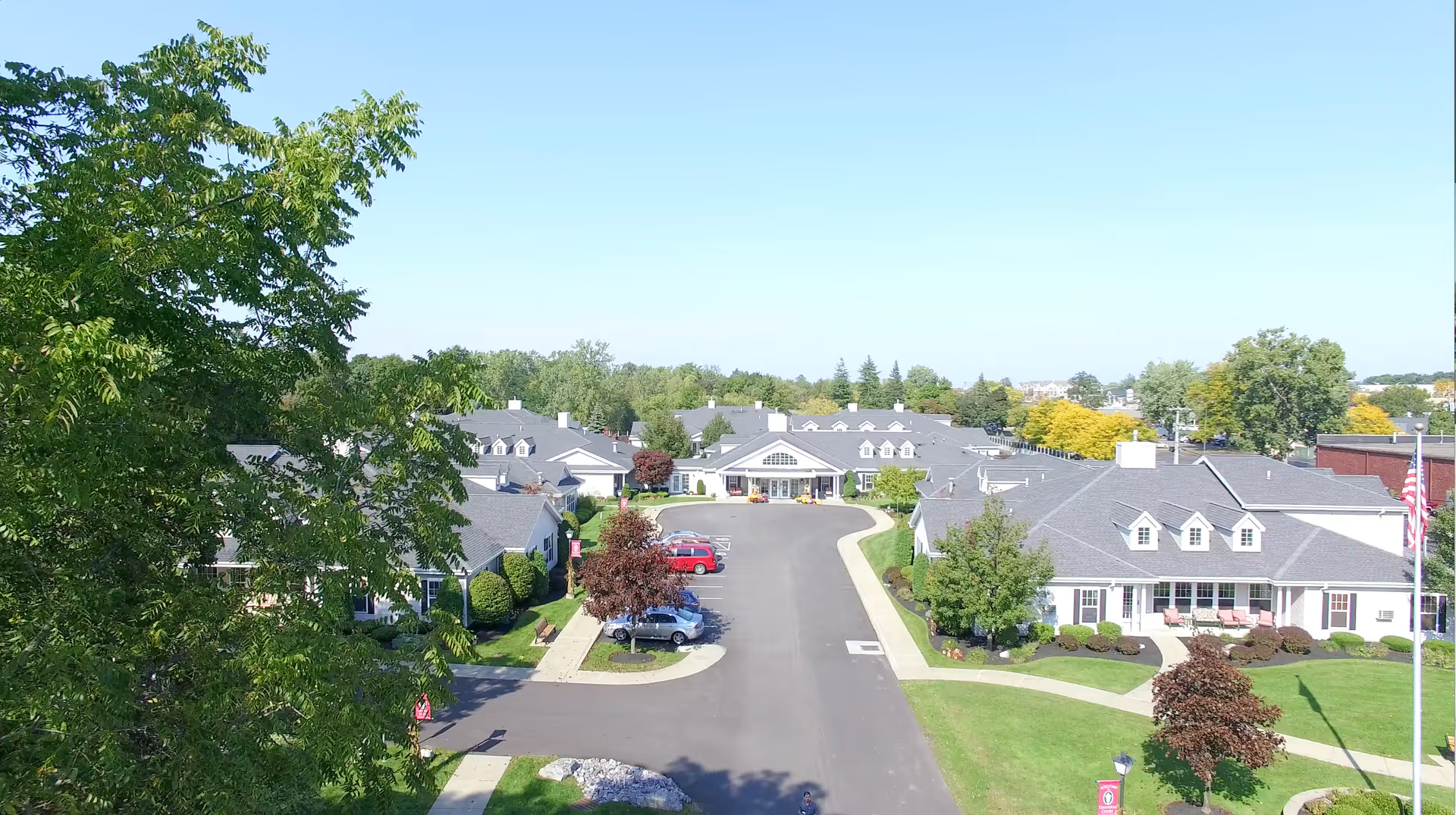
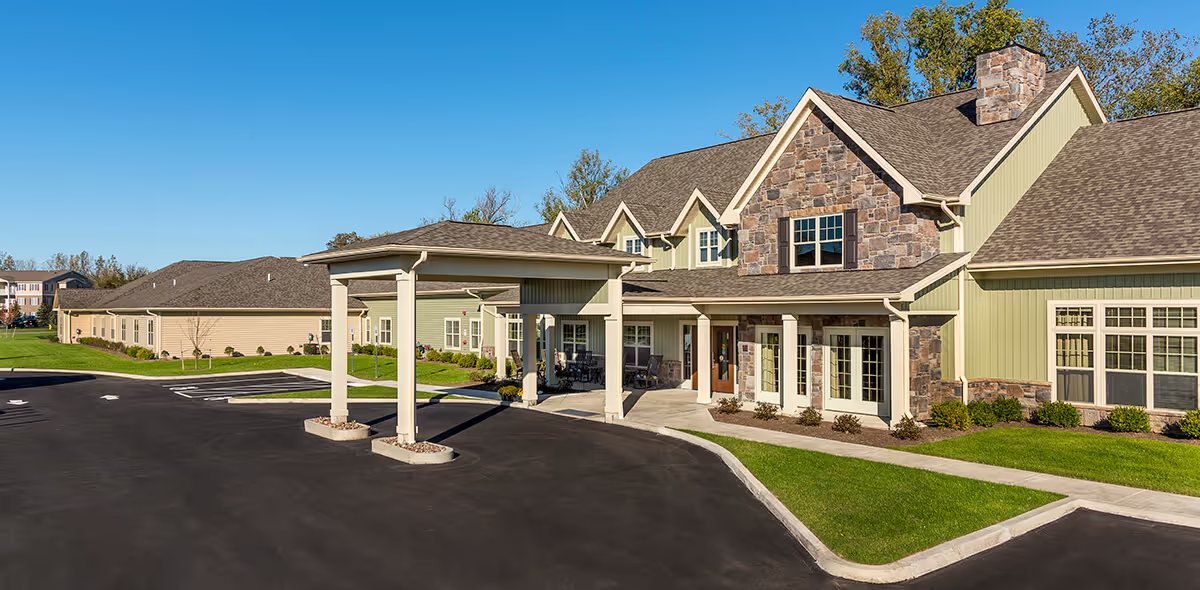
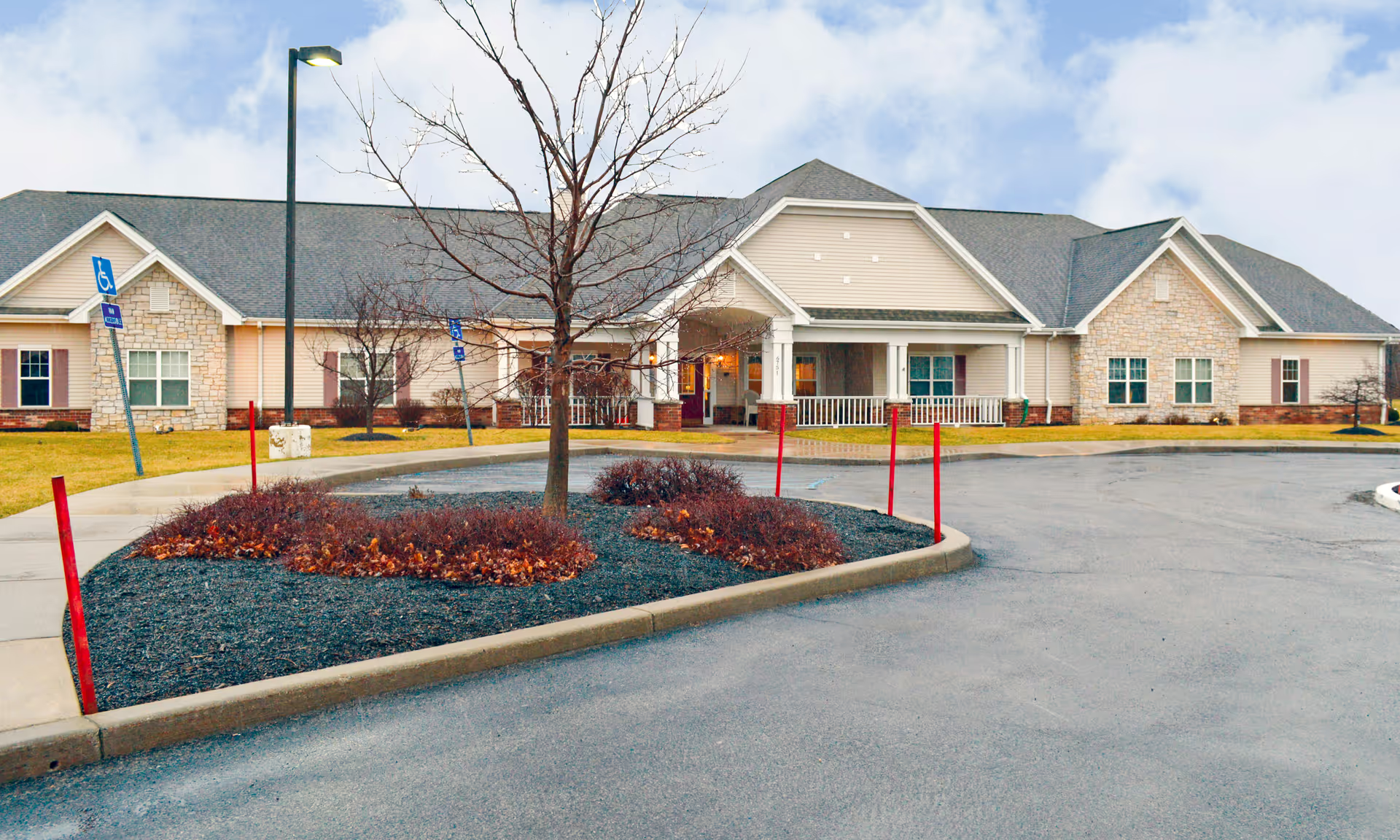
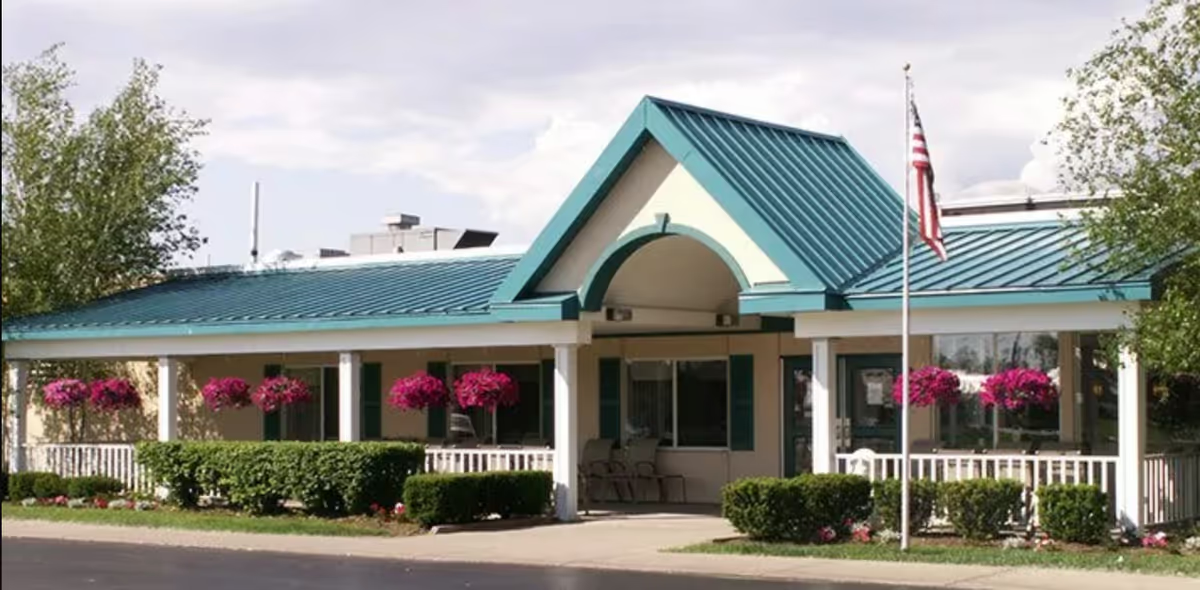
Juniper Glen presents as a newer, well-maintained memory-care community with a consistently cited strength in resident-facing caregiving. Families frequently describe staff as warm, engaged, and knowledgeable about dementia care; caregivers are noted for knowing residents by name, encouraging participation in activities, and creating a home-like atmosphere. The nursing team and on-site concierge/administrator receive repeated positive remarks for hands-on involvement and supportive transitions. The facility’s design — secure, wander-friendly layouts, multiple common areas, and outdoor courtyards — supports supervised activity and socialization for residents with memory impairment.
Dining and activities are generally regarded as strengths. Reviewers commonly highlight an organized dining experience, a restaurant-like dining room, and a chef willing to try new recipes. Activity programming is described as structured and varied, providing residents with purpose and engagement; however, activity availability can be affected by infection-control periods or staffing constraints. While many families praise meal quality and the range of activities, several comments indicate variability in menu execution and perceived meal quality in some instances.
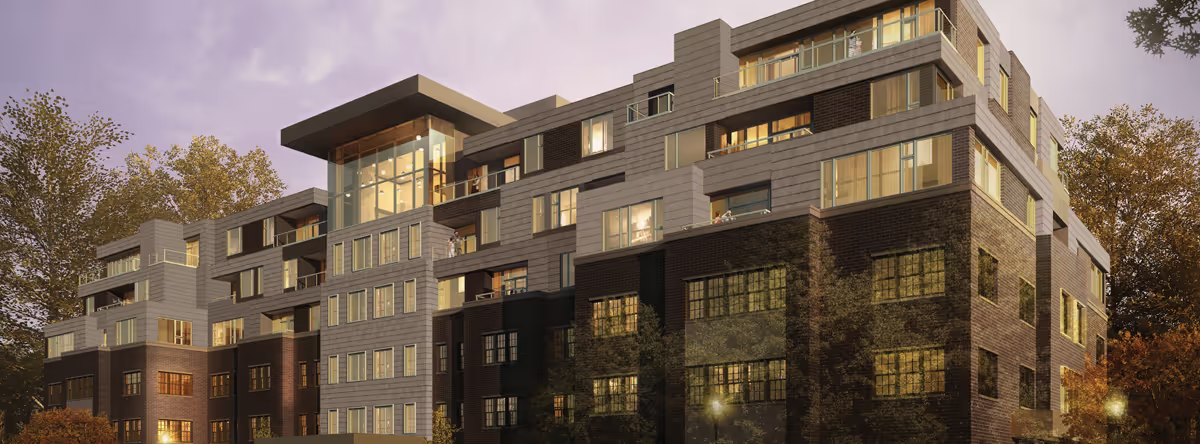
Facility cleanliness and ambience receive strong positive mention: the community is often described as spotless, odor-free, and modern, with generous private-room options and accessible outdoor spaces. At the same time, a few reviewers found the campus large or challenging to navigate for certain residents, suggesting that scale and layout may not suit every care recipient equally.
Notable operational concerns appear across a subset of reviews and warrant attention. These include staffing instability and turnover that can affect continuity of care and family communication; inconsistencies in medication administration documentation; lapses in personal-care scheduling (including bathing and hygiene routines); and occasional issues securing or accounting for residents’ personal belongings. Several families also described breakdowns in management continuity and difficulty resolving complaints, with some accounts indicating escalation to regulatory scrutiny. These references suggest gaps in complaint handling and leadership responsiveness rather than uniform care failure across the community.
Cost and access are additional practical considerations: the community is described as relatively expensive and does not accept Medicaid, which may limit affordability for some families. Visiting-space constraints and periods of restricted activities during quarantine were also noted as temporary limitations.
Overall, Juniper Glen appears to deliver a high level of person-centered, dementia-capable care in a clean, well-appointed environment with many satisfied families. Prospective residents and their families should verify current staffing stability, medication-management protocols, personal-belongings procedures, and leadership responsiveness during tours and reference checks to ensure the operational practices match the caregiving strengths highlighted by many reviewers.