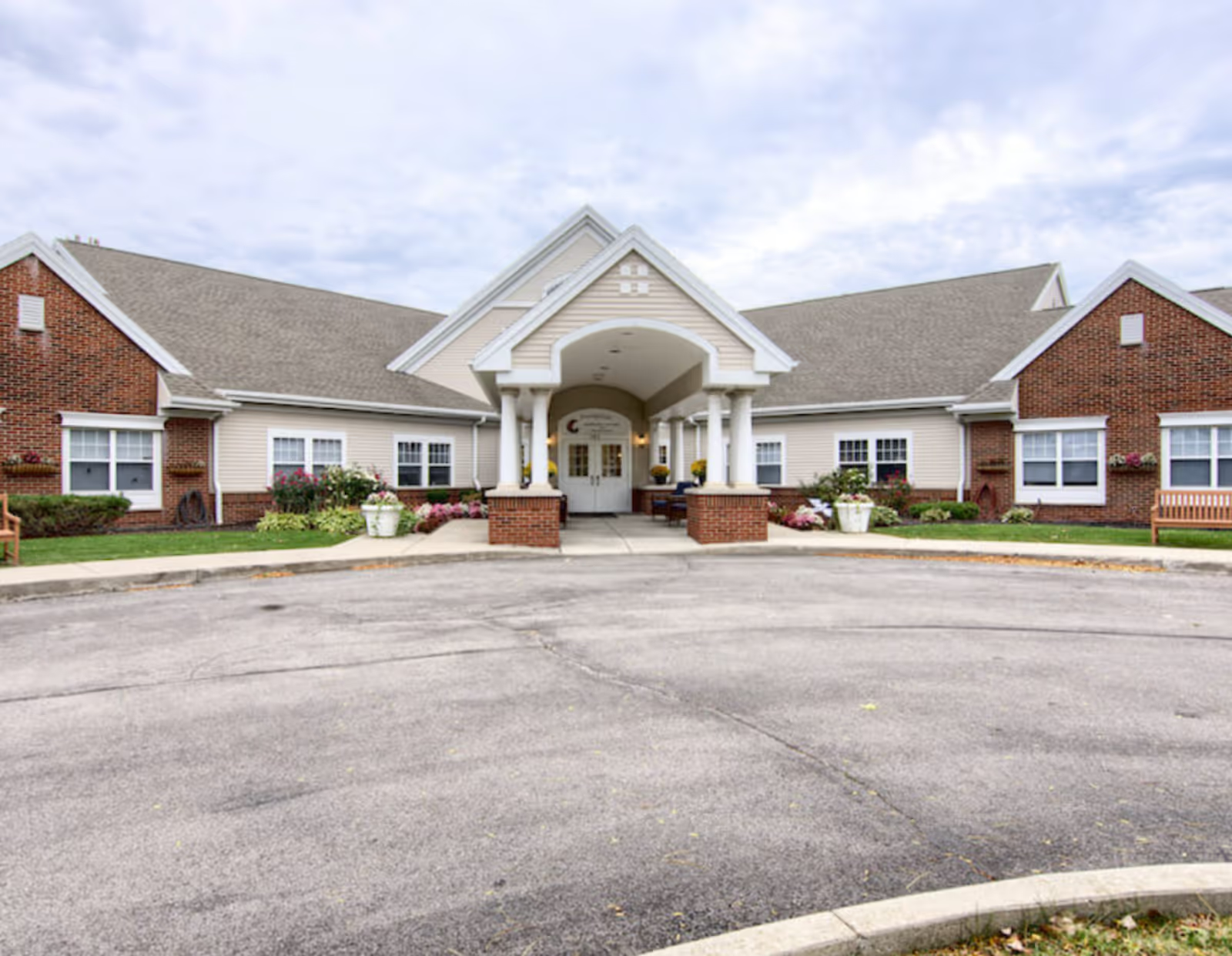
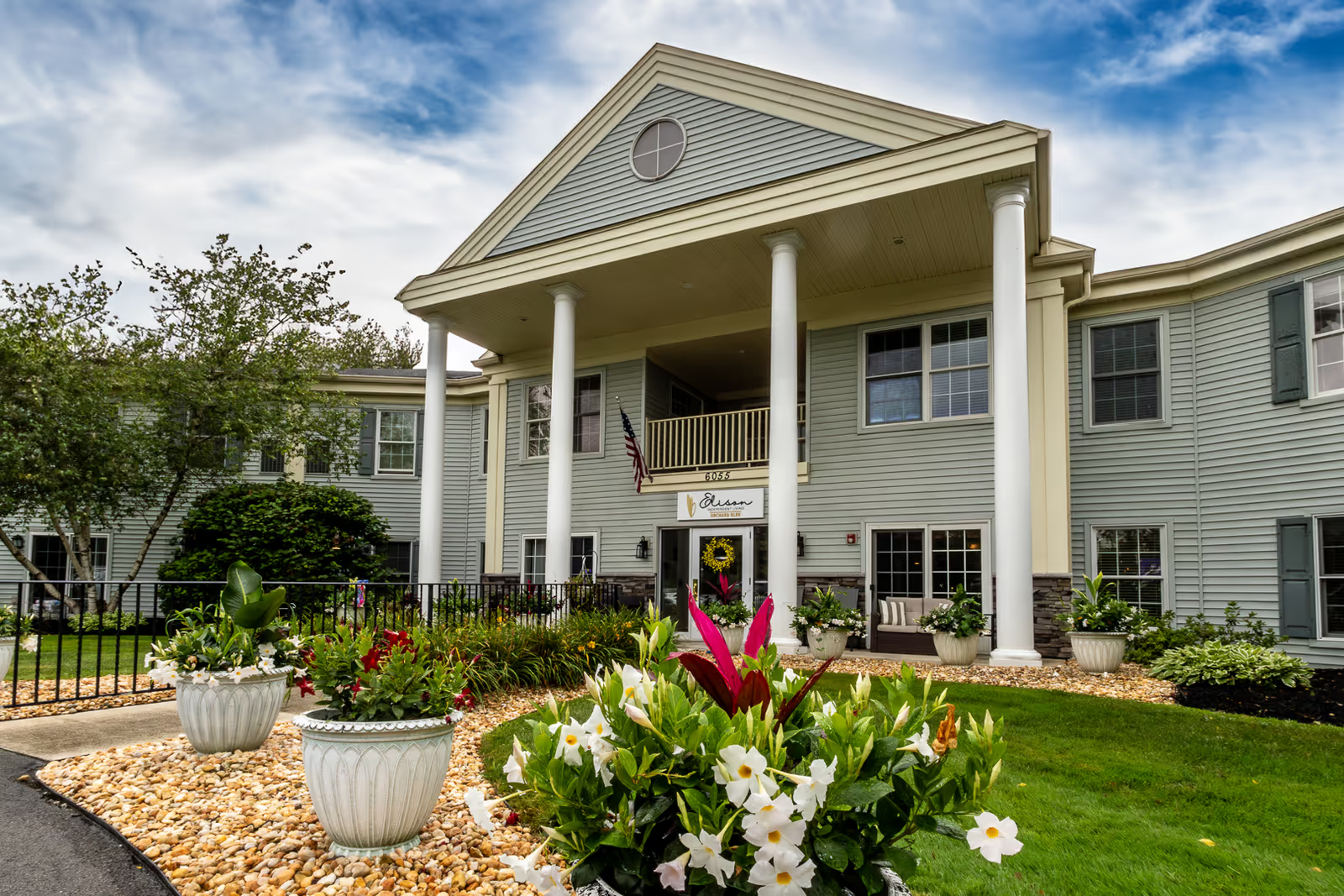
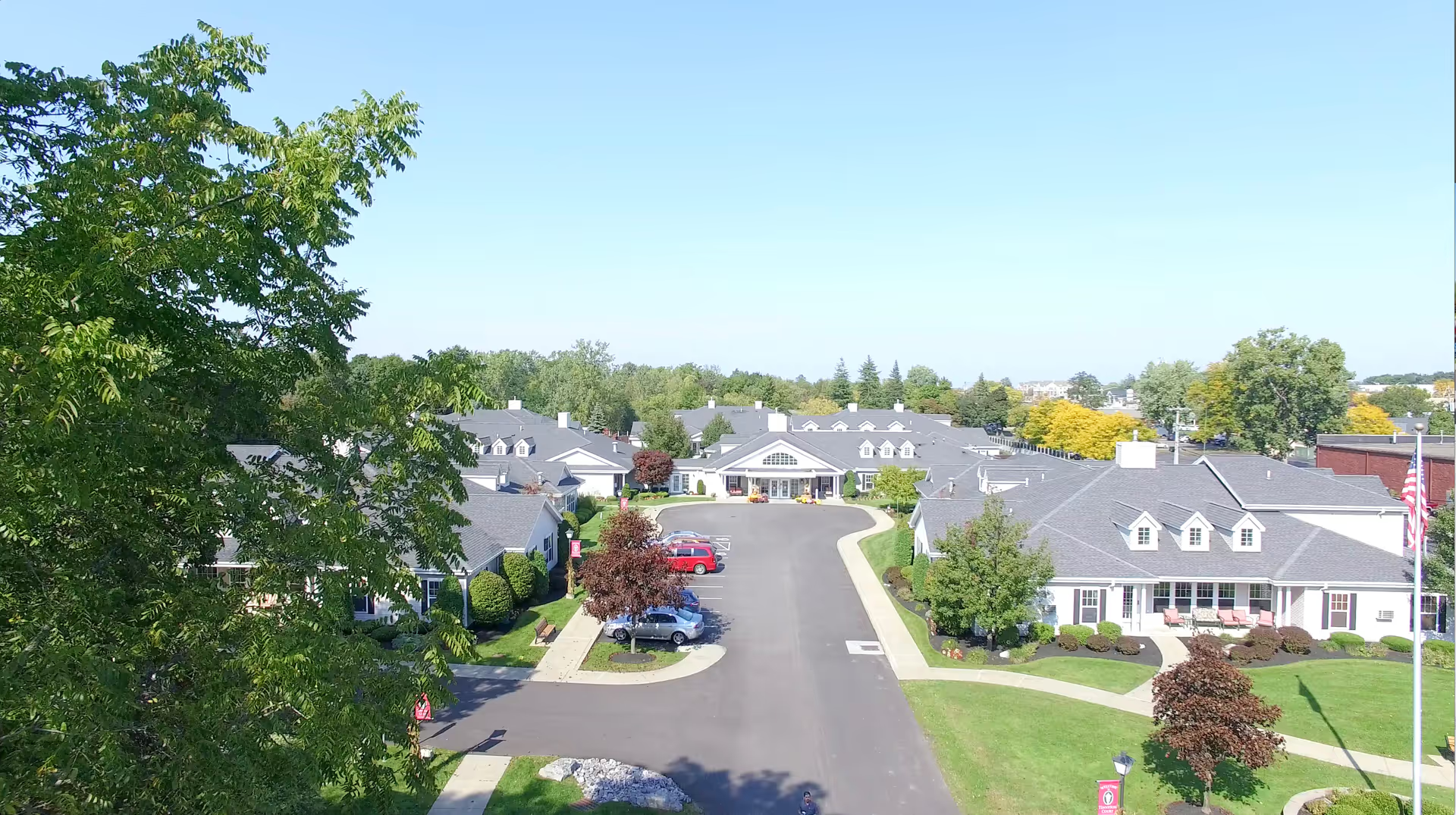
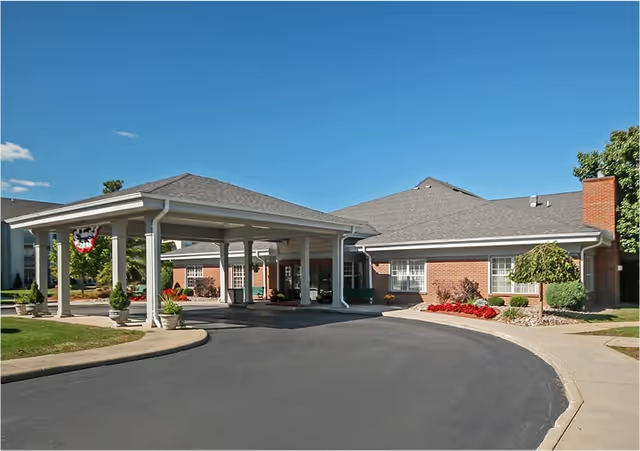
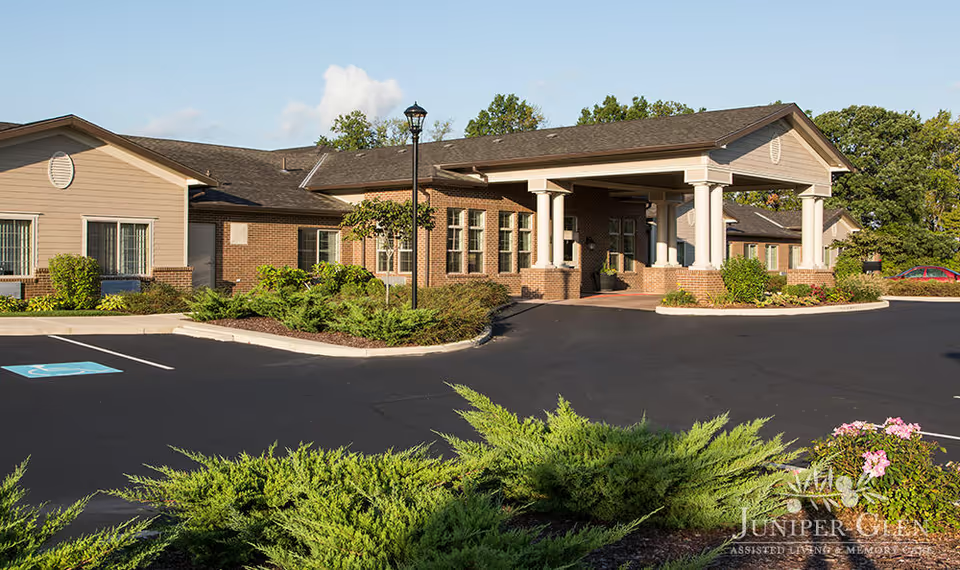
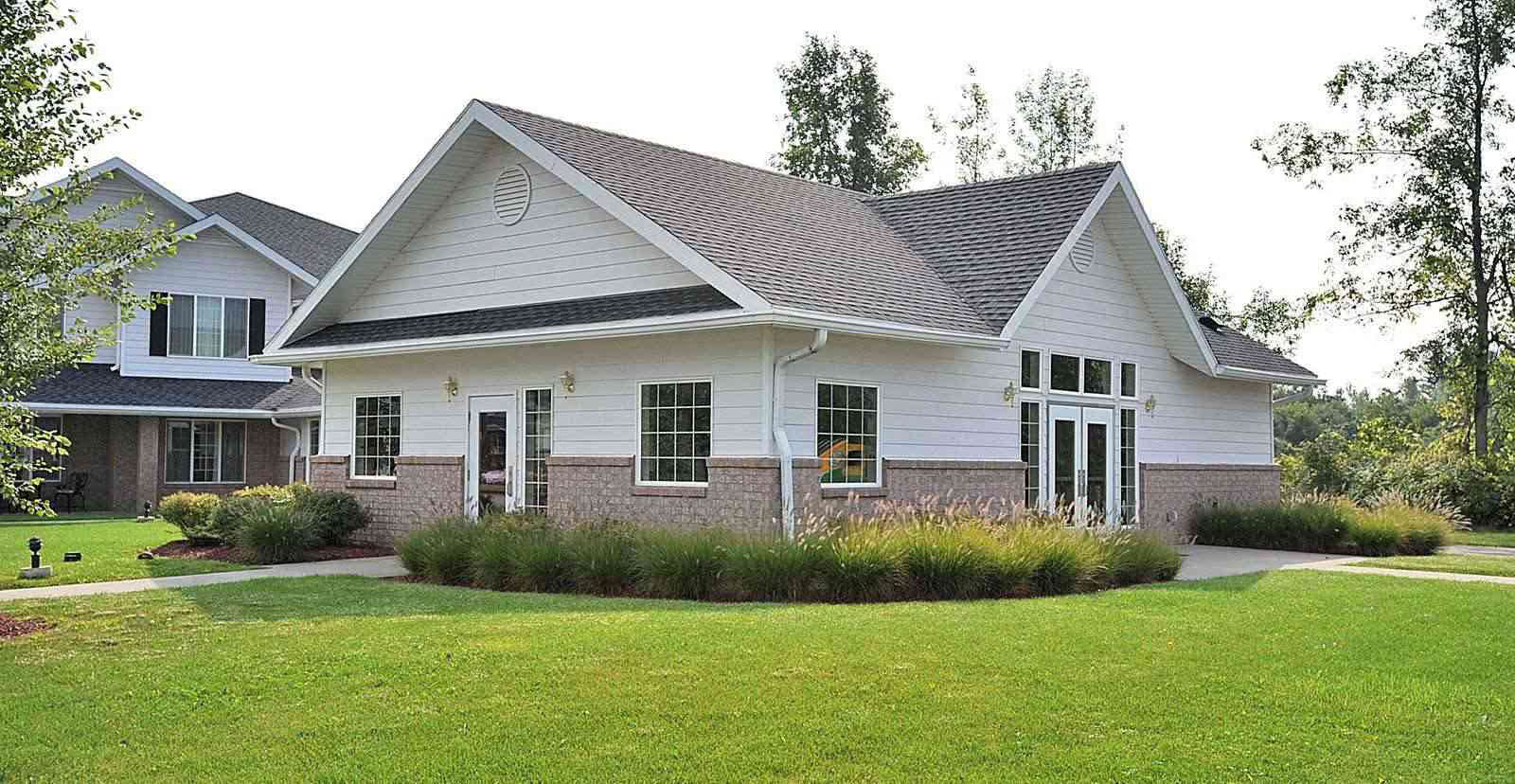
The reviews reflect a facility that delivers many elements families value — a single-story, accessible campus with multiple communal spaces (courtyards, game room, ice cream parlor, salon), a varied activities program, and generally clean living areas. Numerous accounts describe warm, attentive caregivers, an active activities calendar with music, games, church services and field trips, and on-site clinical supports including nursing and therapy. Many families praised the dining options, social spaces, and the facility’s ability to preserve resident independence and a home-like atmosphere.
At the same time, there are recurring operational concerns that prospective families should evaluate. Medication management appears inconsistent: examples cited include missing doses, prescription/refill problems, and medication-administration gaps. Personal-care scheduling is another pattern-level issue, with reports indicating variability in bathing support and hygiene assistance. Reviewers also describe staffing shortages and turnover that can affect continuity of care and the facility’s responsiveness during busy periods.
Staff strengths are notable but variable. A large number of reviews emphasize compassionate, helpful aides and nurses who create a family-like environment; other accounts describe staff who are curt, insufficiently trained in memory-care needs, or unevenly responsive. Management and communication emerge as distinct themes: families mention administrative changes, perceived cost-focused decision-making, delays or gaps in communication, and concerns about how admissions, notices, and move-out policies are implemented. There is at least one allegation of misrepresentation of memory-care services and mention of potential regulatory referral, which suggests families should review the facility’s service agreements and any regulatory history directly.
Dining and social engagement show a split as well. Many residents enjoy varied menus, a large dining room, and resident-centered events that facilitate socialization. Conversely, some accounts describe inconsistent meal supervision and social isolation at mealtimes for residents who need assistance or encouragement to eat. Clinical service contracting also affects care: diabetic management appears to be partly outsourced, limiting some in-house nursing functions such as routine blood-glucose testing and insulin administration for certain residents.
The physical environment is broadly seen as clean and well kept, with appealing common areas and convenient layout, but reviewers note the building is older and modernization is uneven. Practical items raised by families include cost and payment policies (direct-pay only in some cases), veterans-benefit paperwork timelines, and clarity on financial and discharge procedures.
Overall, Eden Heights of West Seneca shows clear strengths in social programming, amenities, and many frontline caregivers, but potential residents should assess operational reliability before committing. Recommended topics for a focused tour and contract review include medication-administration protocols, bathing and personal-care schedules, staffing levels and turnover, on-site clinical coverage (especially for diabetes care), meal assistance practices, administrative communication policies, financial terms, and any regulatory or quality-of-care records the facility can provide.