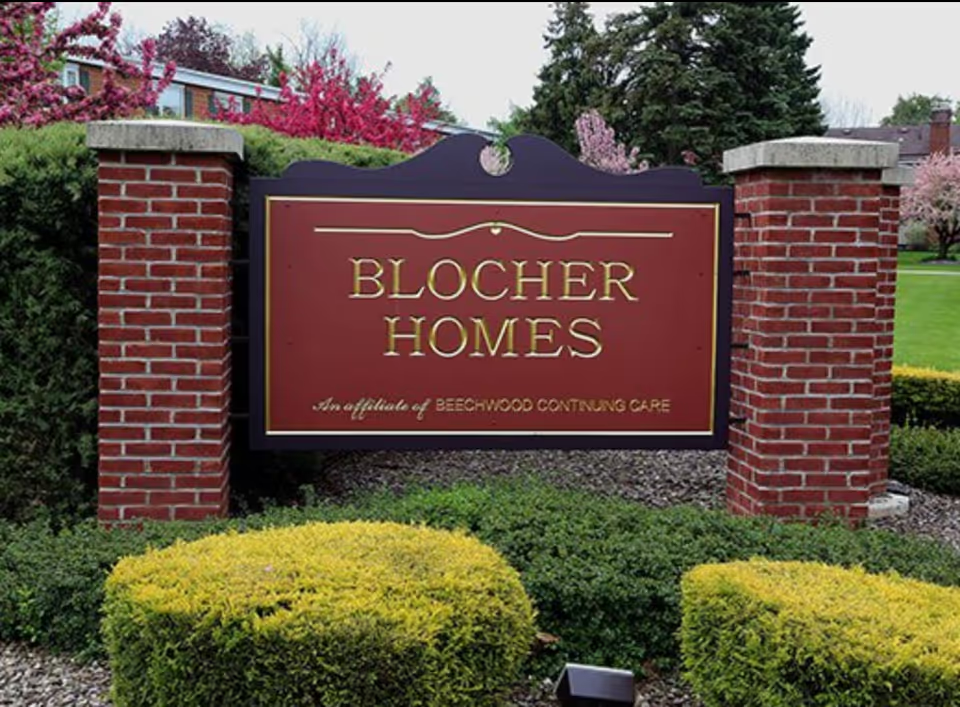
Overall impression: Reviews portray Elison Independent Living of Orchard Glen as a clean, well-maintained independent-living community with a consistently warm and personable staff, active social life, and attractive grounds. The dominant themes are high-quality physical upkeep, a restaurant-style dining environment, plentiful activities, and staff who are described as helpful, polite, and familiar with residents. Many families cite improved mobility and quality of life after moving in, and residents frequently describe the community as homey and supportive.
Care and clinical scope: The community functions primarily as independent living. Reviewers routinely note that staff are attentive to daily needs, housekeeping and maintenance are reliable, and the environment supports resident independence. At the same time, multiple comments make clear that the facility does not provide higher-acuity nursing or consistent assistance with personal care (bathing, dressing, transfers). Prospective residents with significant care needs should verify available services and any transition options for higher levels of care; families seeking assisted nursing services on-site will likely find the community’s clinical scope limited.
Staff and management: Staff receive repeated praise for warmth, responsiveness, and engagement; many reviewers emphasize that employees learn resident names and develop personal rapport. Management is generally described as flexible and helpful during admission and move-in. However, a small number of reviews raised serious concerns about staff conduct or the handling of specific incidents; there are also comments about sales pressure during tours. Prospective families should ask management about staff training, incident protocols, and the facility’s complaint-resolution process, and consider checking state inspection history for further context.
Dining and nutrition: Dining is a consistent strength in atmosphere and variety. Many residents look forward to meals, and there is direct chef involvement in menu planning. That said, reviewers note variability in day-to-day food quality and seasoning (including occasional saltiness). Some families also reported limitations in accommodating strict low-sodium diets without eating in-room. Meal times and flexibility vary by unit; visitors should inquire about menu cycles, special-diet procedures, and meal-scheduling accommodations.
Activities and social life: The community offers a broad program of activities (happy hour, bingo, book club, bridge, entertainment, therapy and outings) and is described as socially engaging. These programs appear to support resident wellbeing and social integration. There are a few indications that activity organization can be resident-led when specific lifestyle-director functions are absent; families should confirm how activities are planned and staffed.
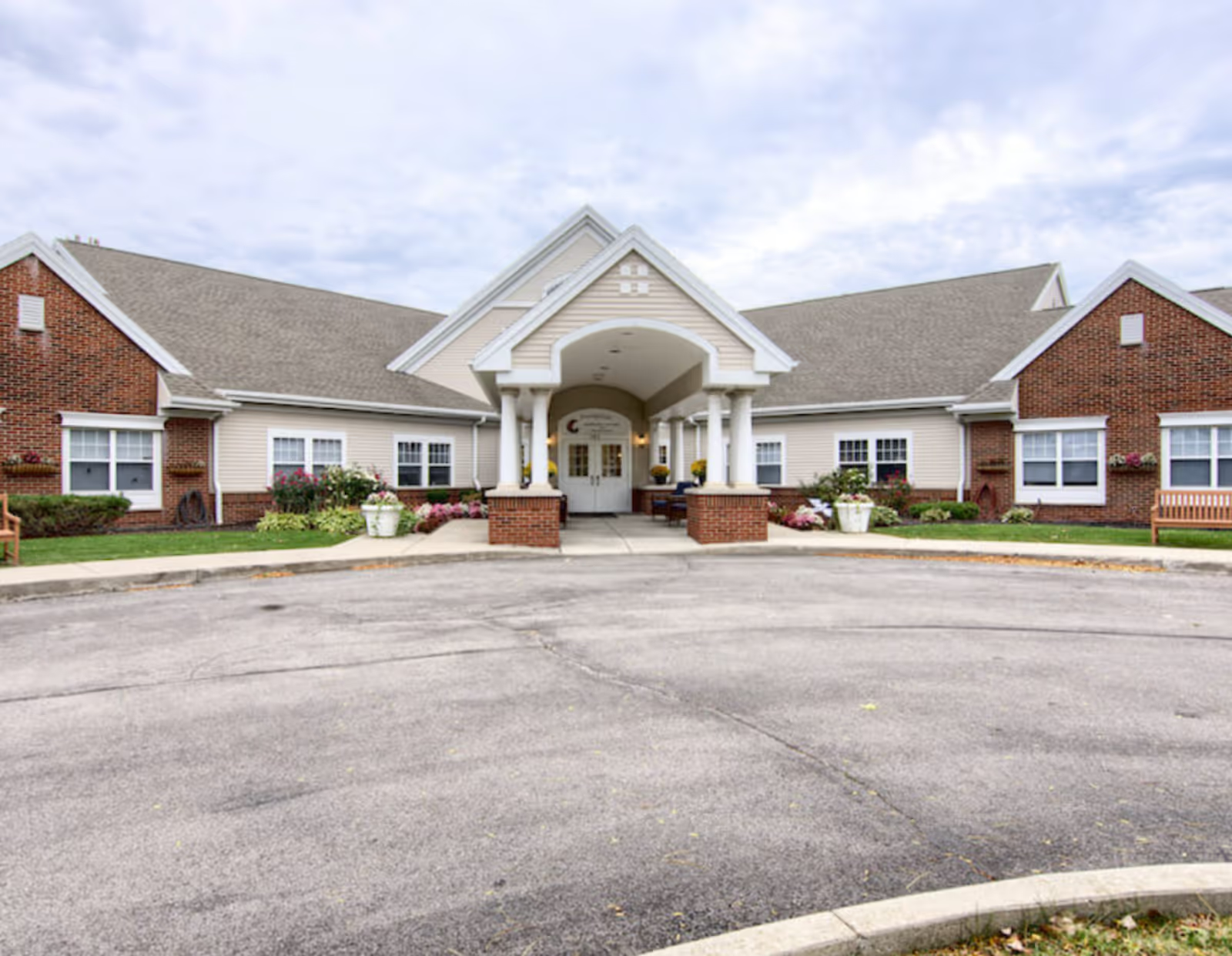
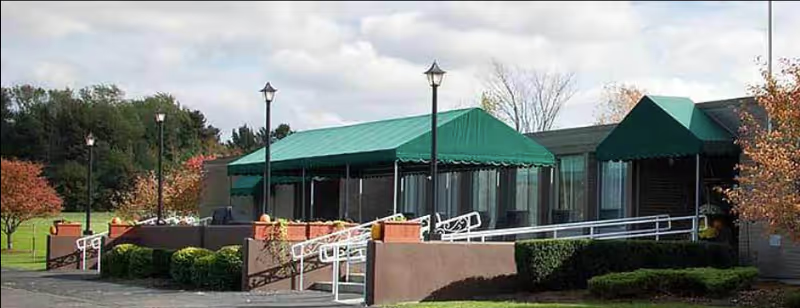
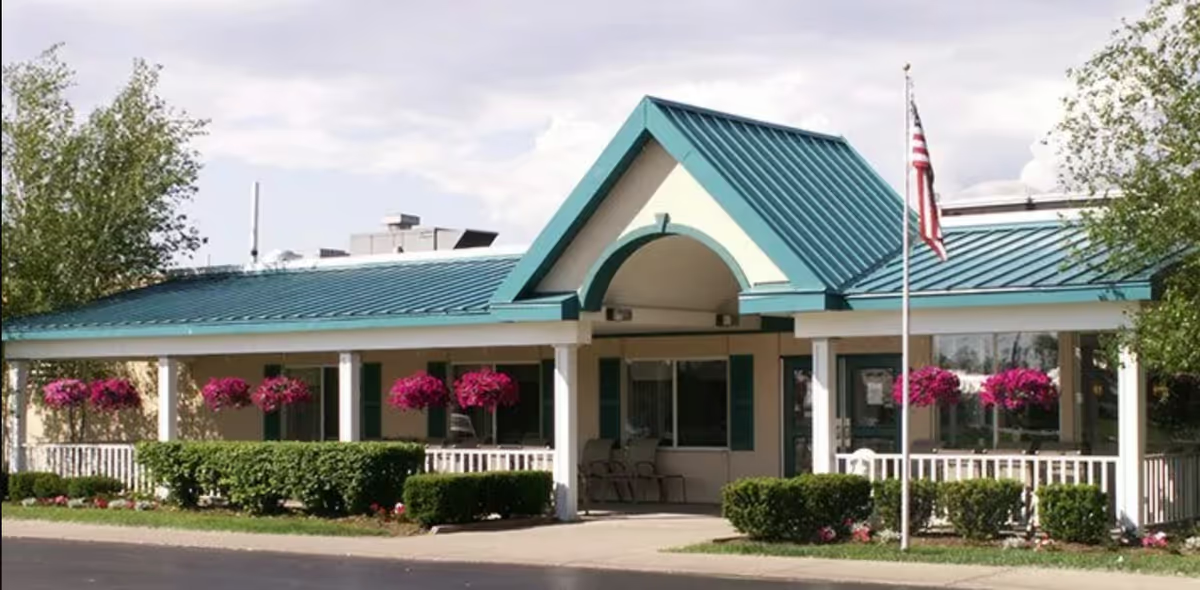
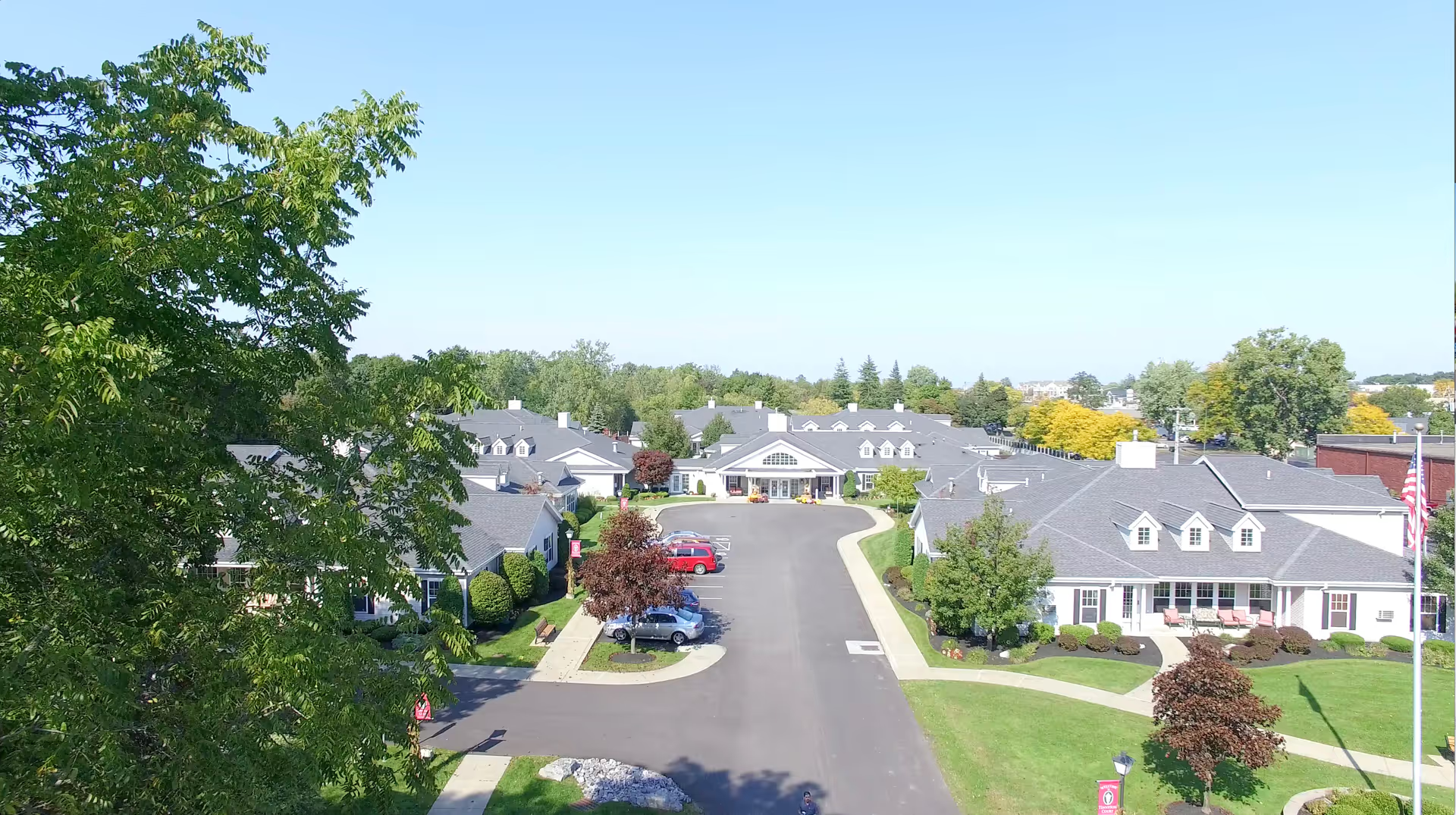
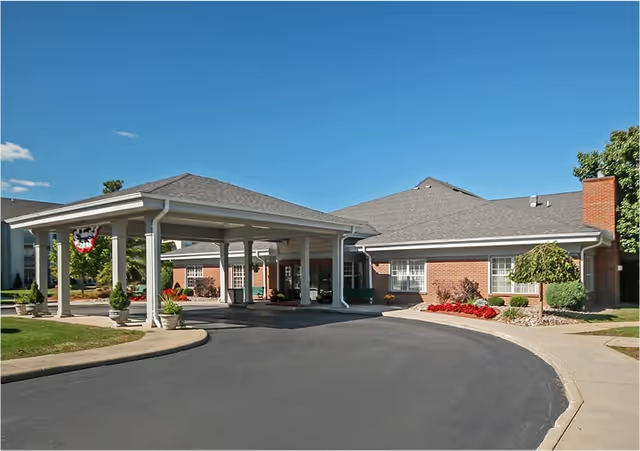
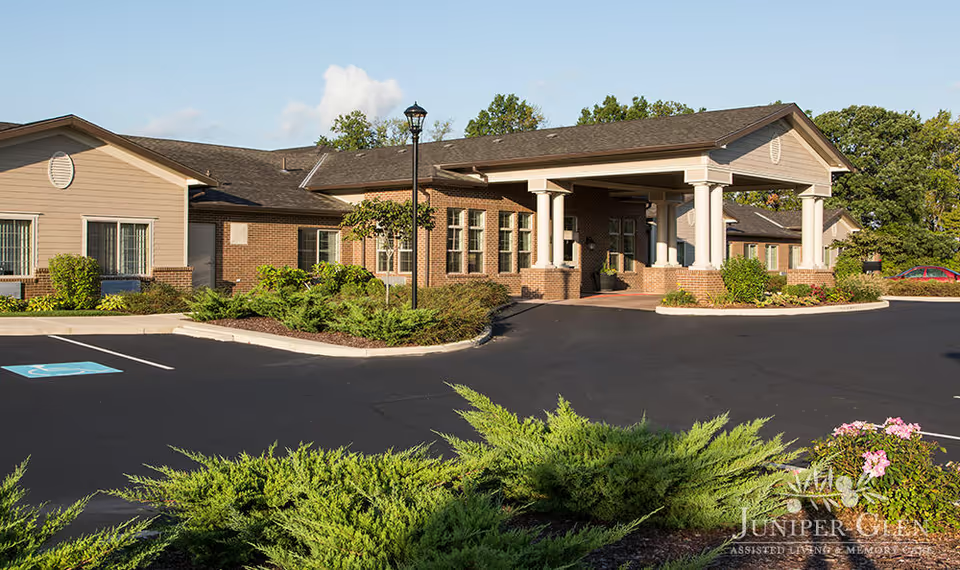
Facilities and location: Physical facilities, including apartments, cottages, common rooms, library, patio/pond areas, and outdoor space, receive strong praise for cleanliness and upkeep. Amenities such as salons, garages, elevators, and shuttle service add convenience. The setting near parks and a manmade lake is a positive for many; however, some families find the location distant from urban centers, which could affect visitation and access to outside services.
Operational and financial considerations: Reviewers note smooth move-ins and good value for some, but also mention periodic rent increases and generally higher pricing. Admissions interactions include reports of assertive marketing approaches; prospective residents may benefit from asking for full pricing and rent-increase policies in writing.
Notable patterns and recommendation: The overall pattern is highly positive for independent-living residents who prioritize social activity, a well-kept environment, and attentive nonclinical staff. Key caveats are the community’s limited clinical/assisted-care capabilities, occasional inconsistencies in meal execution and dietary accommodations, and isolated but serious concerns about staff conduct and emergency-response handling. Prospective residents and families should tour, request written details on clinical scope and emergency protocols, review dietary accommodation procedures, clarify activity staffing, and ask about pricing and rent-increase history before deciding.