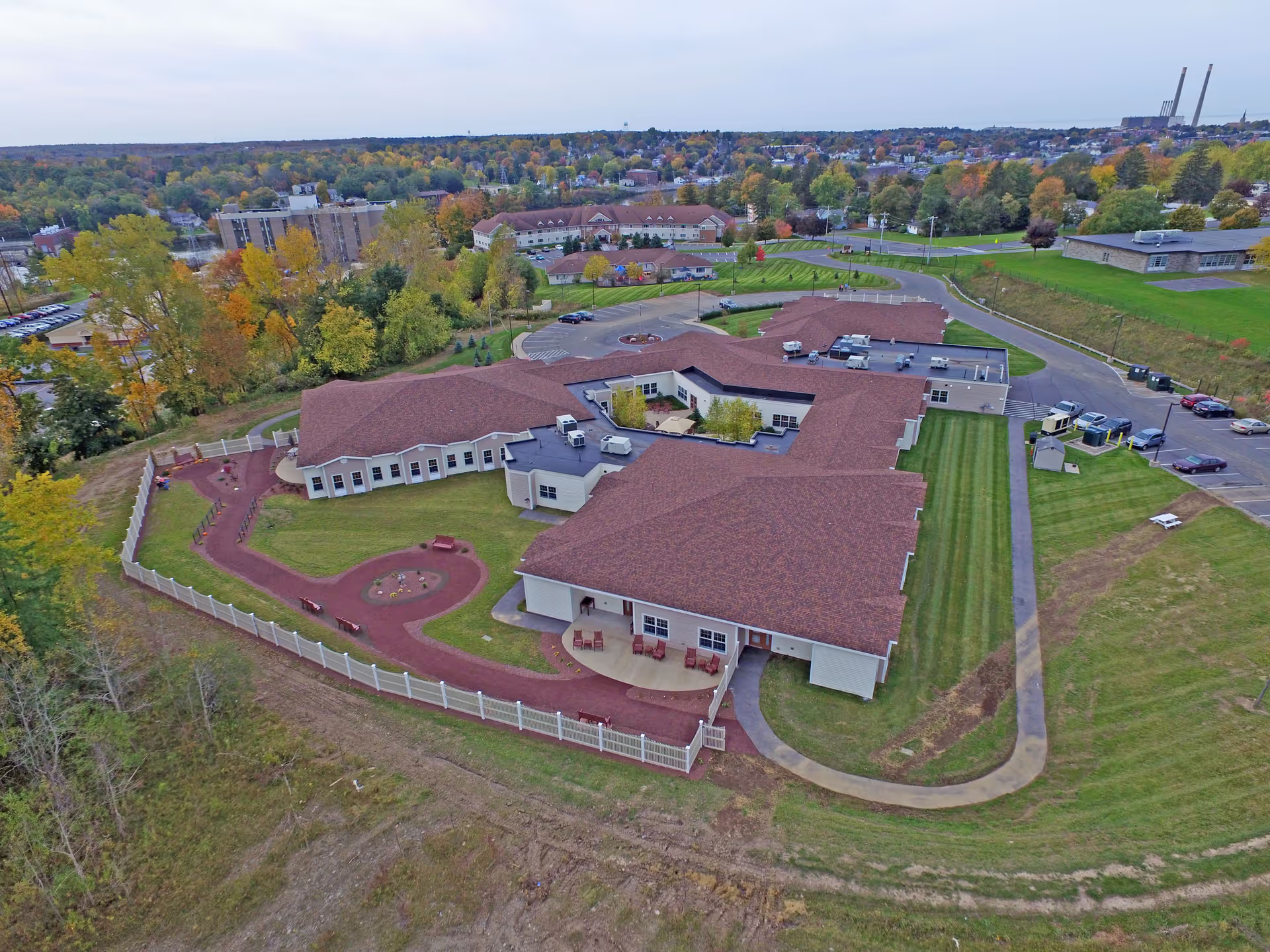
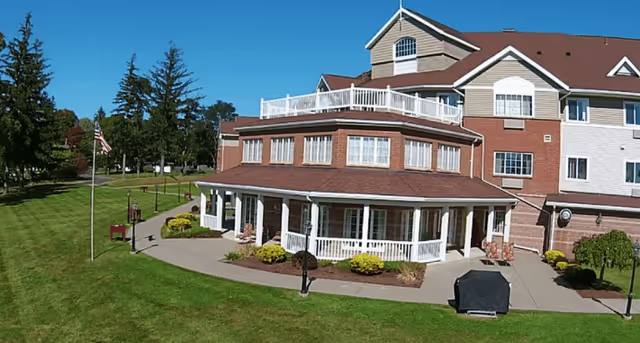
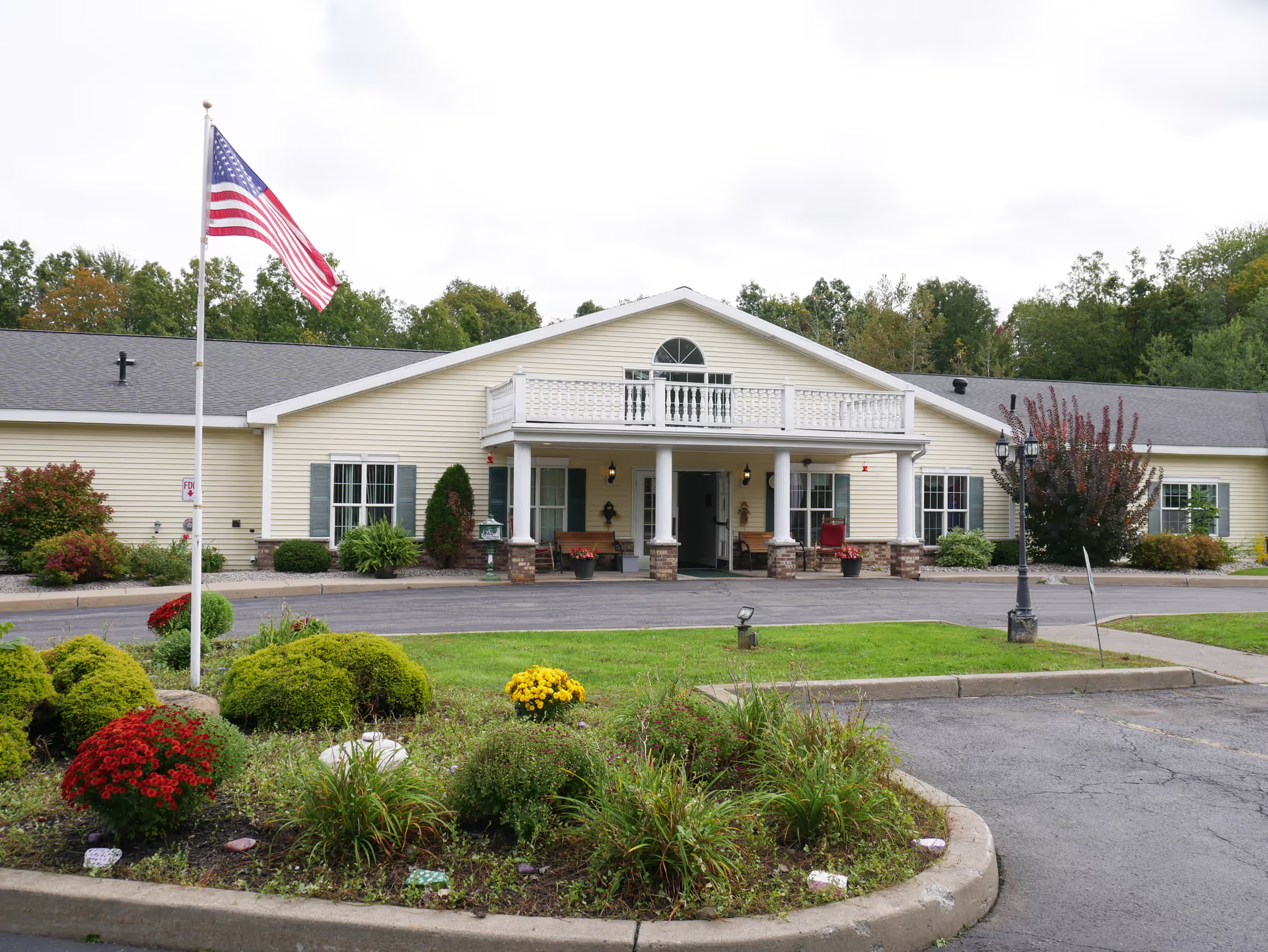
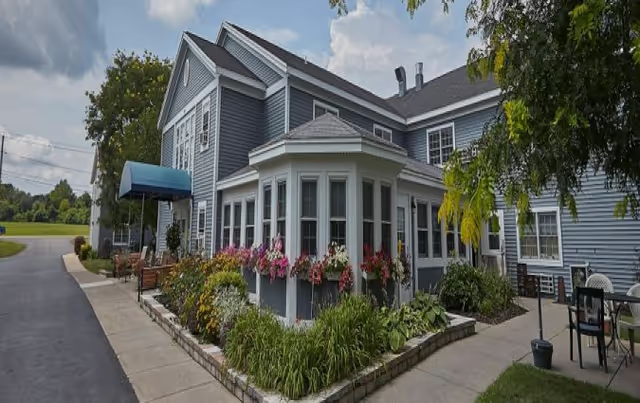
The Manor at Seneca Hill elicits broadly mixed impressions: many families praise individual caregivers, rehabilitation services, and the facility’s physical environment, while others describe operational shortcomings that affect day-to-day care reliability. Strengths repeatedly mentioned include a staff culture that can be compassionate and family‑oriented, effective physical therapy and rehabilitation support, spacious and well‑kept rooms and grounds, and logistical features such as oxygen outlets and emergency hookups. The community also offers organized activities, outings, and accommodation for dietary preferences, and some families highlighted attentive end‑of‑life support.
Care quality and staffing present the clearest pattern of variability. Numerous accounts note that nurses and aides can be very attentive and professional, but staffing levels and reliance on agency personnel appear inconsistent. That variability is associated with delayed responses to call bells and care requests, uneven follow‑through on personal care tasks (including incontinence support and timely linen/garment changes), and occasional lapses in handoff or coordination across shifts. Several families described situations where clinical concerns (for example, possible infections or abnormal lab values) did not receive prompt follow‑up, and a few reviews cited transfers to higher‑level care. These descriptions suggest the facility may struggle at times with clinical monitoring workflows and timely diagnostic escalation.
Dining and activities receive mixed feedback. Many families appreciated flexibility in meal service, special‑diet accommodations, and occasional positive comments about food quality, while others characterized the institutional dining experience as inconsistent. Activities and outings are offered—day trips, game tournaments, and holiday/birthday celebrations were noted—but frequency and resident participation appear uneven depending on unit and staffing availability. Some ancillary services such as cable/entertainment systems were mentioned as needing improvement.
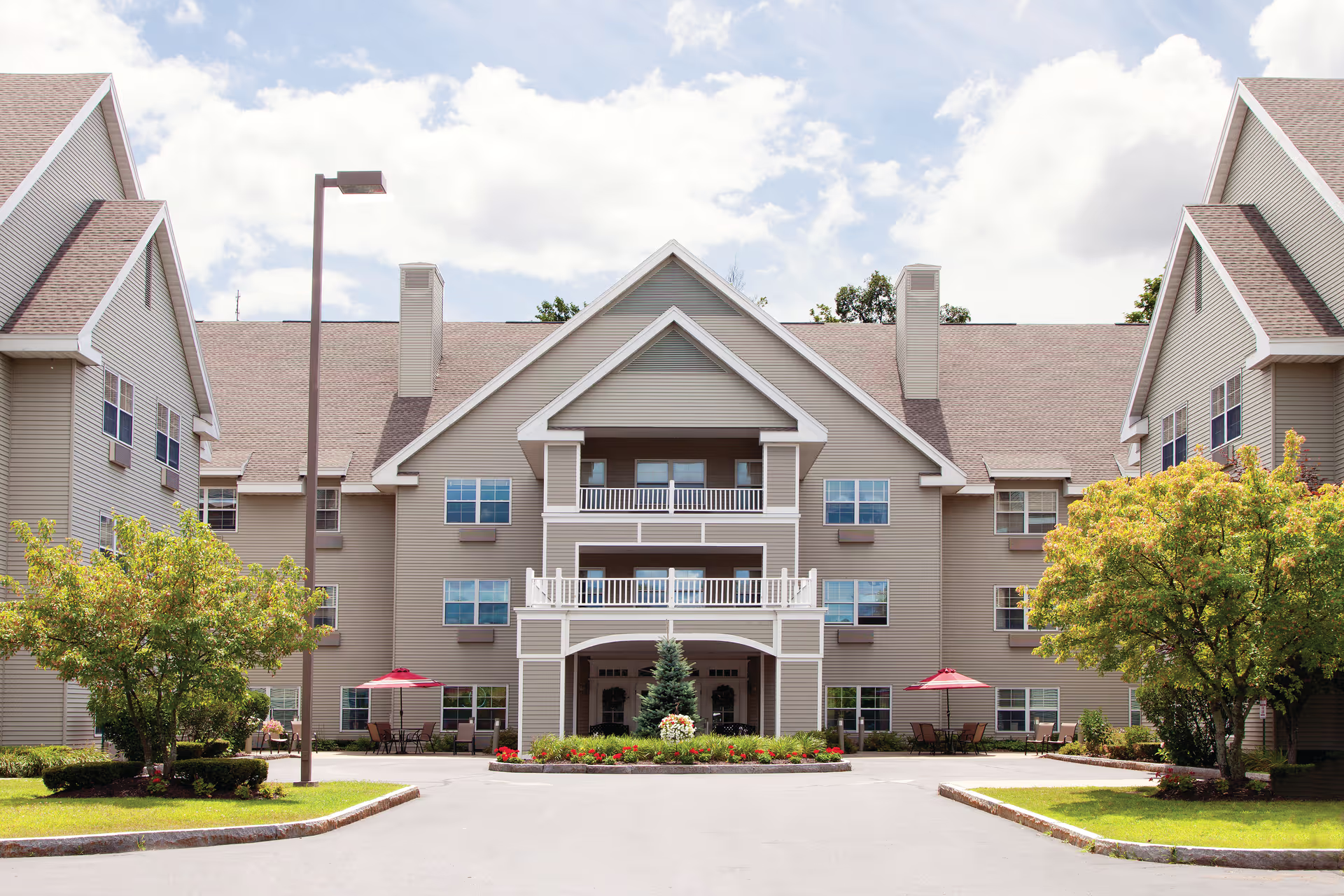
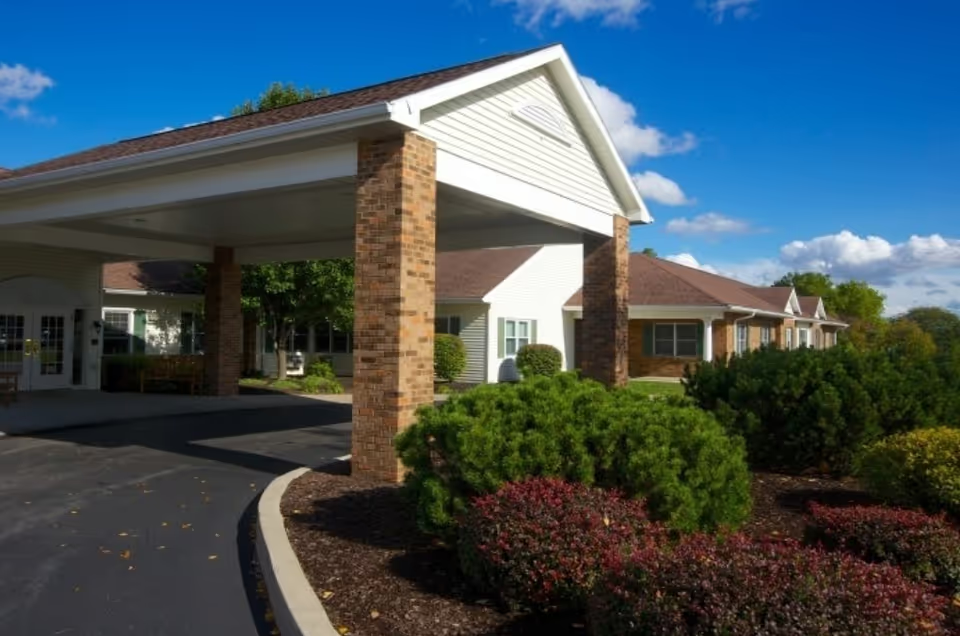
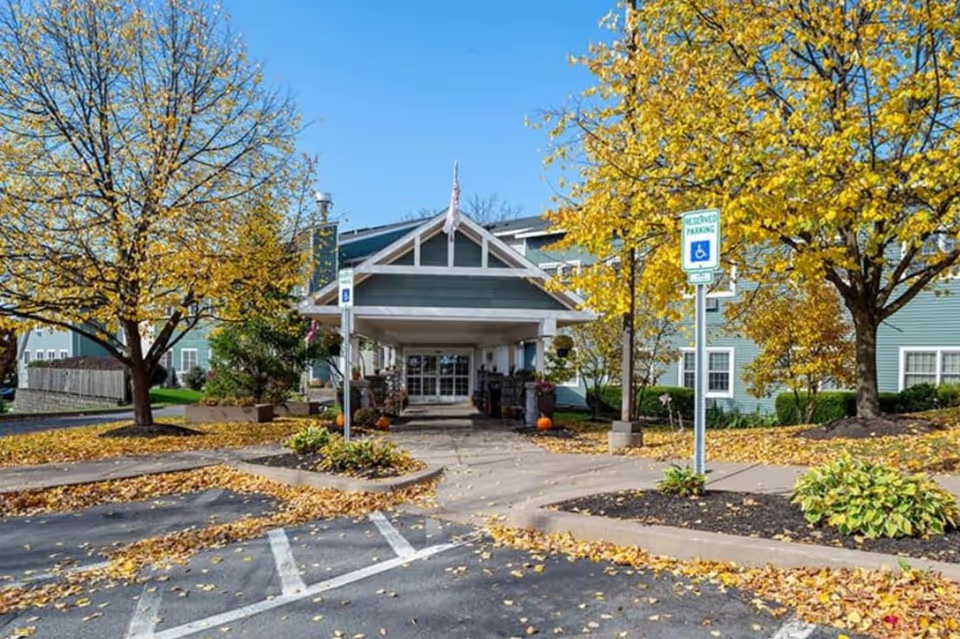
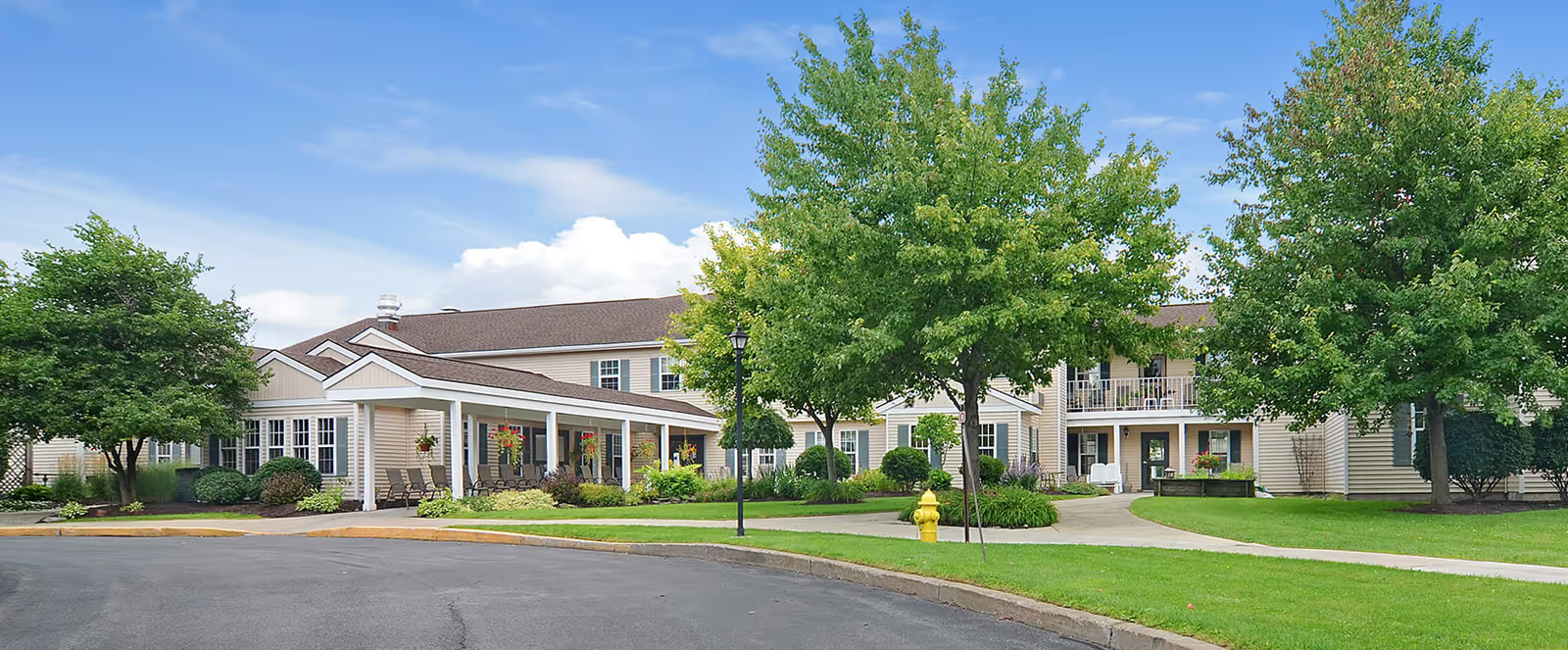
Facilities and housekeeping are often cited as assets: clean, modern rooms, well‑maintained grounds, and functional infrastructure. At the same time, a subset of accounts raised sanitation or housekeeping concerns in particular areas and described delays in laundry or room upkeep linked to staffing constraints. The presence of oxygen taps and emergency meters was noted as a positive clinical feature.
Management, communication, and administrative matters are areas of recurring concern. Families described problems with transparency around billing, admissions agreements, and power‑of‑attorney interactions, and a few expressed intent to escalate issues to external oversight bodies. There are also reports of weak timely communication to families when incidents occur, and some reviewers perceived defensive responses from administration when concerns were raised. Allegations of missing personal items and aggressive collection practices were mentioned by some respondents.
Overall, The Manor at Seneca Hill appears to offer solid physical accommodations and several strong caregiving relationships, especially in rehabilitation and compassionate nursing, but operational weaknesses—most notably inconsistent staffing, delayed responsiveness, variable clinical follow‑up, and administrative transparency—are significant patterns to evaluate. Prospective residents and families should schedule an in‑person visit, observe staffing levels on different shifts, ask for details on nurse‑to‑resident ratios and agency staff use, review incident‑reporting and communication protocols, request recent inspection results, and clarify billing and admissions contract terms before making a placement decision.