Reviewers present a highly mixed picture of Palatine Nursing Home and Rehabilitation Center. Positive accounts emphasize caring, attentive aides, accessible nursing leadership at times, a generally cheerful staff culture, and clean, odor-free common areas. Several families described meaningful, hands-on support from individual staff members and volunteers who organize activities that improve resident engagement. Other reviewers described significant operational concerns that affected safety and satisfaction.
Care quality appears inconsistent across residents and shifts. Positive reports highlight attentive bedside care and prompt responses when management is engaged; however, several reviews describe variable personal-care delivery, irregular bathing schedules, and instances where families felt compelled to provide basic care. There are also specific concerns about wound and pressure-ulcer management and about clinical responsiveness that led to escalations of care for some residents. Overall, the pattern suggests that clinical outcomes may depend heavily on staffing levels and which staff are on duty.
Staffing and communication show a stark divergence in experiences. Many families praised individual aides, therapists, and nurses as caring and professional; others reported variability in clinical skill, delays in attending to residents, and difficulties obtaining clear communication from the care team. Language and communication barriers were noted for some therapy staff, which families felt impaired rehabilitation effectiveness. Nursing leadership was described as accessible and effective by some reviewers, while others reported that supervisory staff were unaware of frontline problems or did not follow through on discharge directions.
Activities and rehabilitation services exist but are uneven. The facility offers common recreational options such as bingo and card games, and volunteer-led programming was singled out as enhancing engagement. At the same time, reviewers described limited activity breadth and inconsistent staffing for programming. Rehabilitation services are available, but opinions on therapy quality varied; some families were satisfied with progress while others felt the therapy environment was cramped and the service inconsistent.
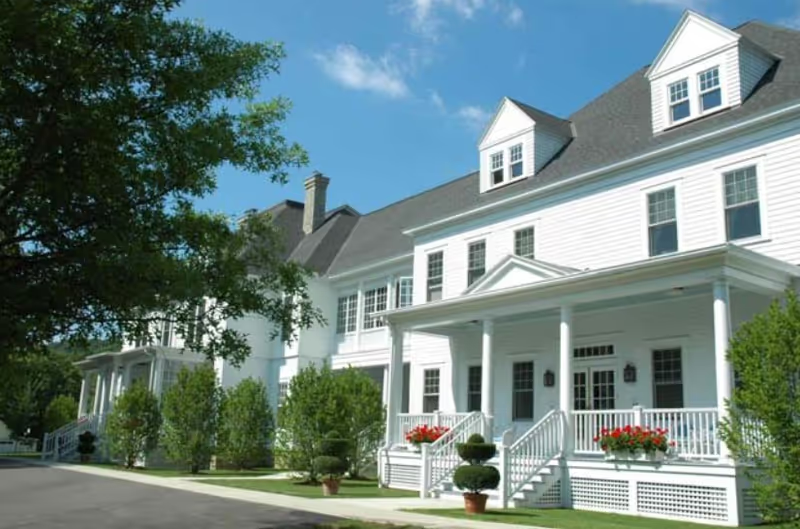
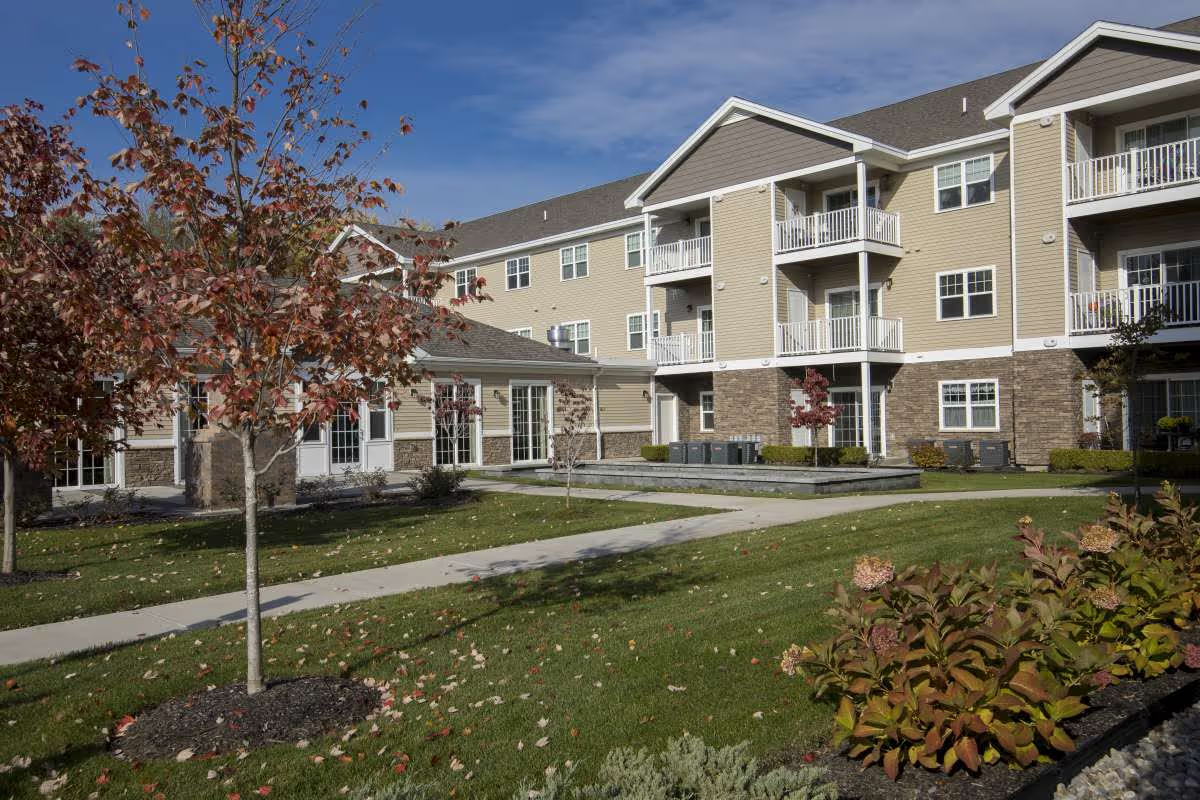
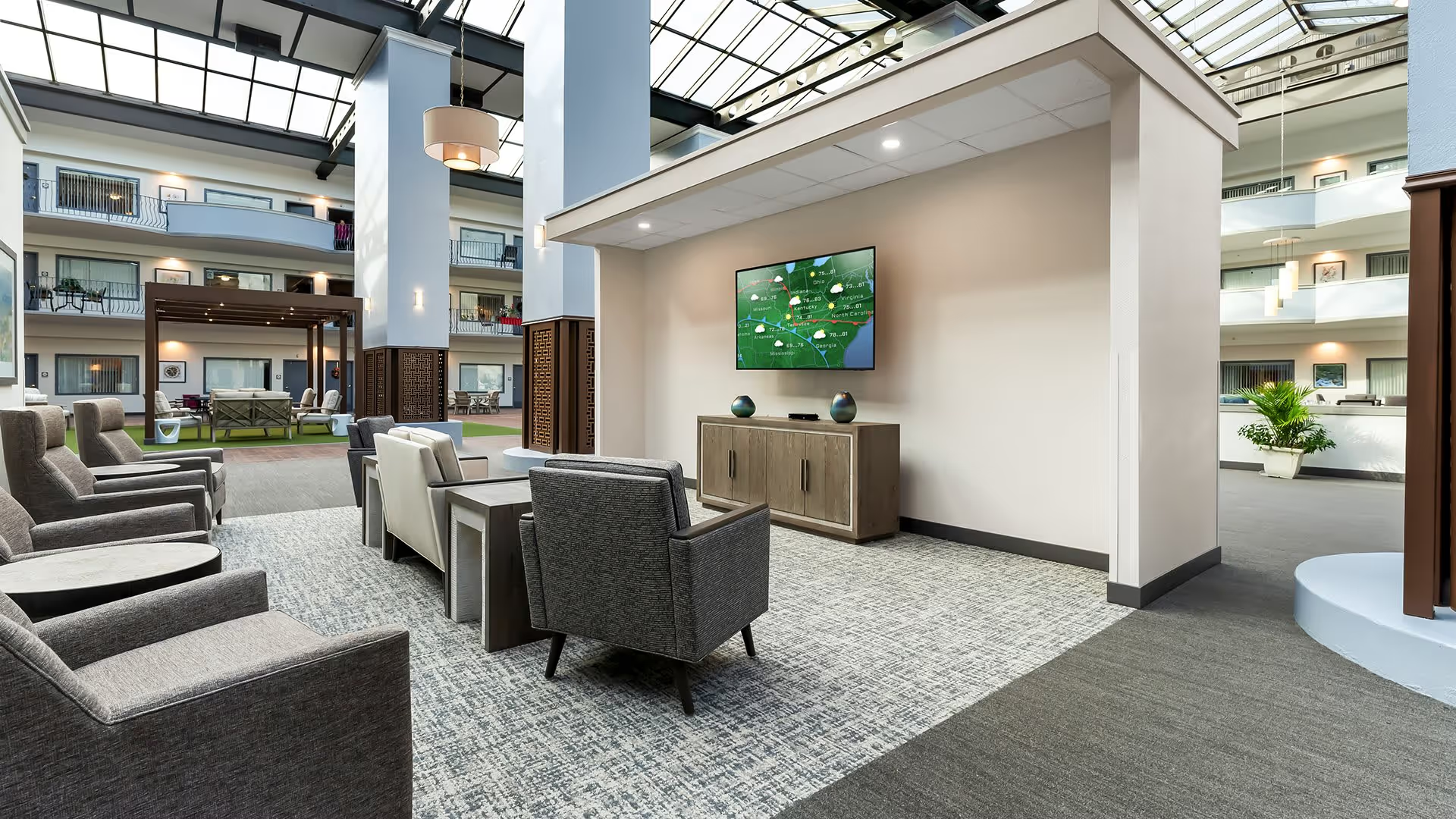
Facility condition and privacy concerns are mixed. Several reviewers praised clean, well-maintained common areas and a home-like unit atmosphere. Conversely, others pointed to room-level cleanliness variability, cosmetic damage in resident rooms, and privacy or hospital-like room arrangements that some families found impersonal. There were also mentions of small therapy spaces that constrain programming.
Management and administrative practices warrant attention. Multiple reviews indicate inconsistent discharge planning and gaps in family communication; at least one reviewer described concerns about unsafe discharge arrangements. There is also an allegation concerning billing practices that raises questions about documentation and financial controls. These operational issues, combined with the clinical variability described above, suggest that families should actively review care plans, discharge instructions, and billing statements.
In summary, Palatine Nursing Home and Rehabilitation Center demonstrates both strengths and weaknesses. Strengths include dedicated individual caregivers, engaged volunteers, accessible leadership in some cases, and areas that are well-maintained. Weaknesses center on inconsistent personal care and clinical responsiveness, variable cleanliness at the room level, limited and inconsistently staffed activities, language barriers affecting therapy, and administrative gaps in discharge planning and billing. Prospective residents and families should tour multiple neighborhoods within the facility, review staffing patterns, ask about wound-care and discharge protocols, observe activity offerings, and request clear billing and documentation explanations before making placement decisions.