Overview Experiences at Suffolk Center for Rehab are notably mixed. Many families and residents describe compassionate, professional bedside care—particularly from specific LPNs, CNAs, nurses, and the wound-care and rehabilitation teams—while other accounts document significant operational shortcomings. The facility appears capable of delivering high-quality short-term rehabilitation and specialized wound management for some patients, yet several narratives describe inconsistent outcomes and gaps in basic clinical processes for others. This polarity suggests variability by unit, shift, or individual caregiver assignment rather than uniformly consistent performance across the facility.
Care and clinical services Positive accounts emphasize attentive nursing and aide coverage, effective rehab/therapy programs, and access to wound-care expertise that supported recovery and discharge home. Reviewers also cite weight stability and absence of pressure injuries for some residents. Conversely, other accounts describe delays in clinical response, late or absent transfers to higher levels of care, worsening wounds, inconsistent dressing/change procedures, and inadequate discharge paperwork or prescriptions. Safety practices were a recurring concern: reviewers referenced falls, limited use of bed alarms or rails, and slow responses to urgent calls. These contrasts indicate that clinical competence is present in parts of the staff but not reliably consistent across all shifts or patient situations.
Staff and professionalism Staff characterizations range from highly compassionate and family-oriented to unprofessional and dismissive. Multiple reviewers praised individual caregivers and managers for communication and empathy; others reported concerns about staff conduct, mocking or discourteous interactions, and aides avoiding residents when needed. Many reviewers pointed to short staffing and workload stress as a probable contributor to inconsistent bedside behavior and long call-bell wait times. Staffing instability and turnover were repeatedly cited as an operational pressure that likely affects continuity of care.
Dining and activities Reactions to dining are mixed. Several families describe good meals, accessible dietitian services, and individualized accommodations, while other accounts note cold food, limited menu options, and inconsistent food quality. Recreation and activities are generally a strength: reviewers frequently mention active programming, events, and an engaged activities team that contributes positively to residents’ well-being and mood.
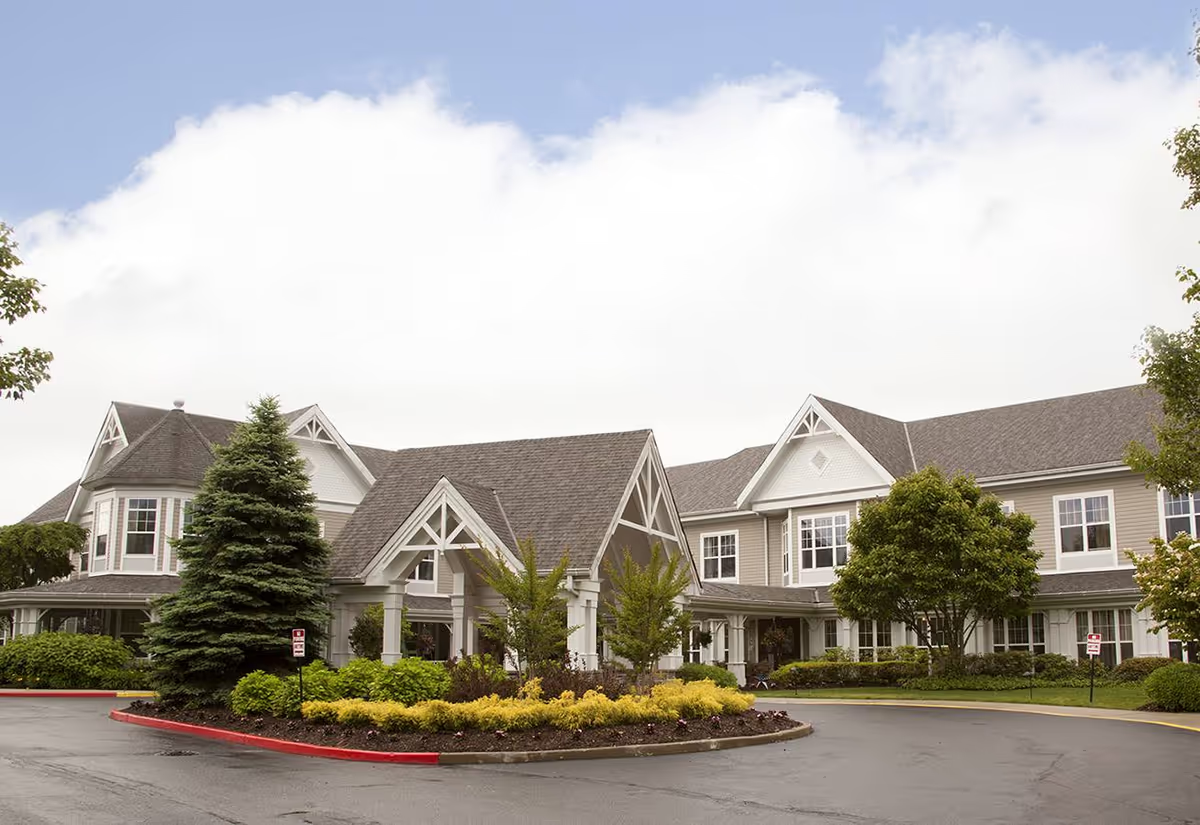
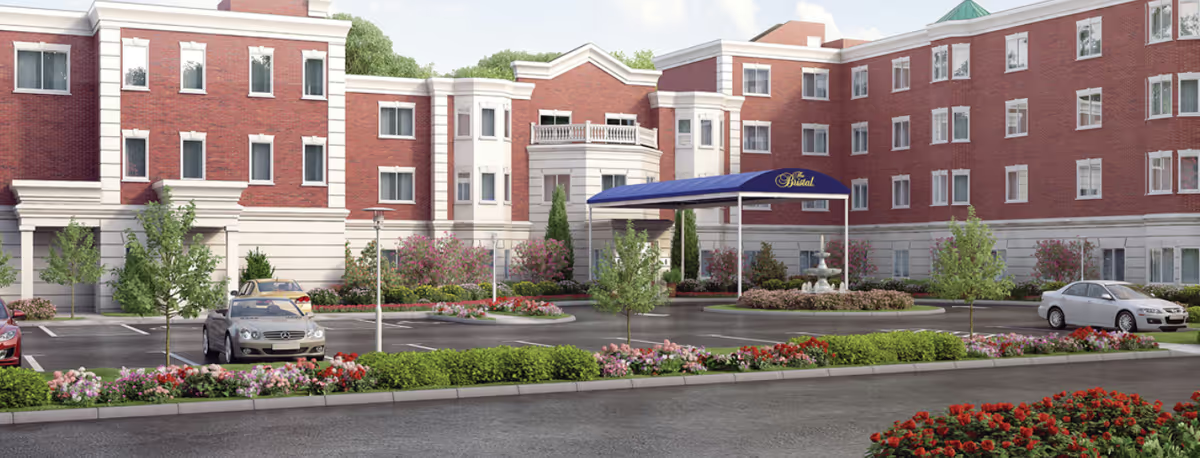
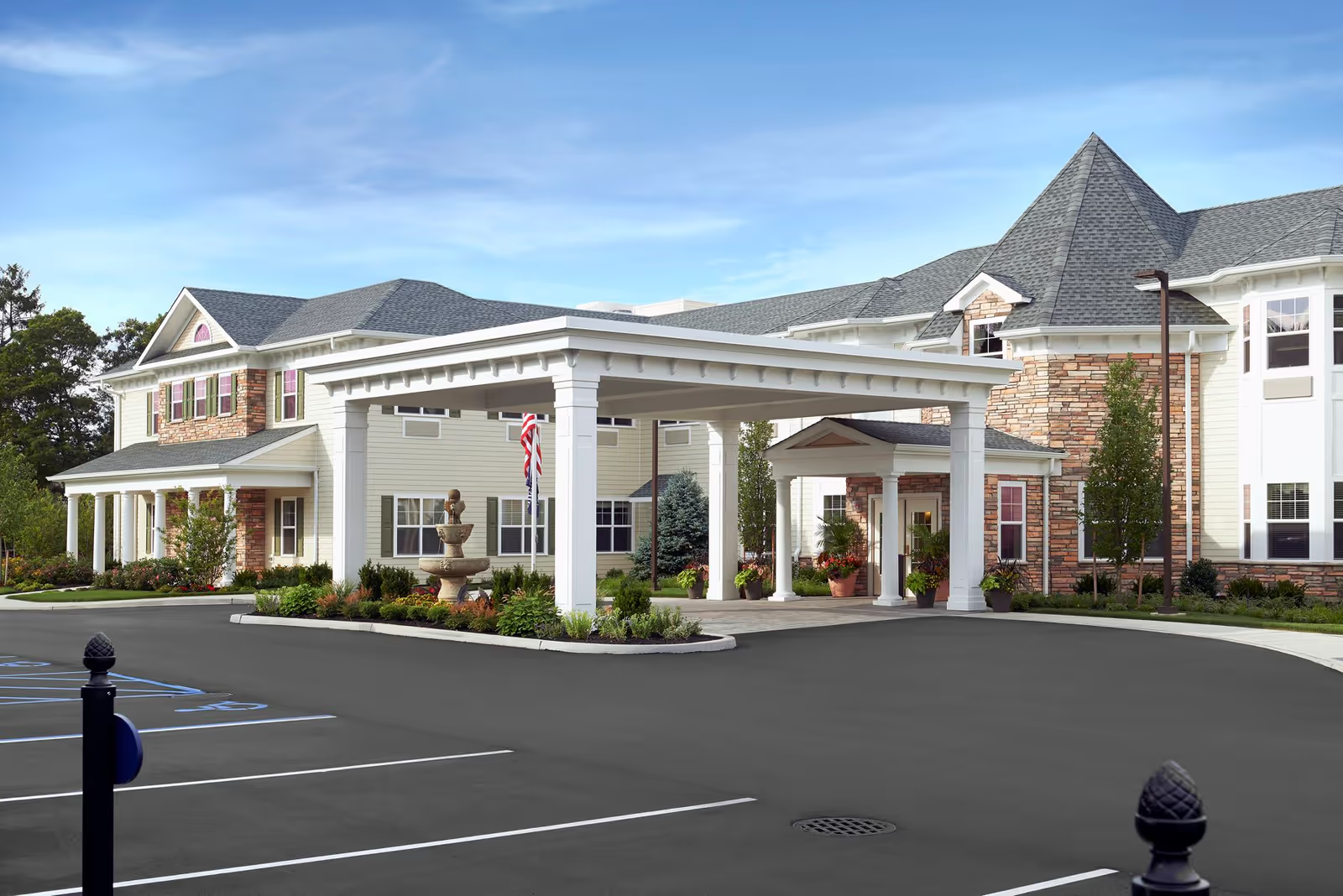
Facilities and environment Some recent remodeling and improvements were noted, with reports of cleaner common areas and upgraded rooms in parts of the building. At the same time, multiple reviewers raised sanitation and odor concerns in specific units and common areas, uneven room layouts for shared rooms, and outdated or poorly maintained fixtures in places. These observations suggest the physical plant is heterogeneous—parts renovated and maintained, other parts showing deferred maintenance.
Management, communication, and security Accounts of management responsiveness are mixed. Some families describe an open-door policy, helpful administrators, and prompt responses from business-office staff. Others report indifferent leadership, ignored complaints, and poor follow-up on discharge planning or equipment procurement. There are also serious individual allegations including theft of valuables and staff intimidation; such claims warrant careful scrutiny and, if applicable, regulatory follow-up. Care coordination shortcomings—missing discharge paperwork, delayed prescriptions, and unclear communication about follow-up care—were also noted and can complicate transitions to home or other settings.
Notable patterns and recommendations for prospective families The dominant pattern is variability: strong clinical and rehabilitative resources exist alongside inconsistent staffing, safety practices, and environmental maintenance. When evaluating the facility, prospective residents and families should ask targeted questions about current staffing ratios (including night and weekend coverage), specific fall-prevention and bed-alarm policies, wound-care nurse availability, infection-control protocols, recent renovations, property-safety measures for valuables, and the facility’s complaint-resolution process. Request recent inspection reports, outcomes for therapy discharges to home, and references from current residents or families. If possible, arrange visits across different shifts to observe responsiveness, cleanliness, and staff–resident interactions at multiple times of day.
Conclusion Suffolk Center for Rehab demonstrates clear strengths in rehabilitation, certain clinical specialties, and in parts of its caregiving staff and activity programming. However, inconsistent operational practices—staffing variability, safety and sanitation concerns, inconsistent meal quality, and management responsiveness—create uneven experiences. Thorough, current due diligence focused on staffing, safety protocols, wound-care capabilities, and recent ownership/inspection history will help families gauge whether the facility aligns with their expectations and a prospective resident’s clinical needs.