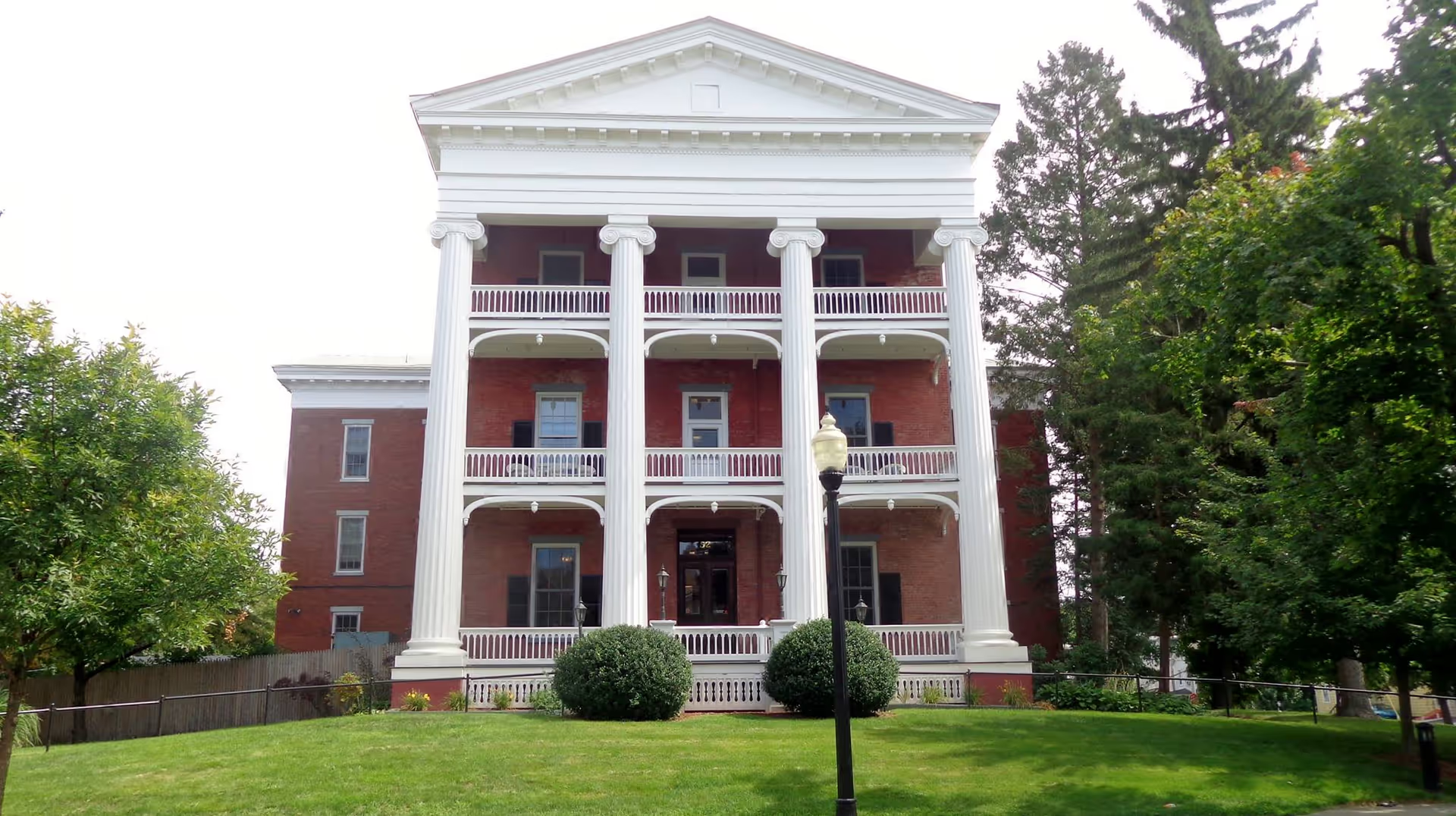
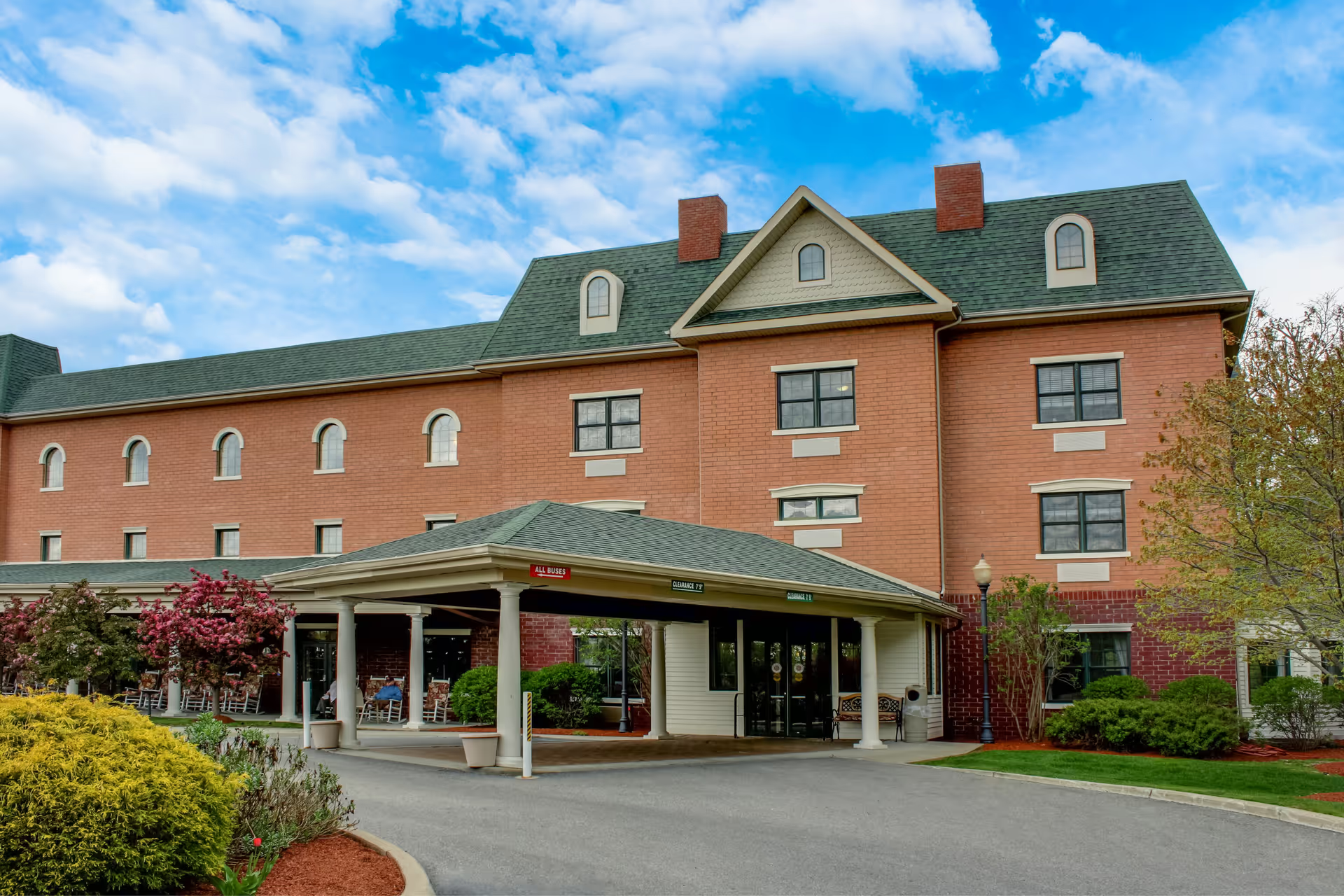
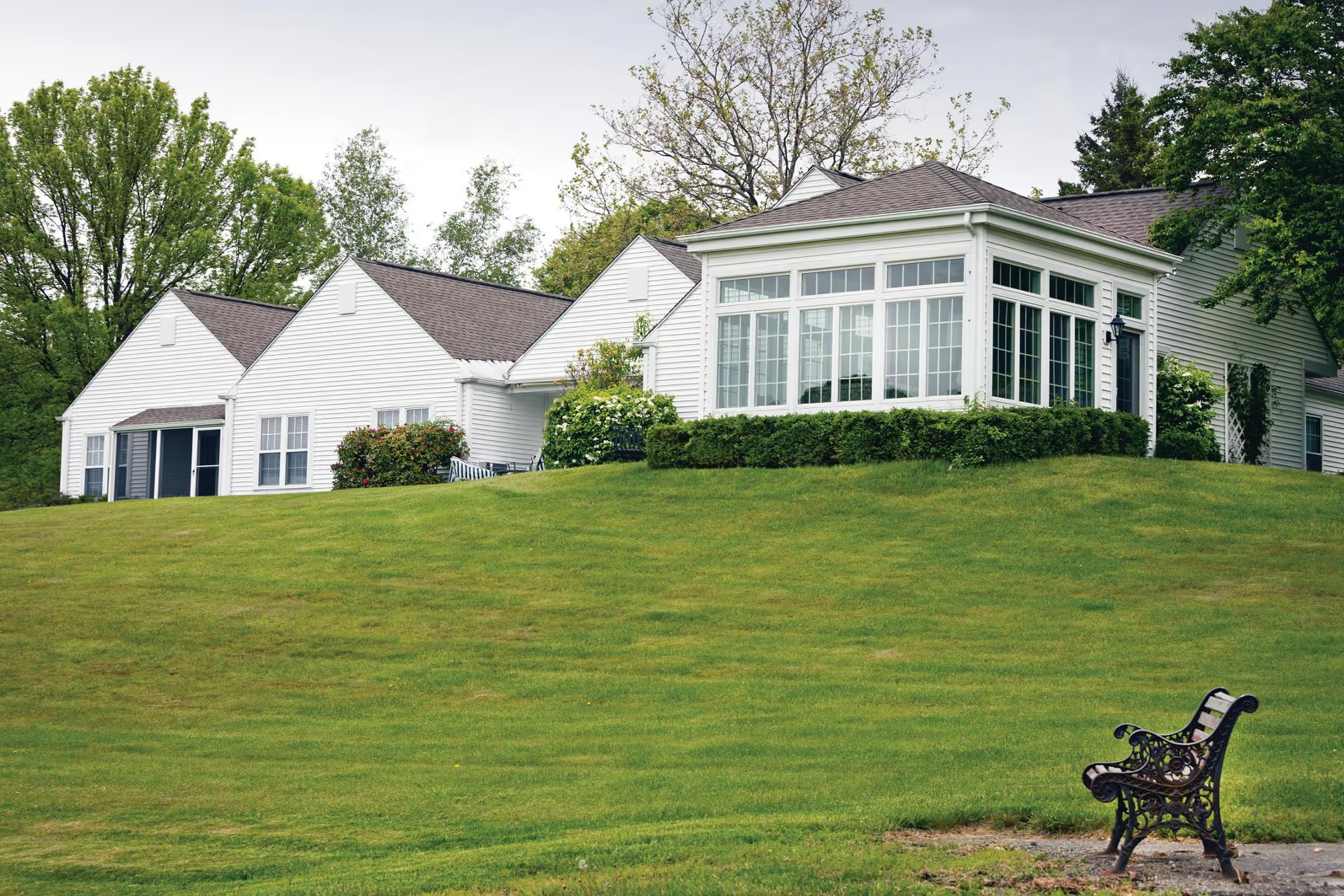
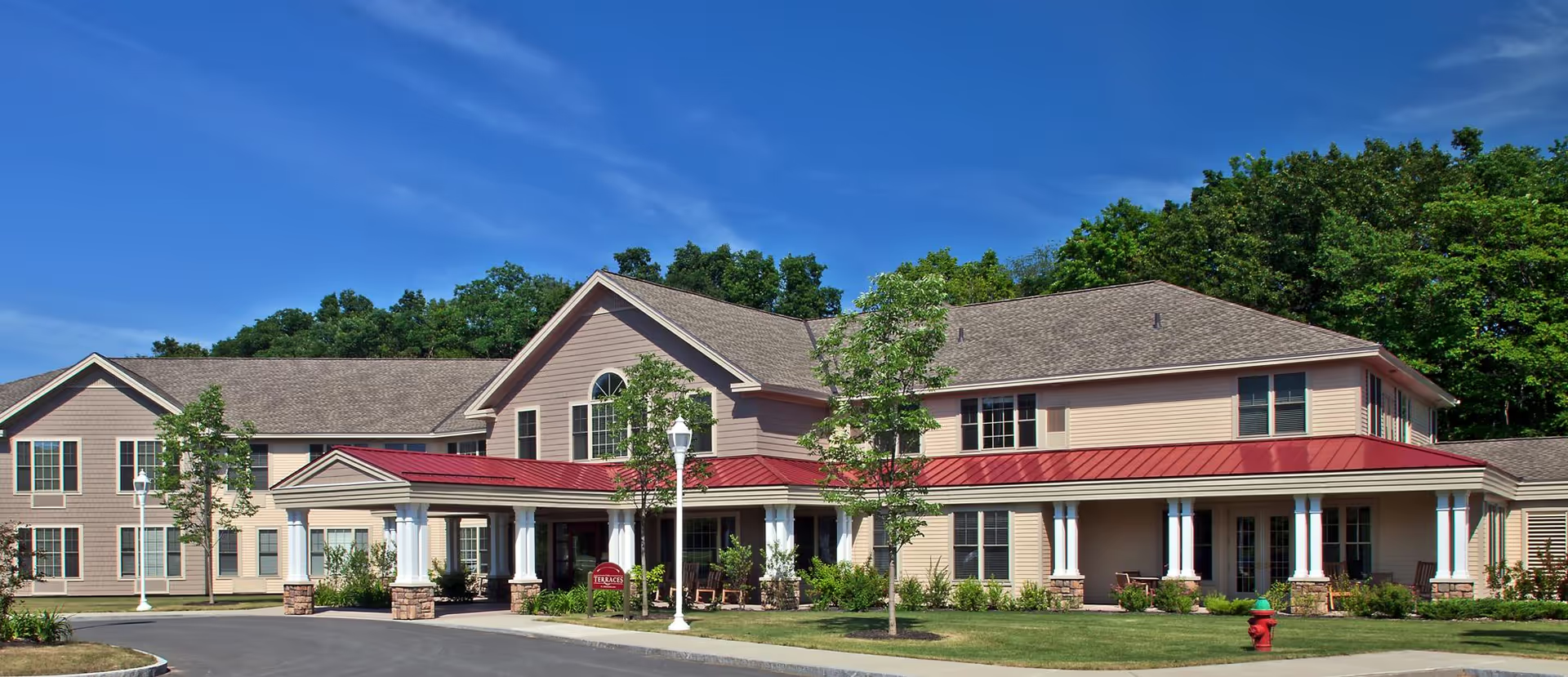
Reviewers describe a facility with a pronounced contrast between its rehabilitation strengths and persistent operational challenges. The rehabilitation program (PT/OT, some speech therapy) and related equipment are repeatedly identified as strong points: therapists are described as skilled, engaged, and effective at helping residents progress. Recreation and activities programming also receive favorable comments when present, with parties, crafts, and regular events contributing positively to resident experience. Several individual staff members—particularly concierge/front-desk personnel—are singled out for compassionate, proactive customer service.
Clinical care and front-line staffing present a mixed and often concerning picture. While some nursing teams and aides are praised for attentive, respectful care, many reviews cite inconsistent staffing levels, frequent call-button delays, and delayed medication delivery. There are recurring accounts of lapses in incontinence care and irregular bathing schedules, variable wound-care follow-up, and instances where transfer and fall-prevention practices appear inadequate. Several families described serious clinical communication gaps, including delayed hospital transfers, late family notifications, and limited timely clinical monitoring; there are also concerns following a resident's death raised in a small number of submissions.
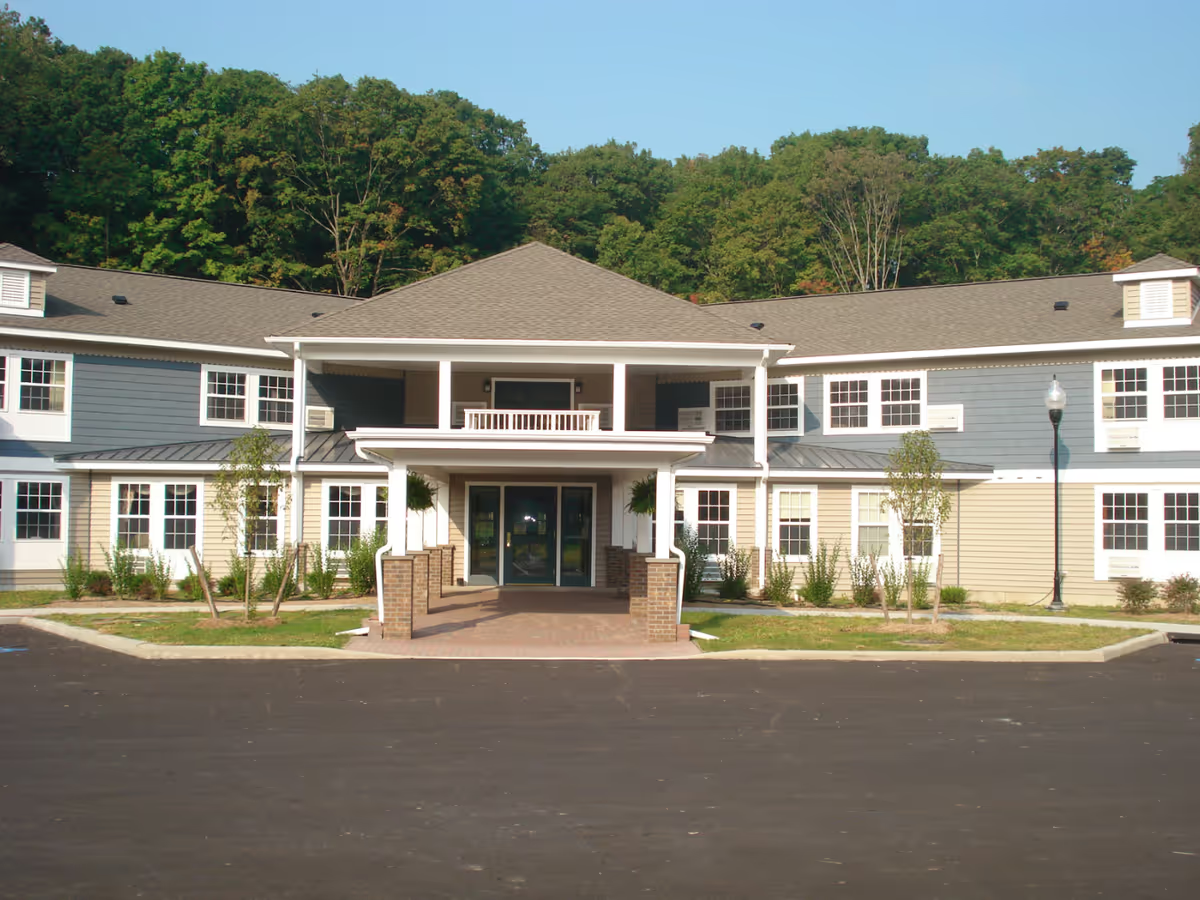
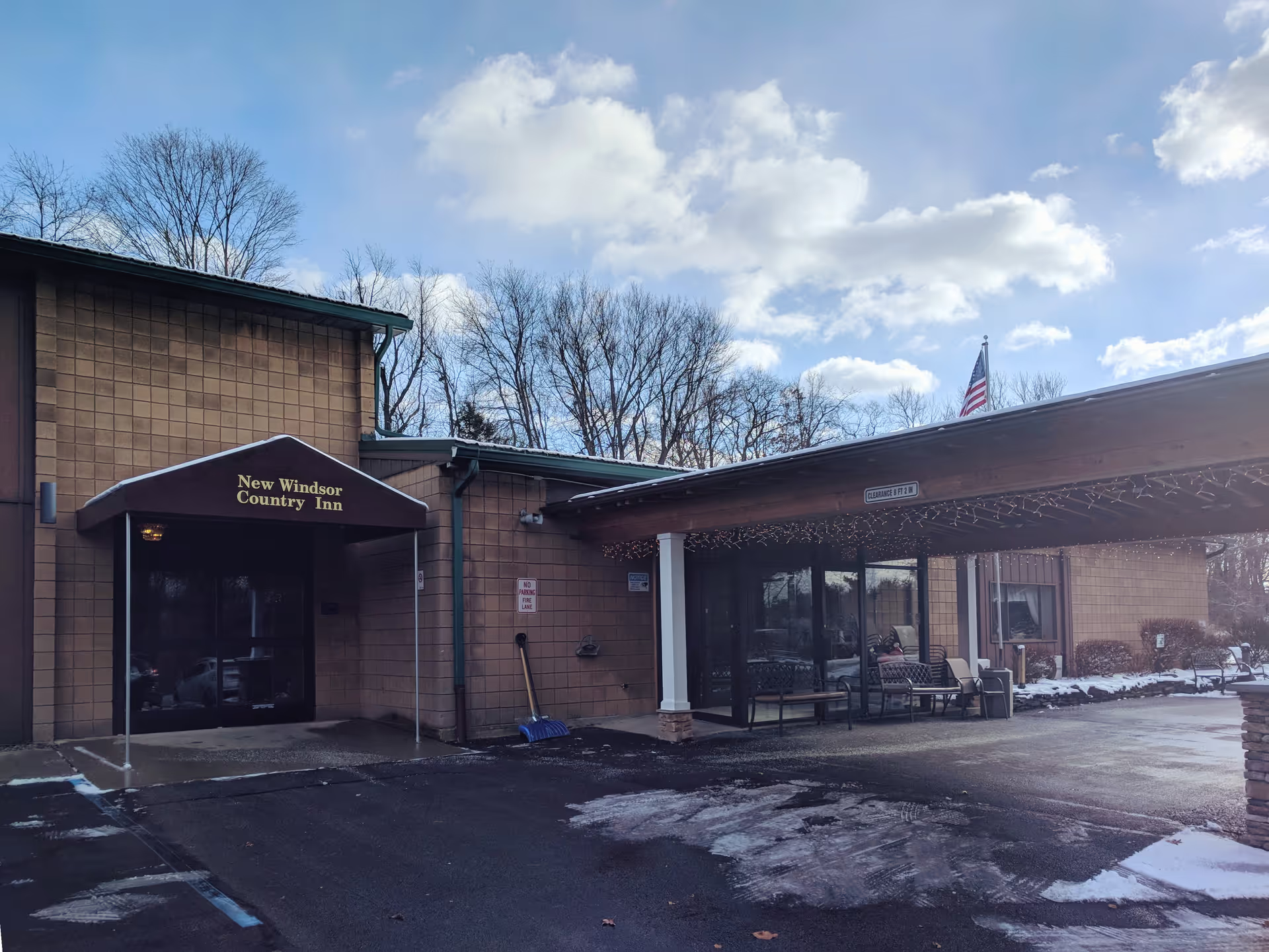
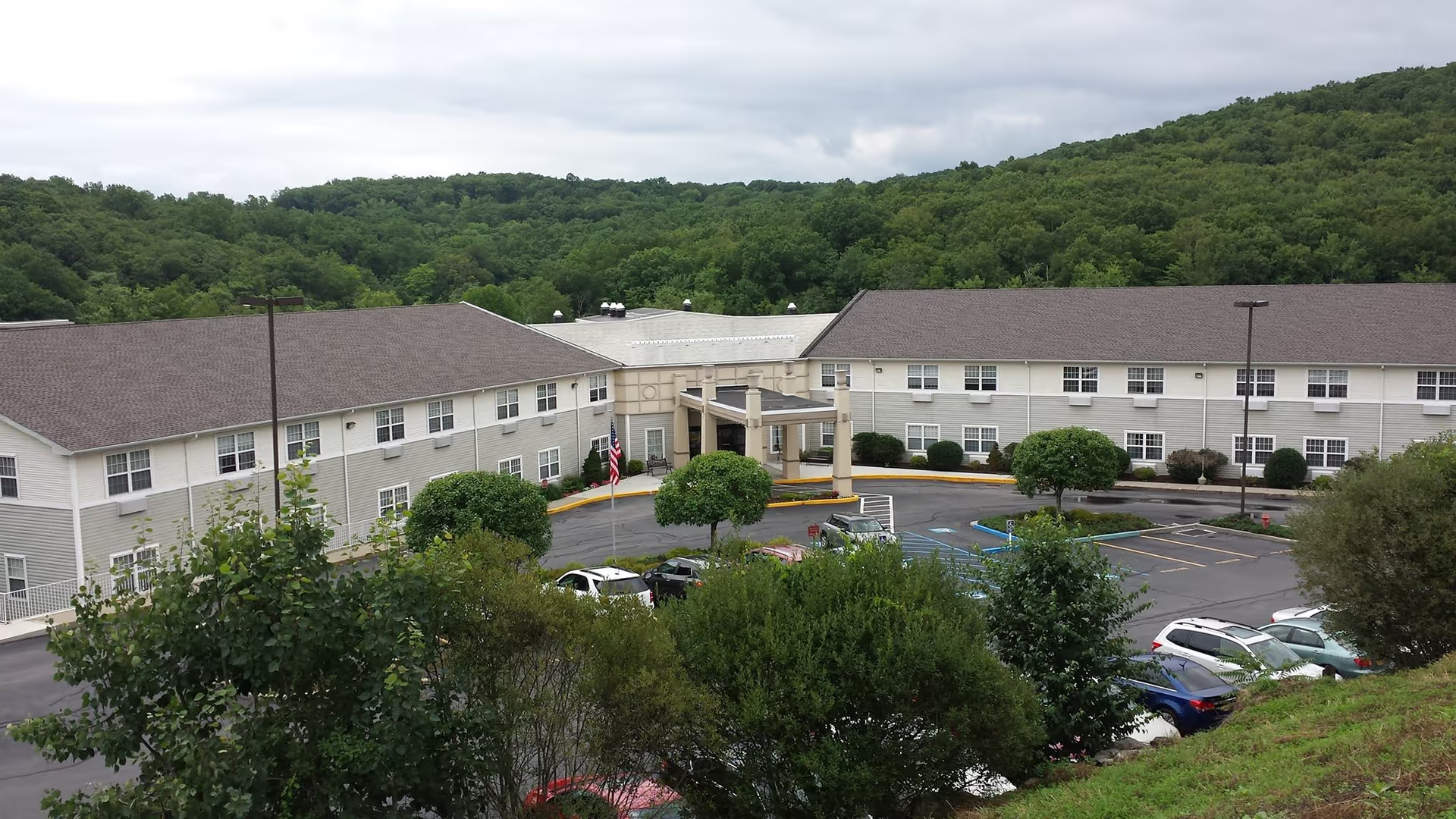
Dining, housekeeping, and facility condition are inconsistent across units. Many reviewers report poor meal quality, limited menu choices, cold plates, and problems accommodating dietary needs or allergies. Housekeeping and sanitation are described as acceptable on some floors but problematic on others, with complaints about odors, room readiness, laundry loss or damage, and general maintenance issues such as older beds and equipment placement. Safety-related observations include overloaded outlets and portable oxygen equipment placement that reviewers characterize as suboptimal.
Management, communication, and policy execution are recurring themes. Families describe uneven responsiveness from administration and social work, difficulty scheduling outside appointments, and limited follow-through on complaints. Reviewers also express concern about mixing residents with behavioral or mental-health needs with other populations without clear cohorting or staffing strategies. Property-management issues, including missing personal items and allegations of improper handling of resident belongings, were raised and in several instances prompted recommendations to consider outside reporting channels.
Overall pattern and consumer takeaway: the facility appears to offer a high-quality rehabilitation experience for many patients, supported by dedicated therapists and some exceptional front-line staff. However, that positive clinical core is offset for many families by operational shortcomings—principally inconsistent staffing, unreliable responsiveness to call systems, sanitation and housekeeping variability, food-service quality issues, and gaps in clinical communication and safety practices. Prospective residents and families should weigh the strength of the therapy program and identified personnel against these operational risks, tour the specific unit they would occupy, ask for unit-level staffing ratios and recent inspection records, and obtain clear, written commitments about care-plan adherence, medication administration, and property management before placement.