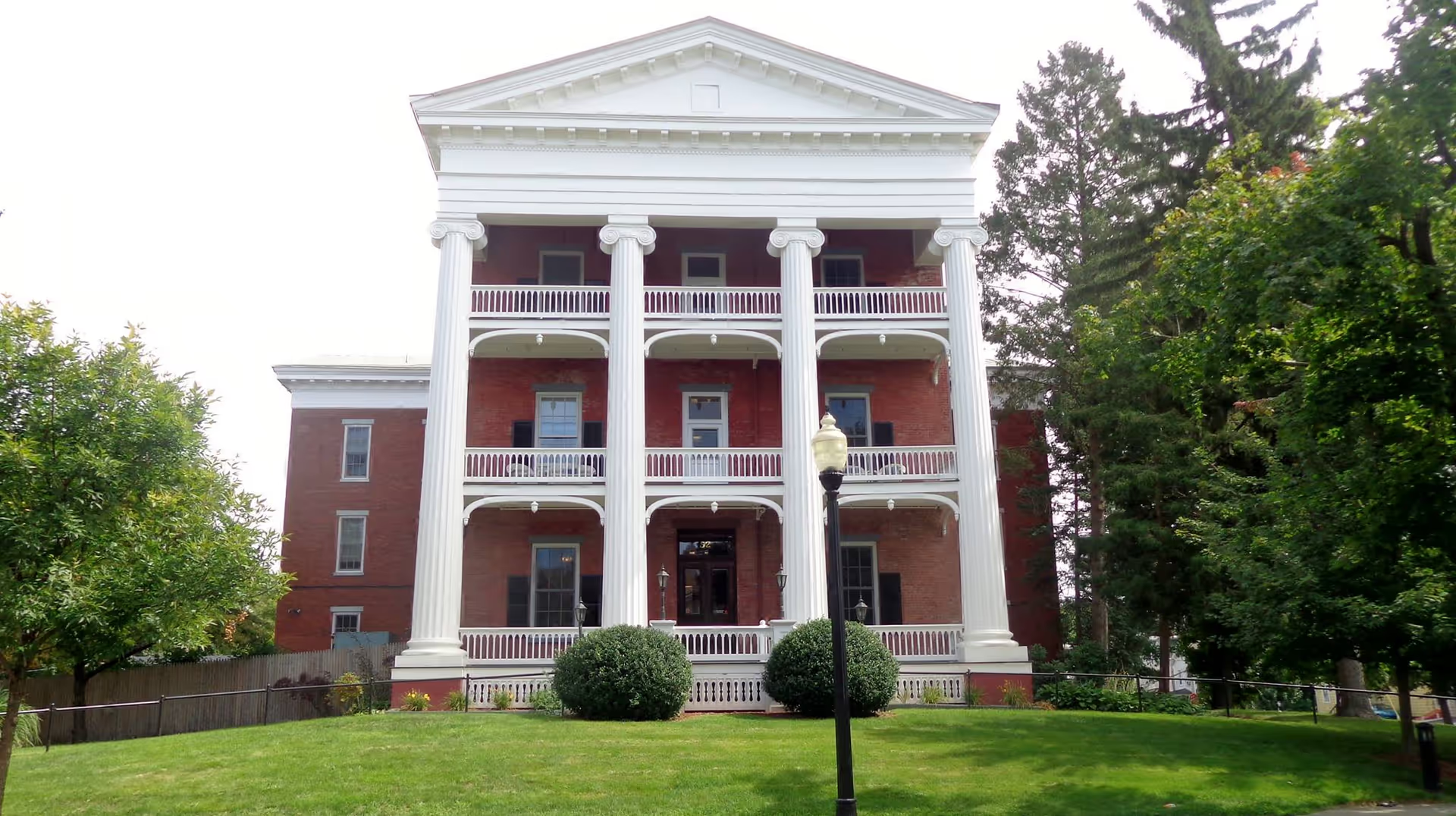
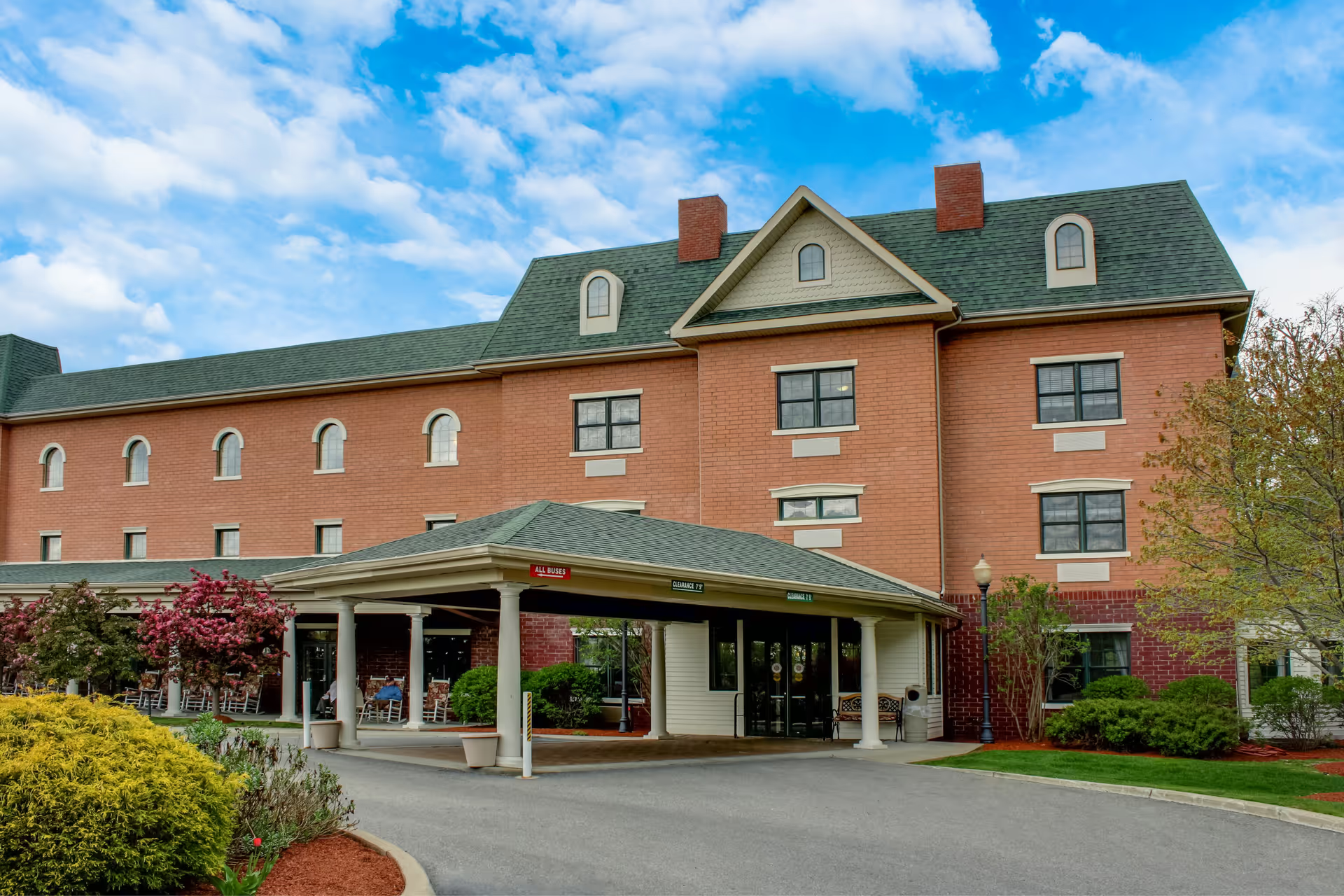
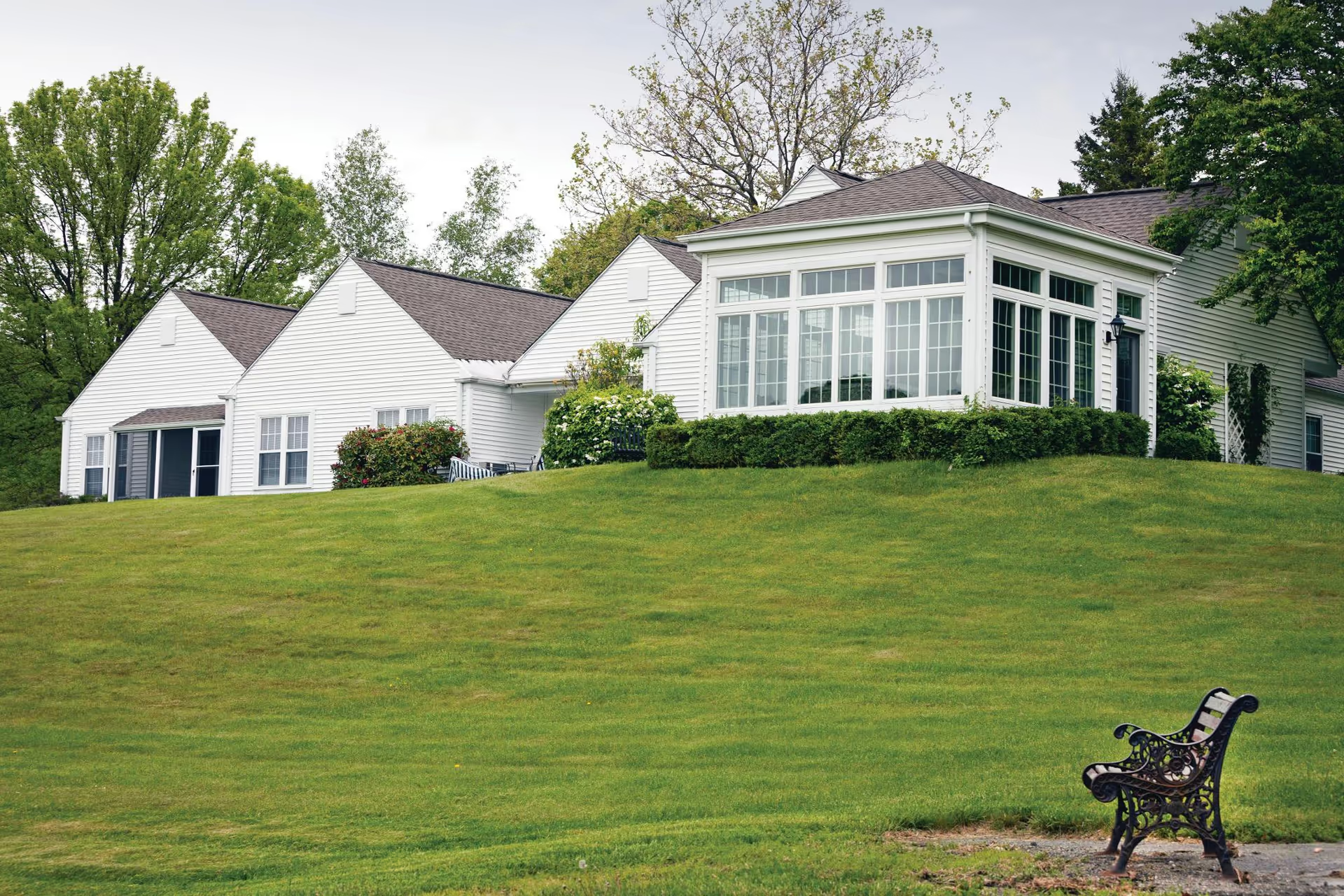
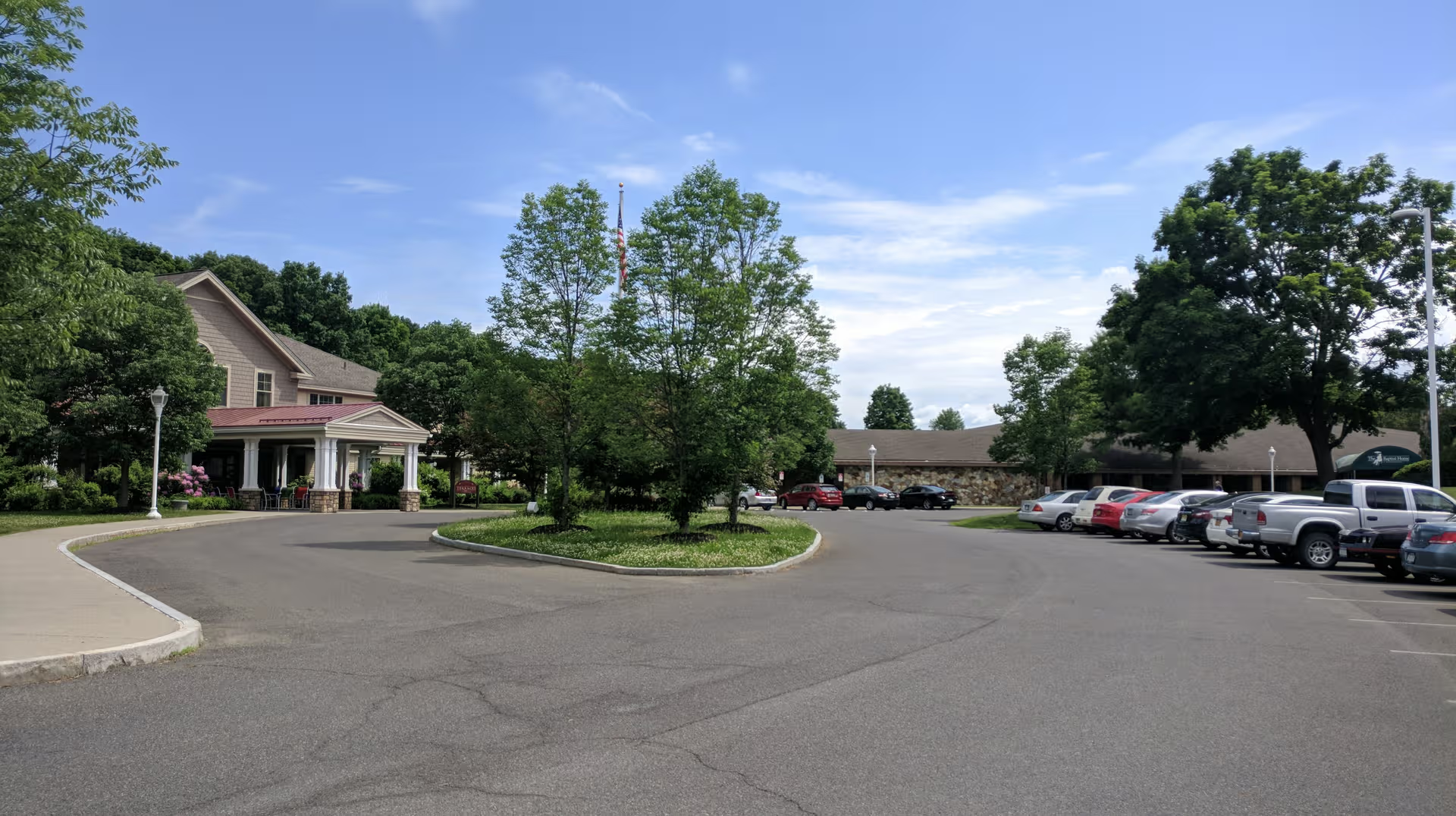
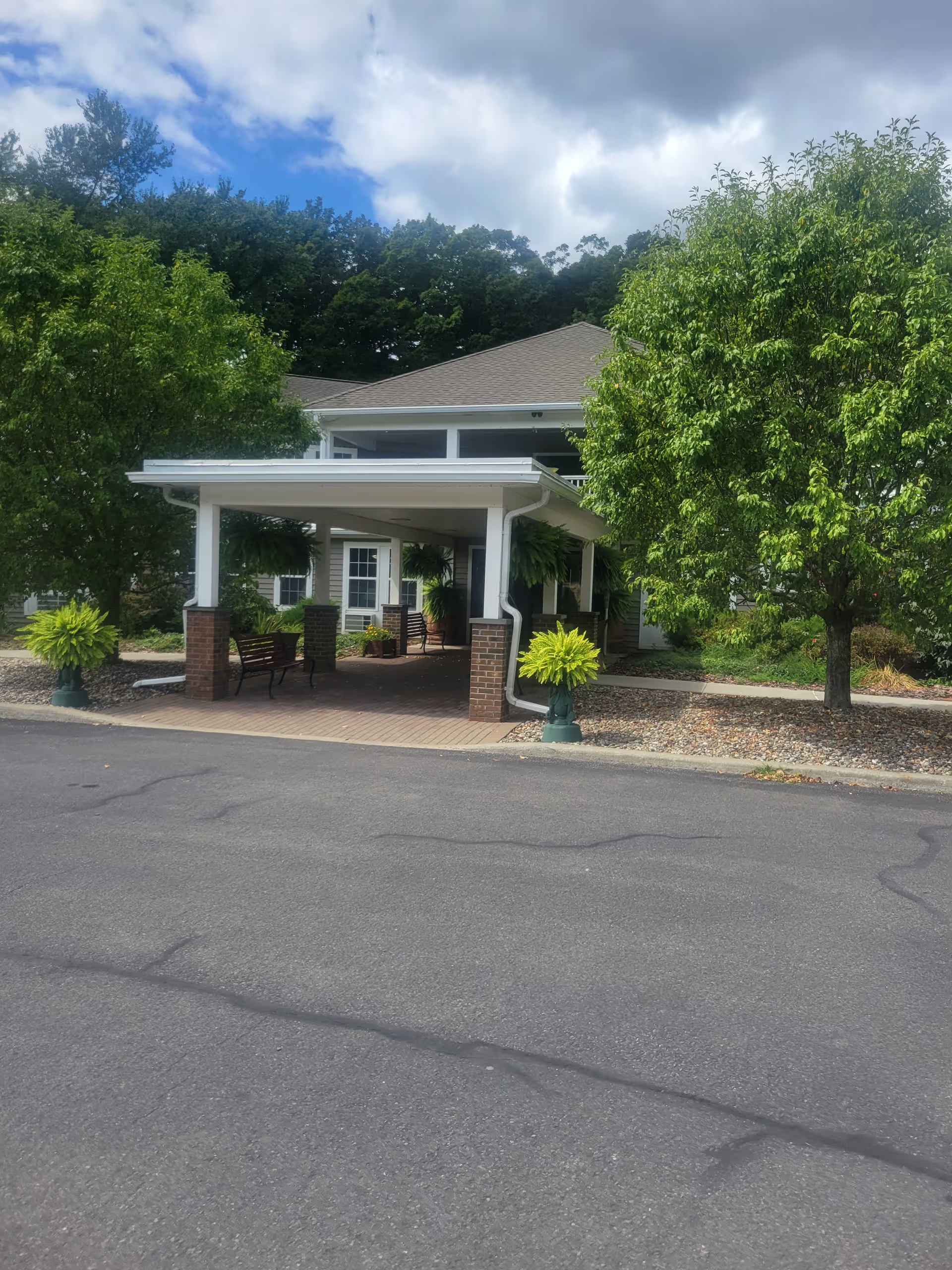
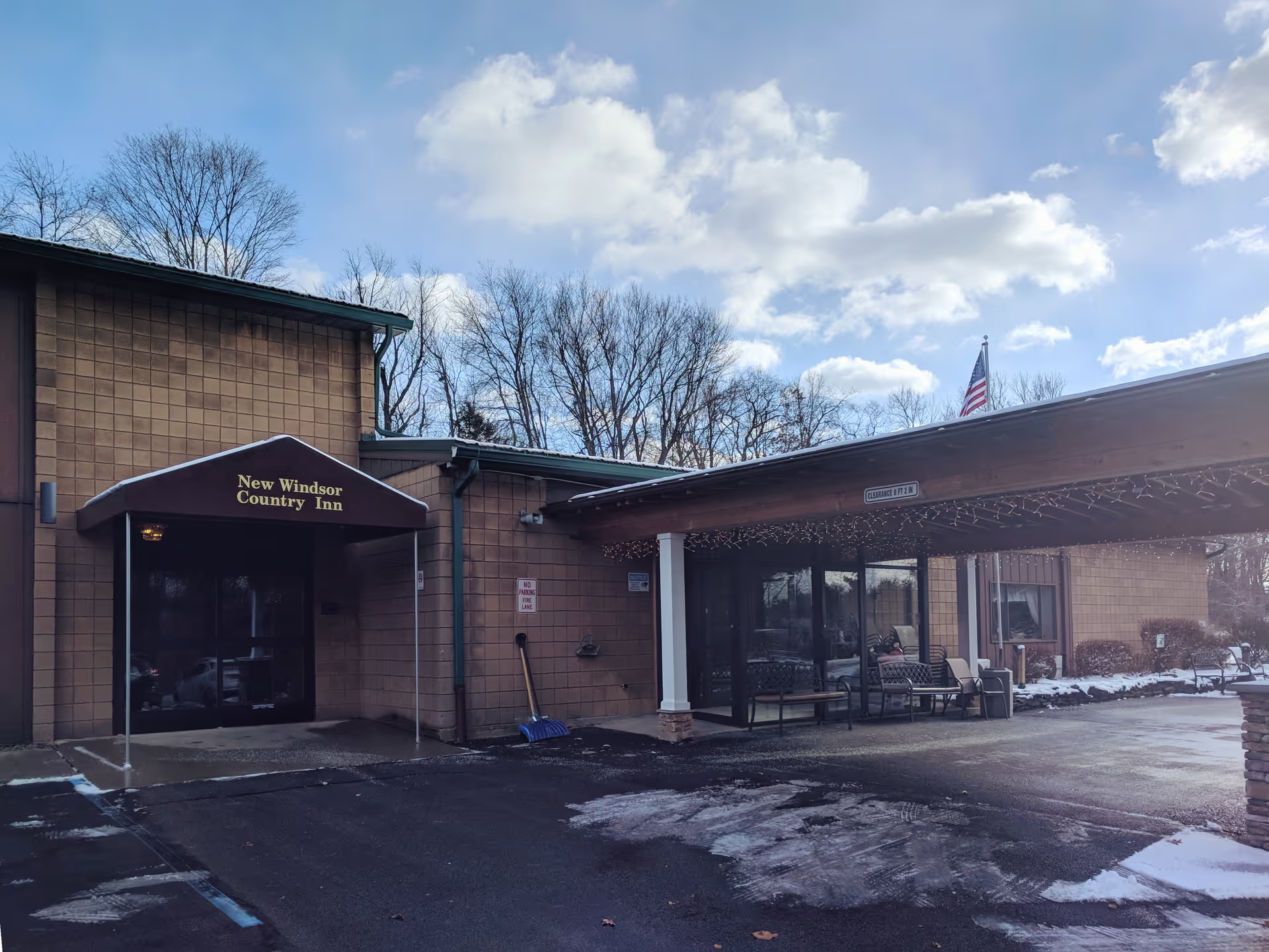
Reviewers describe a facility with several clear strengths alongside recurring operational concerns. The rehabilitation program (physical, occupational, and speech therapy) is frequently cited as a core strength: therapists are described as skilled, proactive, and effective at preparing residents for discharge home. Many families credited the rehab team with measurable functional gains and with teaching compensatory strategies that supported safe transitions back to community living. The facility's communal spaces — bright lounges, patios, a welcoming entrance with plants, and private rooms with large windows and views — consistently receive positive mentions, as do on-site amenities such as a salon and regular spiritual services.
Care and staffing receive mixed but patternable feedback. Numerous reviewers praised individual nurses, CNAs, and aides for compassion and attentiveness, and several accounts note responsive unit leadership and ongoing staff education initiatives. At the same time, a recurring theme is inconsistency: staffing levels and allocation appear uneven between units (with rehab often prioritized), and families describe variability in professional conduct, night-shift responsiveness, and timely assistance. Reviewers express concerns about delayed responses to call bells, limited availability of therapy services on some units, and gaps in clinical monitoring and escalation that, in some cases, led families to seek hospital care.
Dining and nutrition are another area of divergent experience. Some families praise the dining room atmosphere and find the meals satisfactory; others describe a pattern of meal-quality variability, reliance on prepackaged items, and occasions when individualized dietary requests were not consistently honored. These patterns have raised concerns about nutrition management for residents with specific dietary needs.
Facility upkeep and safety oversight show a similar split. Many reviewers find the building clean, updated, and well-maintained, while others note maintenance and safety issues in certain areas — for example, HVAC/temperature control, bathroom and window upkeep, and blocked egress or other safety oversights. There are also sanitation and incontinence-care concerns described by families, which point to uneven practices rather than a universal condition.
Management and culture appear to be in transition for some families. A subset of comments references administrative turnover and staff changes that coincided with a perceived decline in consistency and quality. While some families highlight proactive leadership and education, others raise concerns about accountability systems (name badge use, supervision, and night-shift oversight) and occasional prioritization of operational or financial decisions over consistent bedside practices.
Overall pattern: the facility offers strong rehabilitative services, an engaging activity program, and many compassionate staff members, making it a good fit for residents seeking active rehab and social engagement. However, prospective residents and families should be attentive to unit-level staffing, consistency in dietary and clinical protocols, and recent maintenance/oversight trends. Visiting the specific unit of interest, asking detailed questions about staffing ratios, dietary accommodation processes, escalation protocols, and recent quality metrics, and seeking current references from recent families can help assess whether the facility’s operational consistency aligns with a prospective resident’s needs.