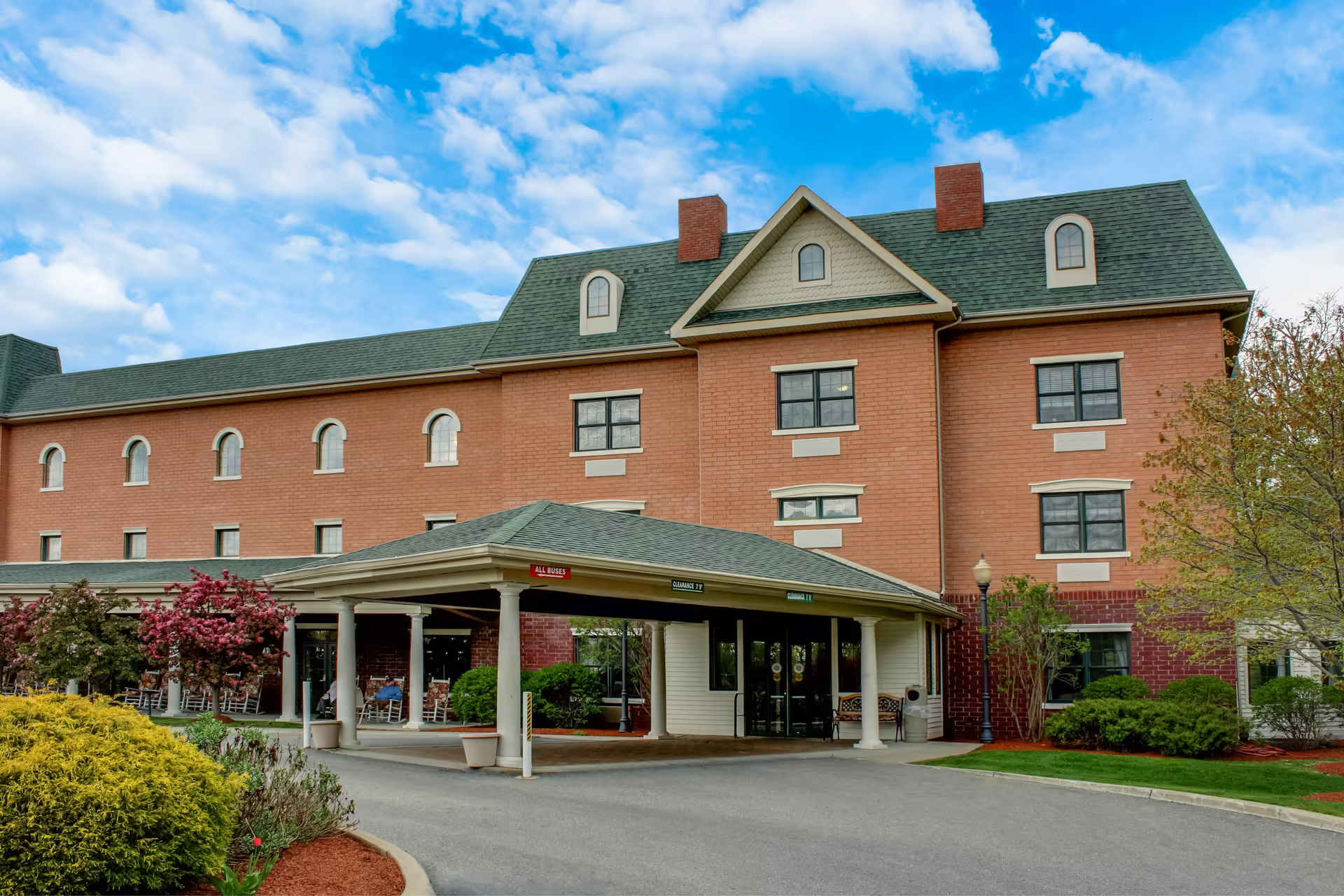
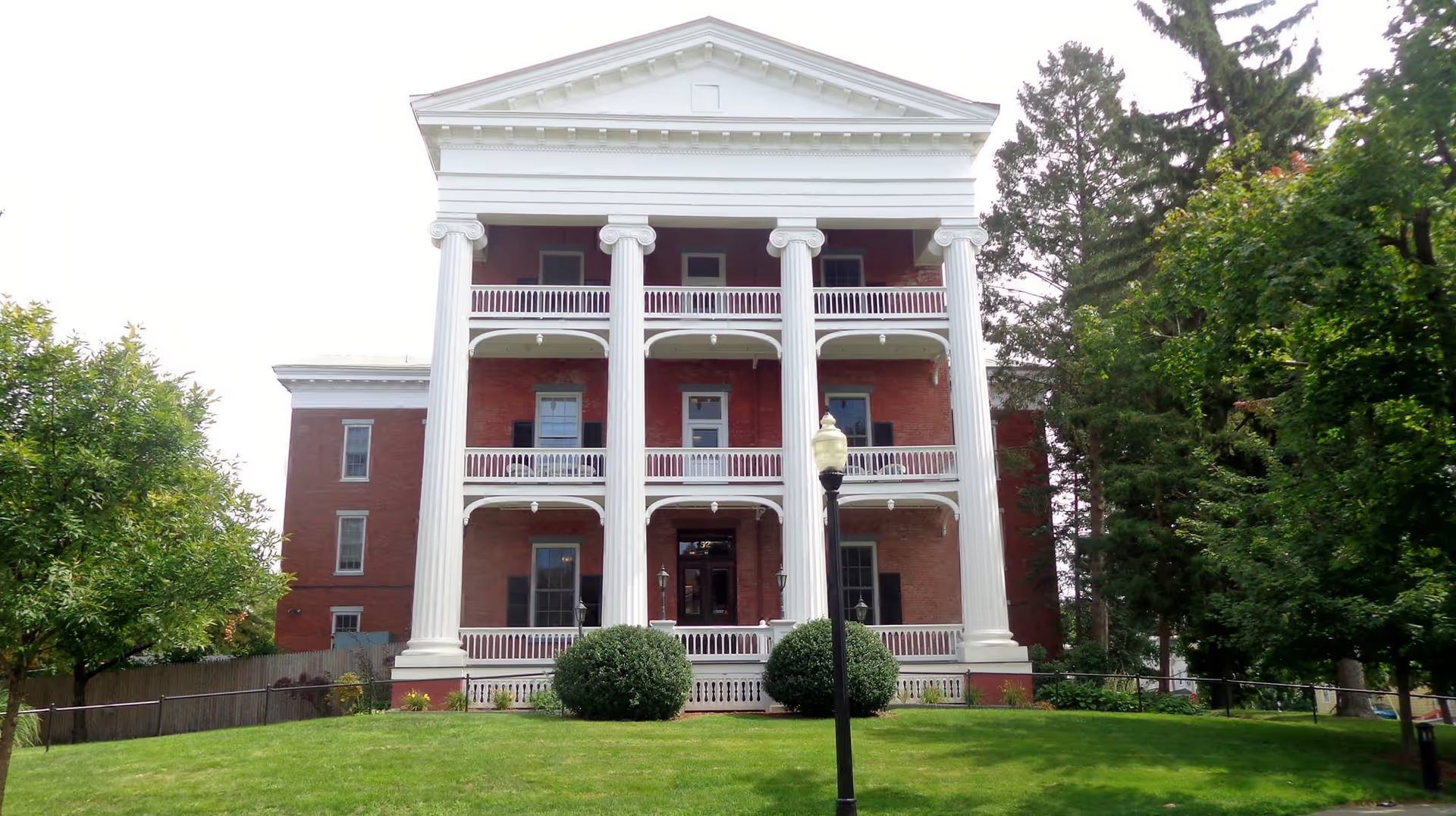
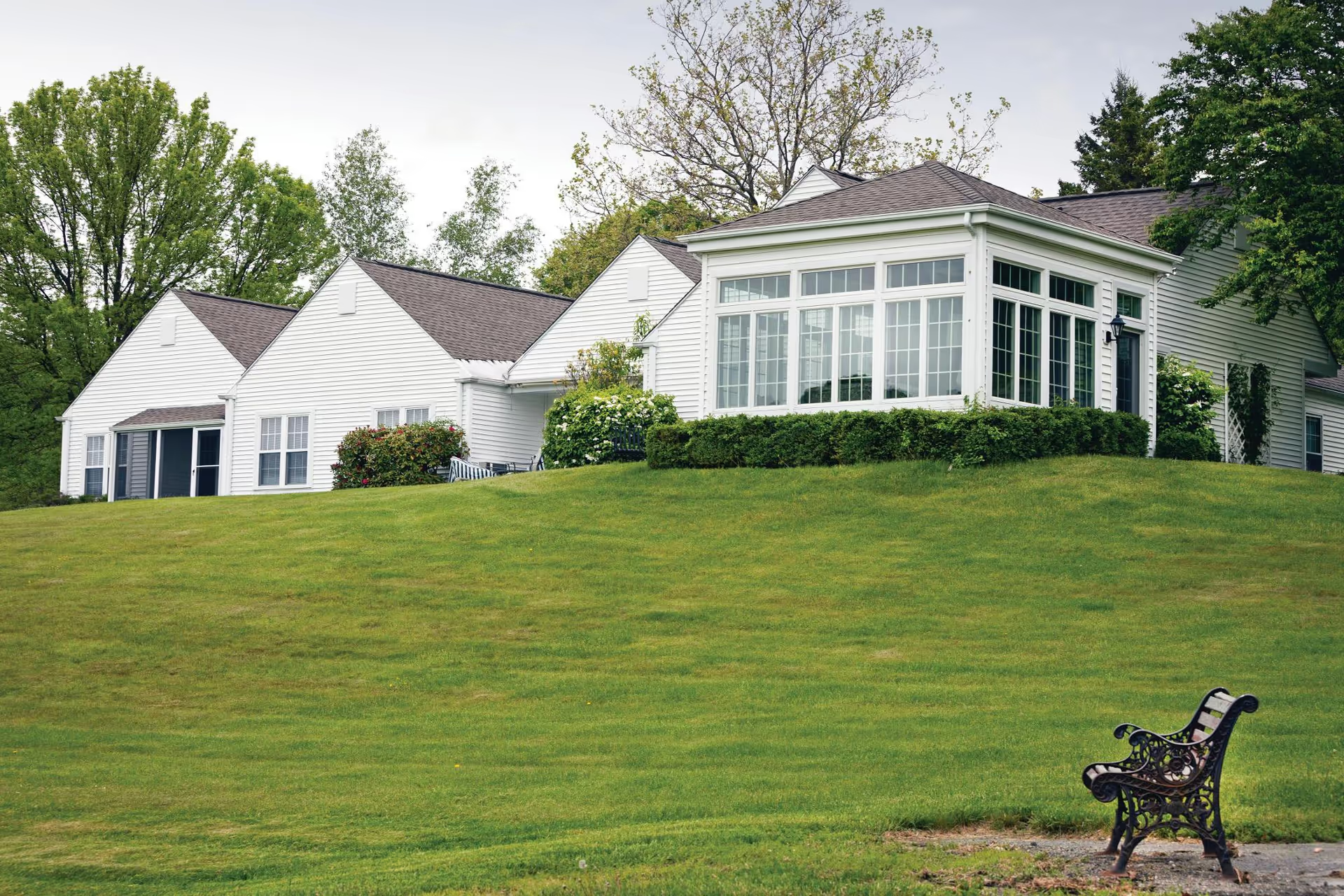
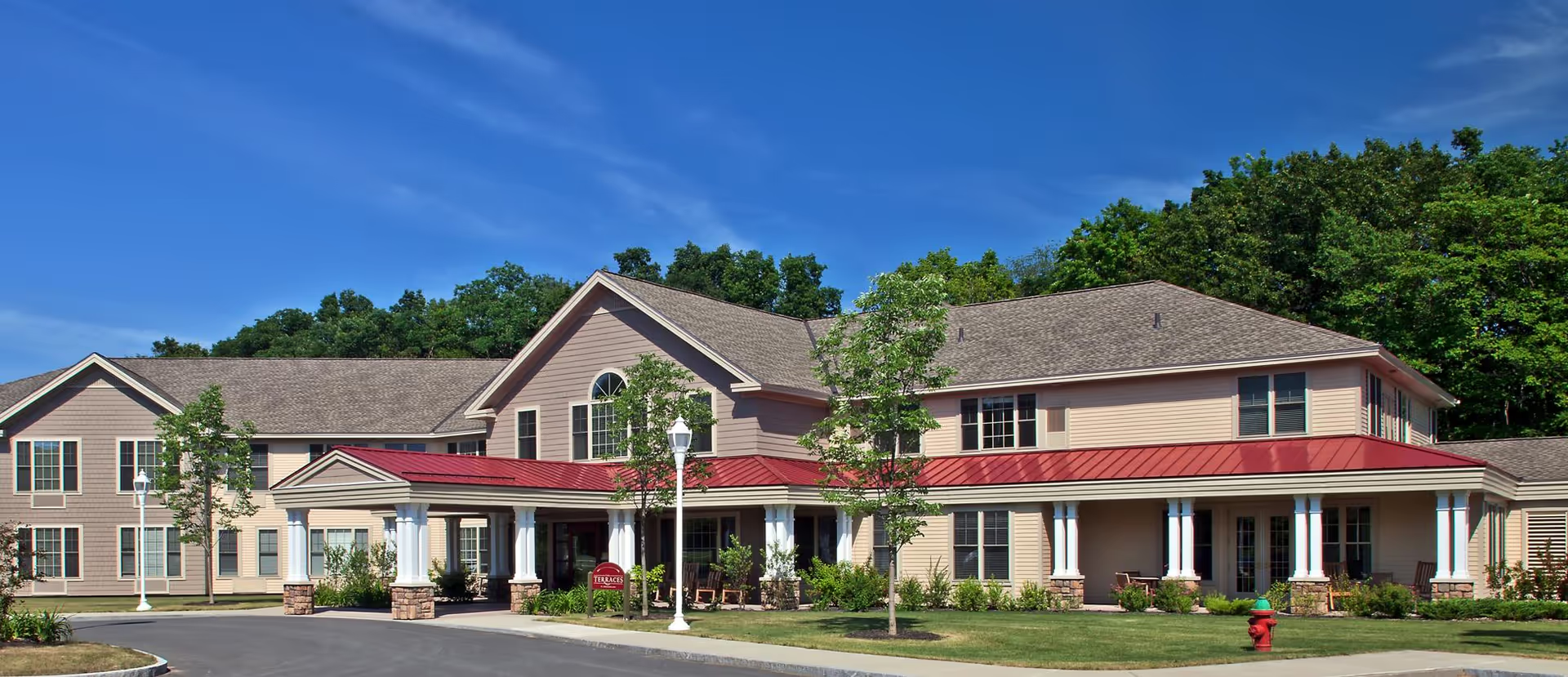
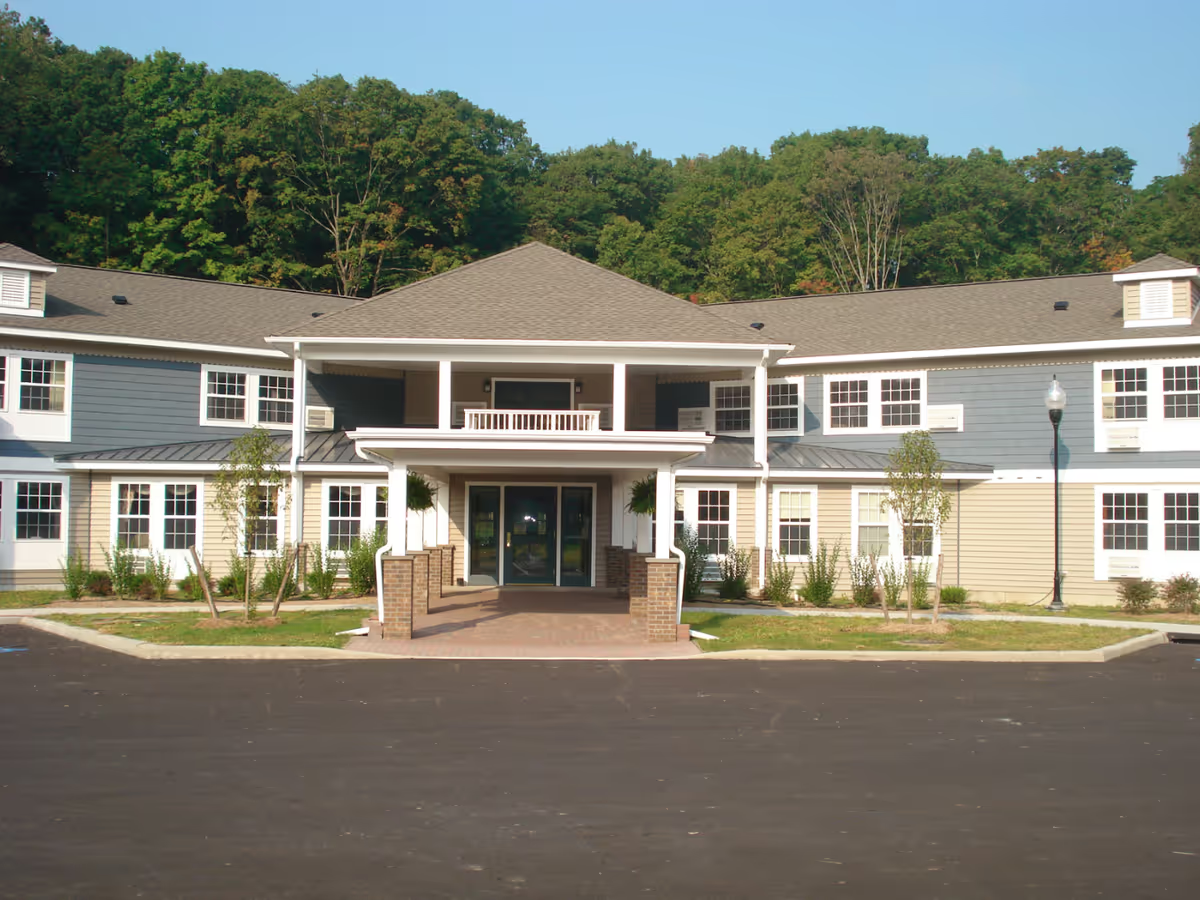
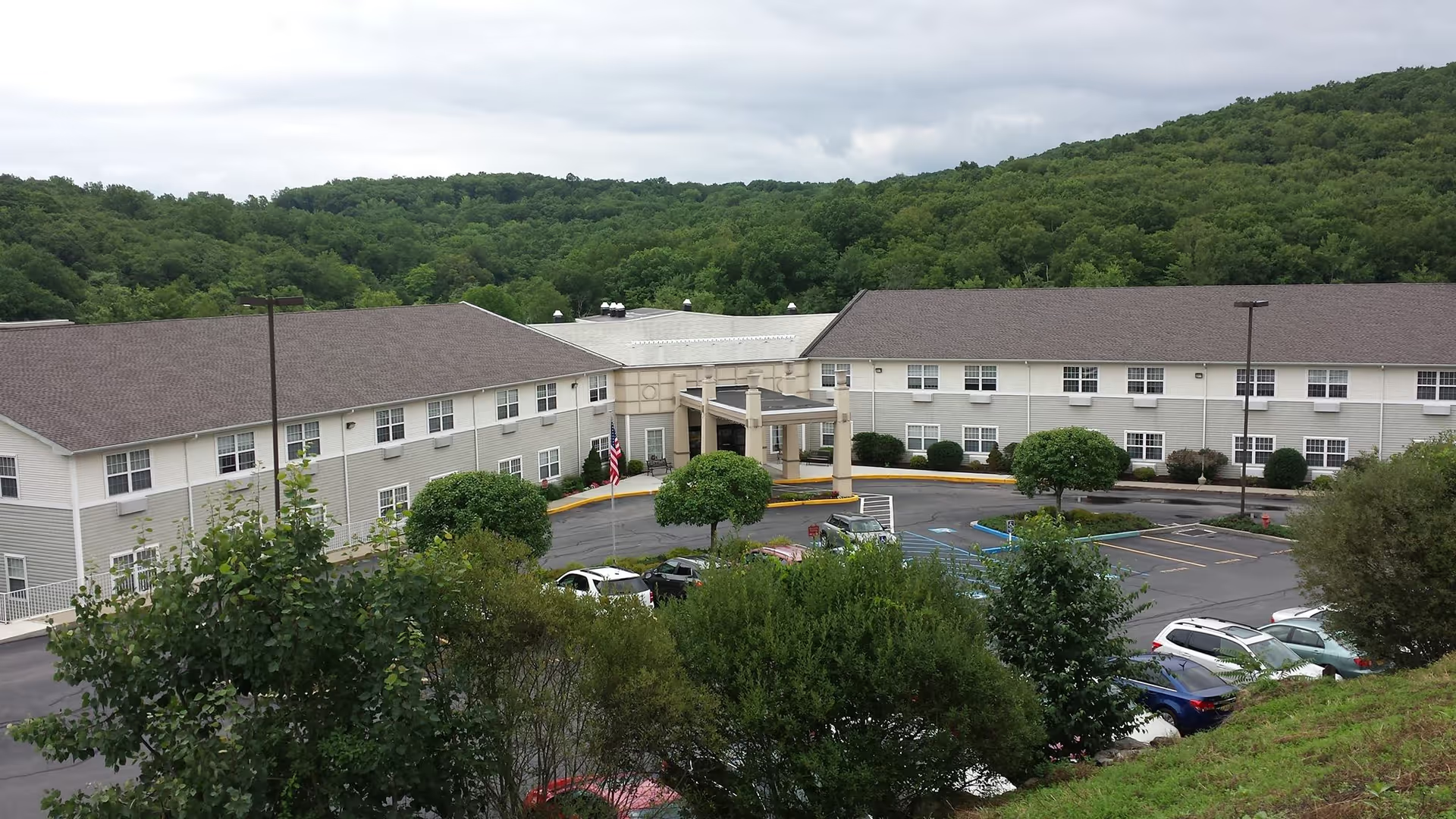
The Pines at Poughkeepsie Center for Nursing and Rehabilitation elicits highly polarized feedback. Many families and residents praise the facility's therapy programs, recreation department, and several individual caregivers for compassionate, hands-on support. Physical and occupational therapy teams are repeatedly highlighted for producing measurable progress; the activities program is described as active and varied. Reviewers commonly note a generally clean, well-maintained environment, an appealing outdoor patio and grounds, and helpful admissions, front-desk, and social-work personnel who facilitate transitions and family engagement.
At the same time, recurring operational weaknesses are evident. Staffing inconsistency—particularly on evenings and weekends—is a dominant theme and appears linked to delays in responding to call bells, inconsistent incontinence care, and variability in basic daily assistance. Families describe gaps in documentation, medication administration, and discharge paperwork, and several accounts indicate transfers or discharge coordination that were poorly communicated or handled at short notice. These process failures sometimes culminated in avoidable stress during transitions and additional out-of-pocket expenses for families.
Clinical-care patterns are mixed. While some units and staff members receive strong praise for attentive nursing and timely clinical interventions, other accounts raise concerns about wound monitoring, pressure-area surveillance, and timely bandage changes. Rehabilitation services receive both high marks for effectiveness and criticism for inconsistent scheduling or early termination of therapy. Dining experiences also vary: some find the food adequate and appreciate family dining options, while others note cold meals, limited menu adherence for therapeutic diets, and inconsistent availability of appropriate options.
Communication and staff conduct emerge as important differentiators between positive and negative experiences. Several named staff and unit teams are described as exceptional, creating trust and peace of mind for families. Conversely, reviewers also describe instances of brusque or dismissive communication, conflicts over clinical decisions, and leadership or social-work interactions perceived as unresponsive. There are also accounts raising concerns about billing clarity and controls over resident property that prospective families should clarify in advance.
Facility-level strengths include a maintained physical environment, an active recreation program, effective therapy resources in many cases, and a visible cadre of committed caregivers. Notable patterns of concern include inconsistent staffing, variable responsiveness, documentation and discharge-process gaps, and uneven adherence to clinical and dietary plans. Prospective residents and families considering The Pines should weigh the facility's strong rehabilitation and activities offerings against variability in day-to-day caregiving consistency, and consider asking specific questions about staffing ratios, weekend coverage, documentation practices, diet and wound-care protocols, transfer/discharge procedures, and billing/property safeguards. Where possible, identifying unit-level staff and meeting the care team during admission may help set expectations and identify potential areas requiring closer family advocacy or monitoring.