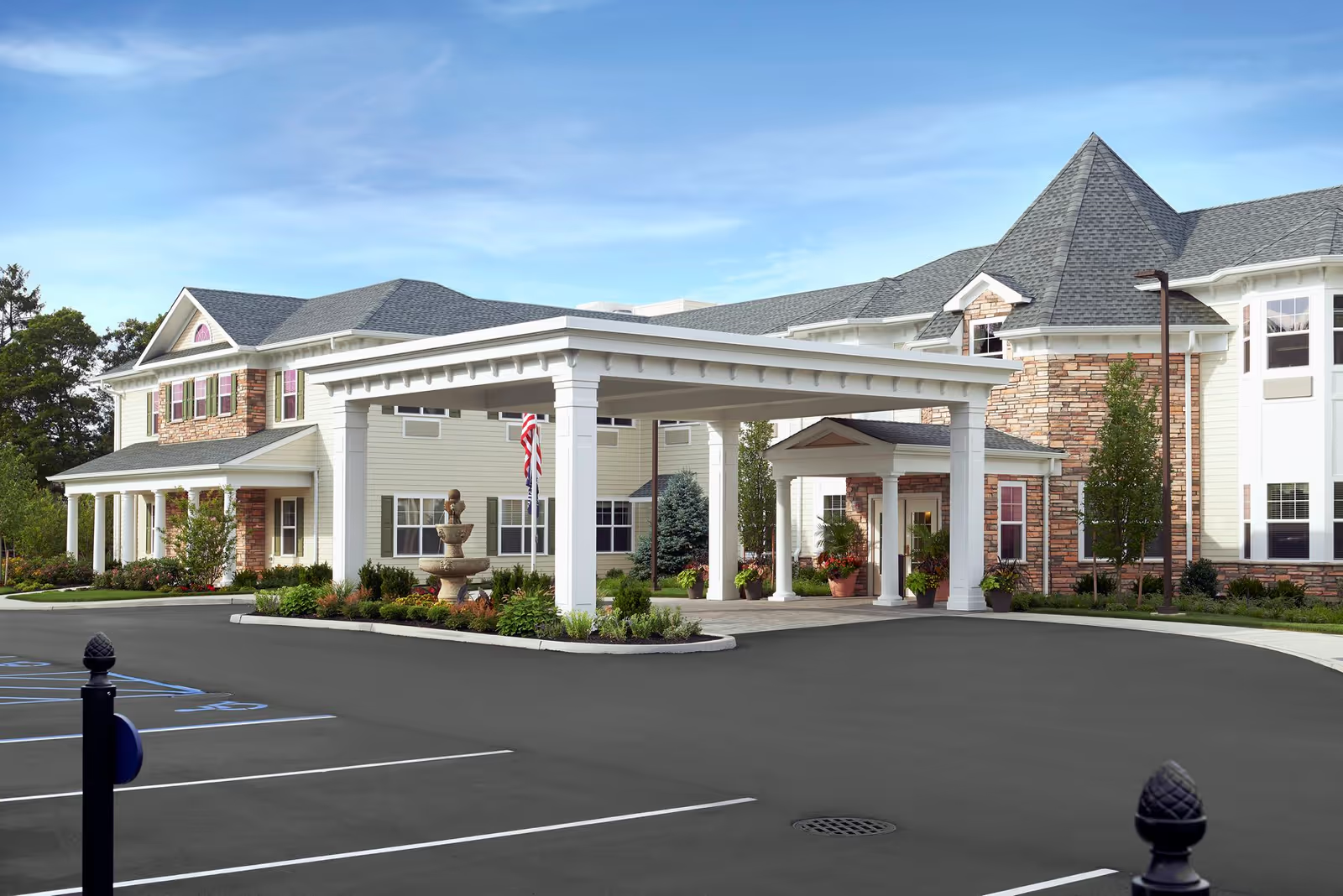
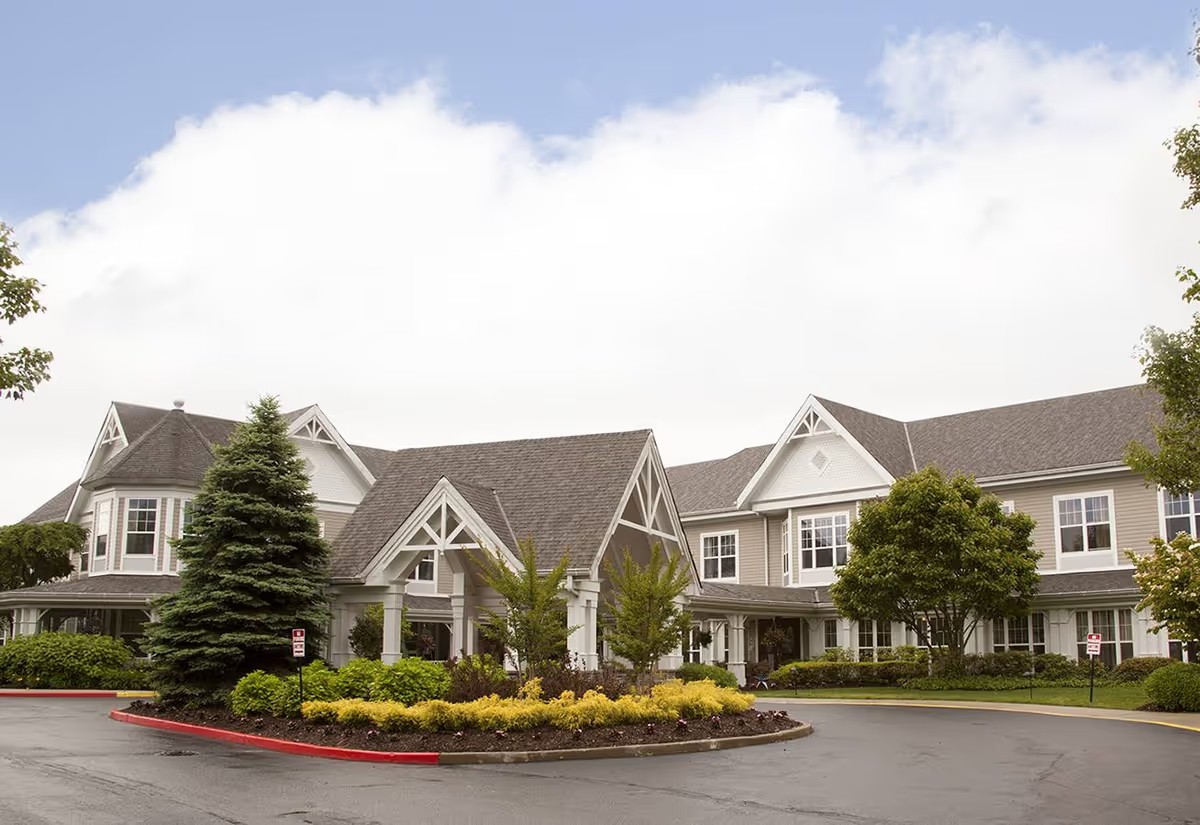
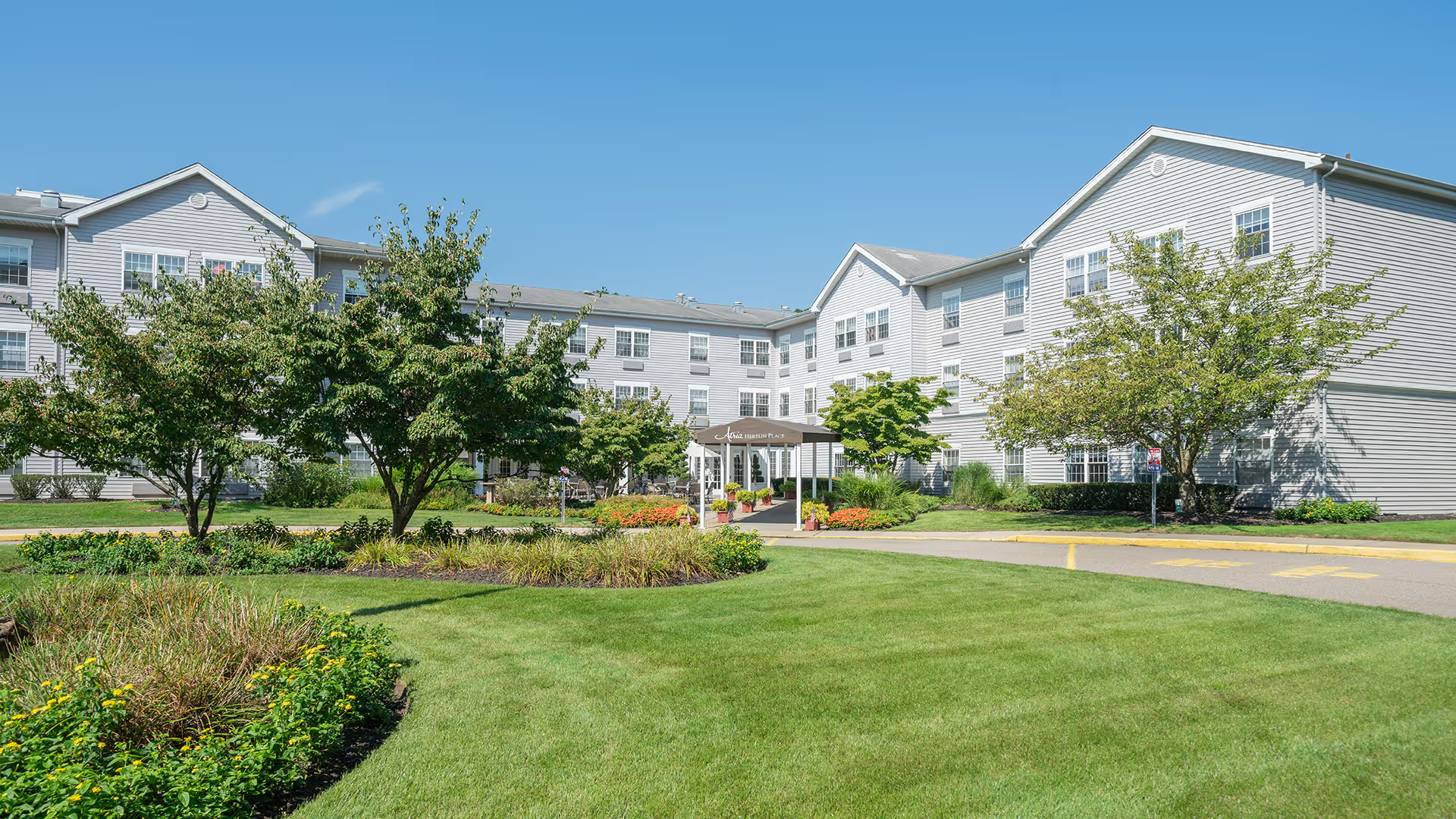
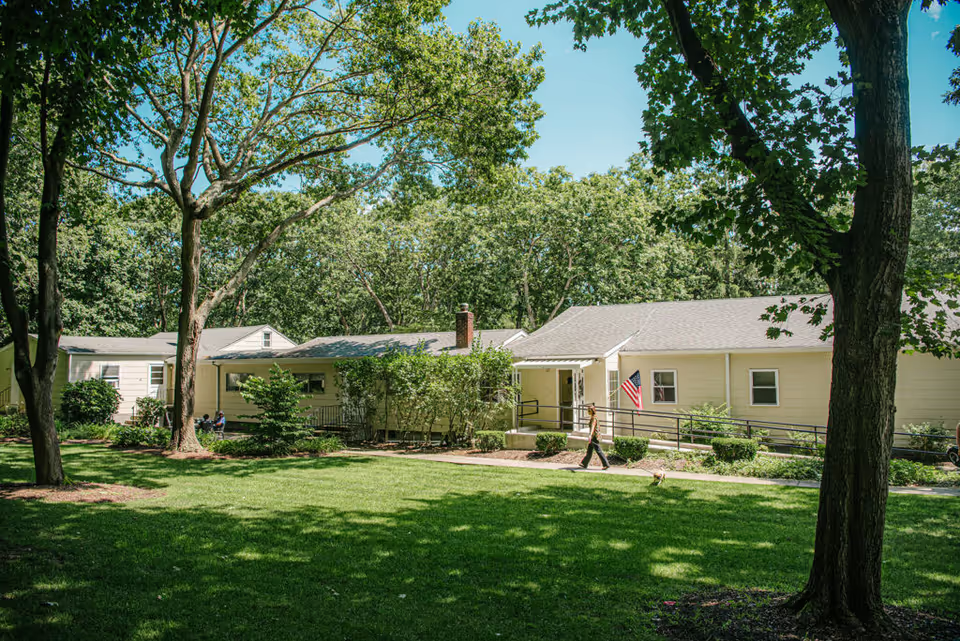
The reviews for Luxor at Sayville Rehabilitation & Nursing Center present a polarized picture. Many families and former residents praise the facility’s rehabilitation services, citing effective physical and occupational therapy that contributed to measurable mobility gains and successful discharges home. A substantial number of comments highlight dedicated direct-care staff — especially CNAs, certain nurses, and specific therapists — who demonstrate compassion, hands-on assistance, and timely clinical follow-up. The facility’s recently renovated private rooms, large televisions, and hotel-like common areas receive frequent positive mention, as do visible maintenance efforts and some effective infection-control and visitor-screening procedures.
At the same time, a recurring pattern of operational weaknesses emerges. Staffing levels and responsiveness are the most common concerns: reviewers describe slower service during nights and weekends, delayed responses to call bells, and inconsistency in aide availability for toileting, bathing, and repositioning. These gaps are tied to related issues such as incontinence-care delays, inconsistent bathing schedules, and inconsistent hygiene practices. Several reviews also raise clinical concerns about delays in medication administration, inconsistent handling of acute changes in condition, and variability in wound and skin-care outcomes across patients.
Cleanliness and food service opinions are mixed. Many reviewers note clean, updated rooms and well-kept common areas, while others report sanitation and odor concerns on specific units or floors and inconsistencies in housekeeping. Dining receives both praise for varied options and accommodation of dietary needs, and criticism for food temperature, portioning, or limited diabetic-friendly selections. Therapy and activity programming are generally regarded as strengths, with reports of engaging social programming and therapy intensity that supports recovery, although continuity of those services can be uneven depending on staffing.
Management and administrative responsiveness are also inconsistent. Several families commend hands-on leadership and specific administrators and front-desk staff for timely communication and advocacy; others describe poor follow-through, inadequate incident documentation, confusing discharge/readmission interactions, and limited transparency about billing or resident funds. Notably, there are serious allegations by some families regarding personal-property losses and financial-accountability problems; these are significant concerns that prospective families should verify directly with facility leadership and review policies.
Given the variability in experiences, a prospective resident or family member should perform targeted due diligence. Recommended steps include asking about current staffing ratios by shift, dementia-care training initiatives, incident-reporting and transfer/fall-prevention protocols, property and financial safeguards, and the facility’s approach to medication and acute-event response. Visiting both the specific unit and common areas, meeting the therapy team, and requesting examples of recent quality-improvement actions can help clarify whether the facility’s strengths align with a particular resident’s needs.
In summary, Luxor at Sayville offers clear strengths in rehabilitation services, many positive direct-care interactions, and modernized accommodations, but the facility also exhibits operational inconsistencies—most prominently in staffing, responsiveness, hygiene processes, clinical incident handling, and administrative transparency. These mixed patterns mean outcomes are likely to vary by unit, shift, and individual care team; families should assess those dimensions carefully relative to the prospective resident’s clinical complexity and supervision needs.