Judson Meadows presents as a newer assisted living community in a rural/country setting with a generally positive emphasis on direct care and resident life. Reviewers consistently describe warm, welcoming front-line staff and nursing teams who are attentive to residents’ daily needs; families commonly cite a sense of safety, preserved independence, and peace of mind. Admissions interactions and follow-up are frequently characterized as helpful, and specific staff members (including social work and activities personnel) are repeatedly praised for responsiveness and kindness.
Care and staffing are among the facility’s stronger areas. Nursing staff and direct-care employees are described as compassionate and engaged, and families note effective individual-level communication regarding resident status. At the same time, there are recurring operational concerns about administrative communication and leadership responsiveness; these concerns relate to how decisions are conveyed and managed rather than to bedside care. Prospective families may want to ask about leadership escalation pathways and typical response timelines during a tour.
Dining experiences appear mixed. Several reviewers describe excellent, even “phenomenal,” meals and the ability to accommodate dietary preferences such as vegan options. Conversely, other reviewers raised concerns about meal quality and pointed to a facility dining policy that restricts meal scheduling (for example, a limited number of served meals per day). This suggests variability in the dining experience and in how dining policies are implemented; asking about typical menus, portion schedules, and accommodation policies can clarify expectations.
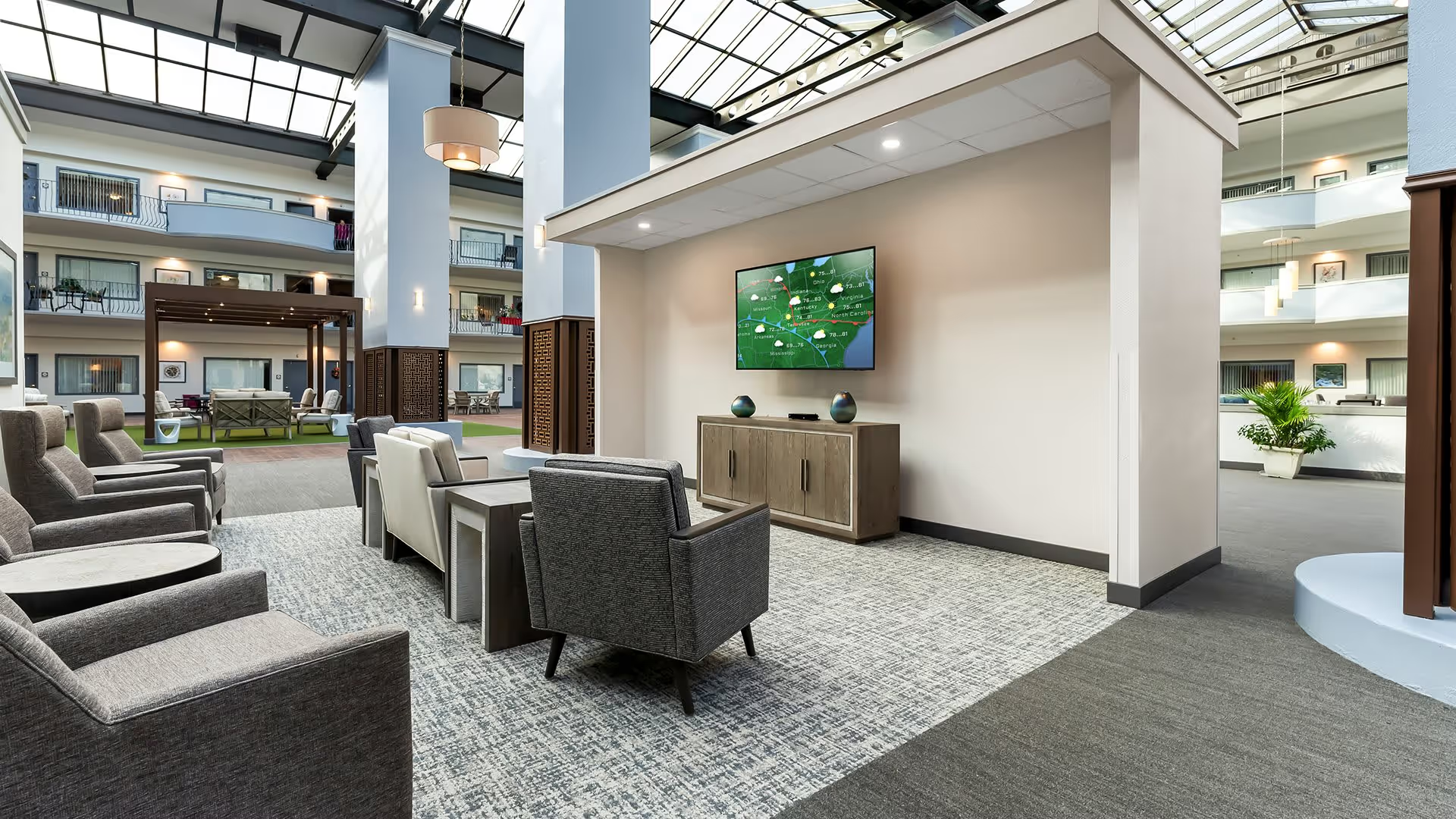
Activity programming and resident life receive strong positive comments. The community offers structured and creative options — arts and crafts, exercise classes, gardening, and social activities — and an activities director is viewed as motivating and effective. On-site services such as a hairdresser/beautician and easy-to-navigate common areas support convenience and resident engagement.
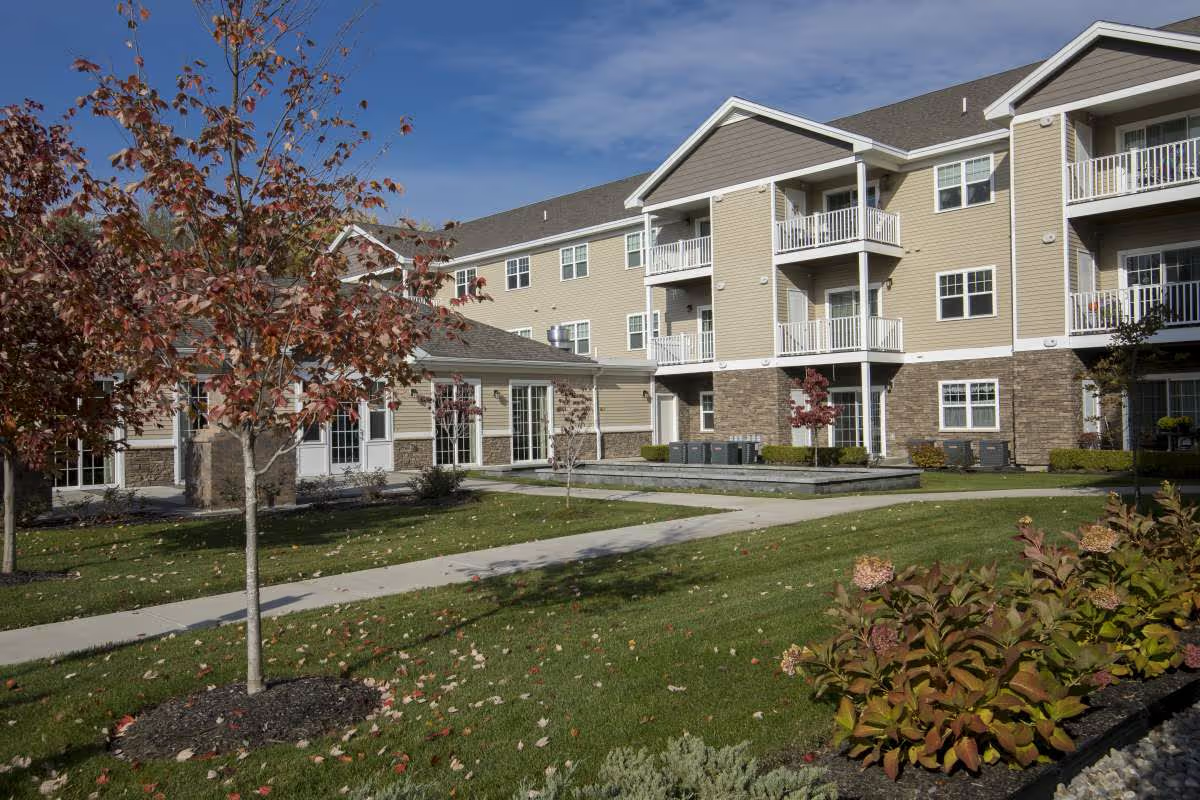
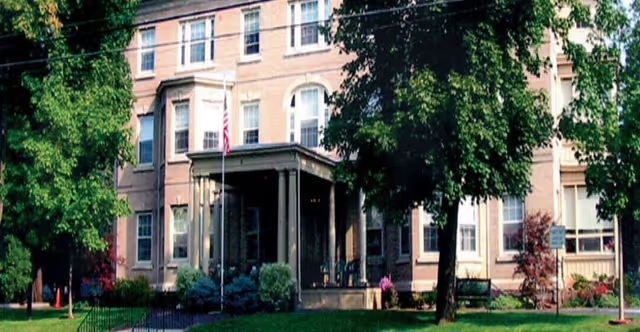
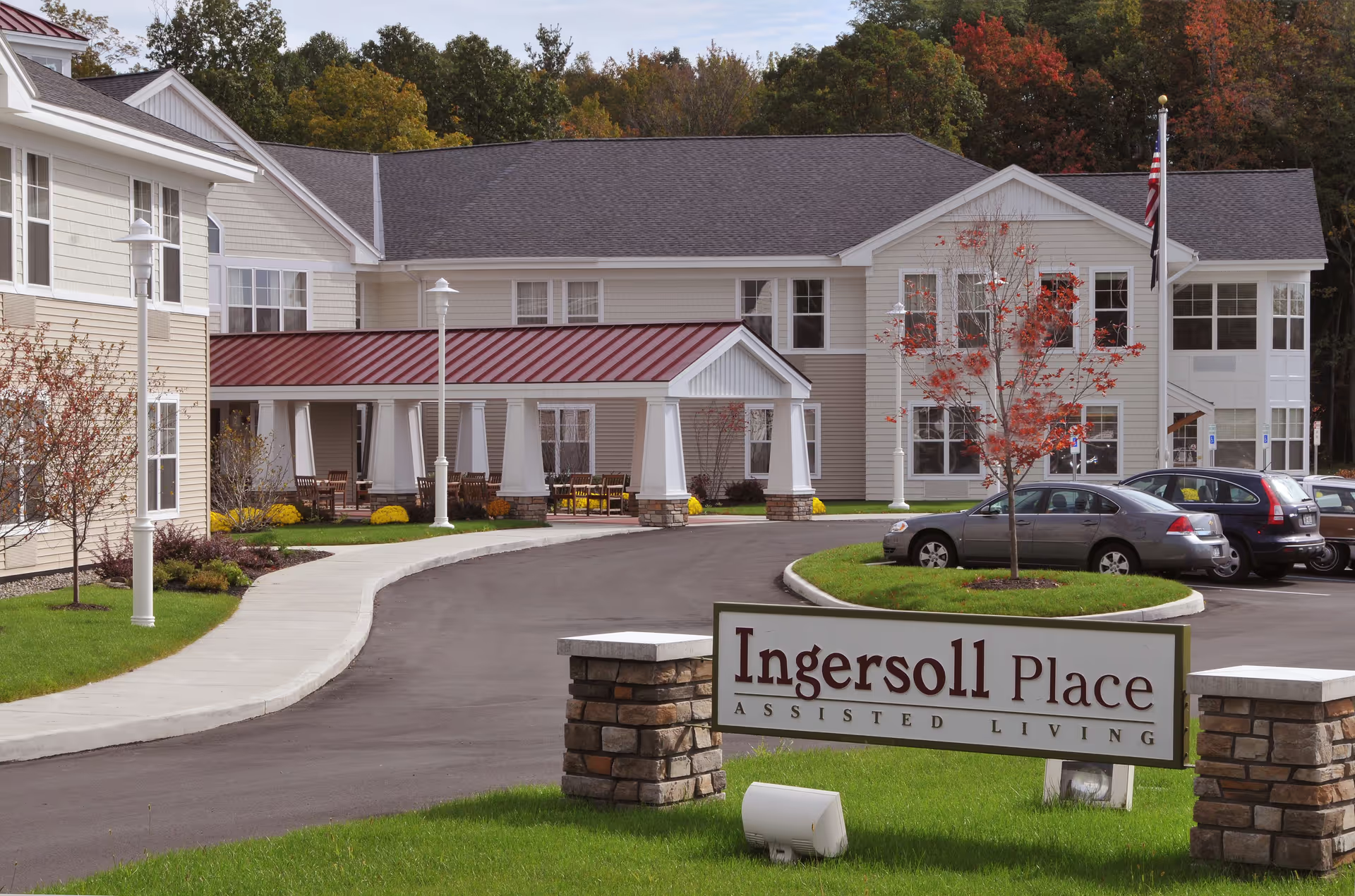
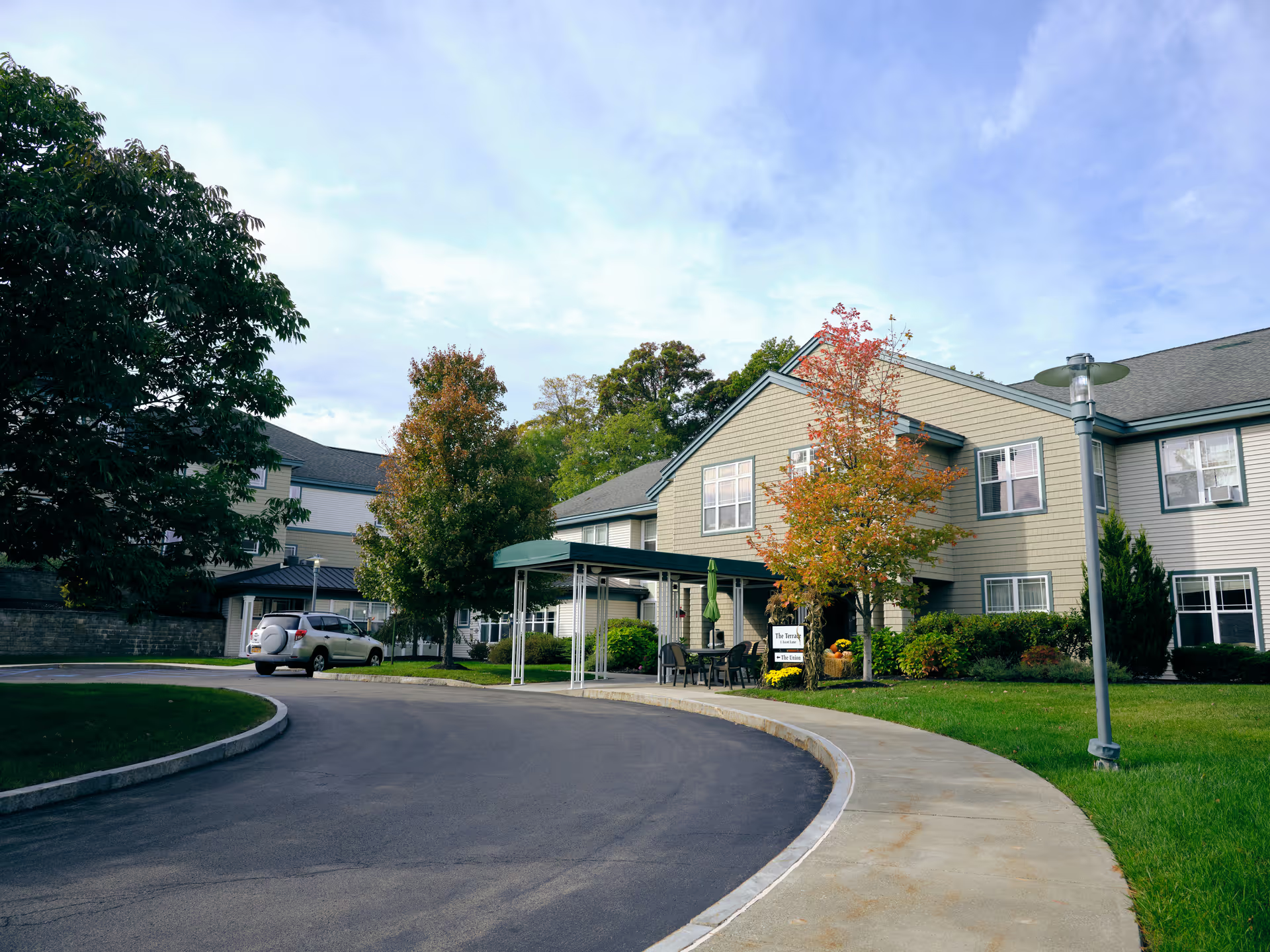
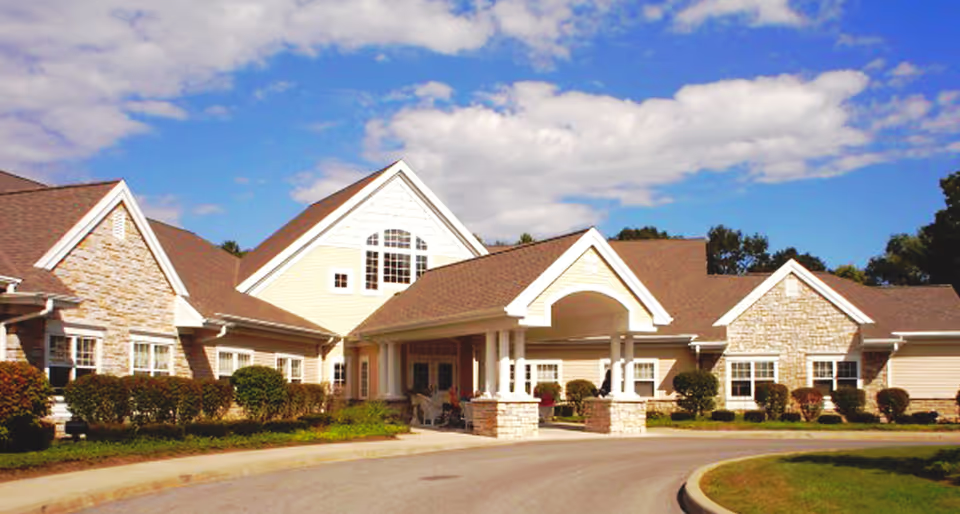
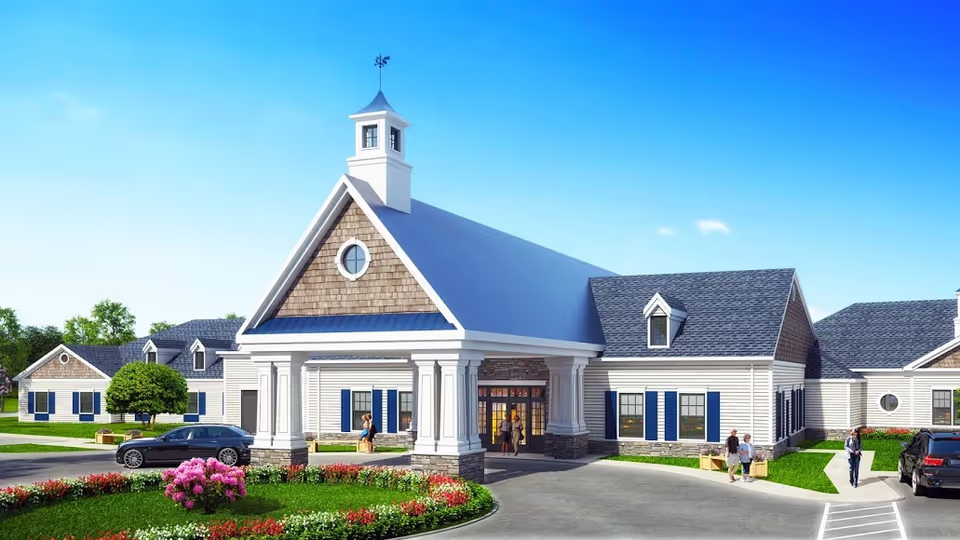
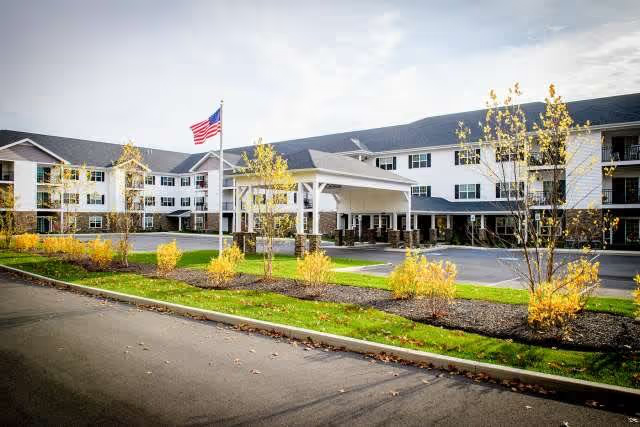
The physical facility is described as clean, well-maintained, and newer in construction, with pleasant common spaces and scenic views. Typical residence units are small studio-style apartments with a kitchenette and private bathroom (roughly 300 square feet in some descriptions). While the compact studio model suits many, others find the units small or the overall campus larger than preferred; some families noted that accessing different areas can require substantial walking. Cost is another operational consideration: some families view the community as premium-priced, while others find the services to be good value for cost.
Operational limitations to note include limited availability of respite or short-term stays and constrained transparency during infection-control periods (for example, restricted access during disease outbreaks), which affected some families’ ability to fully assess rooms and meal service. Taken together, the pattern of reviews indicates strong direct-care staff performance and a robust activities program within a well-kept facility, coupled with occasional inconsistencies in dining, administrative communication, and some facility-level policies.
For prospective residents and families: verify current dining schedules and accommodation options, ask for examples of how administrative concerns are handled and escalated, confirm respite/short-term stay availability, tour representative unit layouts to assess size and walking distances, and discuss cost and contract details. These targeted questions will help determine whether the facility’s operational practices and physical layout match your expectations and needs.