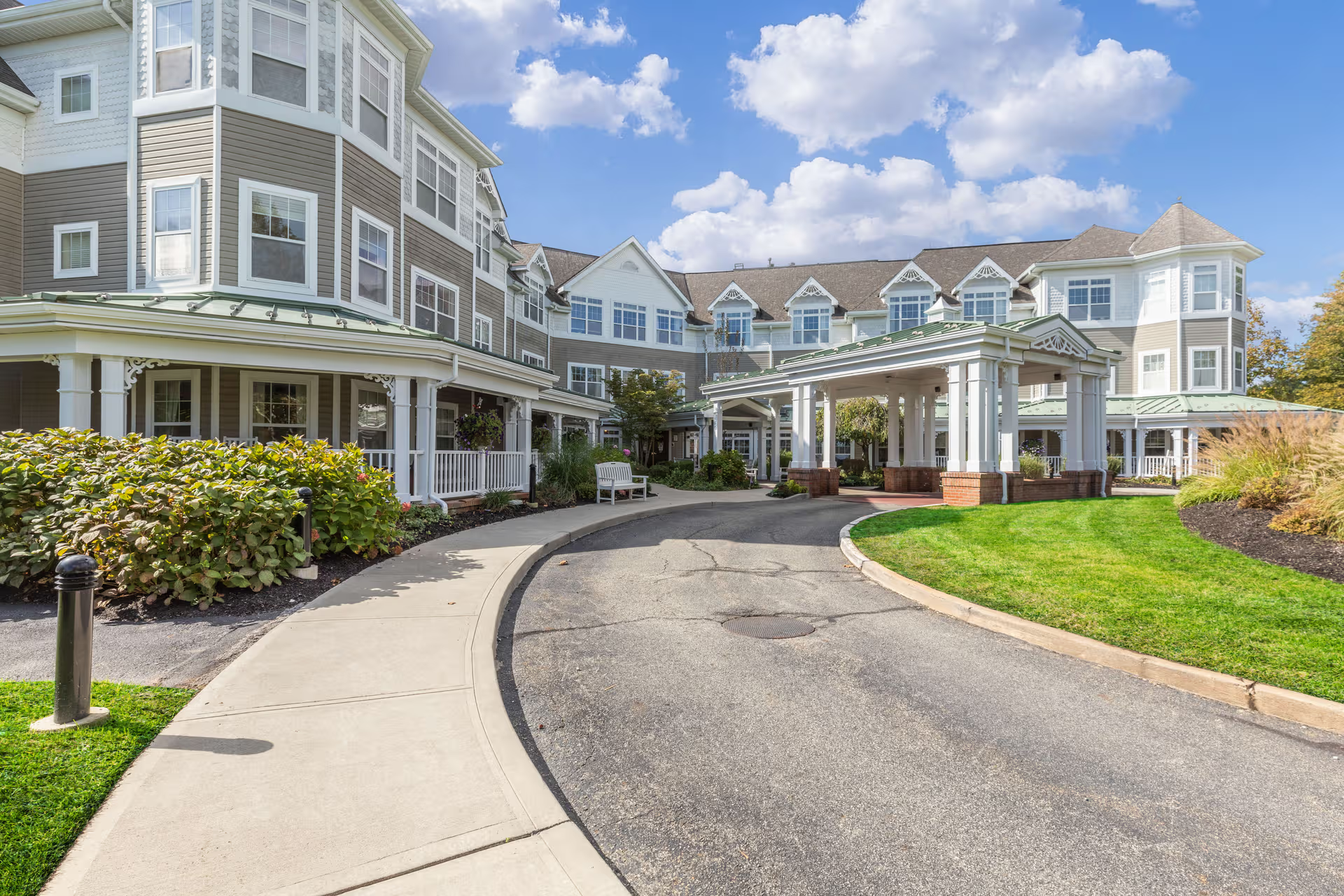
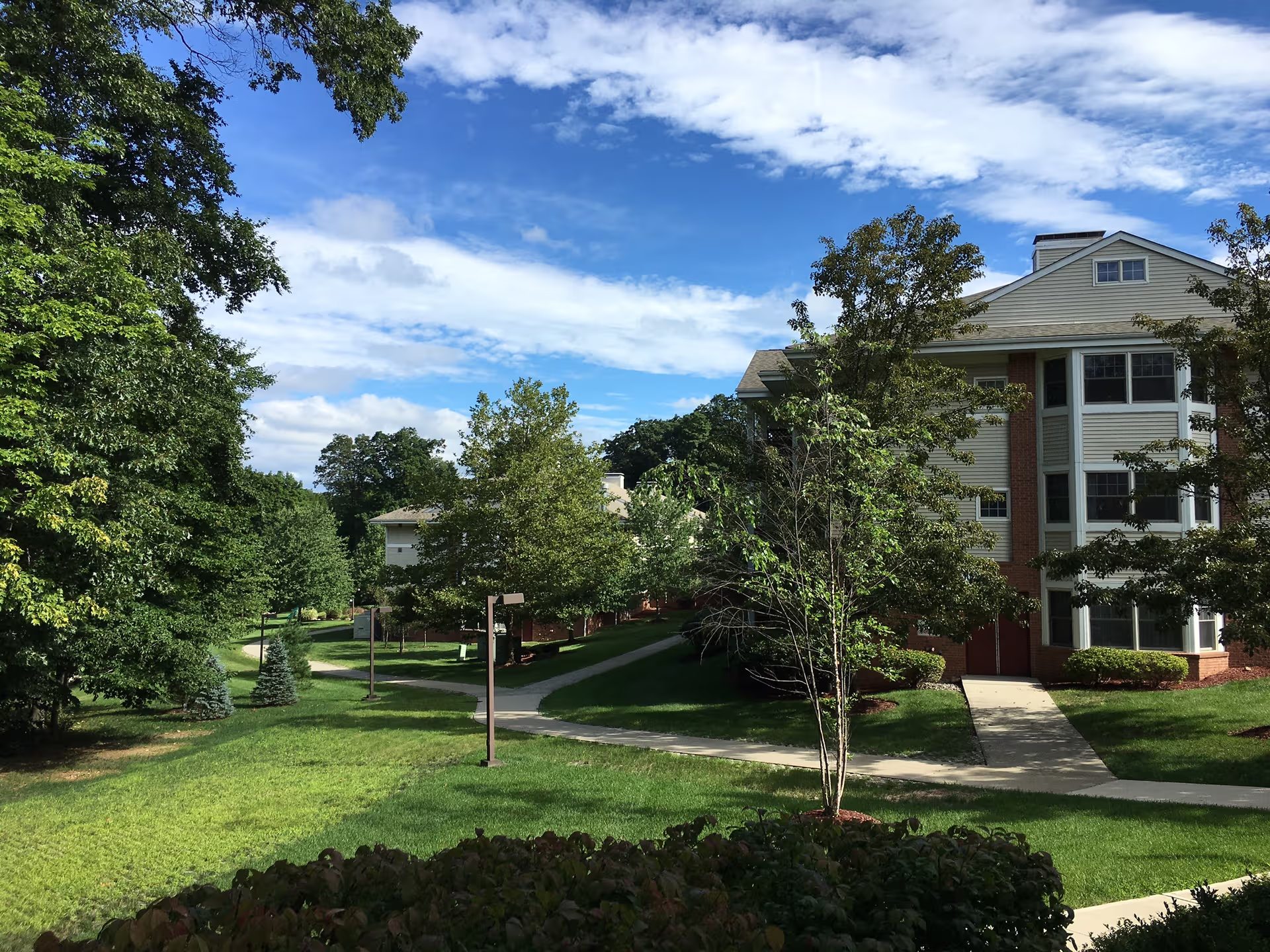
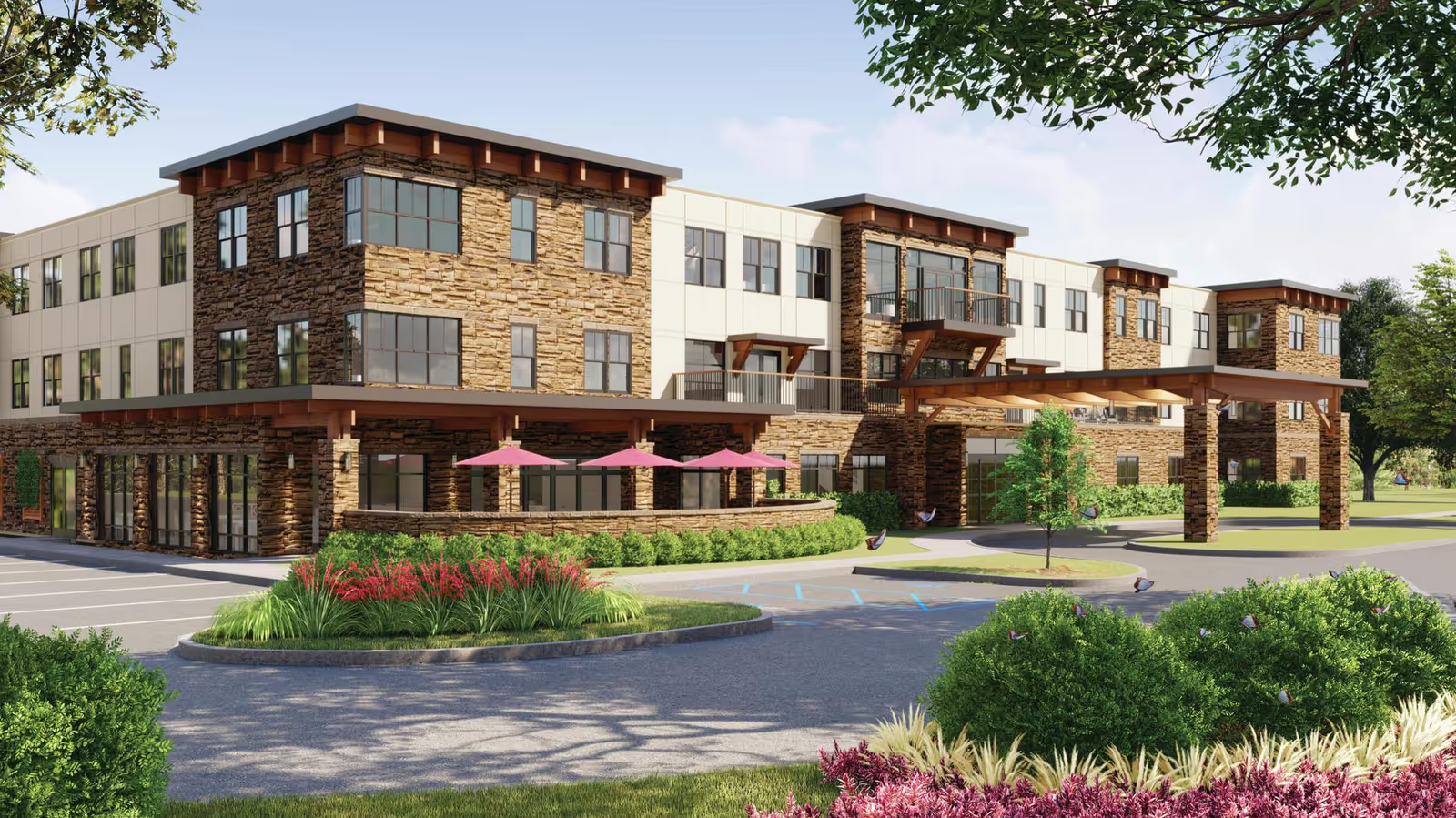
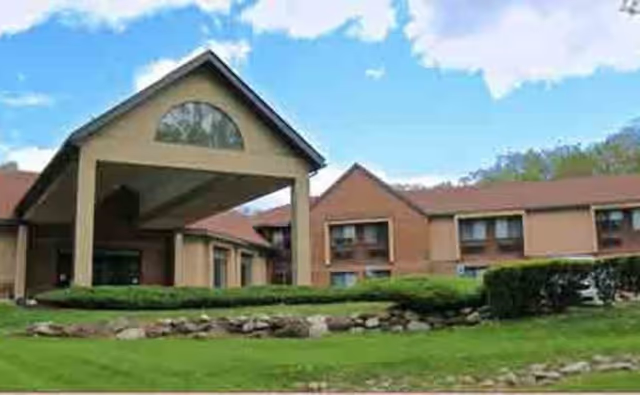
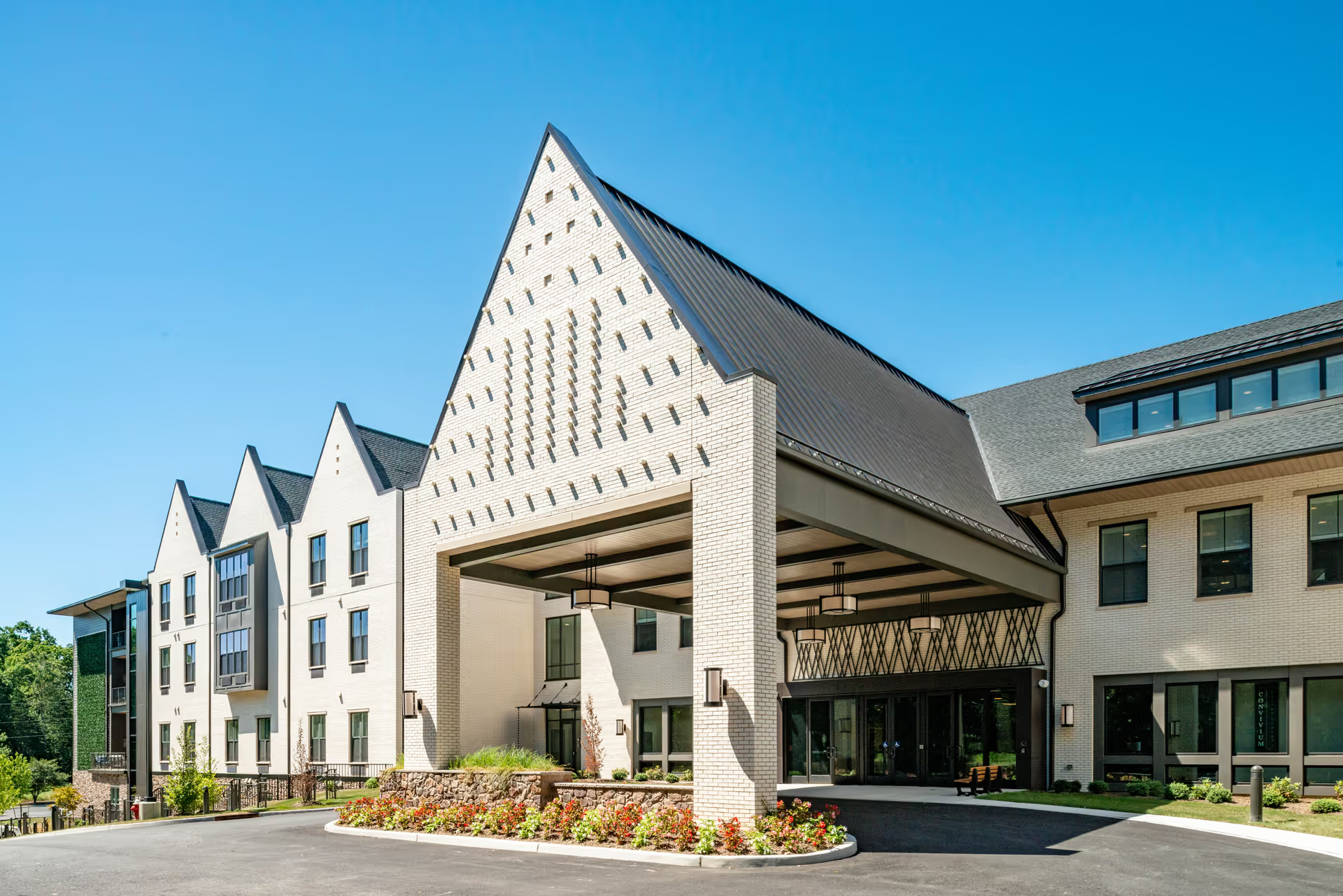
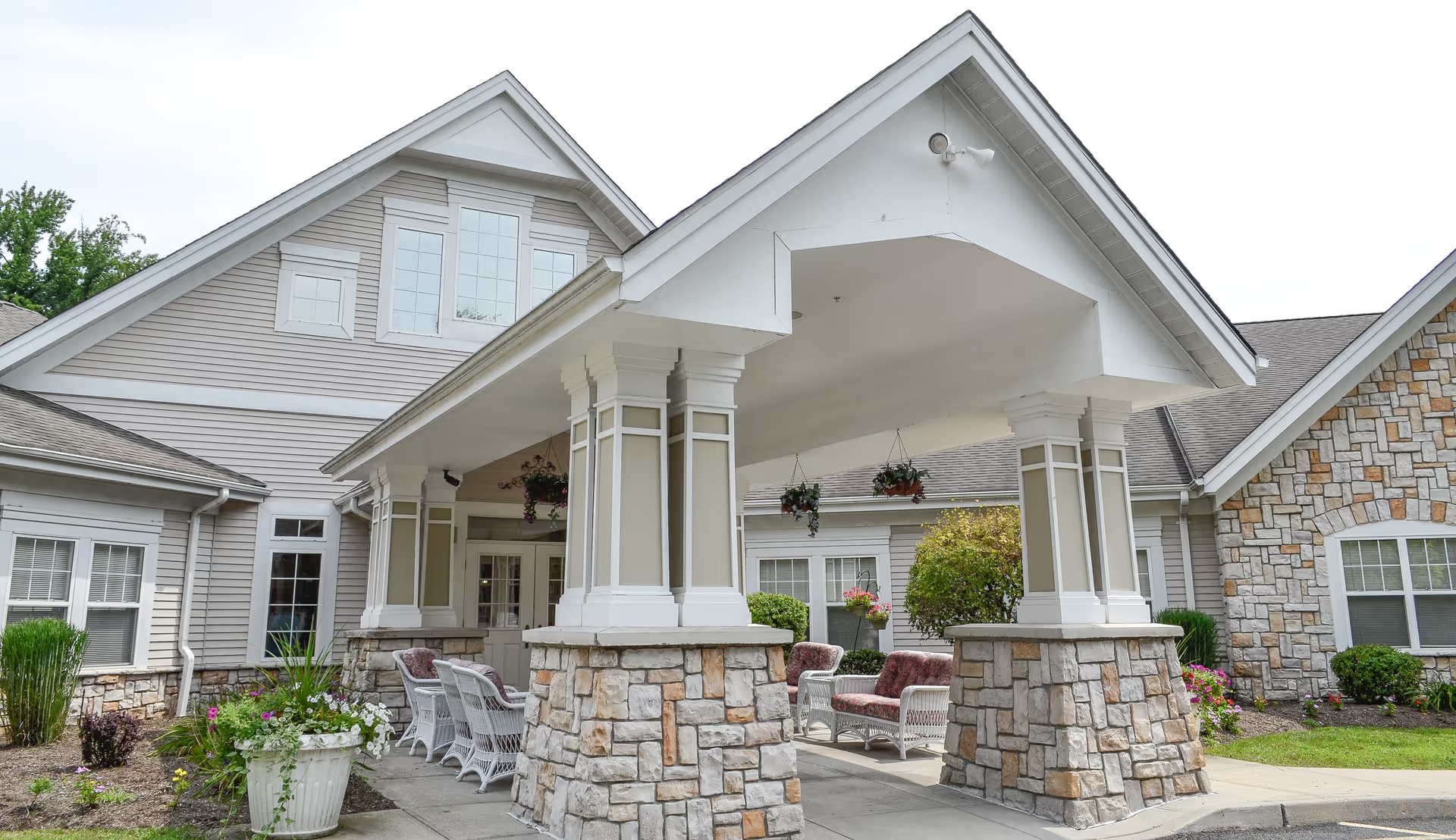
Pine Valley Center elicits a wide range of impressions. Many families and residents praise the facility’s physical environment — frequent comments describe a clean, well-maintained building with pleasant outdoor spaces, a home-like dining room, and an organized therapy area. The rehabilitation programs and therapy staff receive strong, consistent positive feedback: families report effective, individualized PT/OT that contributes to measurable recovery for short-term patients. Admissions, front-desk staff, and certain leaders and clinical educators are repeatedly named for helpfulness and clear guidance.
Care quality is mixed in the reviews. Numerous accounts highlight attentive, compassionate aides and nurses who perform daily care tasks, participate in care planning, and maintain dignity and safety for residents. At the same time, there are recurring concerns about inconsistent staffing and coverage that appear to affect service reliability; examples include delayed assistance with toileting and slow response to call bells. Several reviewers describe issues related to clinical responsiveness and medication-administration processes that would merit direct inquiry during family visits.
Staff conduct and communication show variability across units and shifts. Positive remarks single out caring, professional nurses, social workers, and therapists who include families in the plan of care; conversely, other reviews describe harsh or unprofessional tone, language-barrier challenges, and instances where families felt communication was poor or unreturned. Phone accessibility and timely family notification are frequent pain points. Training initiatives and an active nursing-education program are noted strengths, suggesting management attention to staff development; however, operational consistency remains uneven.
Dining and daily life have both strengths and limitations. The facility’s dining environment and some menus are described as pleasant and non-institutional, and activity programming (arts, exercise, religious services, and social events) is highlighted as a positive contributor to resident quality of life. Yet several reviewers flagged variable food quality, meal shortages on occasion, and gaps in dining service continuity. Families should ask about current menu offerings, special-diet accommodations, and meal-supply practices.
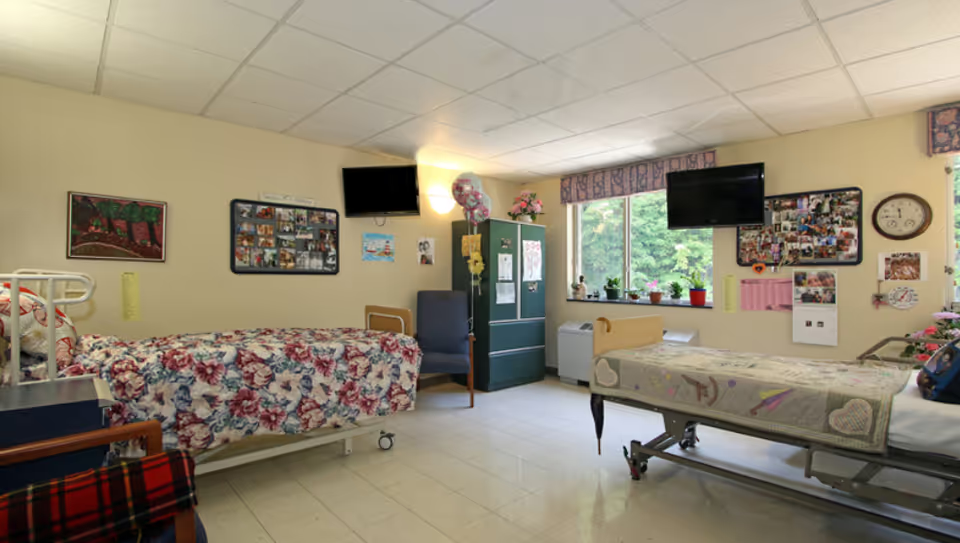
Facility-level operational issues surface in several areas. HVAC and temperature control in resident rooms are described as inconsistent. Some units are characterized as cozy and well-appointed while others are described as smaller or dated, with limited bathroom accessibility in shared-room configurations. There are also mentions of sanitation and pest-control concerns in specific areas, as well as allegations of personal-property mishandling and billing disputes that families should clarify during admission. Infection-prevention practices, including pandemic-era visitation and transfer policies, were handled differently at times and raised concerns for some families.
Overall pattern: Pine Valley demonstrates clear strengths in rehabilitation, certain clinical leaders, a generally clean campus, and an active social environment. The principal weaknesses are operational consistency — staffing levels, responsiveness, inter-staff communication, and unit-to-unit variation in cleanliness and room conditions. Prospective residents and families would benefit from an in-person tour focused on the specific unit of placement, direct conversations with nursing leadership about staffing and medication-safety protocols, review of dining menus and activity schedules, and clarification of billing, property-handling, and visitation policies. For higher-risk residents or families who prioritize uninterrupted, highly consistent staffing and communication, it is appropriate to seek concrete, unit-level assurances before admission.