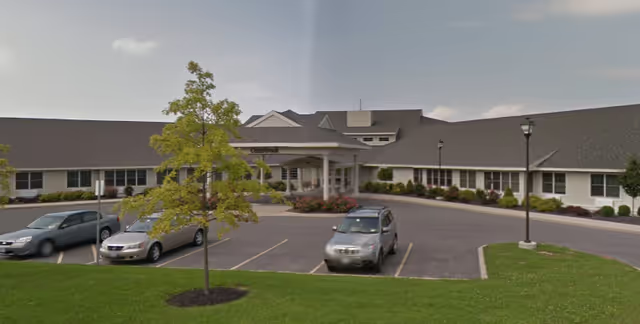
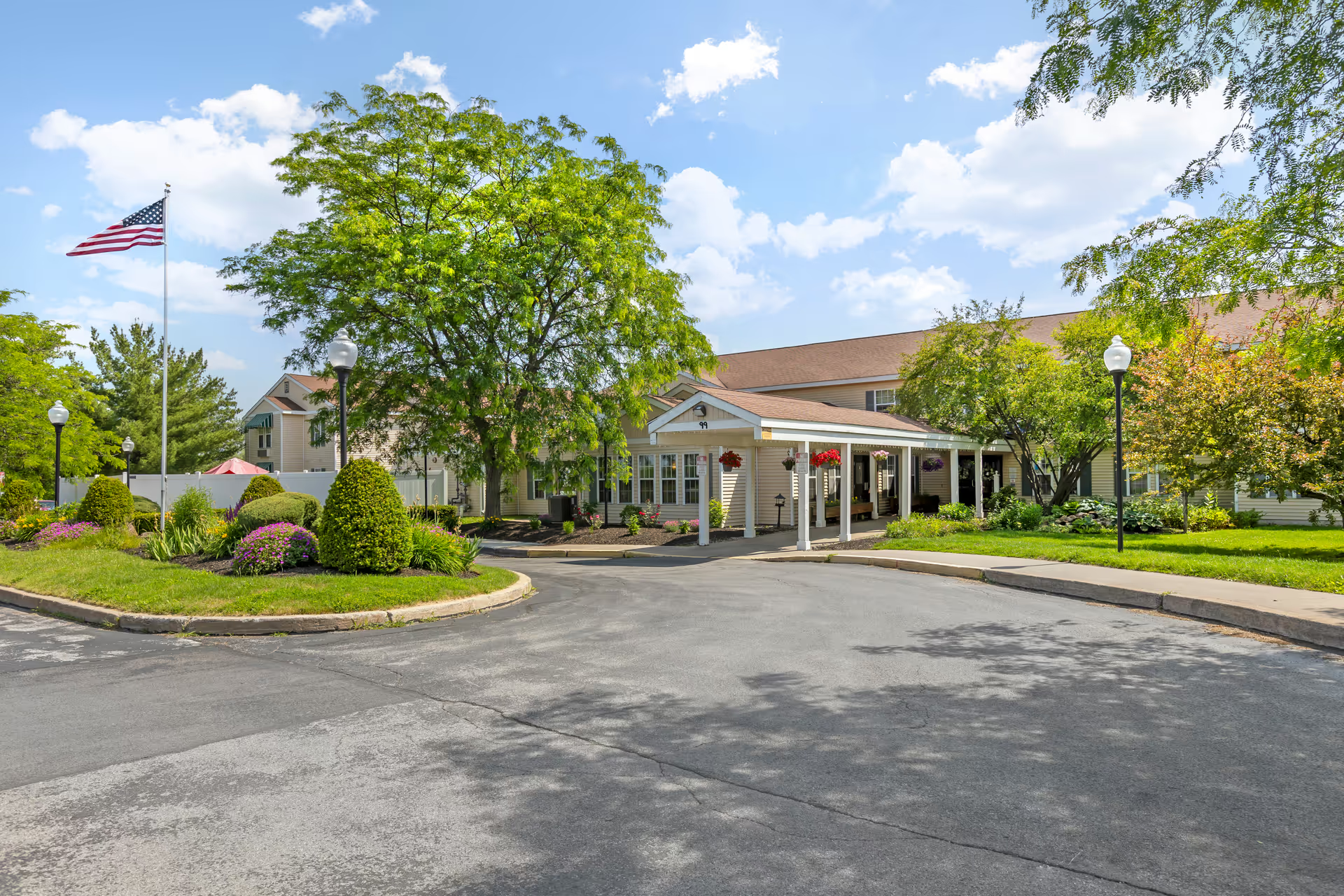
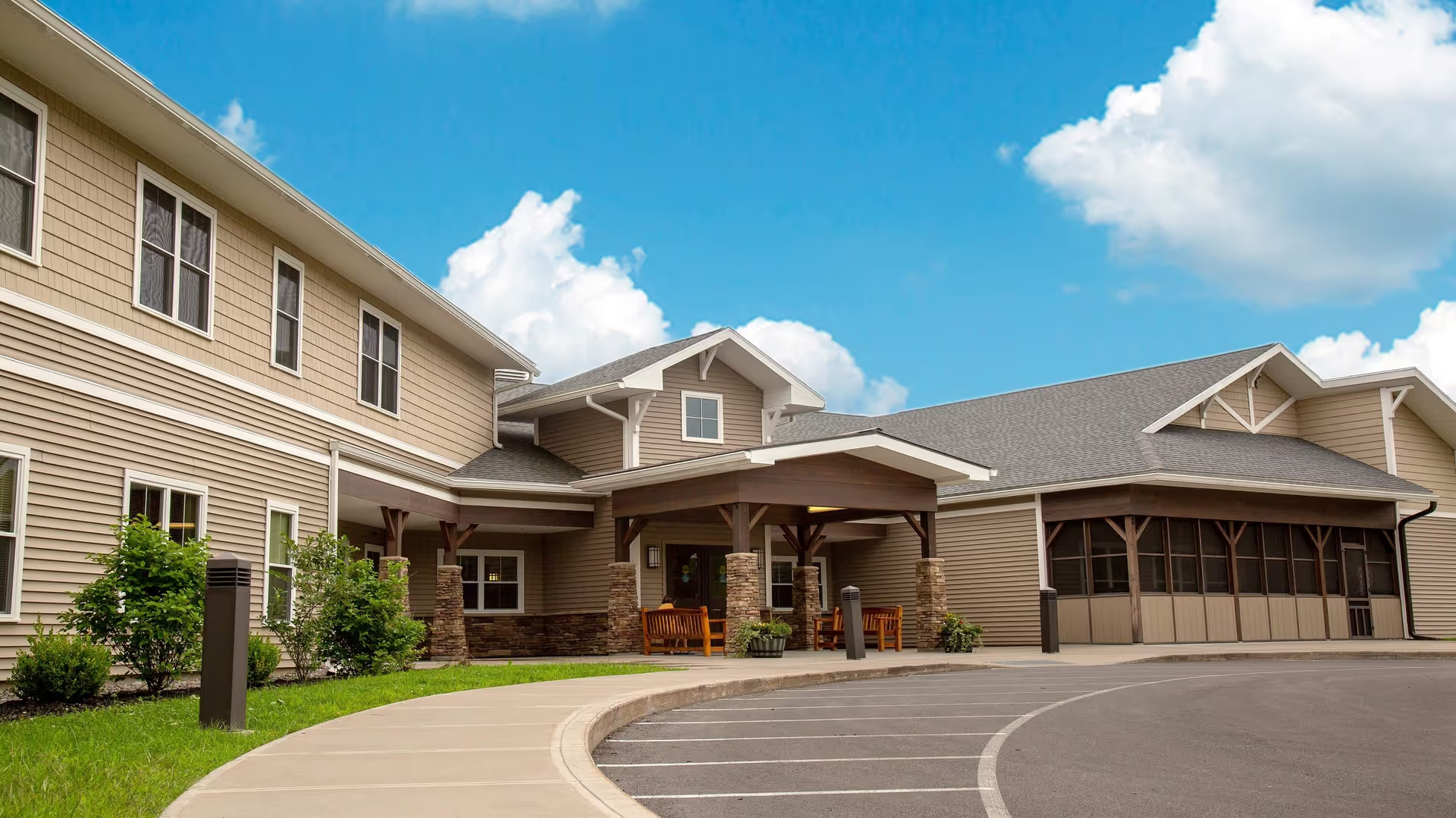
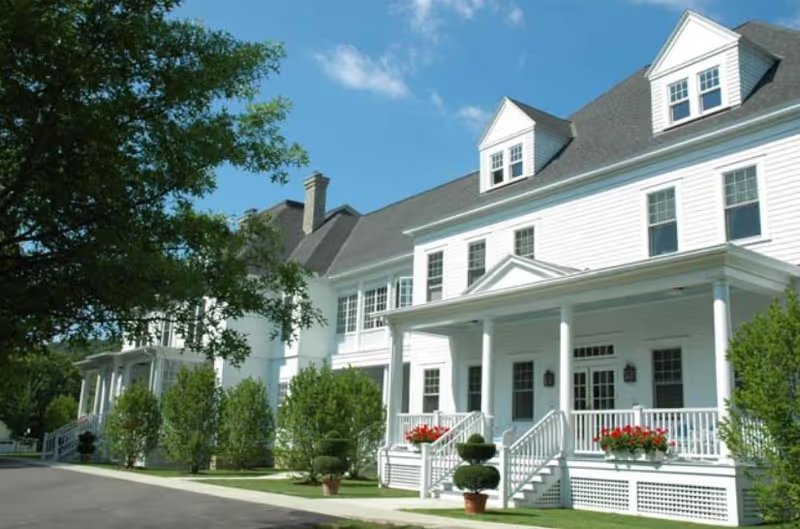
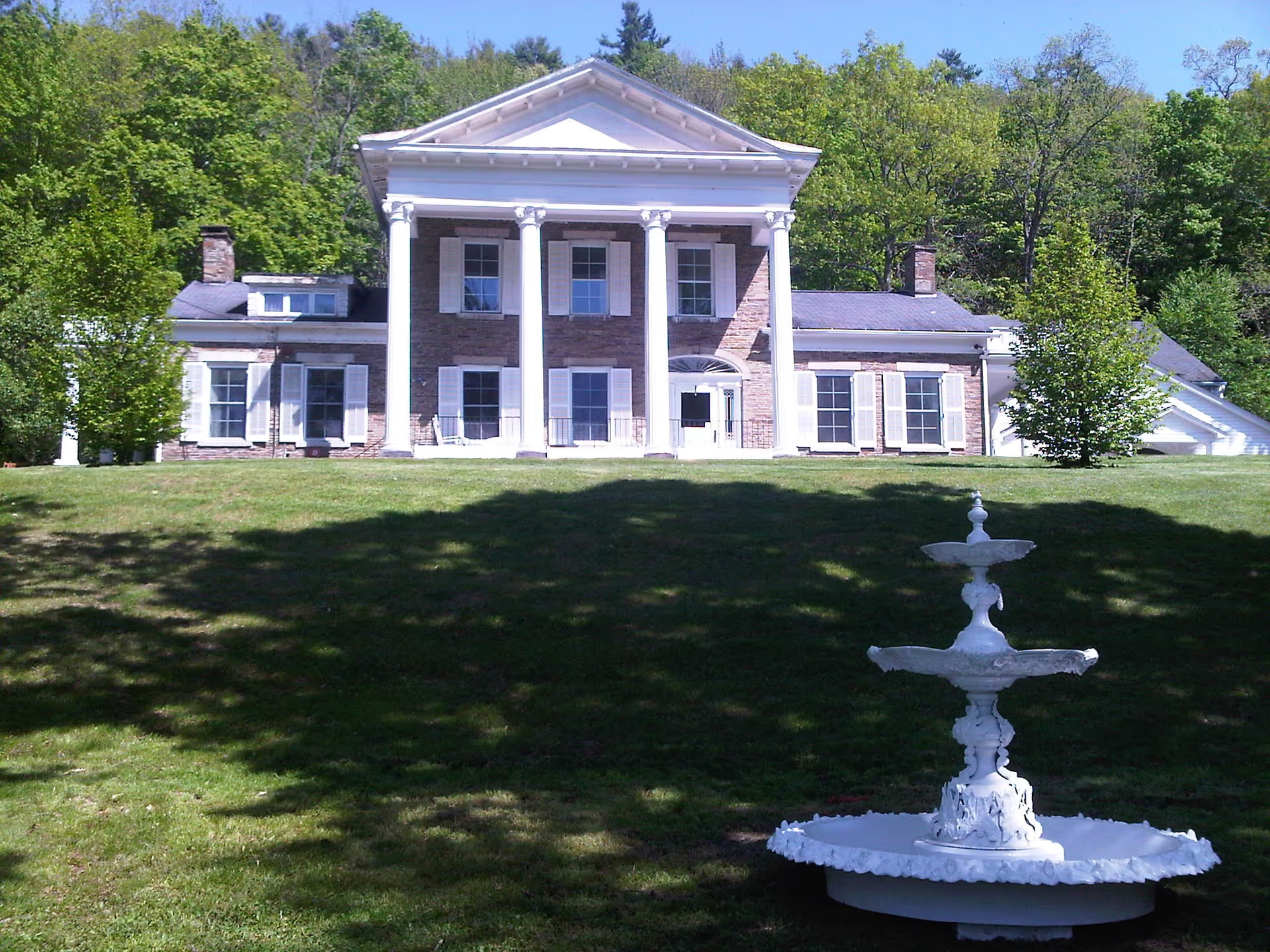
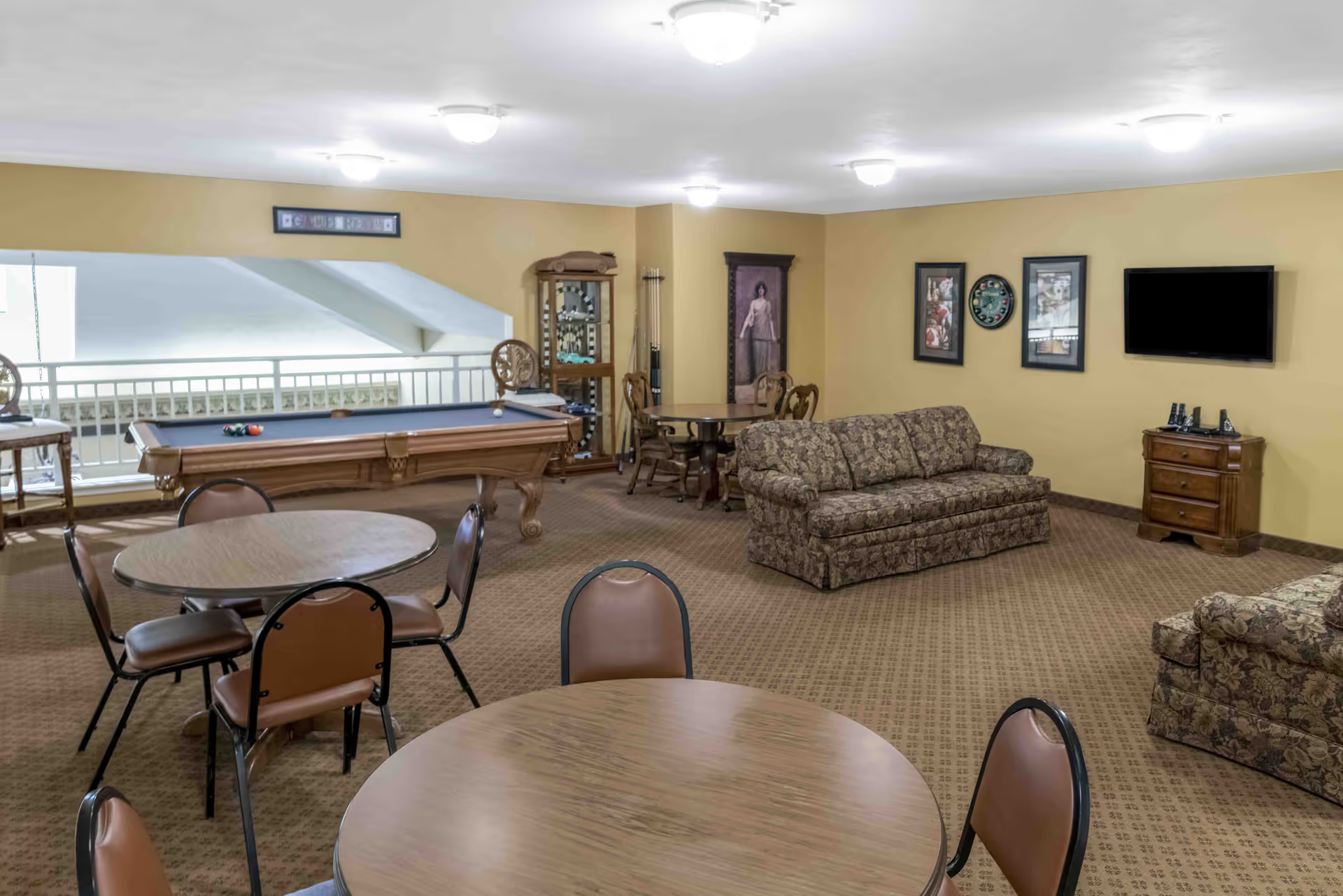
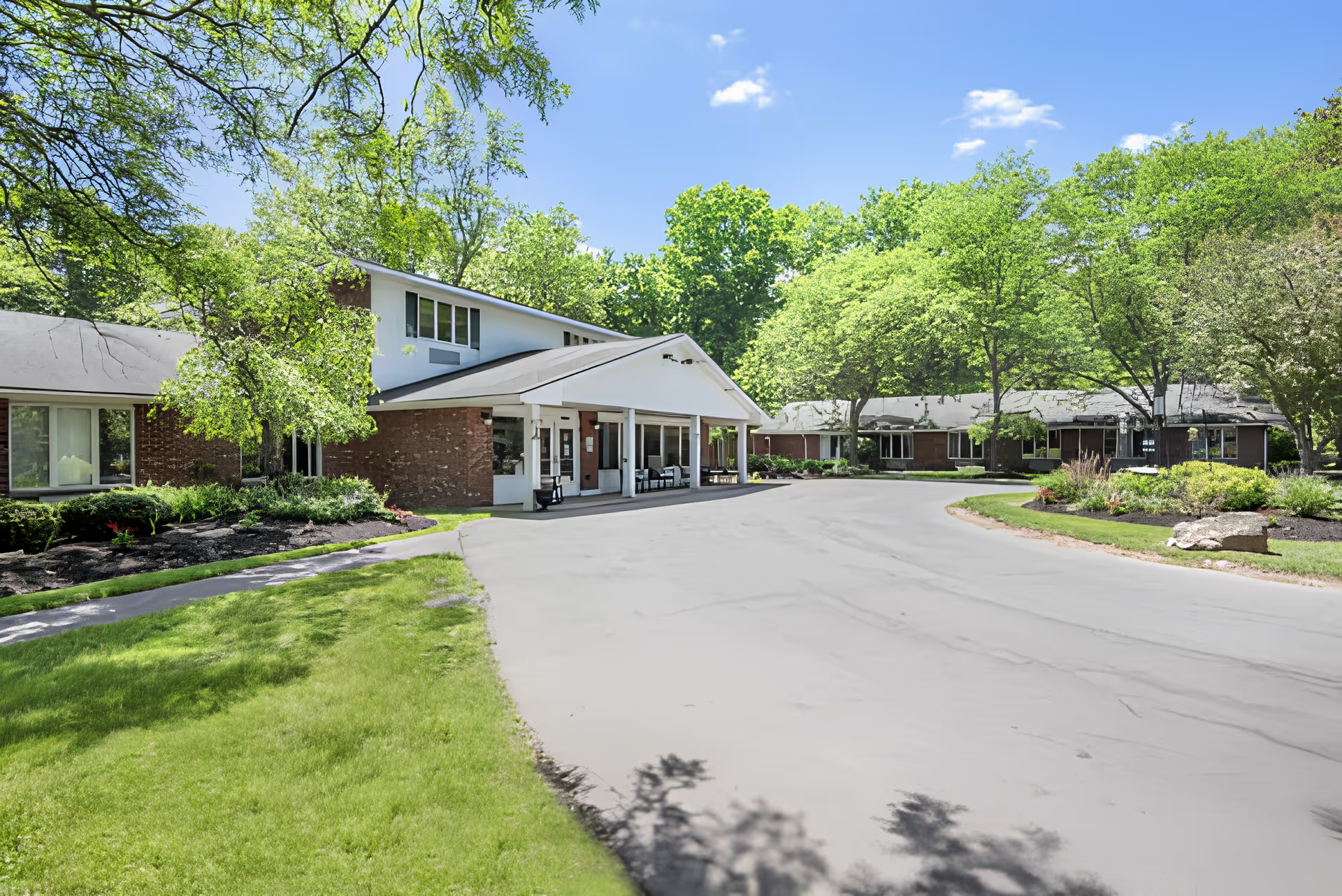
Reviewers describe a campus with clear strengths and notable operational gaps. The facility's physical plant and grounds receive consistent praise: reviewers highlight attractive, well-maintained landscaping, spacious common areas, comfortable private rooms, on-site meal preparation with variety, and included conveniences such as cable, telephone, transportation to local destinations, and ample parking. Rehabilitation services (PT/OT) and organized entertainment—puzzles, bowling, computer activities and scheduled acts—are cited as meaningful programmatic offerings that contribute to residents' quality of life.
Care quality is described in mixed terms. Many families commend day-shift staff as compassionate, attentive, and professional; several reviewers also singled out specific nurses and aides for going above and beyond. At the same time, there are repeated comments about inconsistent staffing and performance between shifts, particularly overnight. These comments include delays in responding to call systems, staff preoccupied with personal devices during resident care times, and concerns about nighttime monitoring and fall-prevention practices. A subset of families raised serious concerns following a resident injury and subsequent decline; those accounts emphasize gaps in clinical response, documentation, and family communication and merit careful inquiry during any evaluation.
Staff behavior and management communication are another area of contrast. Positive descriptors such as respectful, kind, and gentle appear alongside descriptions of negative interpersonal conduct, including curt or dismissive interactions, evidence of cultural-sensitivity issues, and occasional unprofessional use of phones. Reviewers also describe management-level follow-up in some cases (e.g., executive meetings about complaints), but several families felt communication and remediation were insufficient. Access and logistics complaints were reported as well: inconsistent entry signage, blocked or confusing directions, no clear contact phone for after-hours access, and occasional delays granting access to visitors or vendors.
Safety, security, and sanitation concerns appear across multiple themes. Property-security weaknesses (missing personal items and stolen electronics wiring) and odor concerns in certain common areas were raised. A number of reviewers described inconsistent adherence to infection-control procedures and uneven housekeeping in some locations, even though other reviewers praised station-level cleanliness. These mixed signals suggest variation by unit or shift rather than a uniformly poor or excellent performance.
Dining and activities are generally viewed positively for residents who participate: on-site meals prepared daily, feeding assistance when needed, social meal environments, and transportation support for off-campus errands are strengths. That said, some residents find the activity schedule limited on their specific unit and note dining-room policies (such as resident-only seating) and pricing as drawbacks.
Overall, the facility shows clear assets—therapies, campus environment, many caring staff, and a strong resident community—but also operational inconsistencies that affect family confidence: variable shift performance, overnight monitoring gaps, property-security issues, uneven infection-control adherence, and access/management coordination problems. Prospective residents and families should tour with these points in mind, ask specific questions about night staffing levels, fall-prevention protocols, property-security measures, infection-control practices, and how management documents and resolves family concerns.