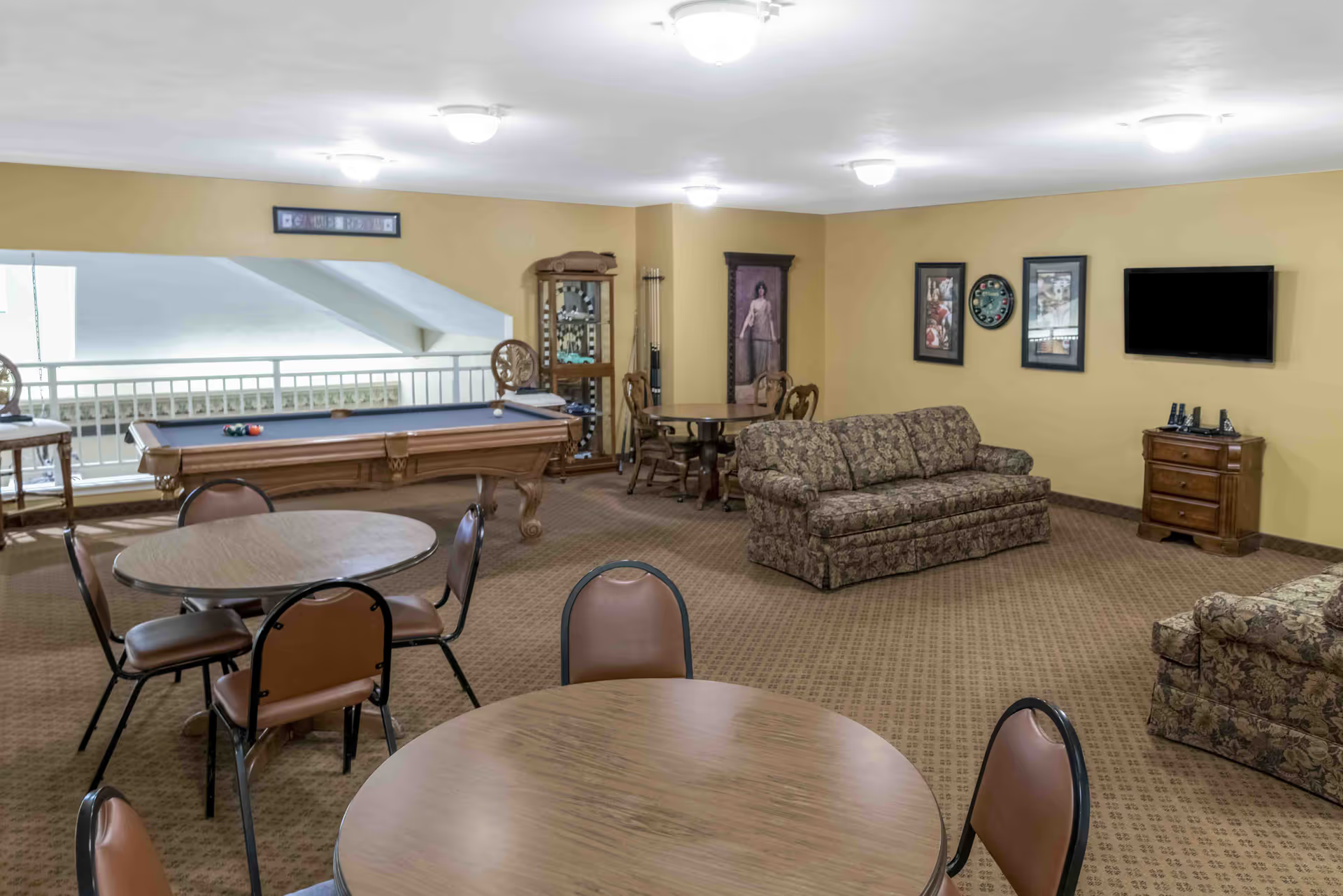
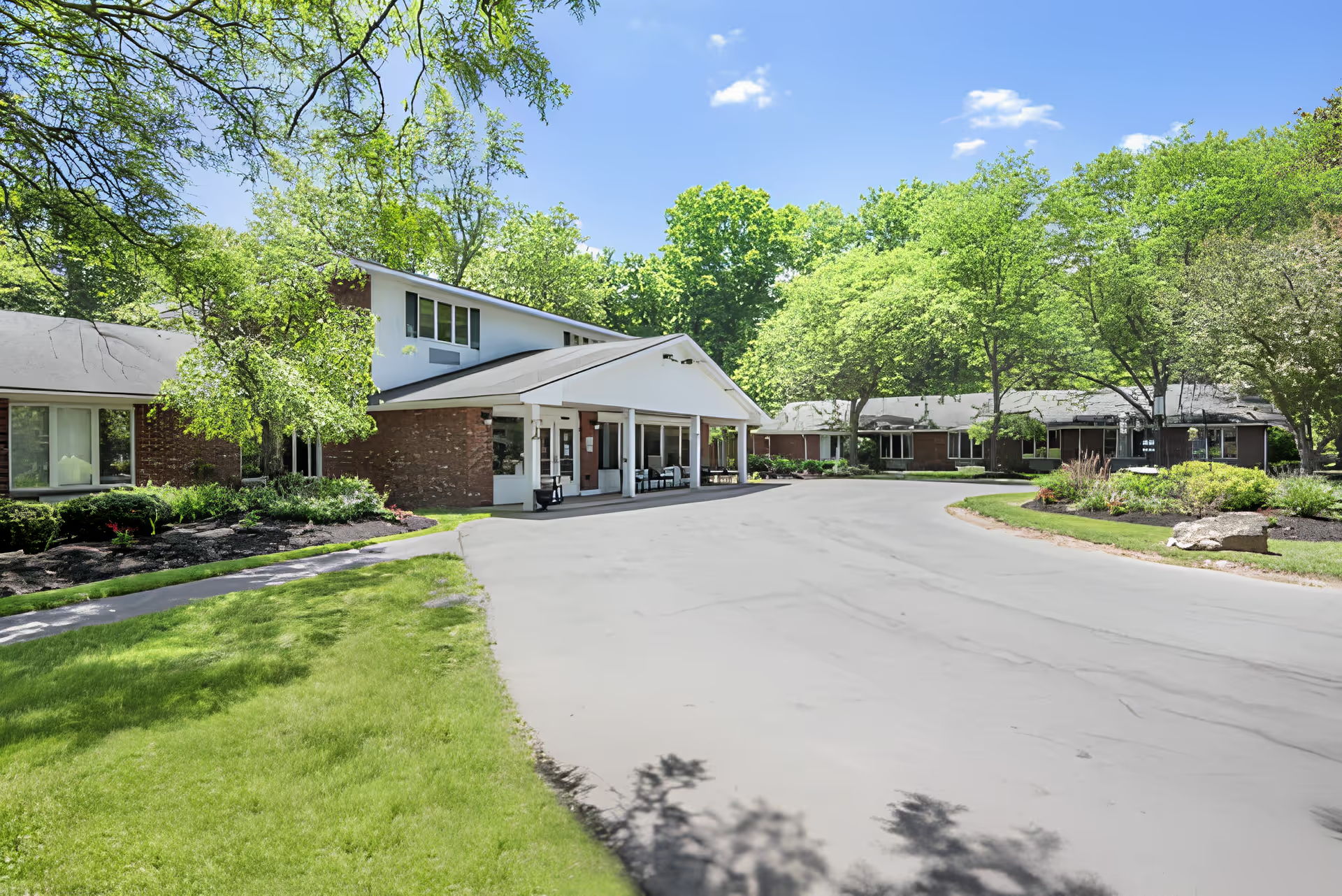
The reviews indicate a facility with significant operational challenges across multiple domains. Reviewers describe persistent cleanliness and maintenance shortcomings in common areas, bathrooms, floors, and laundry facilities. These sanitation concerns are accompanied by descriptions of overcrowded or unconventional room arrangements (for example, shared rooms divided by shelving) and limited privacy in some accommodations. While the facility offers both private and shared rooms and on-site amenities such as a kitchen, dining area, laundry room, and communal bathing, the condition and availability of those services are inconsistent according to the accounts.
Care quality and clinical practices are frequently cited as problematic. Several reviewers raised concerns about inconsistent personal-care assistance, delays in attending to resident needs, and failures in basic care processes. Medication-management issues were specifically highlighted, indicating risk of medication errors and gaps in pharmaceutical documentation or administration controls. Families should consider verifying clinical staffing ratios, training standards, and medication-safety protocols when evaluating this location.
Staffing and workplace culture emerge as recurring themes. Reviews reference inexperienced or poorly trained personnel, unprofessional conduct, staff conflicts on shift, and behaviors that undermine resident comfort. There are also statements about discriminatory hiring practices and exploitation of staff, which together suggest morale and compliance risks. Operational practices such as unpaid hours, smoking on shift, and arguments among staff imply inconsistent supervision and inadequate human-resources controls.
Dining and food-service operations are described as unreliable. Accounts note restricted access to meals, empty food-storage areas, and alleged theft or mismanagement within the kitchen. These indicate weaknesses in inventory controls, meal-access policies, and staff oversight. Prospective residents and families should inquire specifically about meal schedules, dietary accommodations, and food-safety procedures.
Management, administration, and external oversight are additional areas of concern. Reviewers describe voicemail and communication failures, closed doors or access barriers during tours or inquiries, and lengthy waits for appointments. More serious claims around financial and documentation misconduct were also raised; these are characterized here as allegations that warrant review of the facility’s licensing history and any regulatory actions. Several reviewers indicated limited effective response from external authorities when problems were raised.
Activities and social programming receive minimal positive mention in the available accounts. There is little consistent information about engagement opportunities, which may reflect either an absence of structured programming or that such programming was not prominent to families who provided feedback.
Given the breadth of operational issues described—covering cleanliness, care responsiveness, medication safety, food services, staff conduct, and administrative controls—families and prospective residents should pursue direct, up-to-date verification before making placement decisions. Recommended steps include an on-site tour during active service hours, inspection of common and private spaces, review of staffing schedules and training credentials, verification of medication- and food-safety procedures, and consultation of state inspection reports or licensing records to confirm corrective actions and current compliance status.