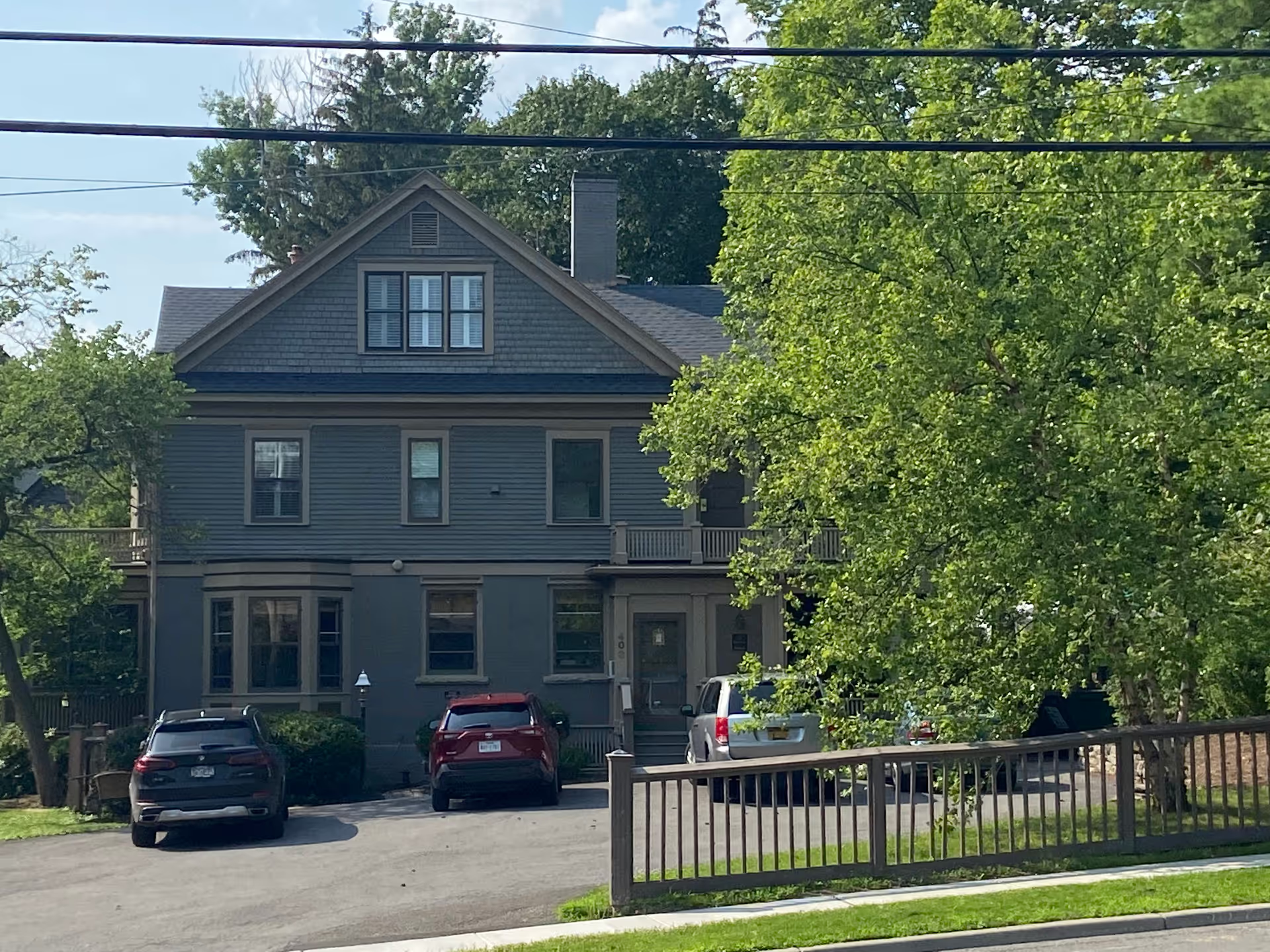
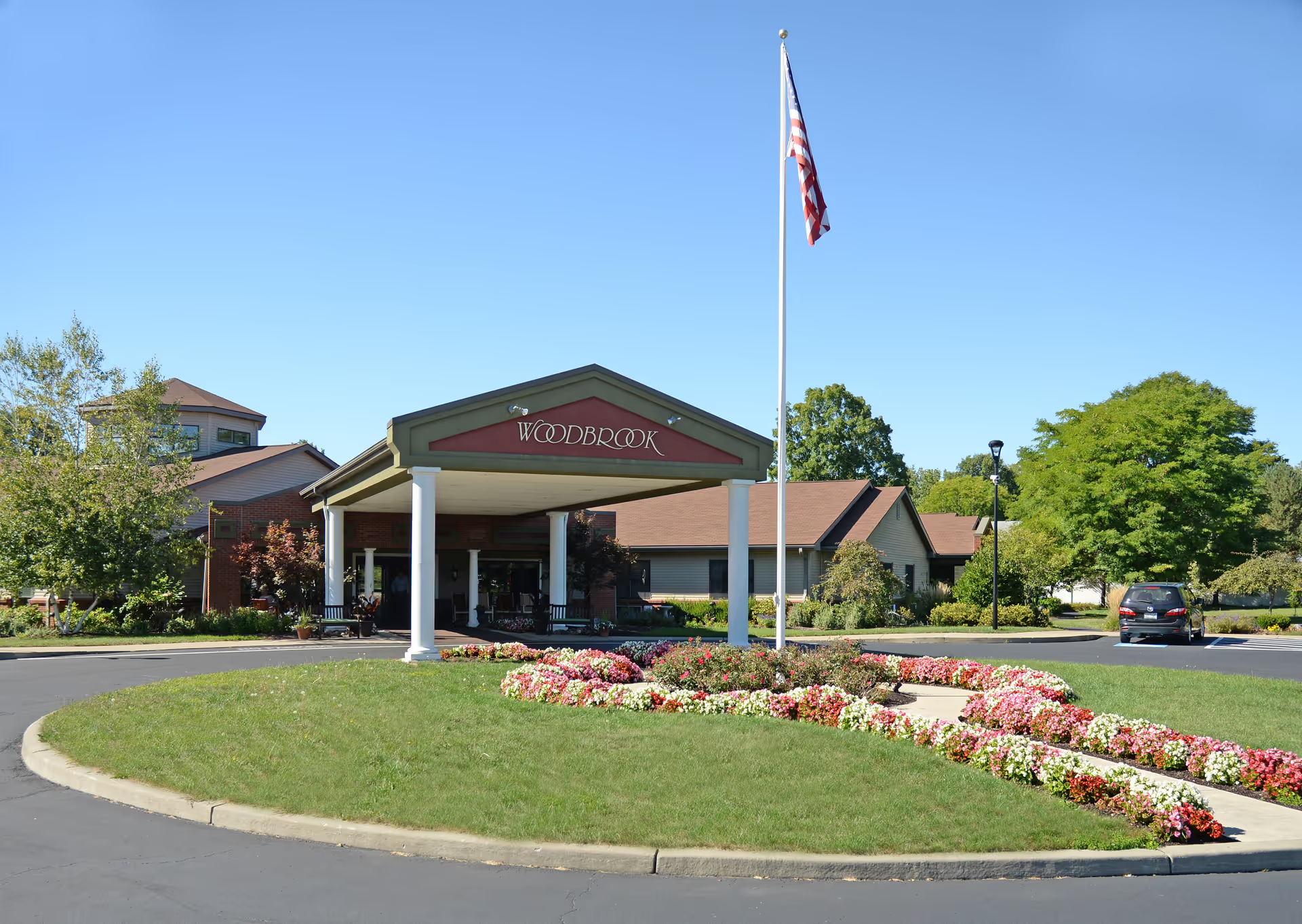
Reviewer feedback for Willow Point Nursing Home is mixed, with clear strengths alongside recurring operational concerns. Many families and residents praise the caregiving staff as compassionate, personable, and attentive; several comments highlight staff who know residents by name, provide personalized care, and maintain frequent family communication. The facility offers on-site physical and occupational therapy and has been described as providing robust short-term rehab by multiple families. Private rooms, an orderly interior, and pleasant grounds receive positive notes, as do efforts to introduce restaurant-style dining and ongoing dietitian involvement for special meal needs.
The activities program is another consistent positive: reviewers mention organized offerings such as bingo, sing-alongs, trivia, daily puzzle sheets, and an active activities coordinator. Opportunities for family participation and community volunteer involvement are available and valued by many families. Kitchen and dining staff receive favorable remarks in several accounts, and some reviewers describe the overall environment as homelike and peaceful, particularly in portions of the facility where long-term staff continuity is present.
At the same time, there are recurring operational weaknesses that prospective residents and families should consider. Staffing consistency and supervisory oversight are frequently raised as concerns; reviewers describe periods of understaffing and variable staff professionalism or tone. These staffing issues are associated with delays in toileting and personal-care responsiveness, gaps in medication administration follow-up, and inconsistent clinical communication around hospital transfers or changes in condition. Laundry and personal-belongings management problems were also reported, indicating potential process gaps in resident property handling.
Cleanliness and infection-control perceptions vary by unit. While some areas and short-term rehab spaces are described as clean and well-kept, other clinical corridors and resident bathrooms were characterized as having odor-control or sanitation concerns. Availability of therapy services appears inconsistent beyond PT/OT: a few families reported limited or absent speech/swallowing reassessments when clinically indicated. Meal quality is similarly mixed—some reviewers praise excellent food and dietitian oversight, while others describe inconsistent dining experiences.
Management and communication emerge as cross-cutting themes. Positive experiences correlate with clear family communication, attentive social-work support, and stable supervisory presence. Negative experiences often involve perceived lapses in communication, uncooperative interactions with social-work staff, or unclear responses from leadership following clinical incidents. Infection-control policies and visitation restrictions have also been a point of friction for some families.
Recommendation for prospective residents and families: conduct an in-person tour that includes the specific unit of interest (short‑term rehab versus long‑term care), observe staffing levels at different times of day, ask about current therapy offerings (including speech/swallowing services), review toileting and incontinence-care protocols, inquire about laundry/property procedures, and request examples of family communication workflows and infection-control/visitation policies. Asking for recent quality measures, staffing ratios, and how management addresses complaints can help clarify whether the facility’s strengths align with a given resident’s needs.