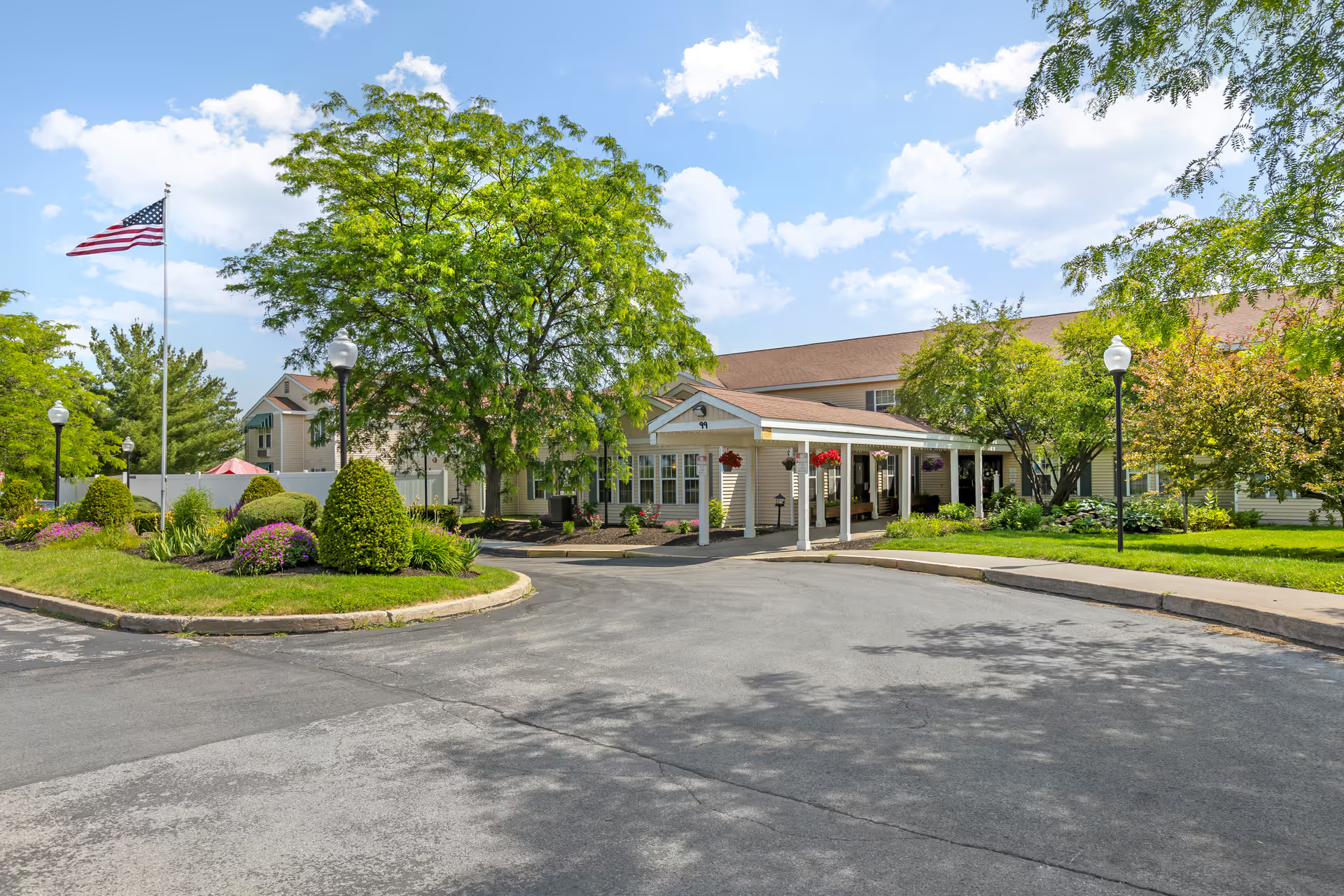
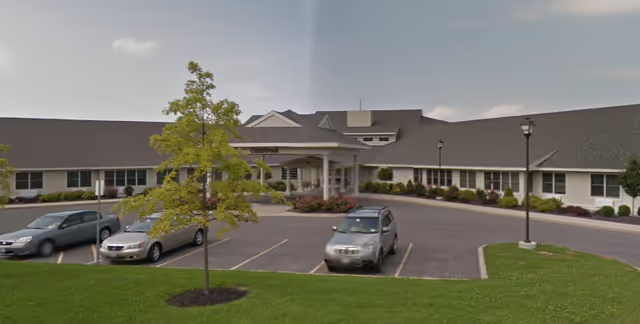
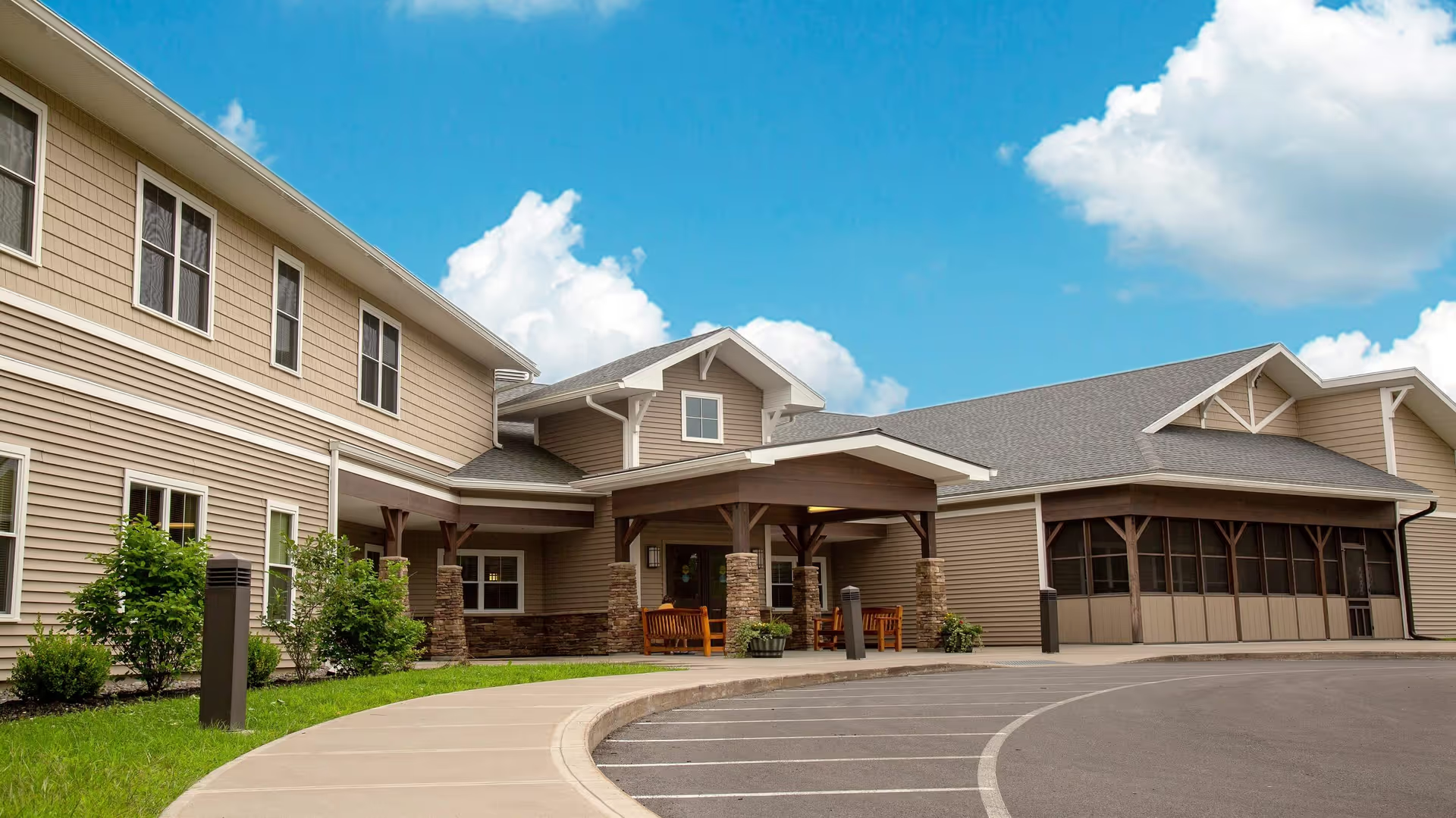
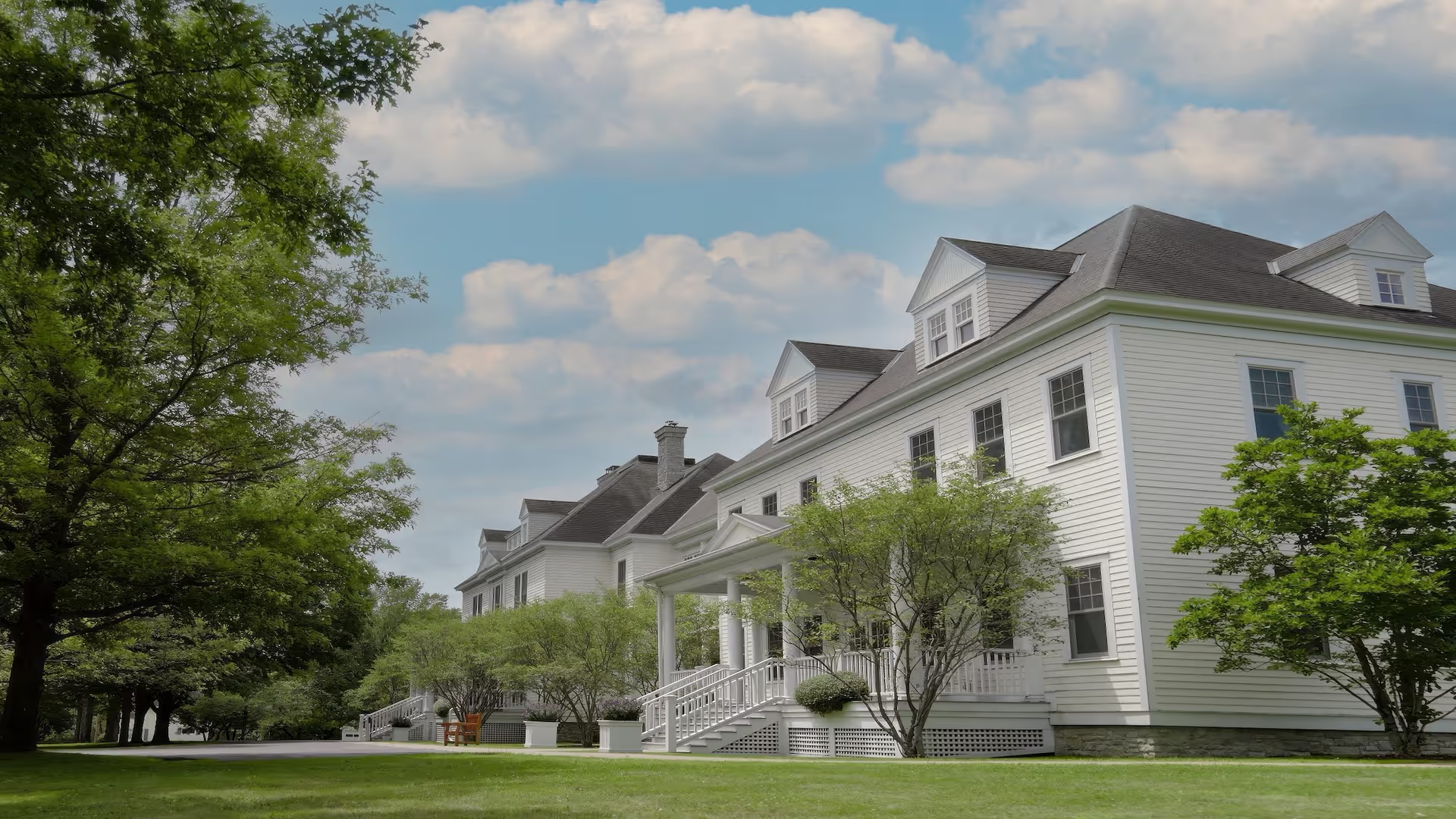
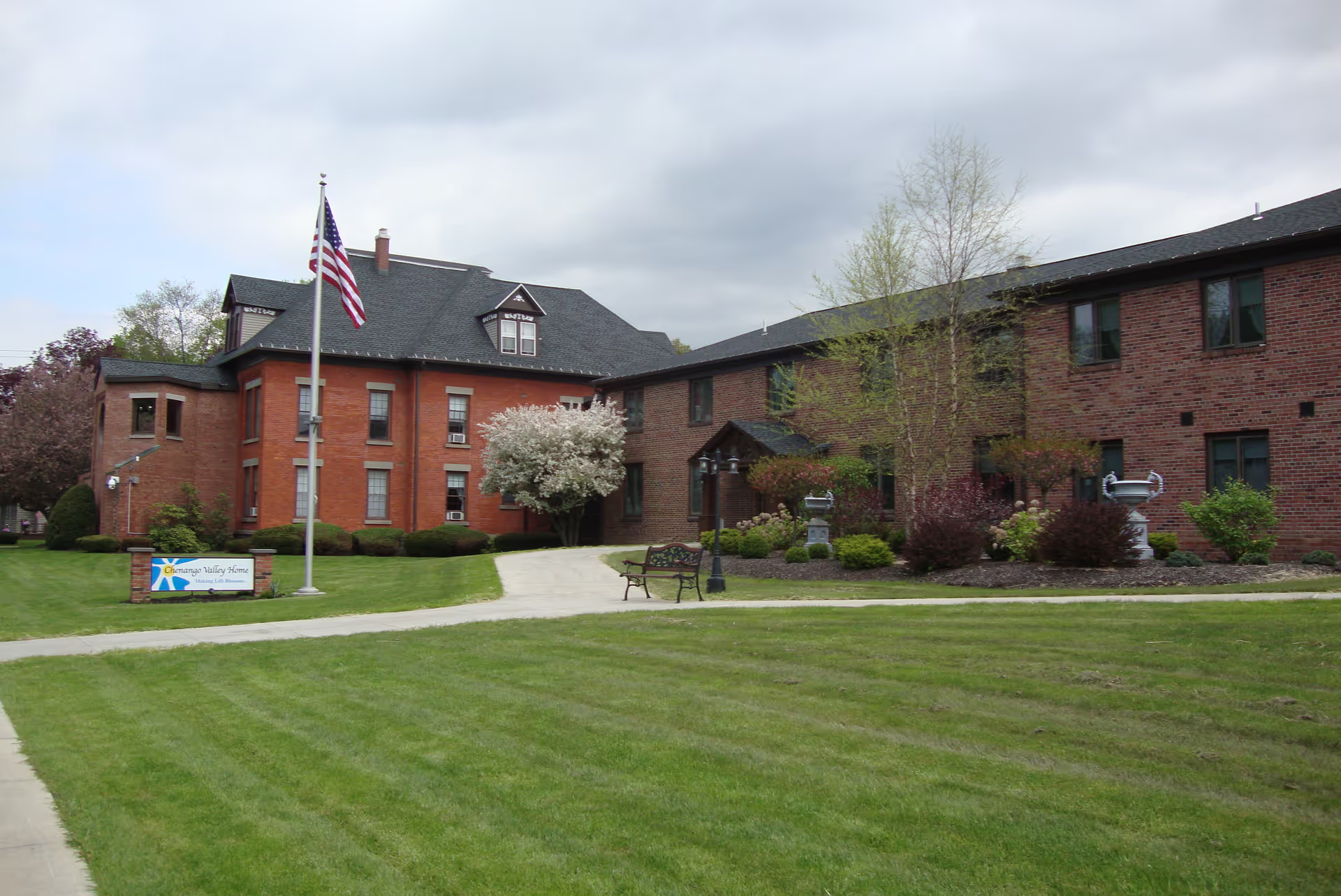
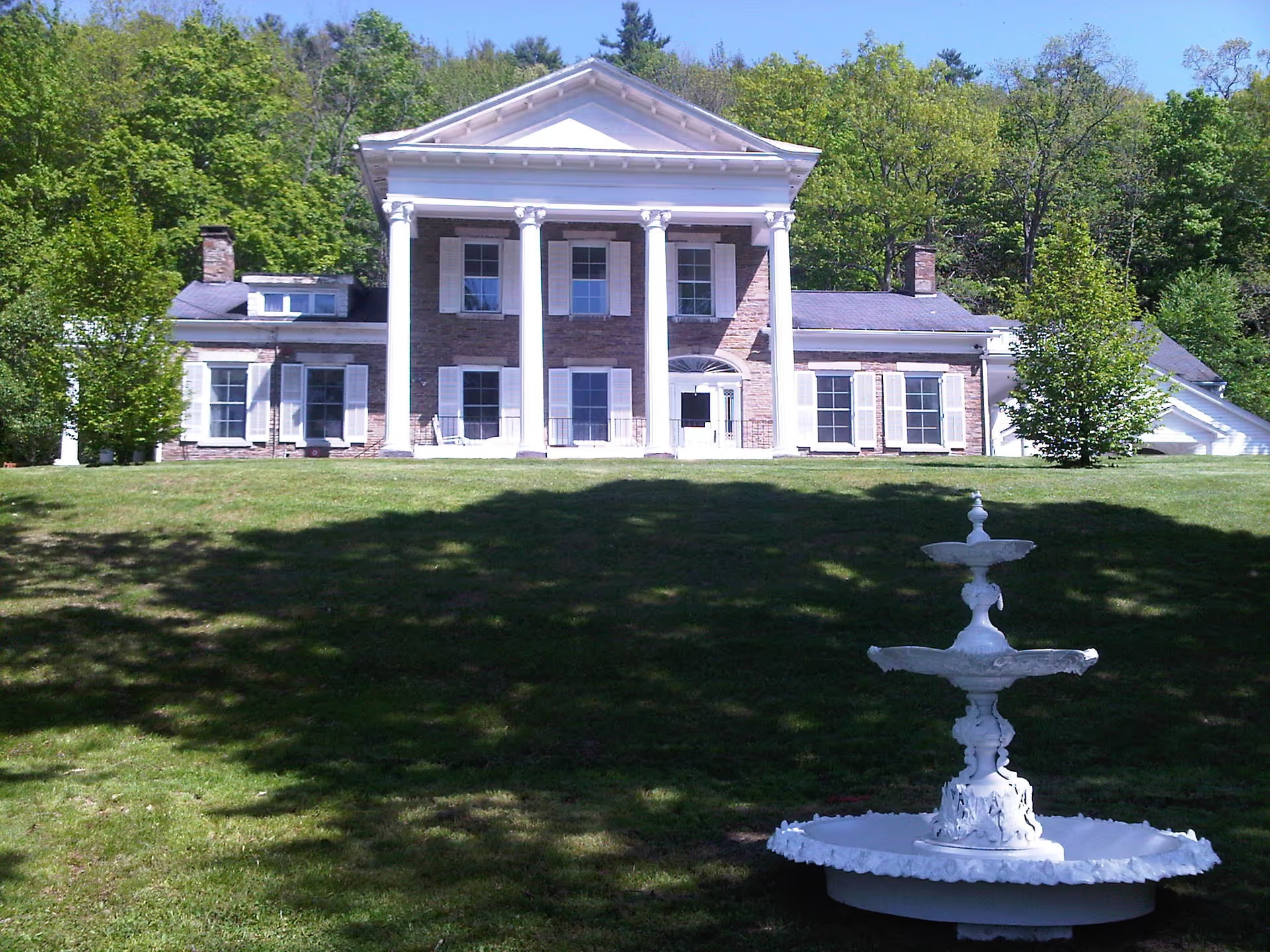
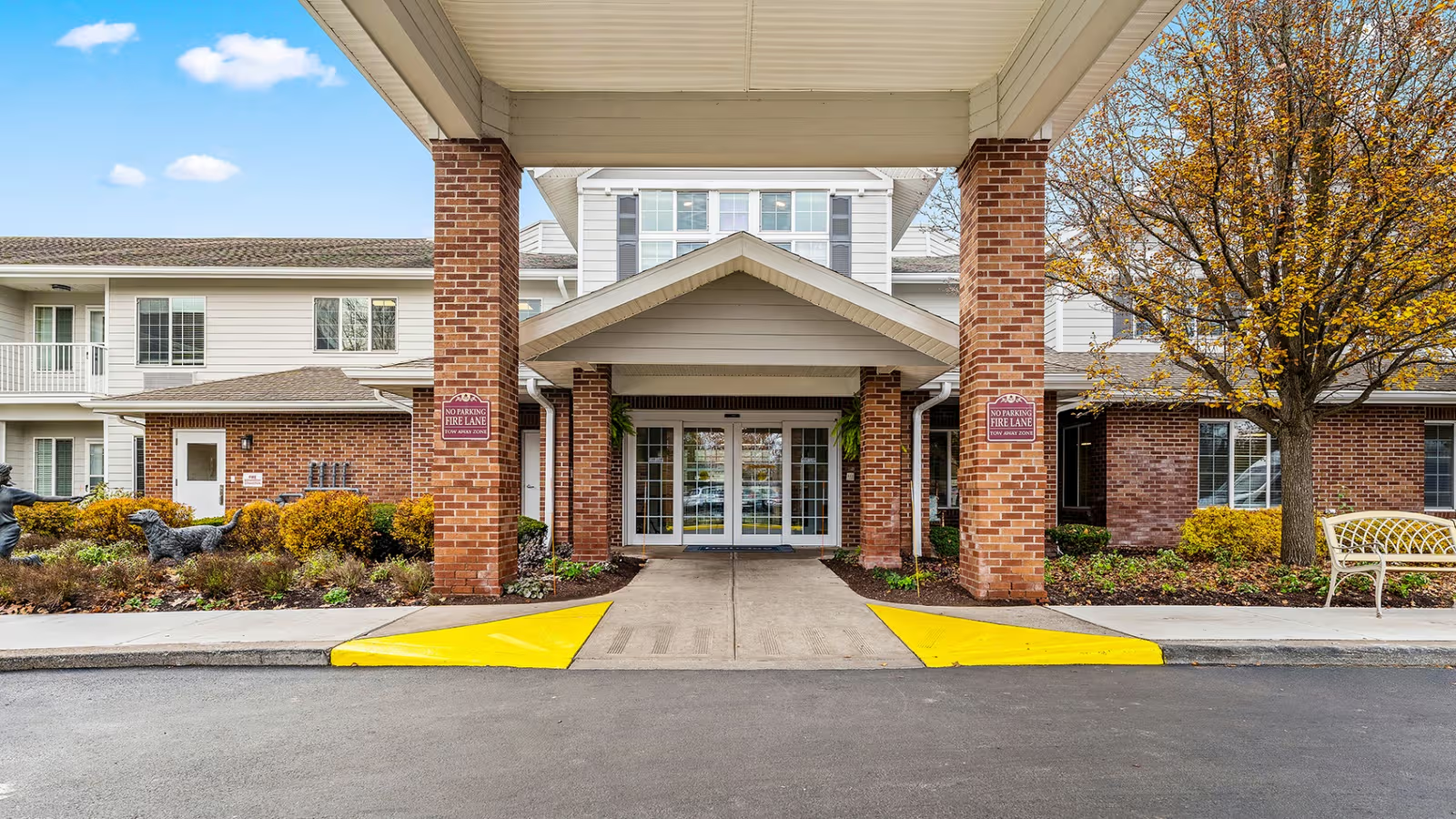
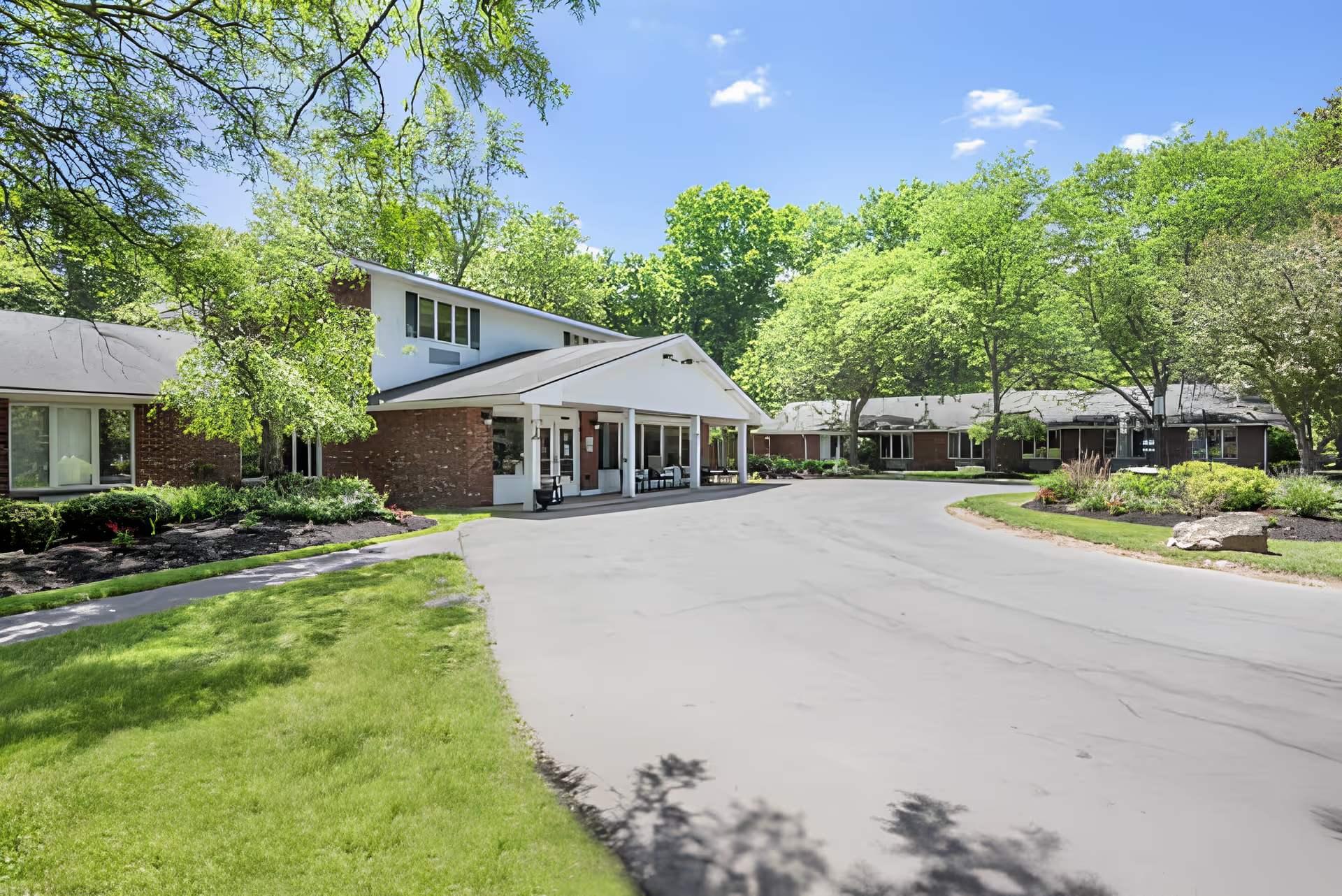
The reviews for Waterville Residential Care Center present a mixed picture: the facility is frequently described as delivering strong short-term rehabilitation services and having many staff members who are compassionate and dedicated, yet families also raise persistent operational concerns. Therapy—particularly physical and occupational therapy—is a consistent strength, with multiple accounts of successful rehabilitation, hands-on staff, and effective outcomes for short-stay residents. Likewise, kitchen services and activity programming (including animal/visit-based activities) are cited as positive contributors to a home-like environment in a scenic, tucked-away setting.
Clinical-care quality appears uneven. While some reviewers describe attentive clinical staff and good follow-through, others describe lapses in routine monitoring and medication management, missed therapy sessions or delayed therapy starts, inconsistent wound and skin-care attention, and issues with mobility management. Several accounts describe delayed or missed responses to call bells and assistance requests, which reviewers associate with prolonged immobility or delayed basic care. These themes suggest variability in frontline clinical oversight and shift-to-shift consistency.
Staff behavior and staffing levels are described variably. Many families praise individual CNAs, therapists, and administrators for compassion, problem-solving, and personalized attention. At the same time, reports of slow response times, communication tone issues, and uneven conduct—particularly overnight—indicate staffing and supervision gaps. Reviewers also note that night coverage and response times can differ substantially from daytime service, and that staff shortages are acknowledged internally by the facility at times.
Dining and activities are generally seen as strengths. Several reviews highlight good meals, helpful kitchen staff, and an active engagement program that contributes to resident morale. The facility’s scale and rural setting are frequently described as contributing to a family-like atmosphere and social cohesion among residents.
Facility condition and accessibility show variability. Positive remarks about a clean, well-kept building appear alongside sanitation concerns, odor concerns in some areas, and maintenance issues in resident rooms and common spaces. Accessibility is a recurring operational issue: reviewers cite a lack of accessible bathrooms in some rooms and difficulties obtaining accommodations. There are specific complaints that ADA-related policies and interpreter-access processes are outdated or inadequately implemented, including barriers to securing sign-language interpretation.
Management and communication practices show contrasts. Social work/case management and some administrators are praised for effective discharge coordination and follow-up, while family communication about changes in condition, transport, and discharge is described as inconsistent. There are also serious claims, including allegations of criminal conduct involving staff and concerns following adverse events and hospitalizations; these are significant and warrant direct verification through the facility and regulatory channels.
Overall, Waterville Residential Care Center demonstrates notable strengths in rehabilitation therapy, engaging activities, and several committed staff members, contributing to positive short-term outcomes for many residents. However, recurring themes—variable clinical monitoring, inconsistent responsiveness to call bells, sanitation and maintenance variability, accessibility and ADA-process shortcomings, and communication gaps with families—represent operational risks that prospective residents and families should evaluate carefully. Recommended due diligence includes asking about current staffing levels and overnight coverage, call-response metrics, wound-care and medication-administration protocols, ADA/accommodation policies (including interpreter access), recent inspection or survey results, and speaking with current families about long-term care continuity versus short-term rehab experiences.