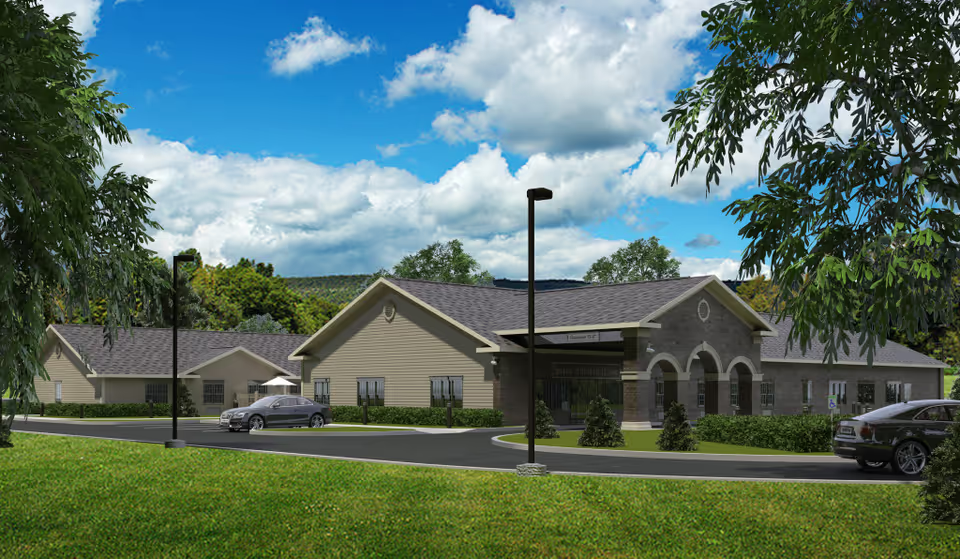
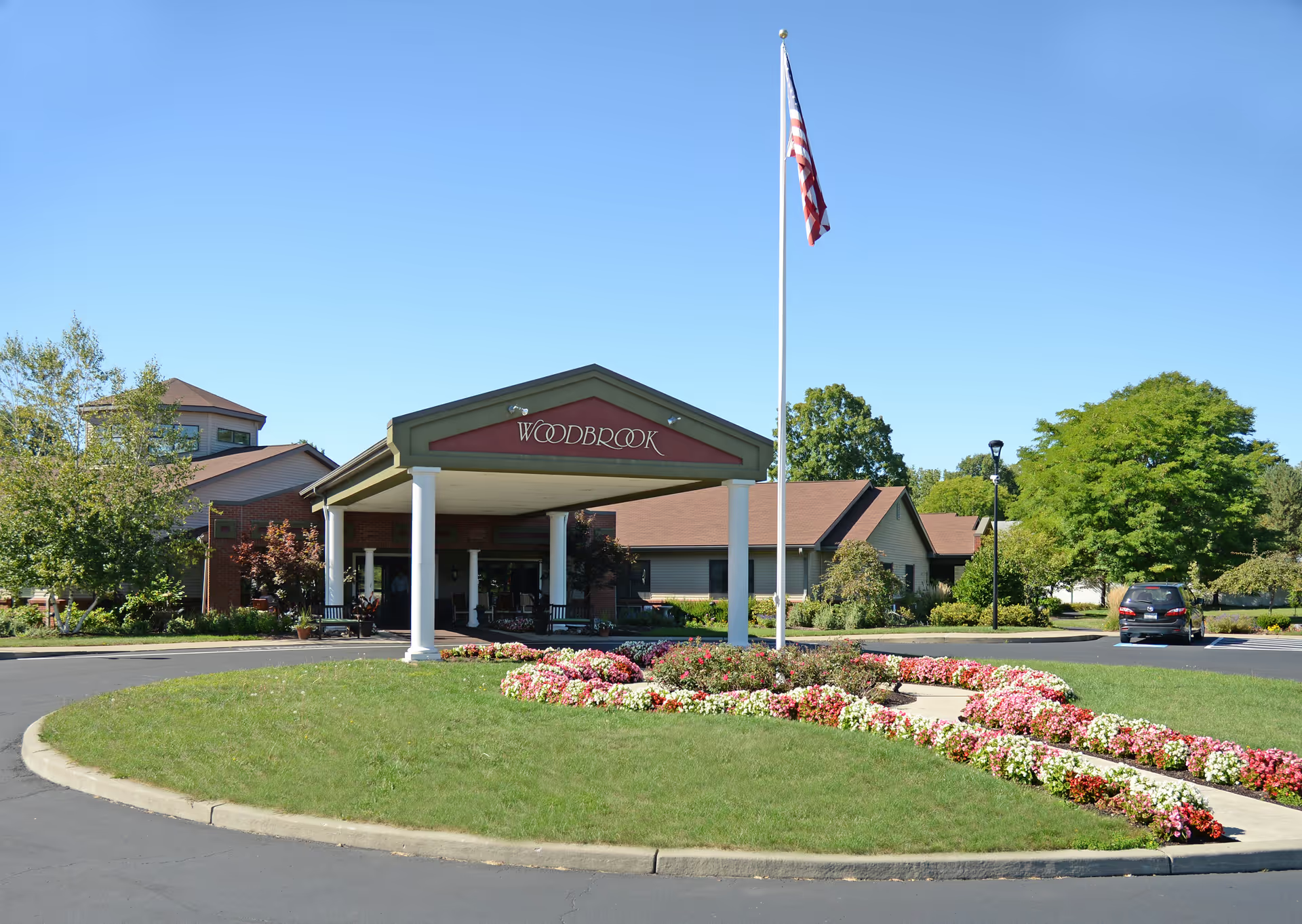
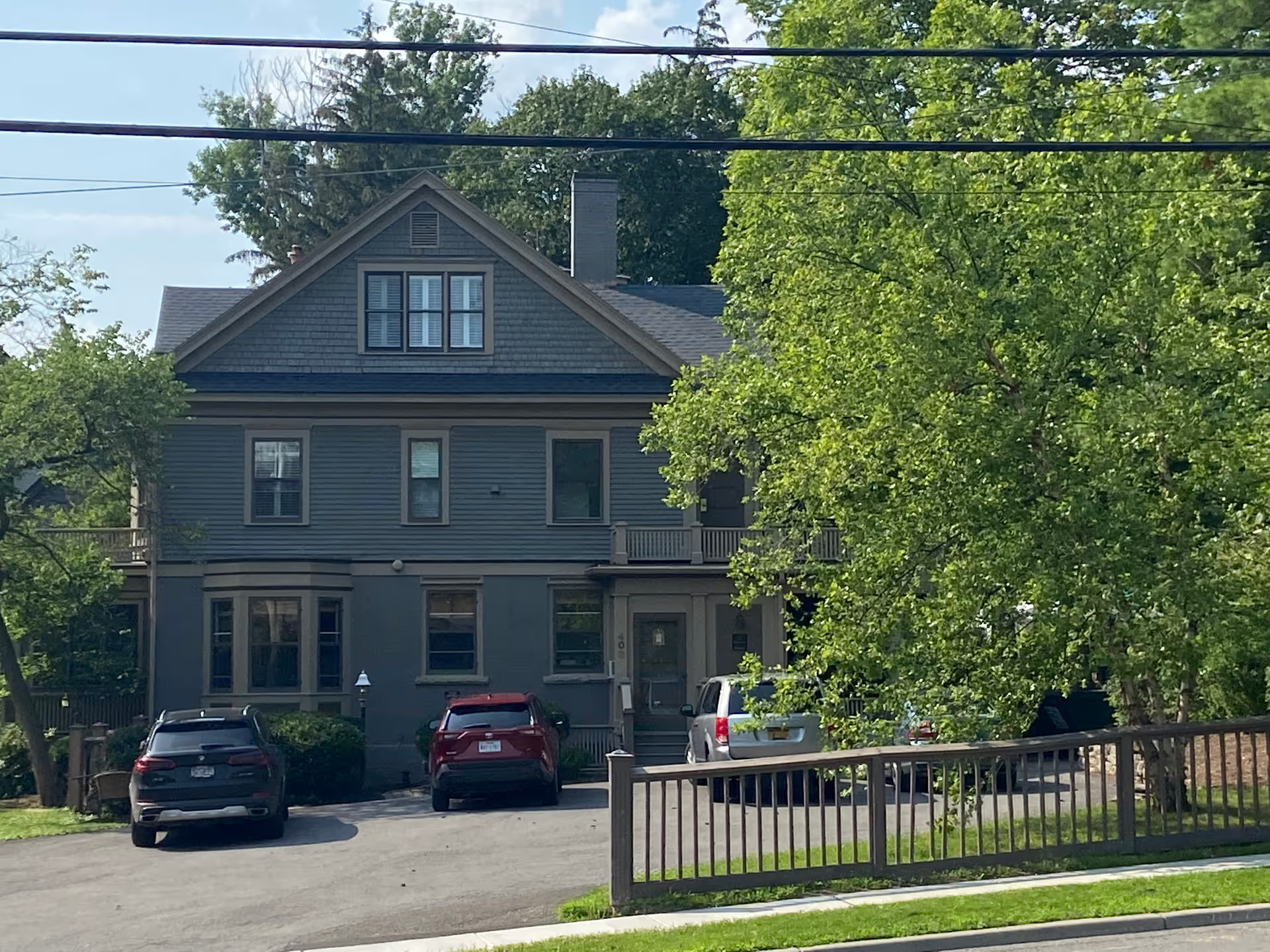
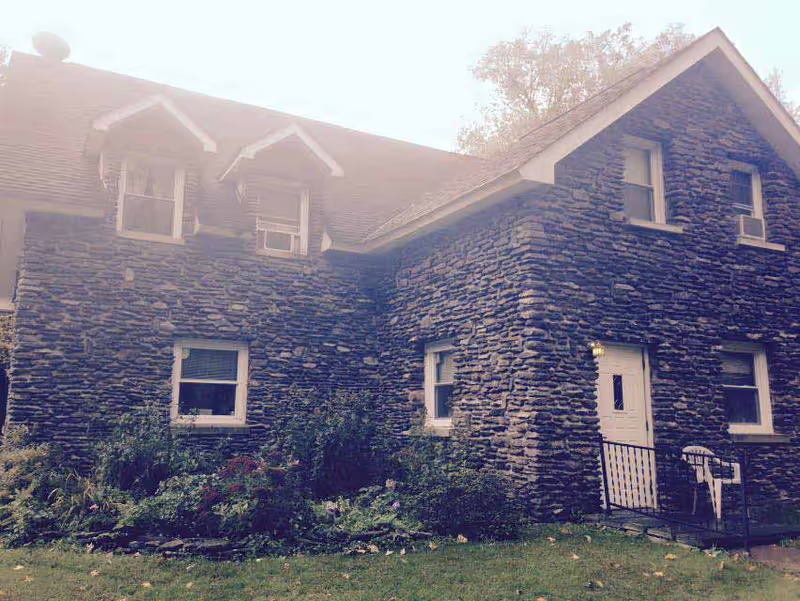
Overall impression: Elderwood Assisted Living at Waverly is described by many accounts as a small, home-like facility with an active social environment and numerous positive day-to-day features. Reviewers frequently praise the welcoming atmosphere, friendly and compassionate direct-care staff, and the presence of therapy services and family involvement. The building offers spacious rooms in many units, some with kitchenettes, an emergency call system with multiple call-button locations, and organized amenities such as regular hairdressing visits, outings, and a varied activity calendar (bingo, crafts, balloon volleyball, shopping trips).
Care and staff: The caregiving team is generally viewed as caring and engaged; several remarks emphasize compassionate CNAs, helpful aides, and staff who know residents’ preferences. At the same time, reviewers raise operational concerns about staffing consistency. Staffing shortages or variability are said to affect responsiveness at times, and families describe occasions of poor communication about clinical or infection-control events. Together these patterns suggest that while individual staff performance is often strong, institutional staffing and communication processes are uneven.
Dining and activities: Dining is frequently noted as a positive feature — three meals a day are provided, with food sometimes sourced from the hospital and overall adequate meal service. The activity program is consistently singled out as robust and engaging, with a mix of onsite options (games, crafts, exercise) and offsite outings. Activity staff are described as energetic and make the facility feel lively, which supports socialization for mobile residents.
Facilities and safety: The facility is described as generally clean and well-maintained in many areas, with an intimate scale that some families prefer. However, reviewers identify several facility-level maintenance and safety issues: broken air conditioning, potholes in the driveway, and concerns about sanitation and pest control in certain units or common areas. The two-story layout with limited ground-floor availability has raised accessibility and evacuation-planning questions, particularly for less-mobile residents. The presence of multiple emergency-call buttons is a positive counterpoint, but evacuation access and transfer safety merit clarification for families evaluating higher-dependency needs.
Management and regulatory patterns: Management practices draw mixed feedback. Positive notes include flexibility on room personalization, regular check-ins, and competitive pricing for some units. Conversely, there are recurring concerns about communication transparency with families (for example, quarantine or infection-control measures described as implemented with limited explanation) and broader operational controls such as medication administration and consistent staffing. There are also serious reviewer statements referencing regulatory or financial issues; these have been summarized here as allegations of past regulatory or financial noncompliance and should prompt prospective families to review inspection histories and public records directly.
Suitability considerations: The community appears well suited to socially active, relatively mobile residents who will benefit from the active programming and smaller scale. Families evaluating placement for residents with moderate to advanced dementia or significant mobility limitations should ask for specific dementia-care programming, transfer and evacuation plans, and examples of staffing ratios during peak care times. Prospective families should also verify current conditions related to maintenance, pest control, medication management, and any regulatory follow-up prior to placement.
Bottom line: Elderwood Assisted Living at Waverly offers many strengths — a home-like environment, engaged activity programming, attentive individual staff members, and useful services. However, consistent staffing, communication practices, facility maintenance, and documented regulatory status show variability in reviewer accounts. Families should conduct a focused tour, request staffing and inspection records, and clarify accessibility and dementia-care capabilities to determine whether the facility aligns with a particular resident’s clinical and safety needs.