The reviews portray a facility with pronounced variability in performance: many families and residents describe excellent rehabilitation services, engaged activities, and individual caregivers who deliver attentive, compassionate care, while others describe persistent operational weaknesses that affect day-to-day safety and satisfaction.
Care quality and clinical oversight: The therapy program (PT/OT/SLP) and portions of the nursing staff receive consistent praise for helping residents regain mobility and independence. At the same time, reviewers commonly describe inconsistent nursing and aide coverage, long delays responding to call lights, and uneven personal-care routines (including bathing and incontinence-care practices). Several accounts reference medication-administration and documentation gaps, instances of limited physician availability, and at least one infection-related hospitalization; together these indicate variability in clinical oversight and timeliness of medical response.
Staff and culture: Many individual staff members — nurses, CNAs, therapists, and front-desk personnel — are highlighted as caring, skilled, and communicative. However, staffing shortages, uneven training (particularly for dementia care), and variable professionalism are recurrent themes. Families describe both standout employees and personnel whose tone or responsiveness raised concerns. Reviews suggest morale and performance have improved for some under recent leadership changes, but leadership communication and bedside etiquette remain inconsistent according to several families.
Dining and activities: Activity programming and therapy-led recreational opportunities receive frequent positive mentions; residents and families report meaningful engagement, holiday events, and helpful activity staff. Dining feedback is mixed: some reviewers praise food and accommodating options, while others cite cold meals or inconsistent food quality. The facility’s dining and activities strengths are a clear attraction for rehabilitation and social engagement.
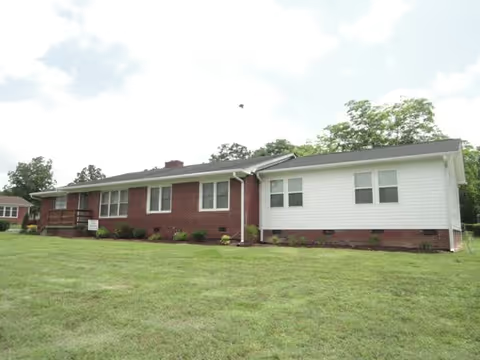
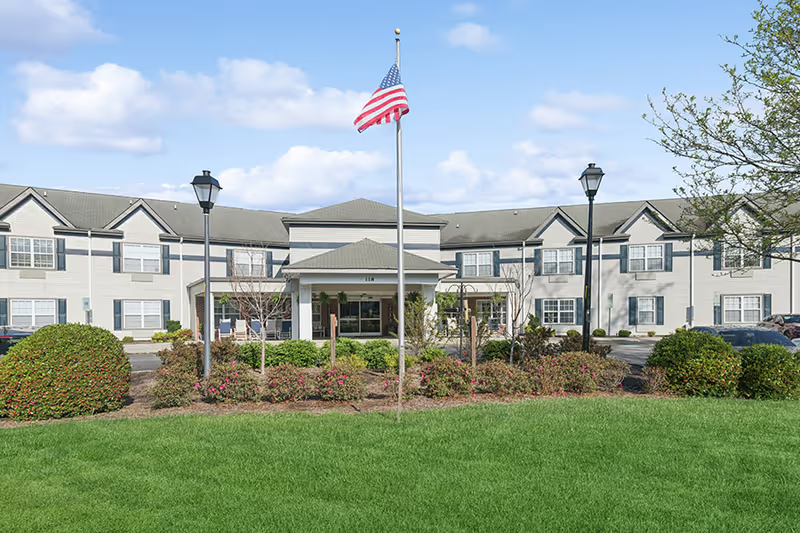
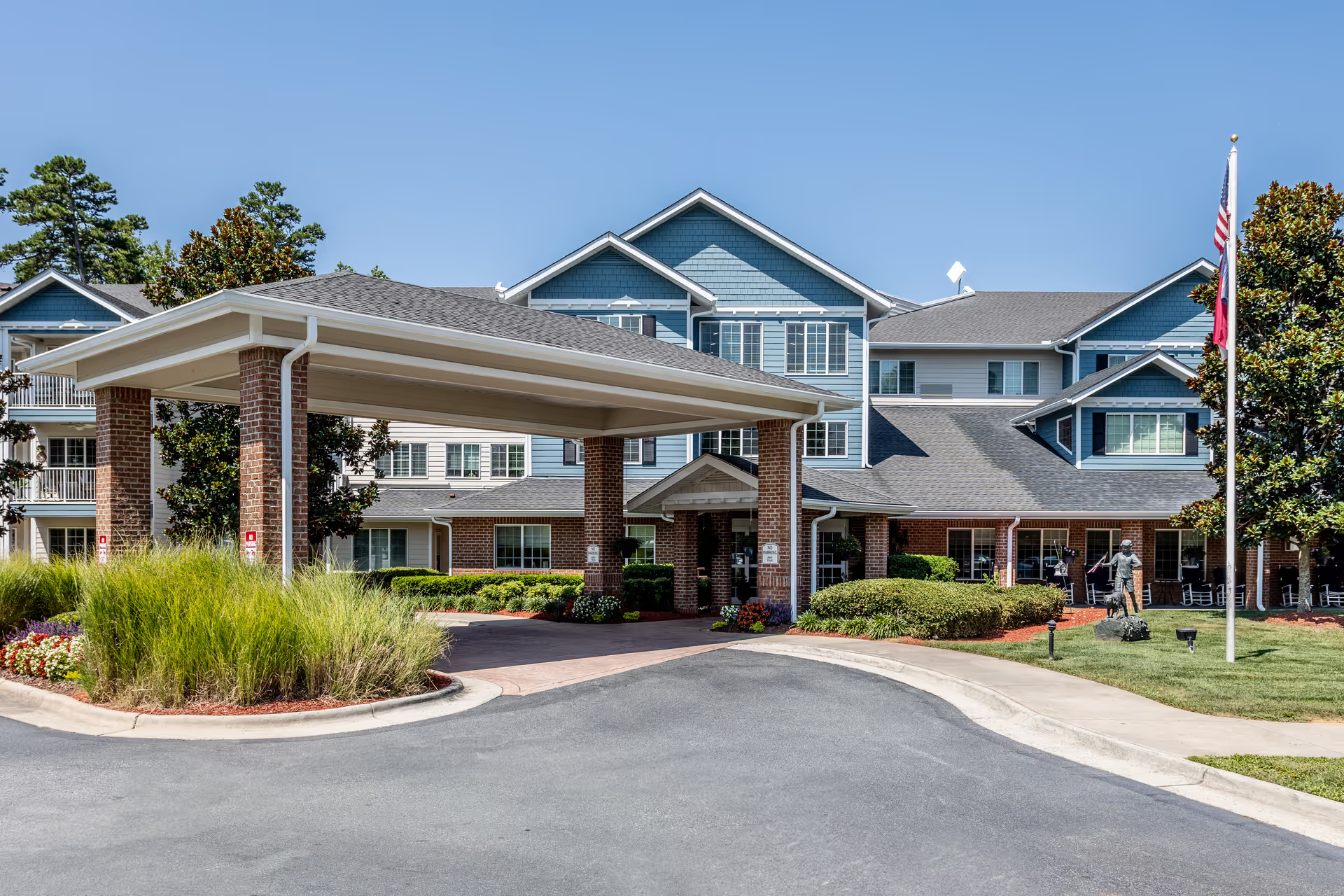
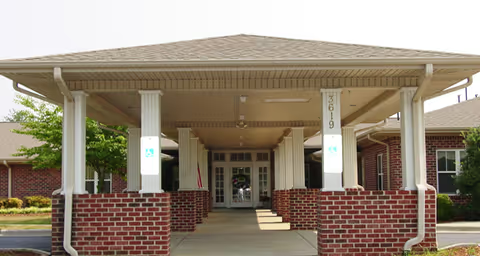
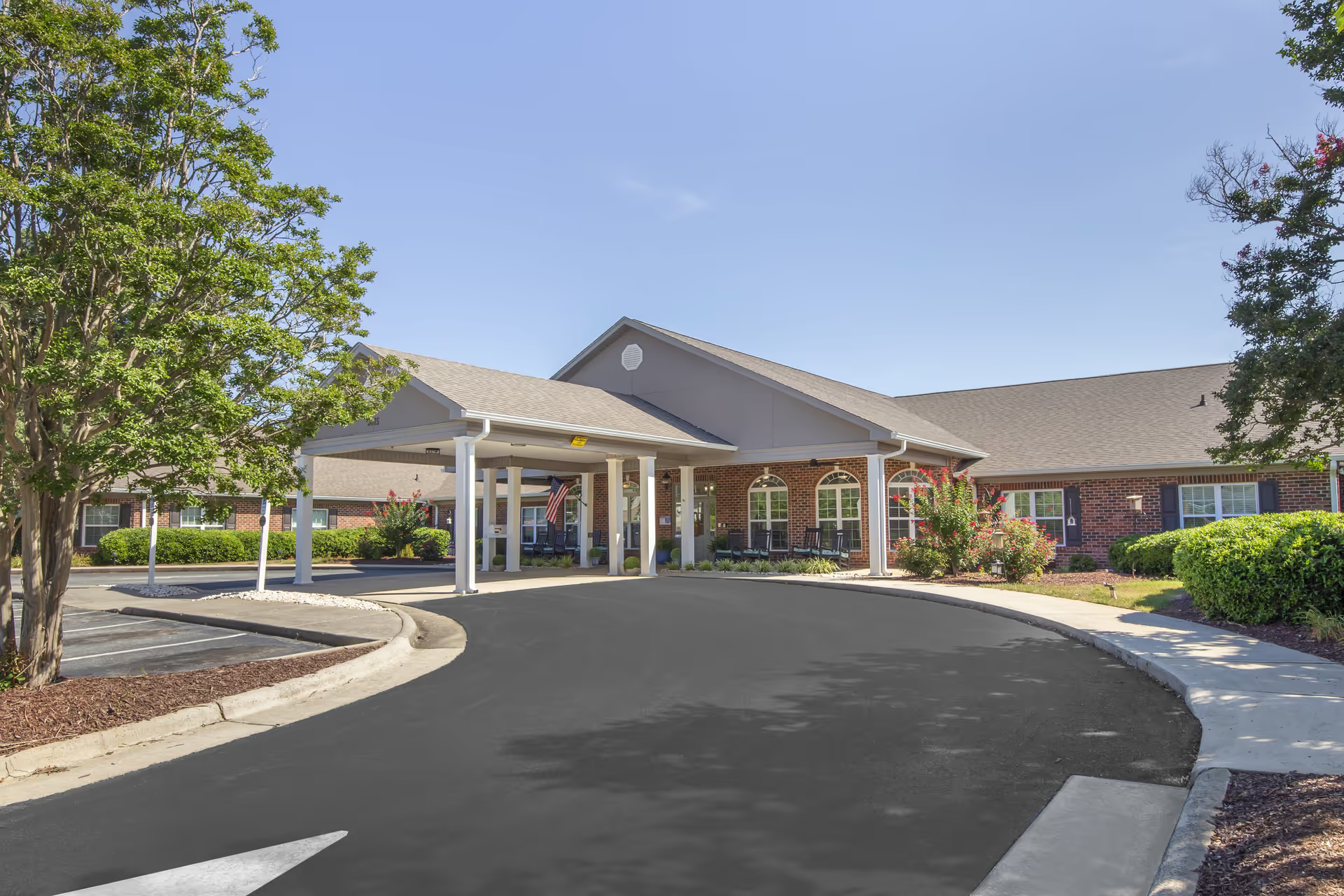
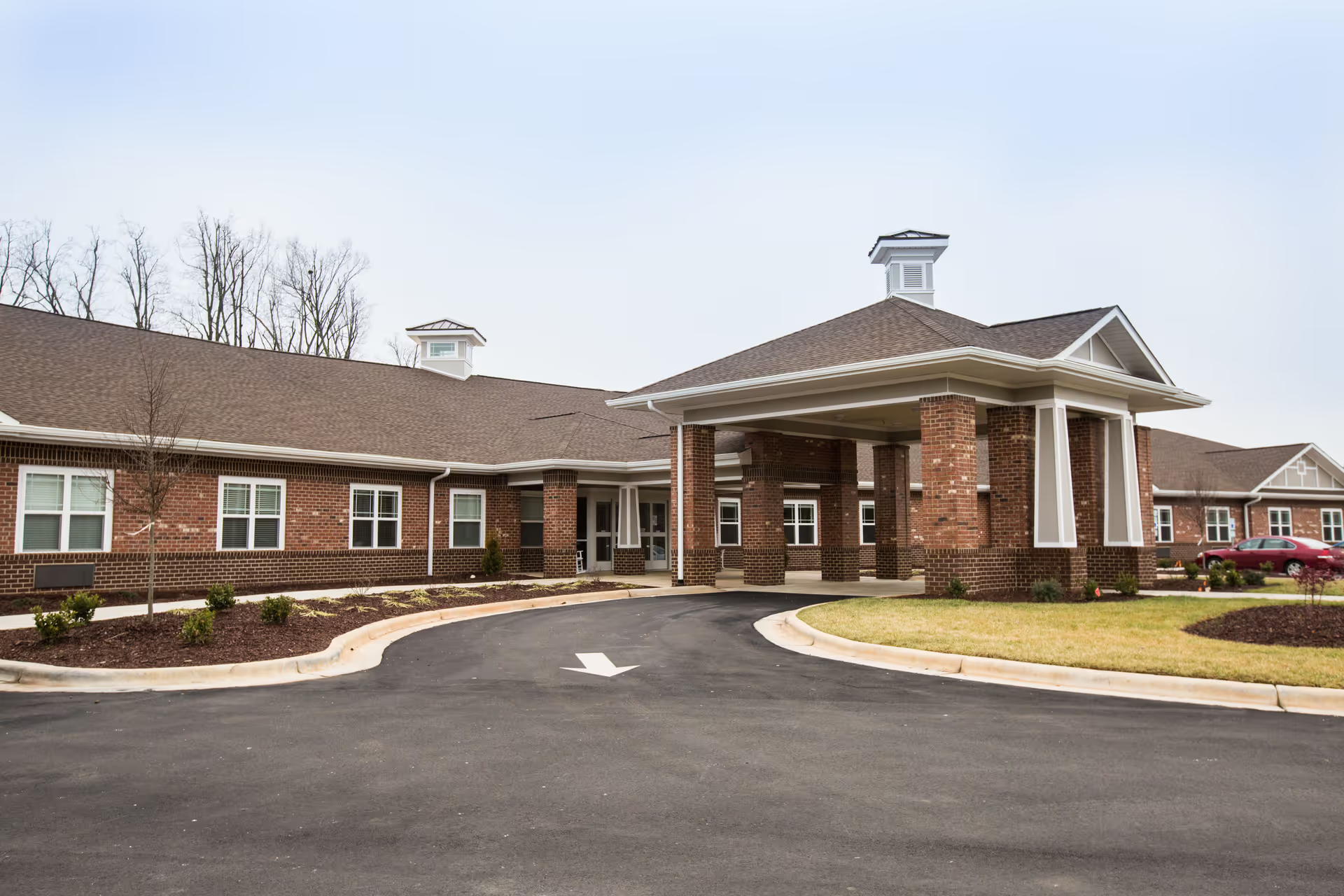
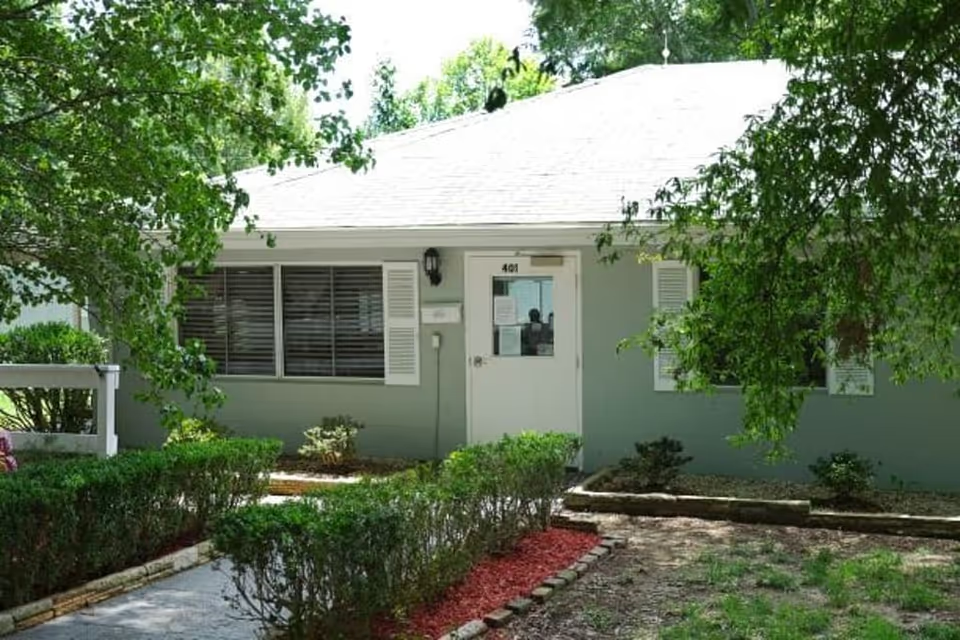
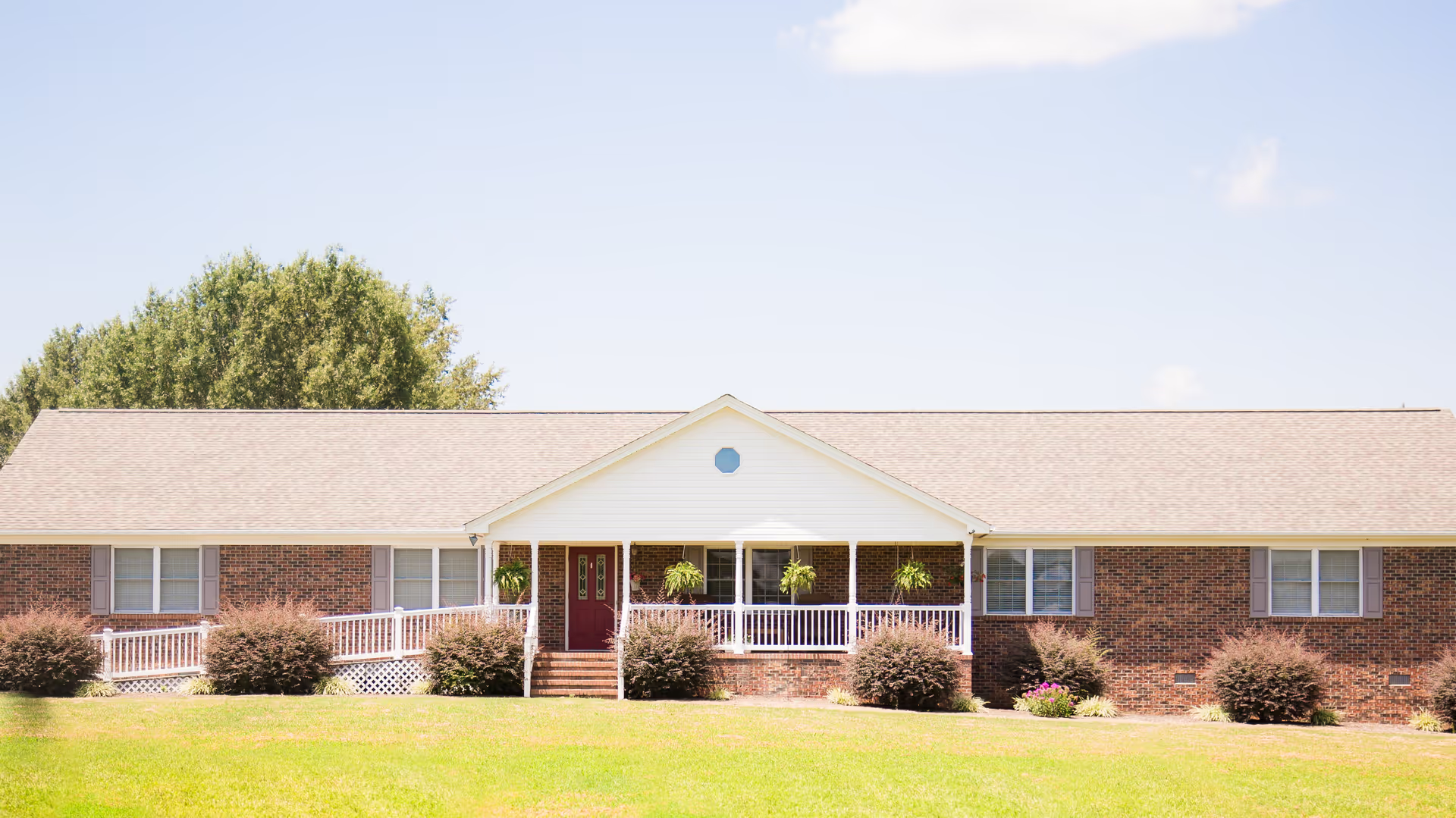
Facilities and infection control: Public areas, dining spaces, and some rooms are often described as clean and well maintained, and several reviewers praise the front halls and administrative areas. Conversely, multiple reviewers raise sanitation and odor concerns in certain resident rooms or back halls, plus pest-control and infection-prevention issues in some units. The physical plant is described as dated in places; furnishings and equipment in some rooms were described as needing updating or deeper cleaning.
Management, billing, and transitions of care: Administrative themes include inconsistent communication with families, difficulty reaching nursing leadership, and billing or property-handling problems (including concerns about missing belongings and questions over charges). Several families also describe abrupt discharges or short-notice transitions that they considered unsafe or poorly coordinated. Some reviewers reference regulatory complaints or formal grievances. Conversely, other families report smooth admissions and helpful administrative staff, reinforcing the overall picture of inconsistency.
Notable patterns and guidance: The overall signal from the reviews is polarized: the facility can provide strong rehabilitation, engaged activities, and excellent care from individual staff members, yet persistent operational issues—staffing inconsistency, variable cleanliness, communication breakdowns, and administrative/billing opacity—create risk for certain residents, particularly those with dementia or complex medical needs. Prospective residents and families should tour the unit at different times of day, ask about current staffing ratios and dementia training, review medication-oversight and infection-control protocols, clarify billing and property procedures in writing, and observe the therapy and activity offerings firsthand before making placement decisions.