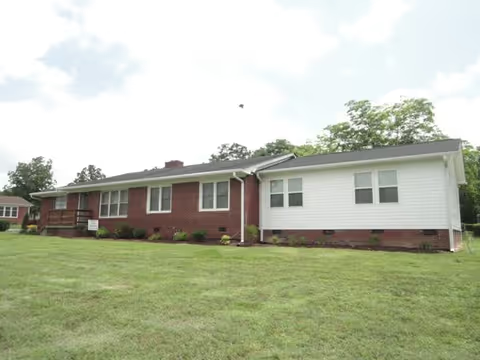
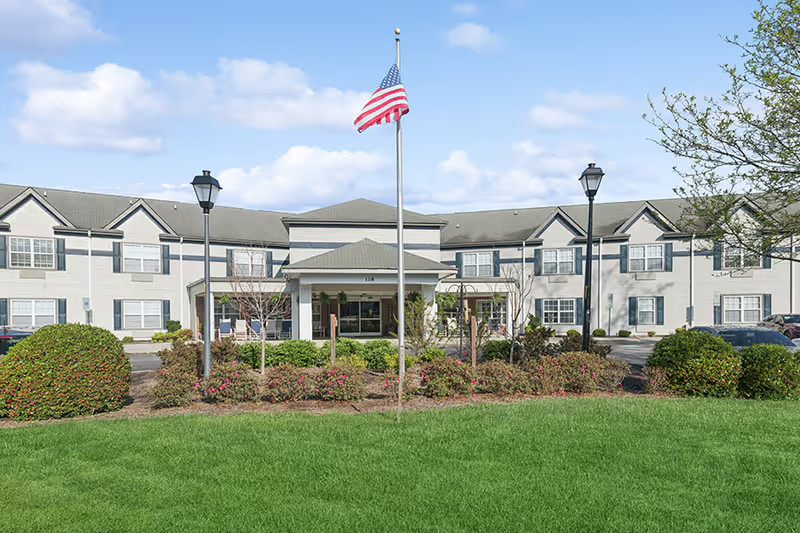
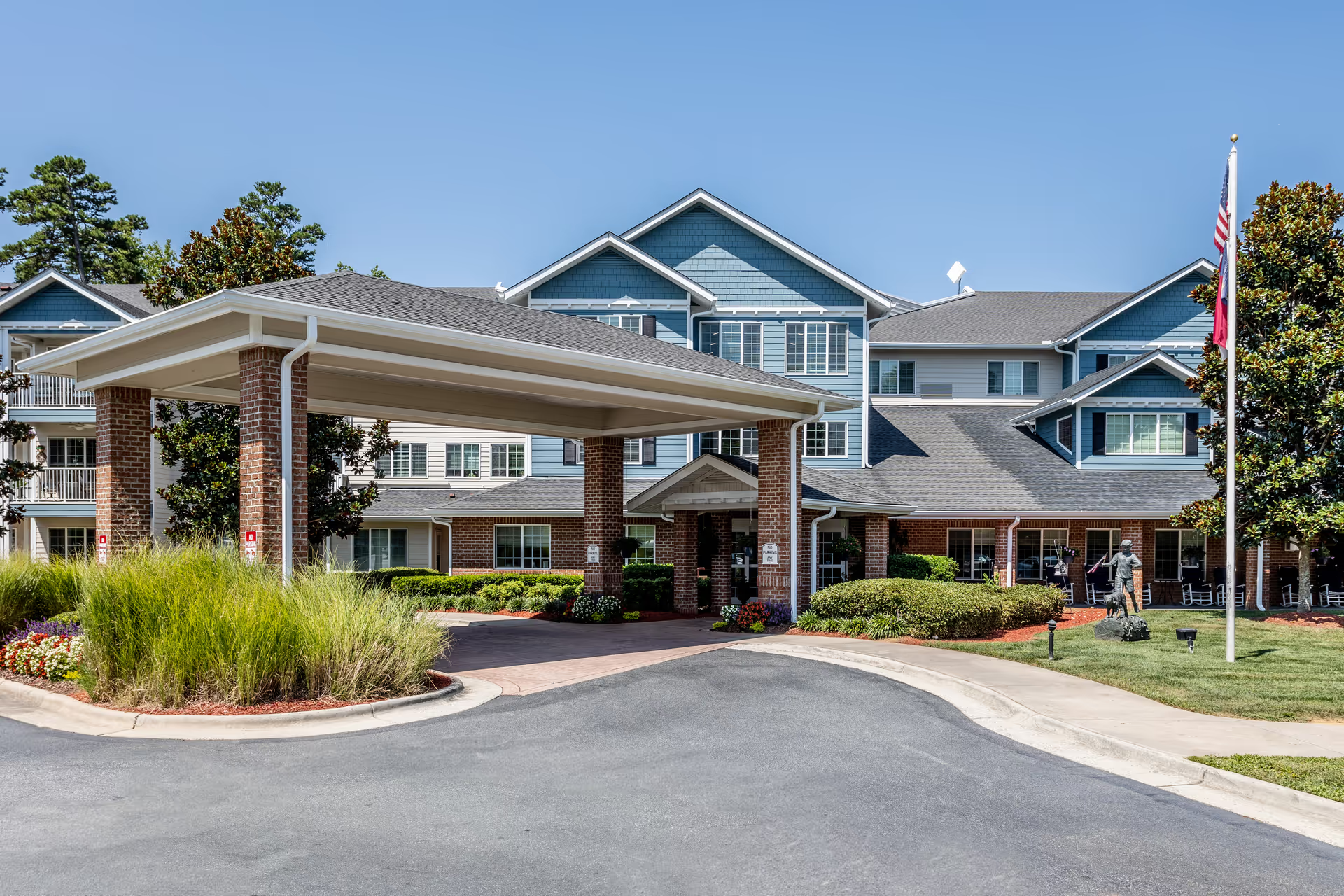
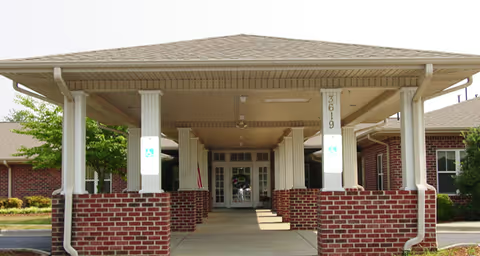
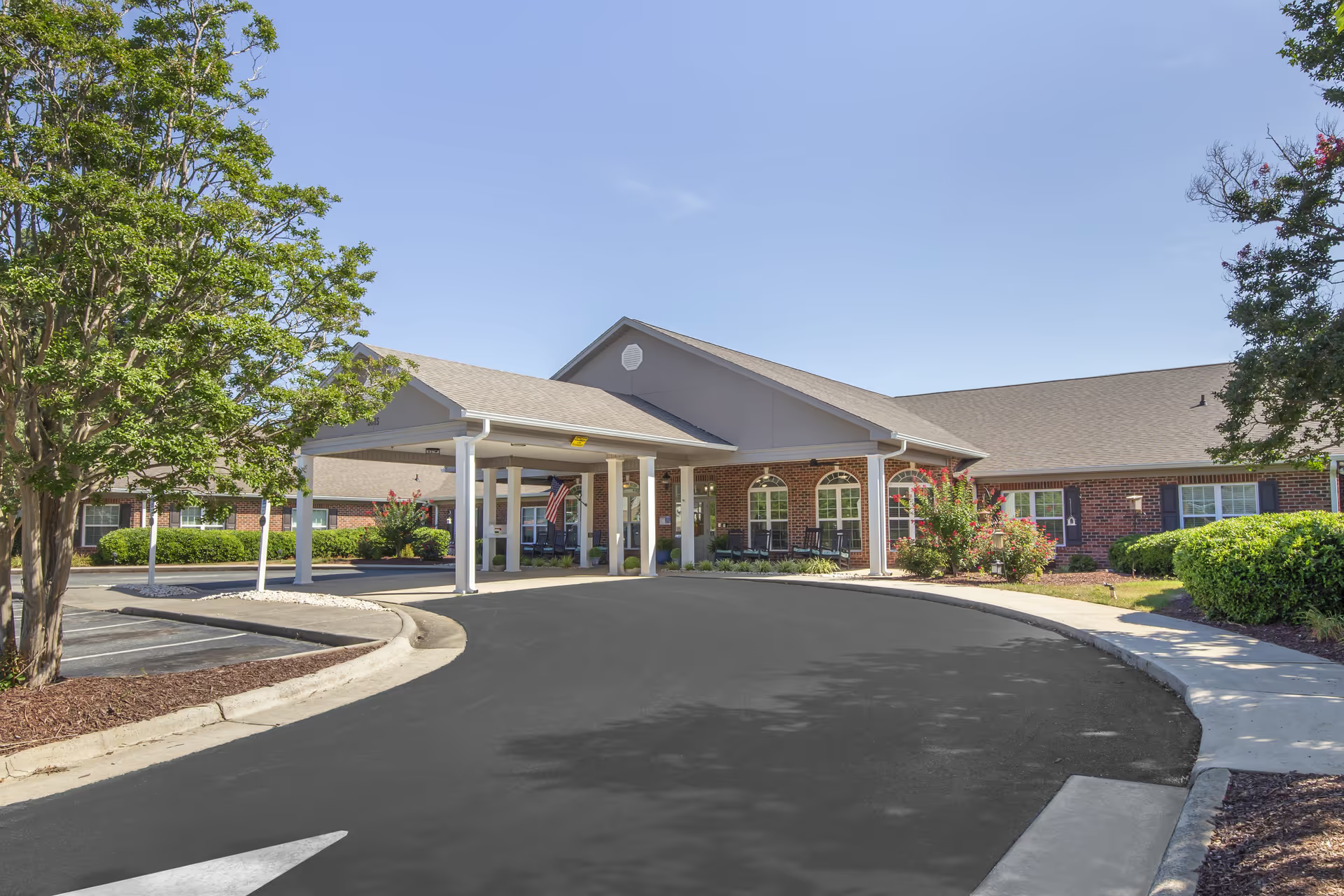
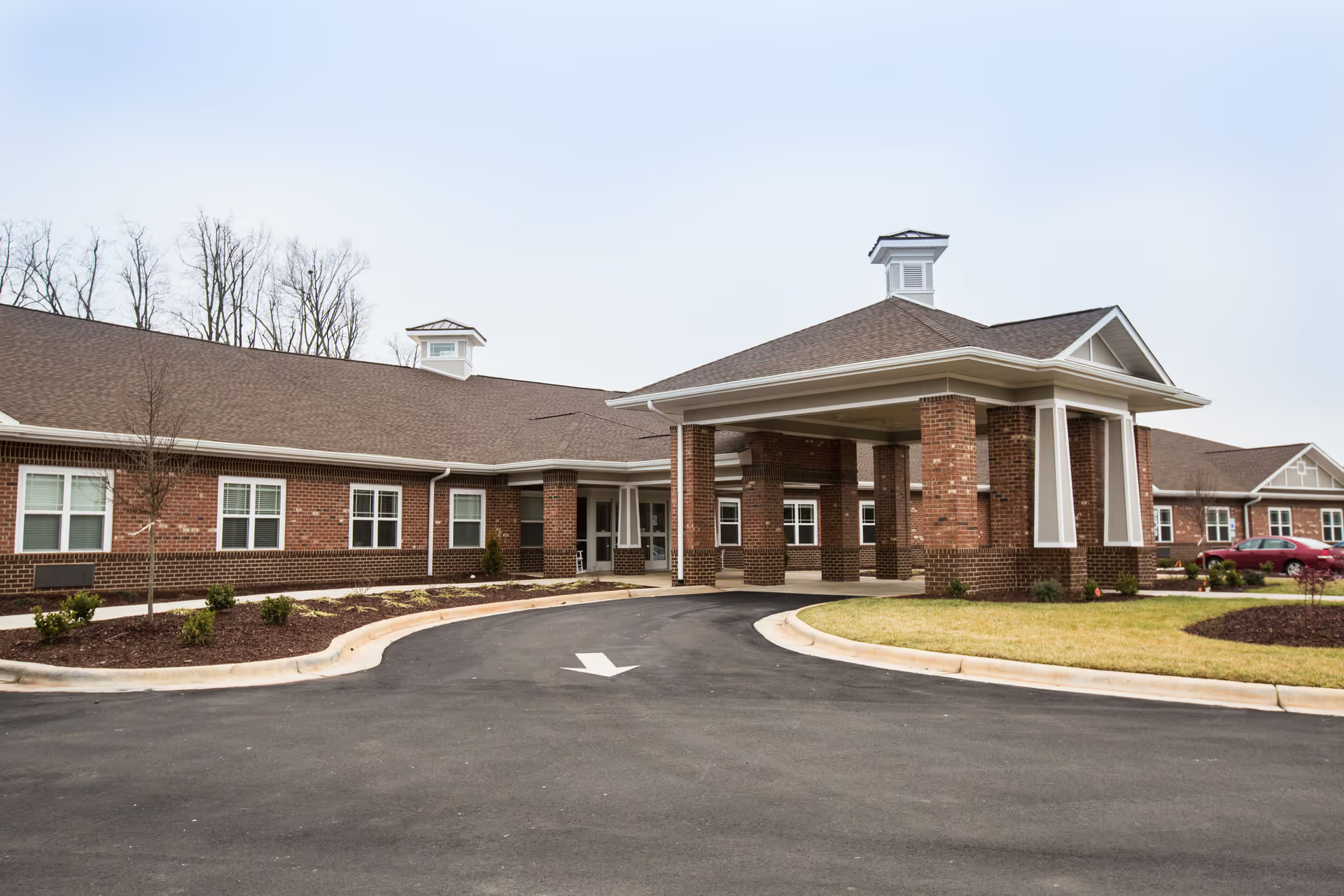
White Oak of Burlington elicits strongly mixed impressions: many families praise the caring culture, therapy outcomes, and active programming, while other accounts describe significant operational challenges. Positive feedback commonly highlights attentive CNAs and nurses, effective rehabilitation (with several mentions of specific therapists), a broad activities schedule including crafts, music and daily devotional services, and an overall family-like atmosphere. Multiple reviewers cited clean, odor-free units and enjoyed homelike dining and on-site amenities such as a hair salon and family activity rooms.
Care quality appears inconsistent across shifts and units. Numerous families reported good clinical outcomes—timely wound care, restorative ambulation support, and successful short-term rehabilitation leading to discharge home—while other reports raised concerns about medication timing, vascular-access management, delayed pain control, missed turning schedules for high-risk residents, and wound progression. These contrasting accounts suggest variability in clinical competency and adherence to protocols rather than a uniform standard of care. A small number of severe individual allegations were included in reviews; prospective families should treat those as high-priority discussion points during visits.
Staff and communication also show polarization. Many reviewers commended specific staff and leadership for responsiveness and professionalism, and noted prompt issue resolution when leadership was engaged. Conversely, other comments describe inconsistent professionalism, confrontational interactions with some staff or managers, and lapses in tone and communication with families. Staffing levels were frequently cited as a driver of care variability: understaffing was associated with delayed assistance, increased fall risk, and gaps in routine care such as bathing and toileting support.
Dining and activities are generally recognized strengths but with variability. Several families praised flavorful, homelike meals and a robust activity schedule that supports socialization and cognitive engagement. At the same time, others reported cold meals, repetitive menus with limited protein choices, and occasional service delays. Observing a mealtime during a visit can help assess consistency.
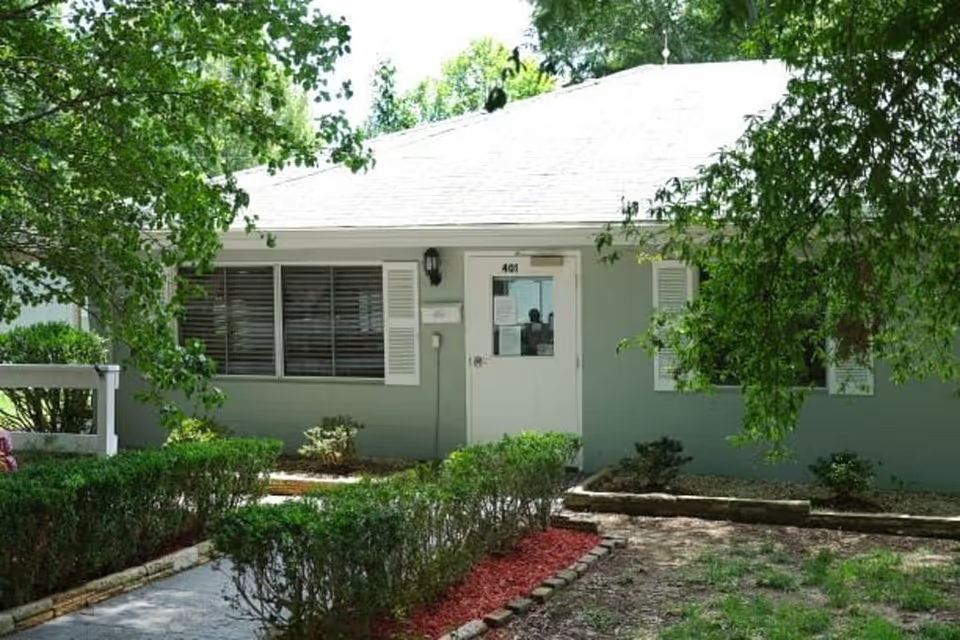
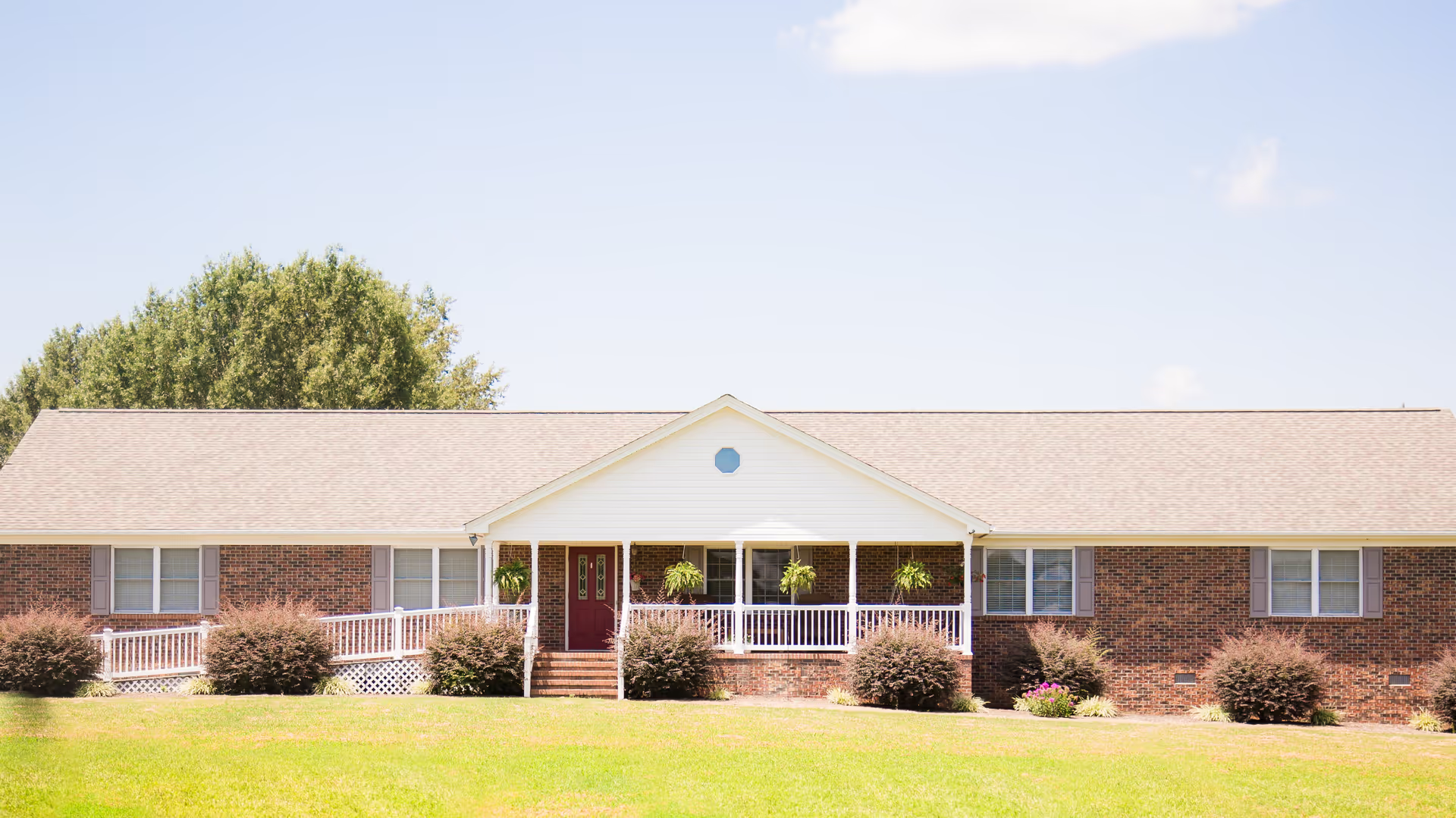
Facility and safety issues are mixed. Numerous reviewers described a clean environment and well-maintained resident rooms, yet others raised sanitation and pest-control concerns in specific areas, as well as broken equipment and deferred maintenance consistent with an older building. Safety and security process gaps were mentioned, including concerns about unmonitored access and room intrusions. Additional operational problems noted include inconsistent handling of personal property and laundry, and weaknesses in hospice/end-of-life coordination.
Management practices appear uneven: several families praised administrators and clinical leaders who intervened effectively, while others described avoidance of internal problems or confrontational responses. This variability in management follow-through correlates with the broader pattern of uneven experience across the facility.
Bottom line: White Oak of Burlington offers many strengths—compassionate direct care staff, effective therapy for many residents, active programming, and homelike amenities—but these are counterbalanced by recurring operational weaknesses related to staffing consistency, clinical protocol adherence, sanitation and safety processes, and variable management responsiveness. Prospective residents and families should schedule an in-person tour that includes mealtime observation, a conversation about staffing ratios and clinical protocols (including wound and vascular-access care), review of recent inspection or grievance resolution practices, and direct questions about property handling and security measures.