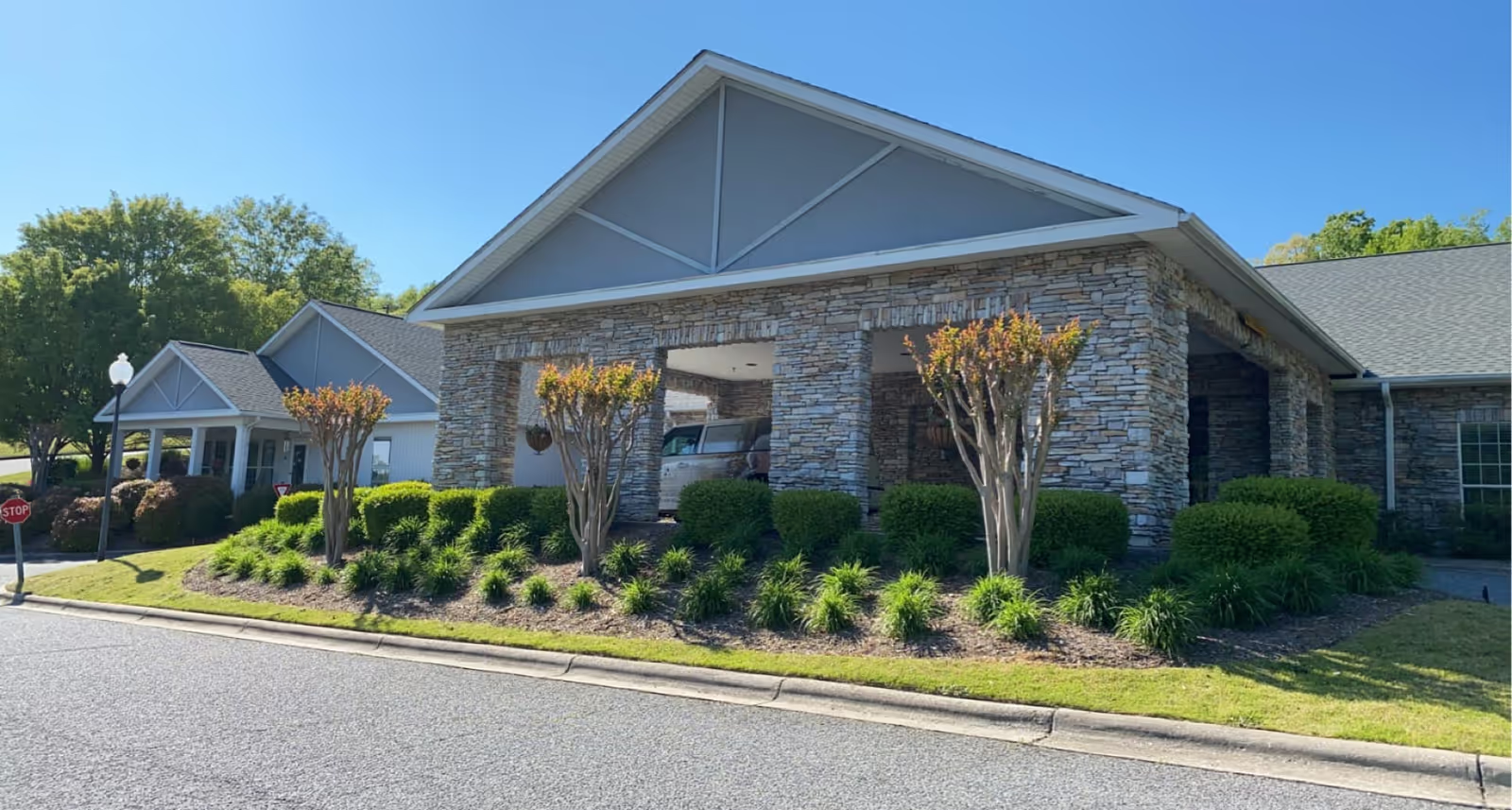
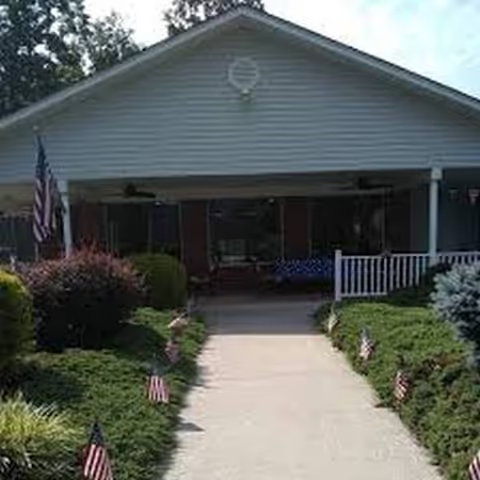
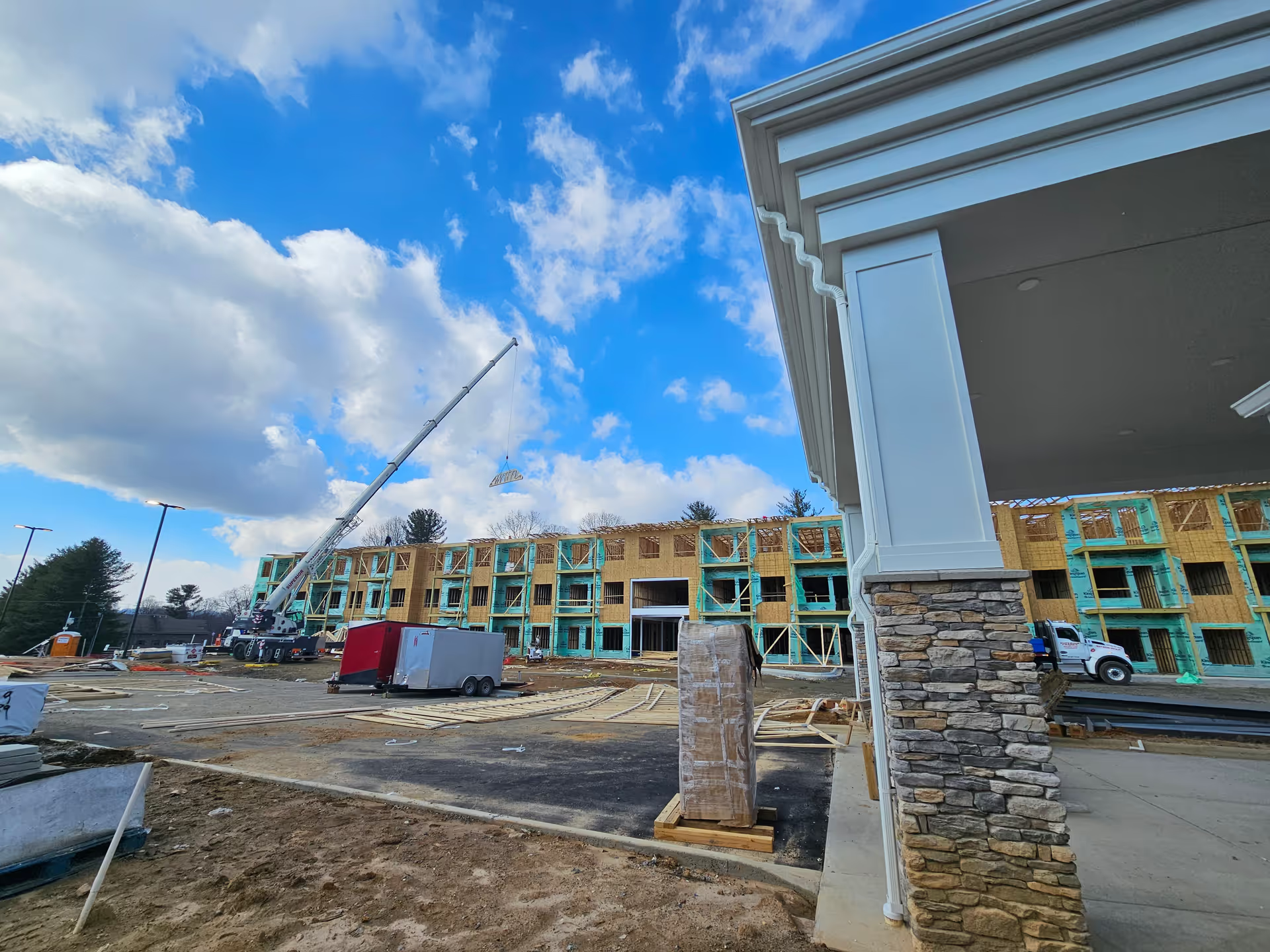
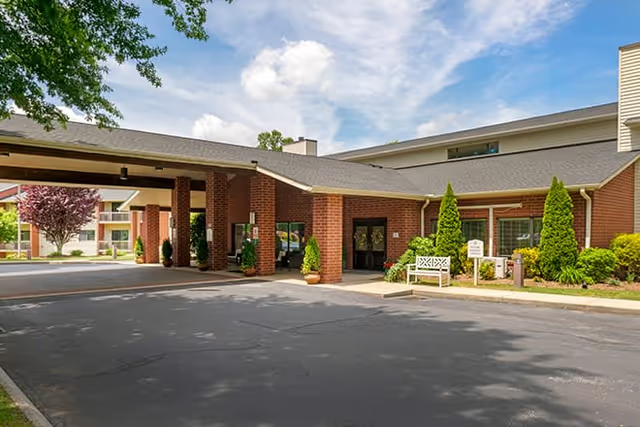
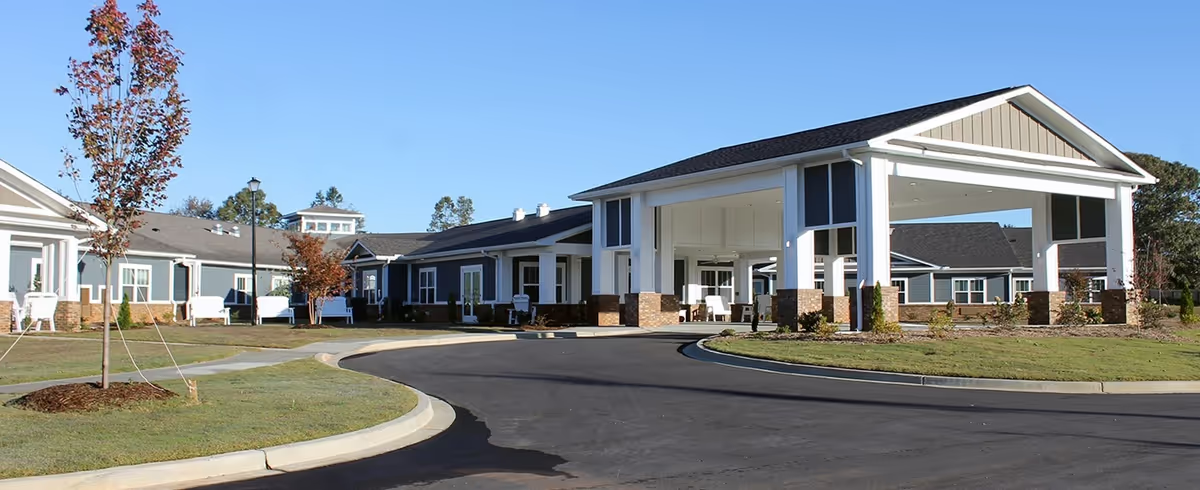
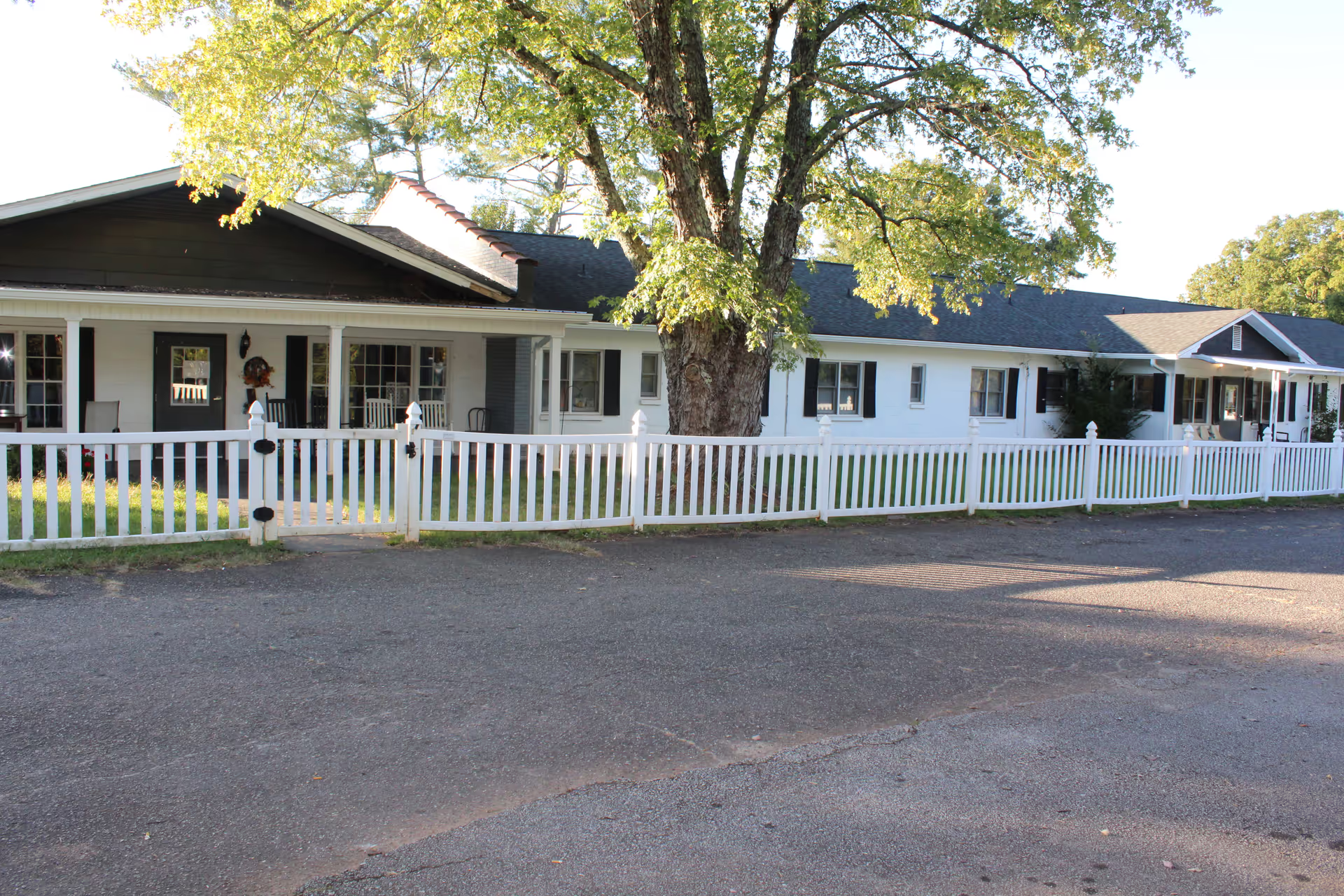
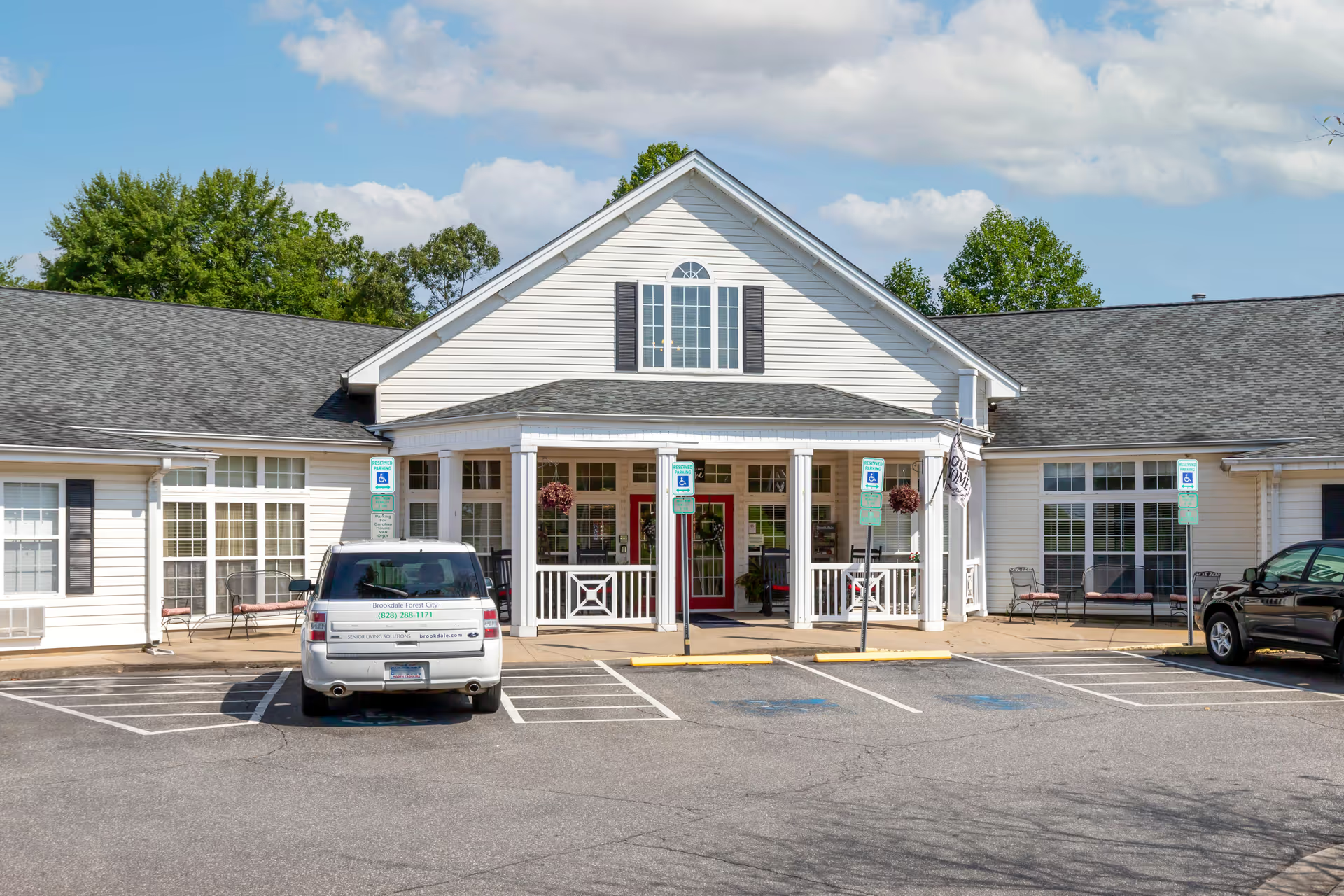
Tryon Estates presents as a well-appointed continuing care community with an extensive set of amenities and an emphasis on campus living. Reviewers consistently cite attractive grounds, lakefront walking trails, and well-maintained interiors. The community offers varied housing options, interior-design assistance, and accessible on-site levels of care — independent living, assisted living/memory care, and skilled nursing — which many families view as a practical advantage for long-term planning.
Staff and direct care are frequently described positively. Many accounts highlight compassionate, attentive caregivers, low perceived staff turnover, and staff members who communicate well with families in routine circumstances. On-site skilled nursing and a strong resident services function are cited as strengths, and several reviewers praised specific team members (activities staff, occupational therapists, resident services director) for responsiveness and warm interactions. That said, consistent concerns cluster around the memory-care unit: room dimensions and double-occupancy arrangements were described as cramped, and families reported variability in dementia-specific training and staff responsiveness. Medication decision-making and continuity — including how medication changes are documented and communicated — emerged as a separate area of concern in relation to clinical oversight.
Dining and food service receive mixed assessments. Many reviewers enjoyed meals, praised dining-room presentation, and noted a variety of options such as a grill station and salad bar. However, others observed declining food quality or inconsistent meal service over time, and a limited number of comments raised sanitation issues in food-service areas. Prospective residents and families may want to sample multiple meals and inquire about kitchen oversight, menu sourcing, and recent corrective actions.
Recreational life and amenities are a clear strength. The community offers a broad activities program (arts and crafts, bridge, line dancing, outings to wineries and theaters), fitness and wellness programming, an indoor heated pool, bocce courts, hobby spaces, and salon services. Transportation for outings and appointments, door-delivery meals, and family-friendly programming contribute to social engagement. Reviewers frequently described a friendly resident culture and a “cruise-ship” level of maintenance in public spaces.
Management and administrative themes are mixed. Positive notes include informative tours and helpful front-line staff. Concerns center on leadership communication and responsiveness in higher-stakes situations: families described gaps in transparency, difficulties with advocacy, and at least one instance that raised questions about privacy and consent handling. A portion of reviewers felt the institution’s priorities leaned toward marketing and sales visibility rather than operational follow-through. Cost is another consistent consideration — entry fees and monthly rent were described as significant and, for some, a factor in value assessment. The community’s small-town location is attractive to some but may limit accessibility for families seeking proximity to larger urban services.
In summary, Tryon Estates offers a broad amenity set, active programming, and an integrated continuum of care with many staff members praised for compassion and skill. Primary areas for prospective residents to evaluate in person are memory-care accommodations and dementia-specific staffing practices, medication-management processes, current dining quality and kitchen sanitation controls, leadership communication procedures, and the financial terms of entry and monthly fees. These targeted inquiries will help families balance the facility’s strong social and clinical offerings against the operational areas that reviewers identified as inconsistent.