Carolina Rehab Center of Burke elicits a mixed but distinct pattern of experiences. Many families and residents praise the facility's rehabilitation focus: physical and occupational therapy teams, and the availability of specialized equipment (for example, an anti-gravity treadmill) are described as strengths that support measurable recovery. The building and grounds are frequently characterized as clean, well-maintained, and welcoming, and the activities program receives consistent positive mention for engagement and event variety. Several reviews also note effective front-desk admission processes, helpful social-work coordination, and a generally warm atmosphere in communal spaces.
Care-quality impressions diverge. Positive reports highlight compassionate CNAs, motivated therapists, and good clinical outcomes for post-surgical rehabilitation. Conversely, a recurring operational theme concerns variability in nursing and aide performance: reviewers describe inconsistent responsiveness to call lights, delays in attending to personal-care needs, and uneven adherence to scheduled bathing and toileting routines. Medication-management weaknesses appear across multiple accounts and include supply shortfalls, delayed administration, and process gaps that warrant verification during an admission discussion. A subset of reviews raised serious individual claims about missing personal items and medication discrepancies; these specific allegations suggest the value of confirming facility inventory and personal-item policies prior to placement.
Dining and daily living services show similar variability. The activities department and scheduled programs are frequently cited as engaging and well executed, contributing to resident morale. Meal service, however, draws mixed feedback: some families describe hot, well-prepared meals, while others report late or cold trays and inconsistent food quality. Housekeeping and sanitation are generally noted as strengths in public areas, but a number of reviews point to localized cleanliness issues and delayed cleaning requests in resident rooms and bathrooms, as well as occasional odor concerns in certain common areas.
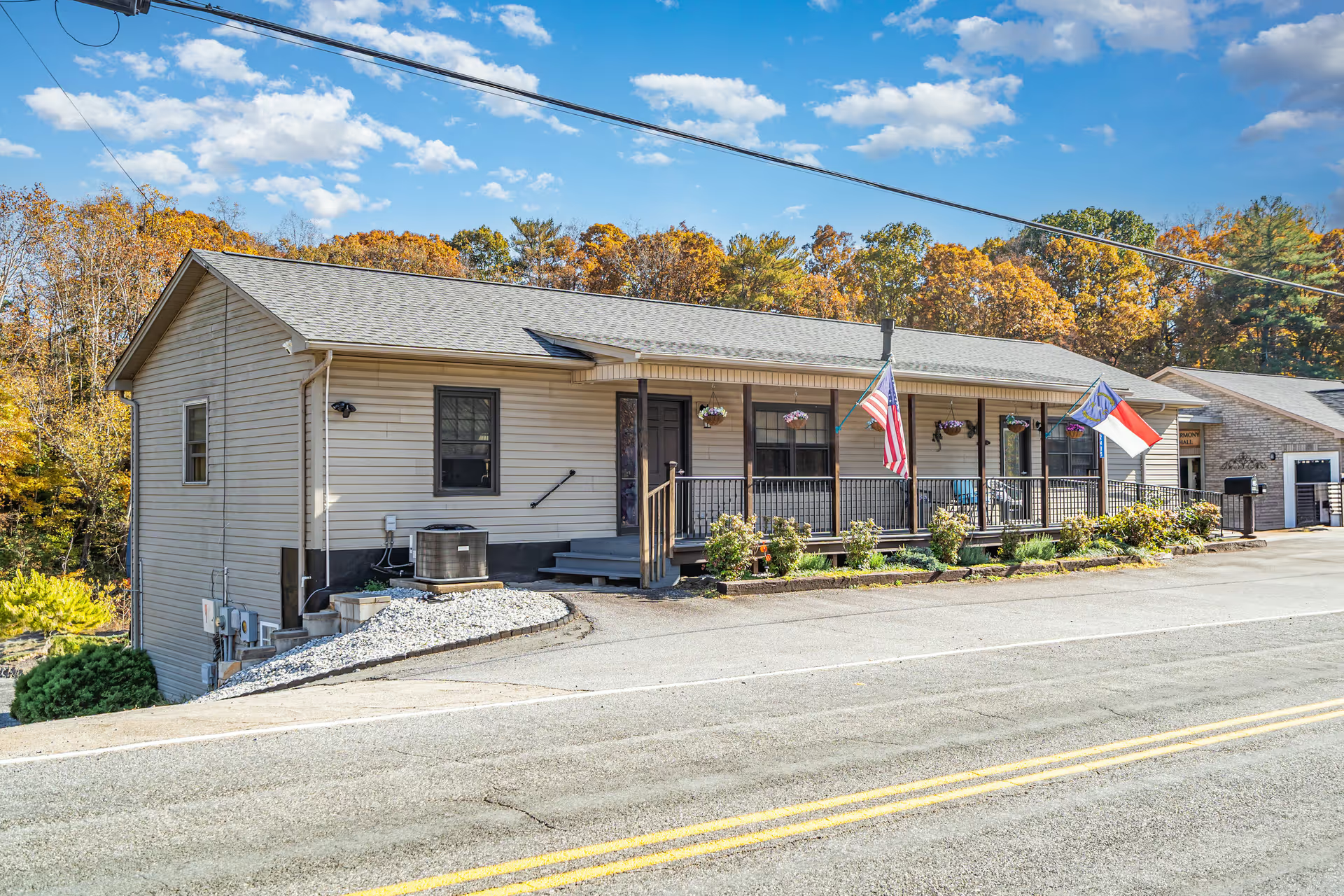
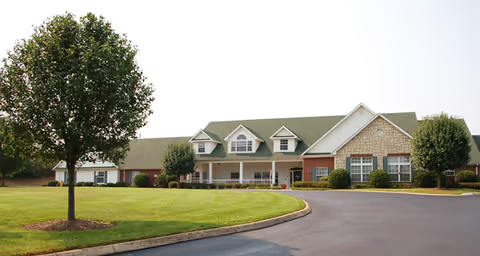
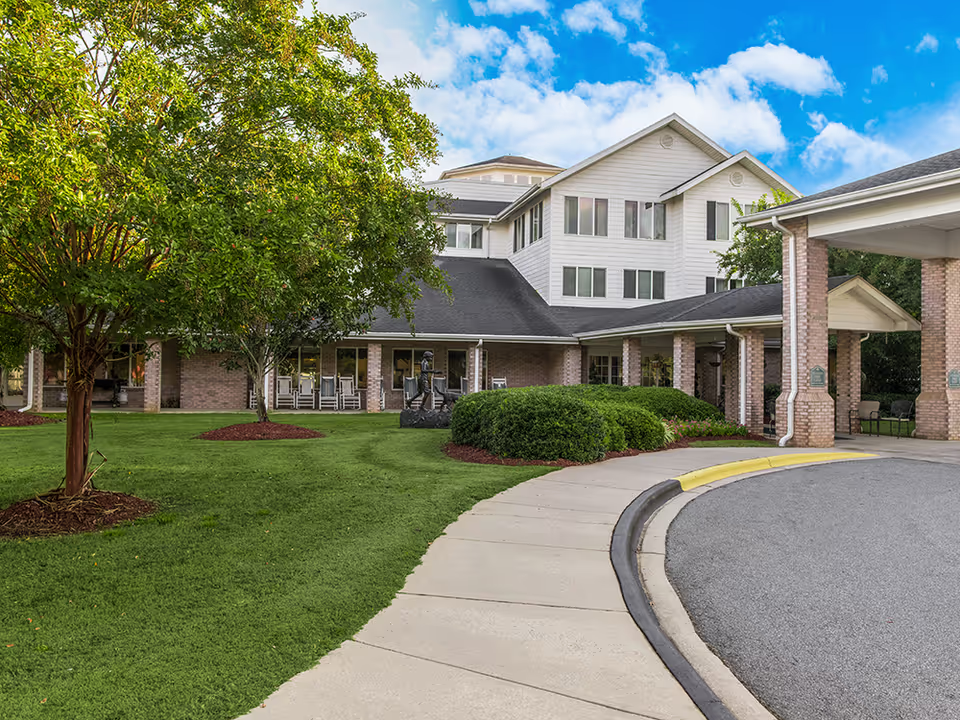
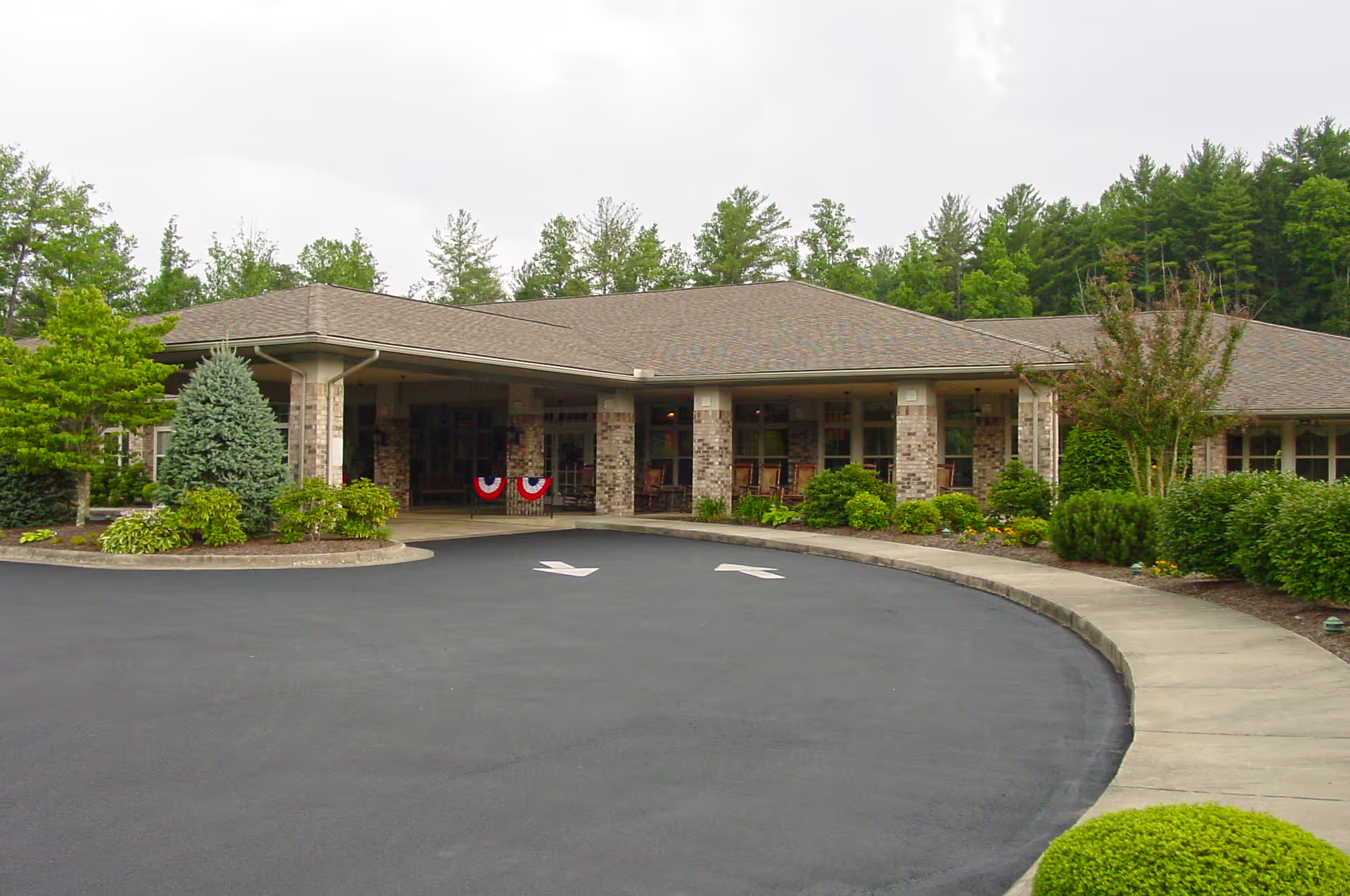
Facilities and management present contrasting impressions. Physically, the center is consistently described as attractive, secure, and easy to navigate in many areas, with landscaped grounds and up-to-date therapy and dining spaces. Operationally, reviewers identify management challenges tied to staffing levels, shift variability, and perceived focus on expansion rather than resolving operational deficiencies. Communication gaps — including family notification following incidents, clarity around discharge orders, and frequent room changes — are recurrent themes that affect perceived continuity of care.
For prospective residents and families: the center demonstrates clear strengths for rehabilitation-focused care, activity programming, and a pleasant physical environment. At the same time, the pattern of concerns suggests it is prudent to ask specific operational questions before placement: current nurse-to-resident and CNA staffing ratios by shift, procedures for medication reconciliation and personal-item security, average response times to call lights, protocols for clinical escalation (including oxygen and transfer safety), housekeeping schedules, and meal-service timing. Visiting during mealtime and a therapy session, speaking directly with nursing leadership about incident notification and discharge planning, and reviewing recent inspection or complaint histories will help families weigh the center's rehabilitation strengths against the operational variability described by other families.