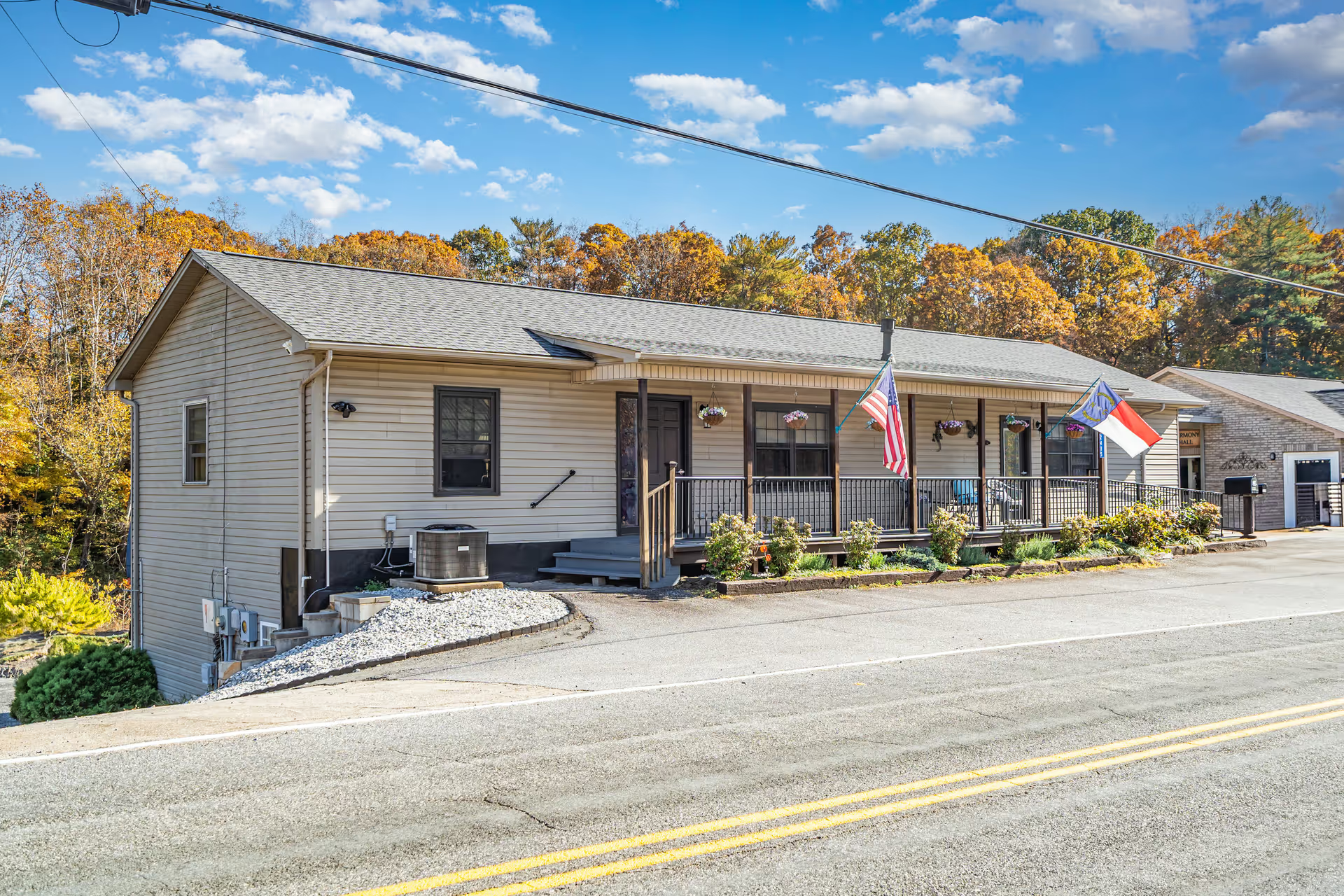
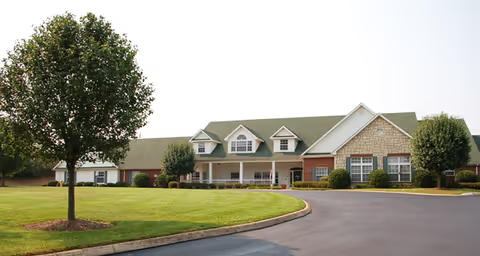
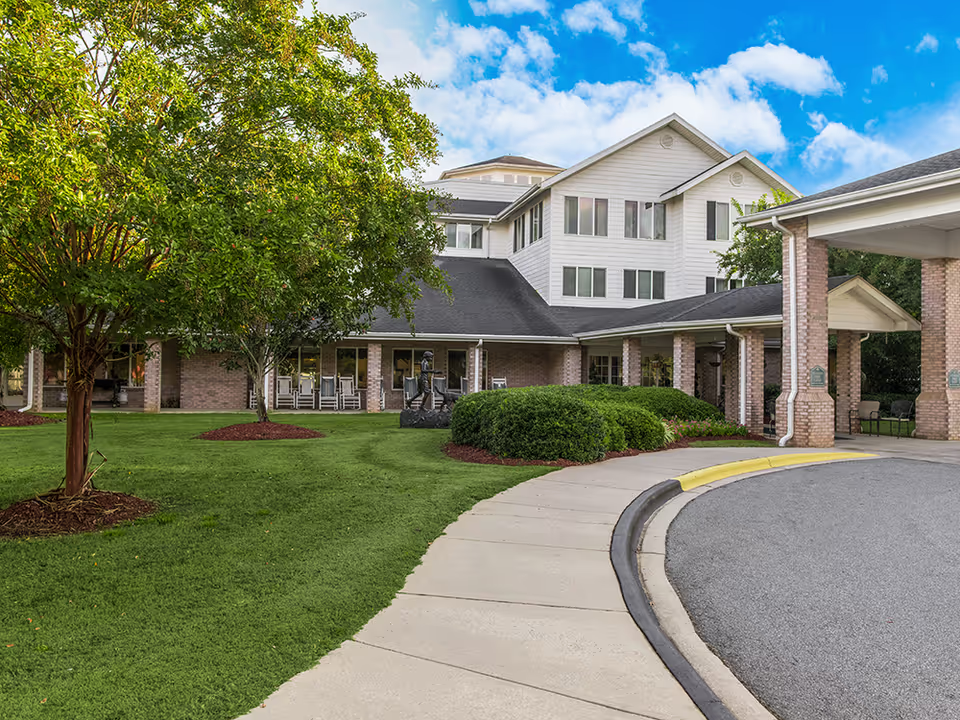
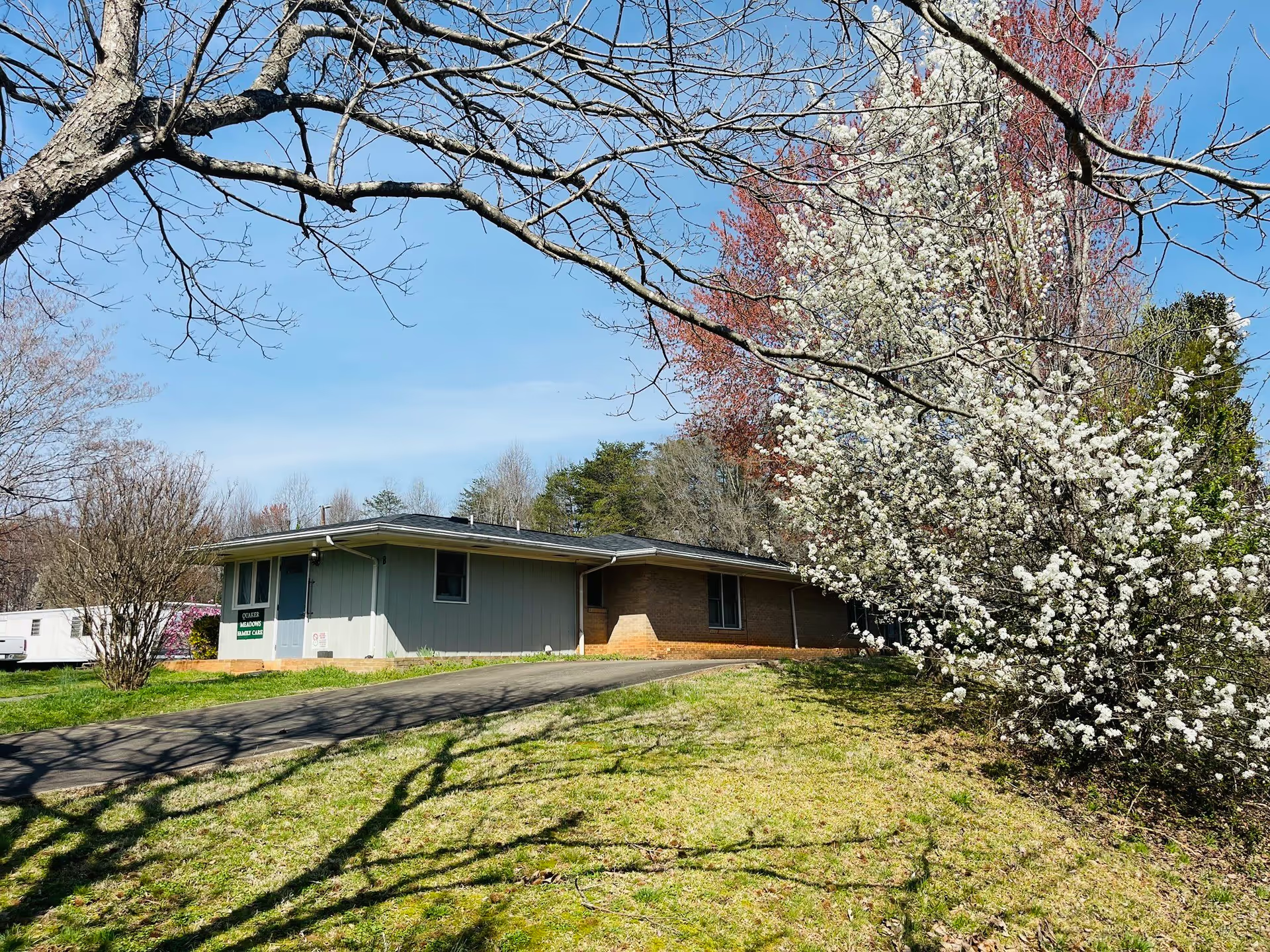
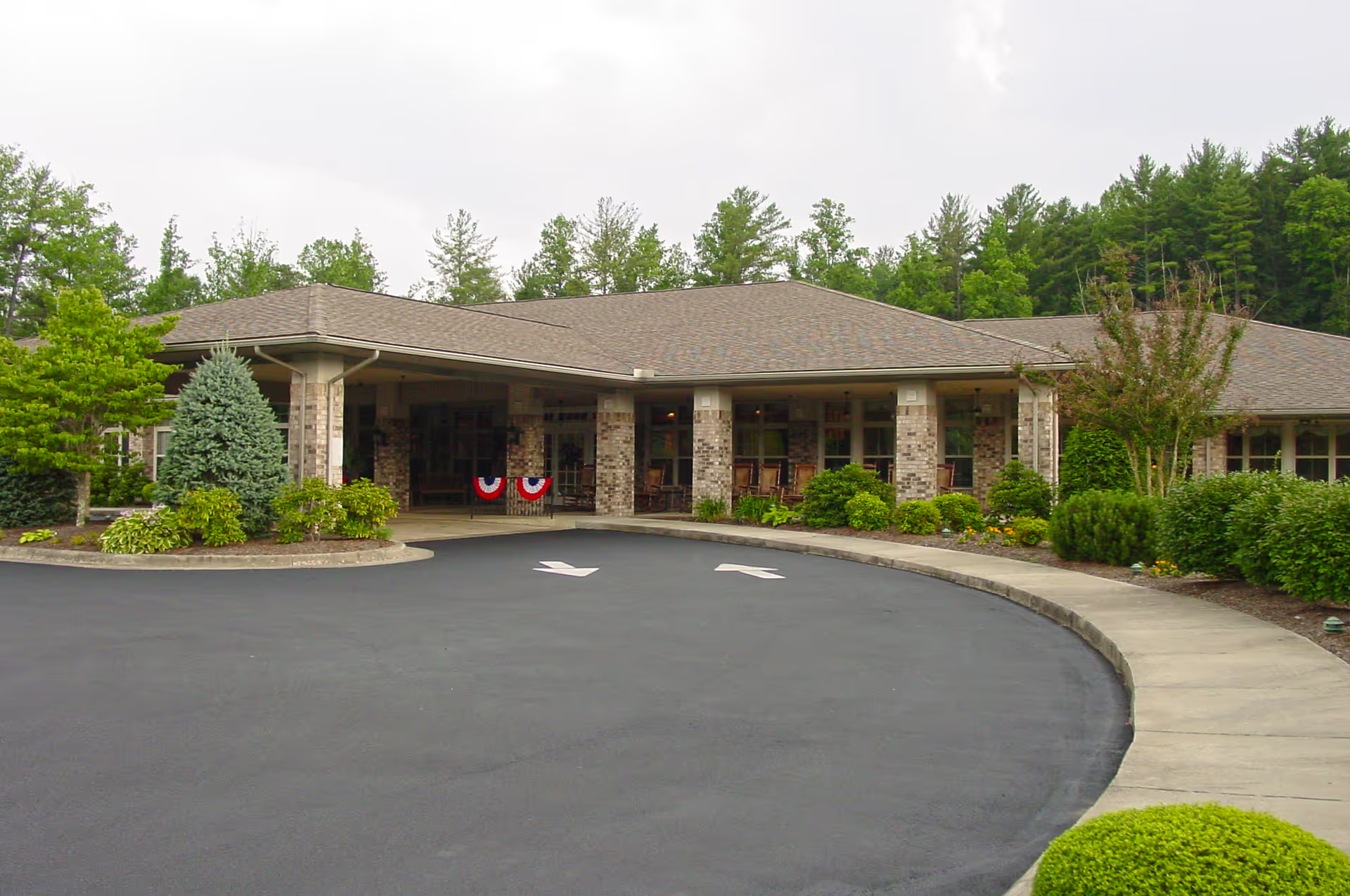
College Pines Health and Rehabilitation elicits a mixed but clearly defined set of experiences. Many families and patients described strong clinical strengths: a compassionate nursing and CNA workforce, a well-regarded physical and occupational therapy team, and documented successful short-term rehabilitation outcomes. The facility’s interior and communal spaces are often characterized as clean, home-like, and recently updated, with private and spacious rooms that support family visits. Activity programming, including spiritual services, is frequently noted as a positive aspect of daily life.
Care quality is uneven across reviews. Positive accounts emphasize attentive bedside care, effective therapy that supported functional recovery, and staff who treat residents with respect and dignity. Counterbalancing these are recurring operational concerns: inconsistent responsiveness to call bells and acute needs, variability in staff competence and training, and coverage gaps on weekends. Several accounts describe lapses in adherence to physician orders and inadequate monitoring of acute changes, which together indicate areas where clinical governance and supervision may be inconsistent.
Dining and rehabilitation services show both strengths and limitations. The therapy teams receive consistent praise for clinical skill and helped patients achieve measurable goals, including timely discharges. At the same time, therapy-session lengths and the regularity of scheduled time were described as sometimes limited. Dining staff are generally seen as friendly and supportive, but there are consistent notes about inconsistent portion sizes, limited breakfast selections, and gaps in individualized dietary-plan review.
Facility maintenance and infection prevention present a mixed picture. The building and many common areas are described as well kept and comfortable, and housekeeping is praised in several accounts. However, sanitation and odor concerns tied to carpeting and particular patient rooms appear in multiple accounts, along with more serious infection-control concerns. Incontinence-care delays and omissions were also reported, suggesting operational weaknesses in routine personal-care practices in some units.
Management and communication show variability. Admissions and insurance coordination are often helpful, and some families praised supportive leadership and clear communication. Conversely, other families experienced inadequate incident notification, slow or inconsistent administrative responsiveness (including phone access and billing questions), and lapses in accountability for resident belongings and mobility aids. There are also isolated but serious allegations of clinical and escalation failures; these warrant careful inquiry during any tour or pre-admission review.
Overall, College Pines demonstrates important strengths in rehabilitation services, compassionate caregiving, and a comfortable physical environment. Prospective residents and families should weigh these strengths against recurring operational themes: responsiveness, staff consistency, sanitation and infection-control practices, dietary review processes, and administrative communication. An in-person visit that probes staffing levels, therapy schedules, infection-control protocols, family-notification procedures, and examples of how the facility handles acute incidents is advisable prior to admission.