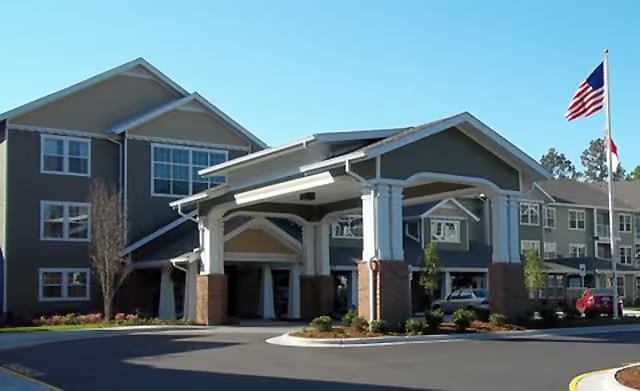
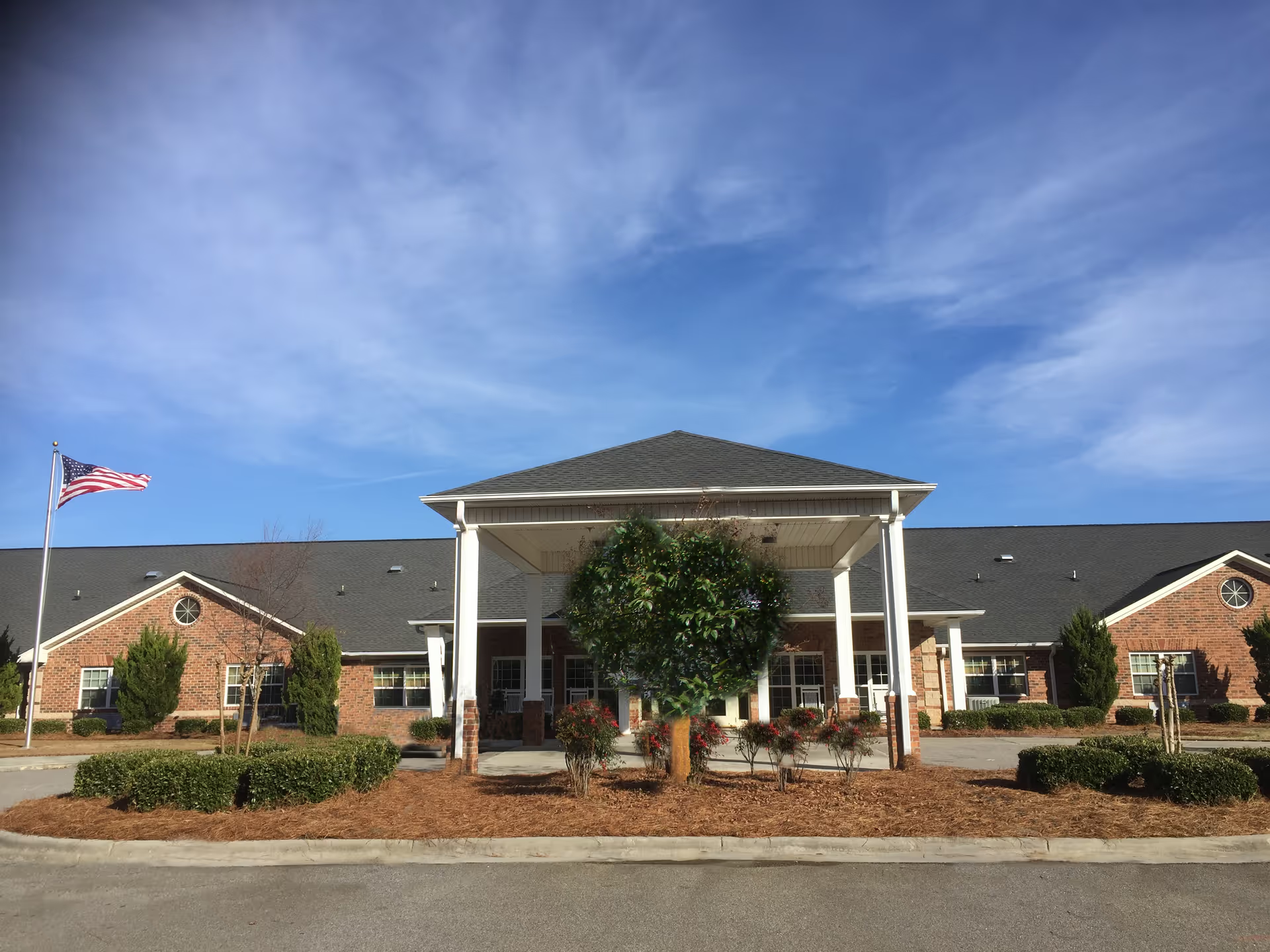
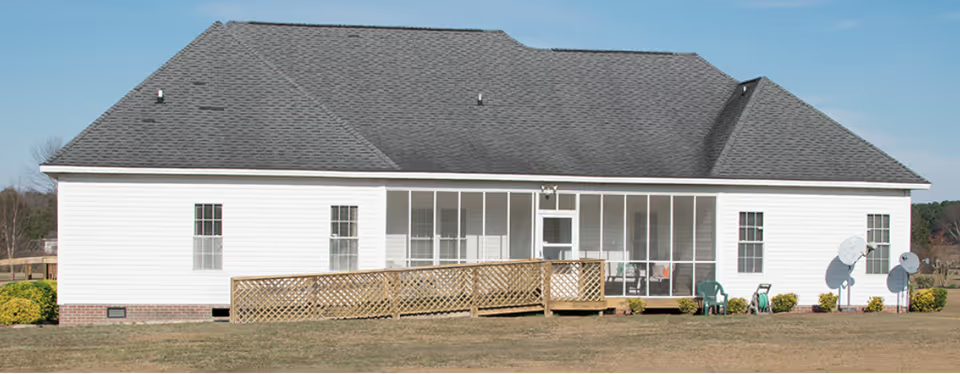
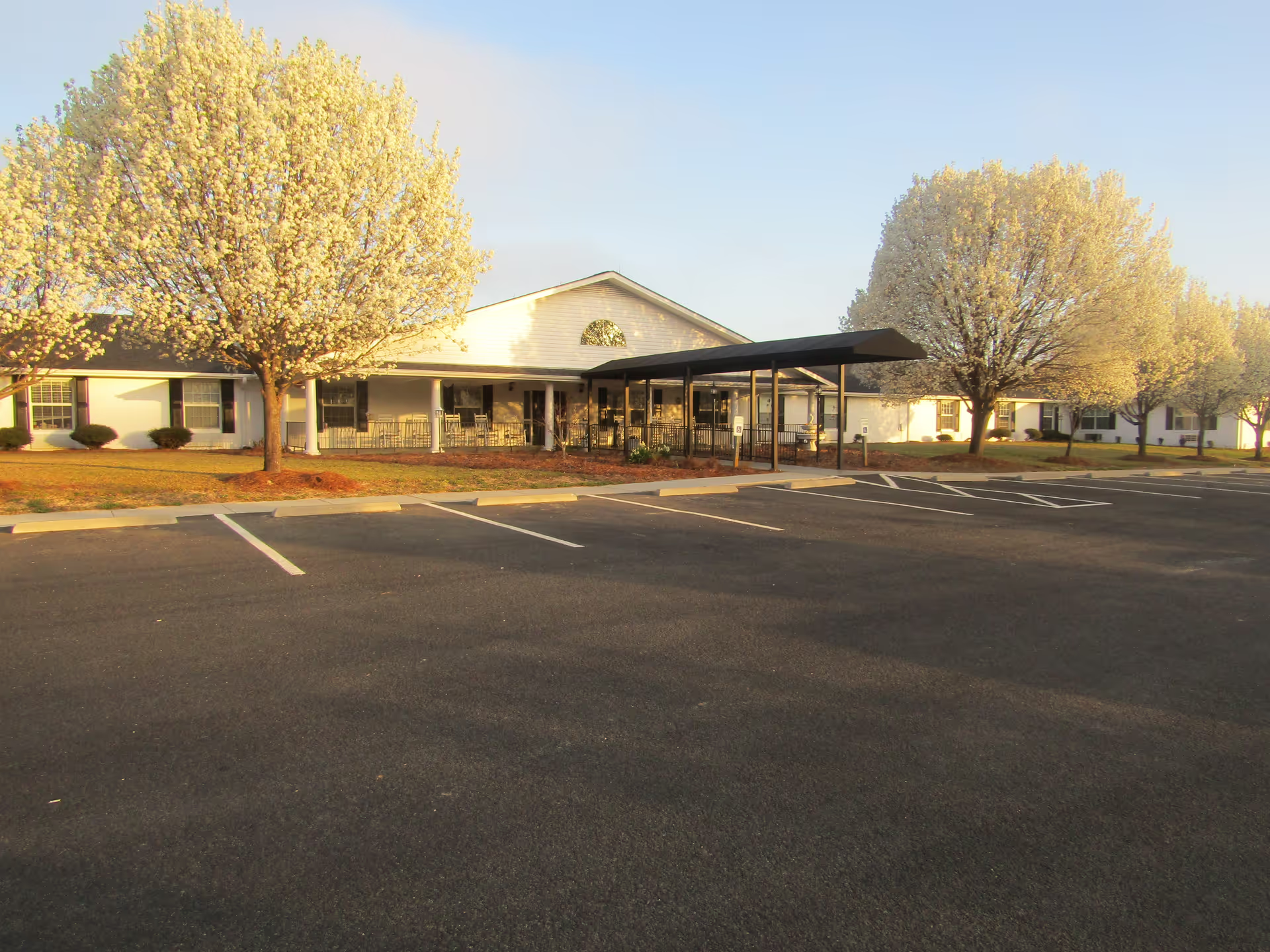
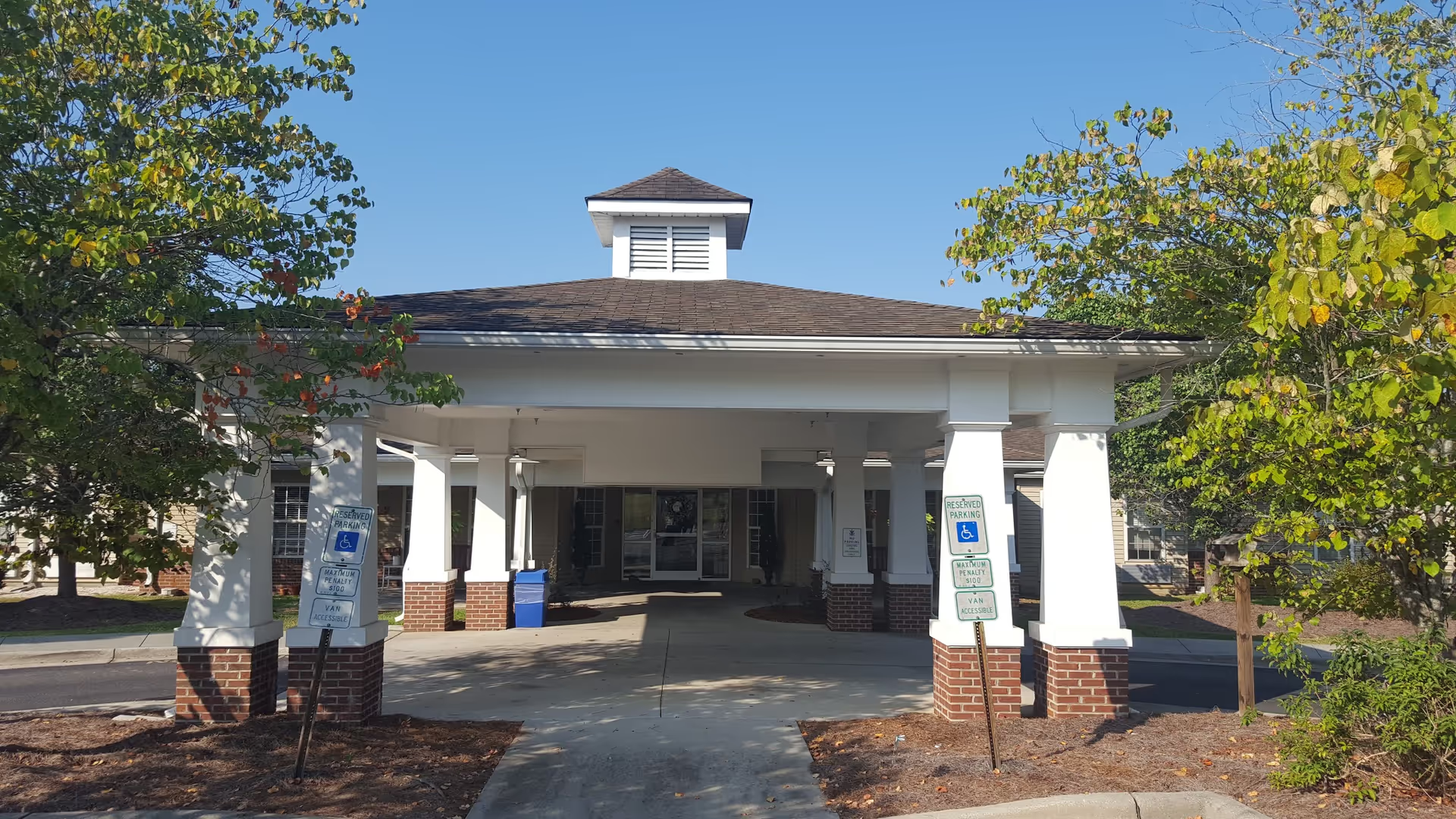
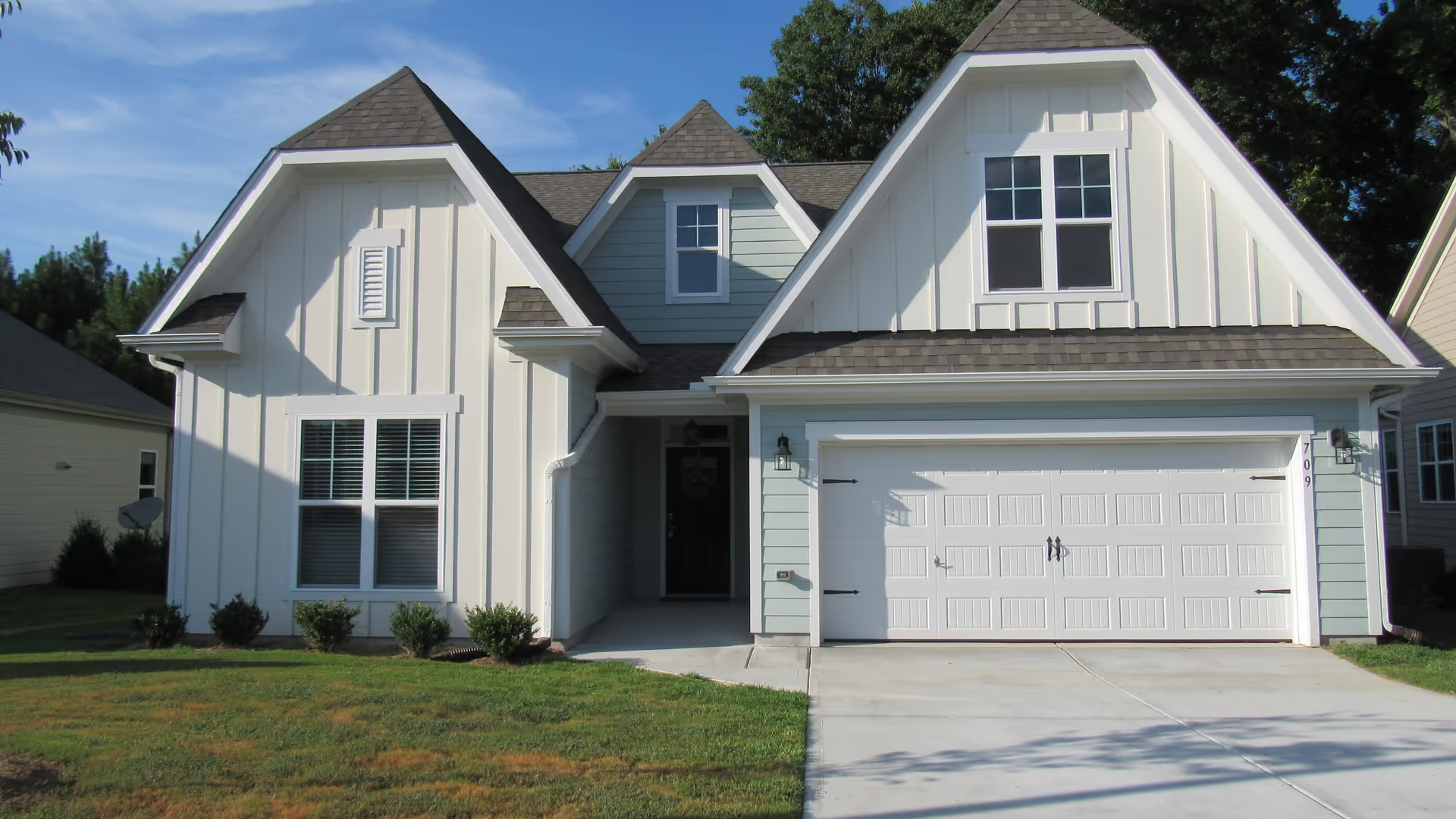
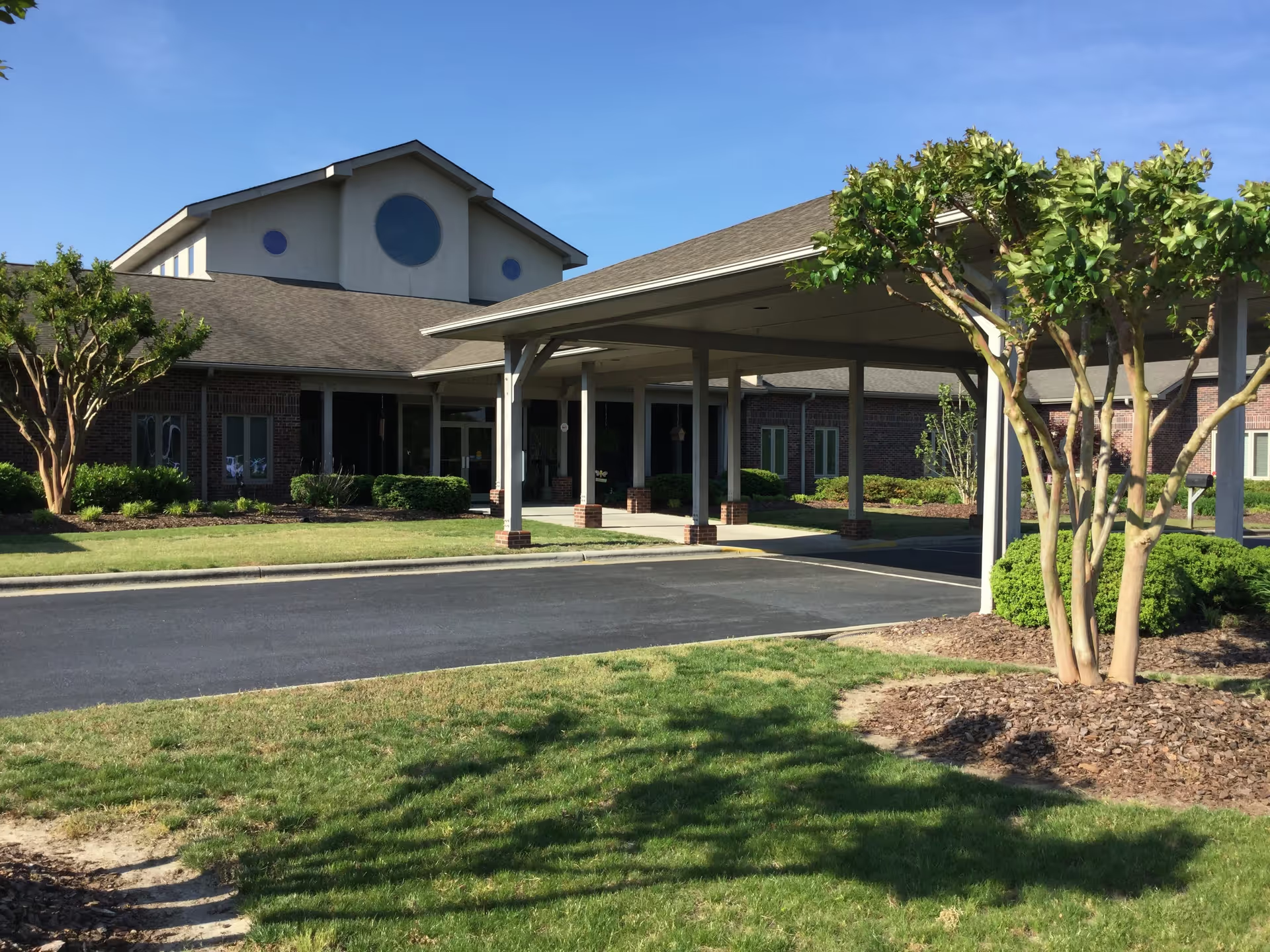
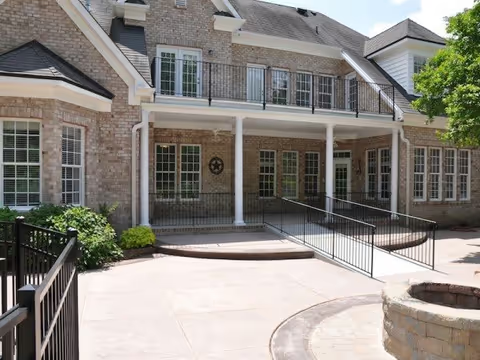
Harmony at Hope Mills is consistently described as a modern, bright, and well‑appointed community with many hotel-like amenities. Reviewers highlight clean, spacious apartments (studio through two‑bedroom) with kitchenettes or small kitchens, abundant common spaces (library, movie theater, salon, dining rooms, activity rooms), on-site therapy and physician visits, and a range of wellness features such as a gym and spa. The campus and its physical design are frequently cited as strengths for families seeking an attractive, activity-rich environment.
Staff and direct care are a mixed but prominent theme. Many family members and residents praise warm, engaged caregivers and specific administrators who provide helpful follow-up and support; staff are often described as friendly, welcoming, and resident-focused. At the same time, there are repeated operational concerns about inconsistent staffing levels, turnover, and uneven performance between shifts. These patterns have been linked to variable outcomes in the memory-care neighborhood, inconsistent assistance with activities of daily living and meals, and delays in clinical follow-up after incidents. Families should ask about current staffing ratios, staff tenure, and supervision in clinical and memory‑care areas when evaluating placement.
Dining and food service are a clear strength in some respects and a weakness in others. The facility offers three meals per day, a bistro with coffee/snacks, formal dining options, and occasions such as cookouts and private dining. Several reviews praise the menu and chef. However, others cite inconsistent meal quality, menu ordering problems, and operational shortcomings in kitchen sanitation and documentation practices. Those issues manifest as missed orders, uneven food preparation, and concerns about food‑service controls. Prospective residents should taste the menu, review dietary accommodations, and ask about kitchen inspection/documentation procedures.
Activities programming is robust: bingo, theater, crafts, outings, movie nights, and holiday events are commonly available and well received. The community supports social engagement and has transportation for outings. A few reviewers noted that outdoor and gardening spaces are not consistently used to their potential, so families seeking active outdoor programming may wish to confirm seasonal activity plans.
Operationally, reviewers raise several governance and management themes. Positive comments about individual leaders and the admissions process coexist with concerns about pricing transparency, unexpected fee increases, and an emphasis on private‑pay placement over Medicaid availability. There are isolated but significant operational criticisms related to hiring practices, morale, and point‑of‑care documentation (for example, kitchen and equipment logs). Families should clarify contract terms, fee schedules, and whether additional charges are likely over time.
Notable patterns to probe during a tour or follow-up calls include: current staffing levels and turnover, memory‑care staffing ratios and clinical oversight, documented kitchen sanitation and food‑safety practices, medication-administration protocols and timing, laundry and housekeeping processes, and financial/Medicaid acceptance policies. In summary, Harmony at Hope Mills offers many physical and programmatic strengths that appeal to families seeking a modern, activity-rich assisted‑living community, but decision‑makers should verify the facility’s current operational controls and staffing stability to ensure those strengths are consistently delivered.