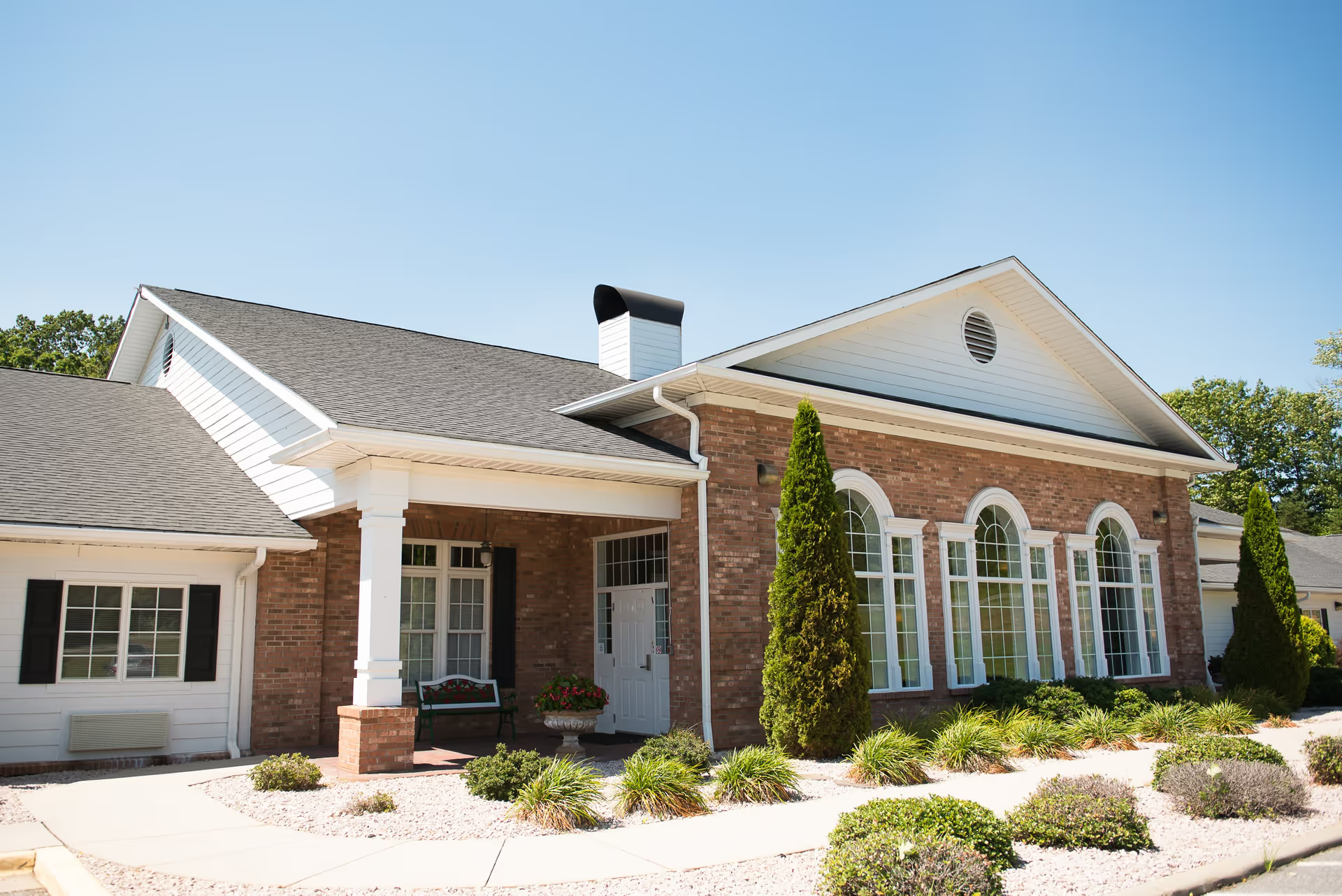
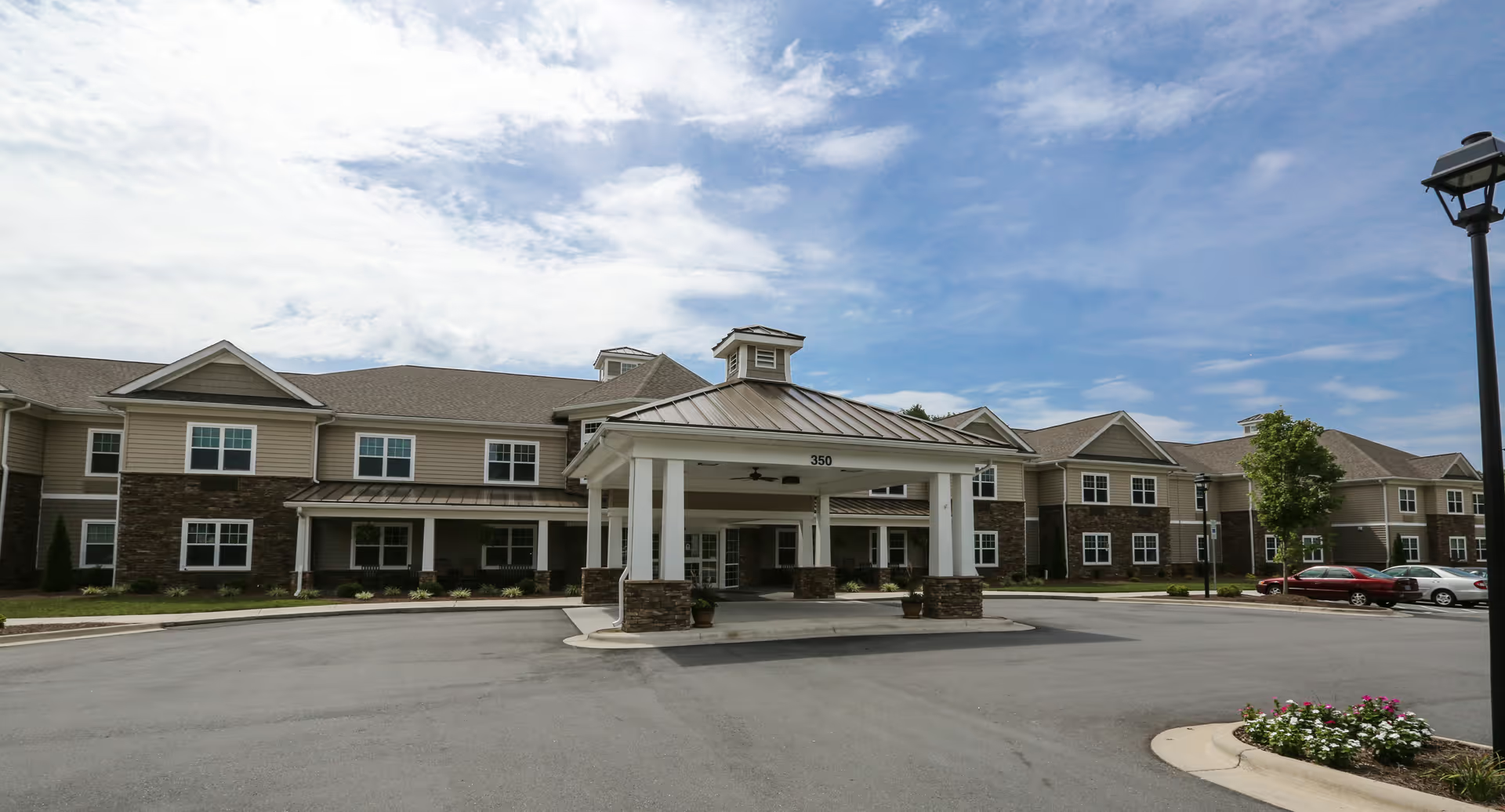
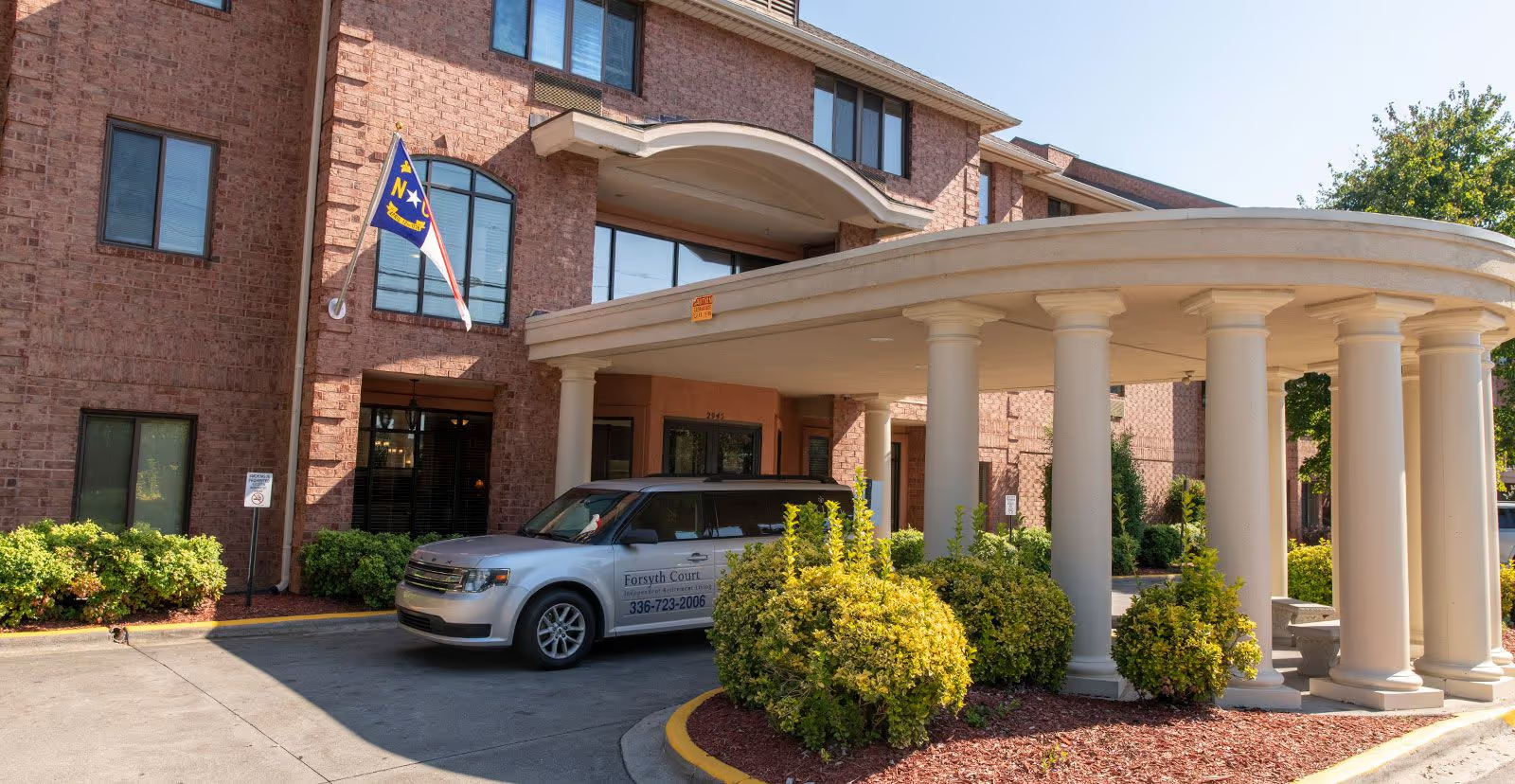
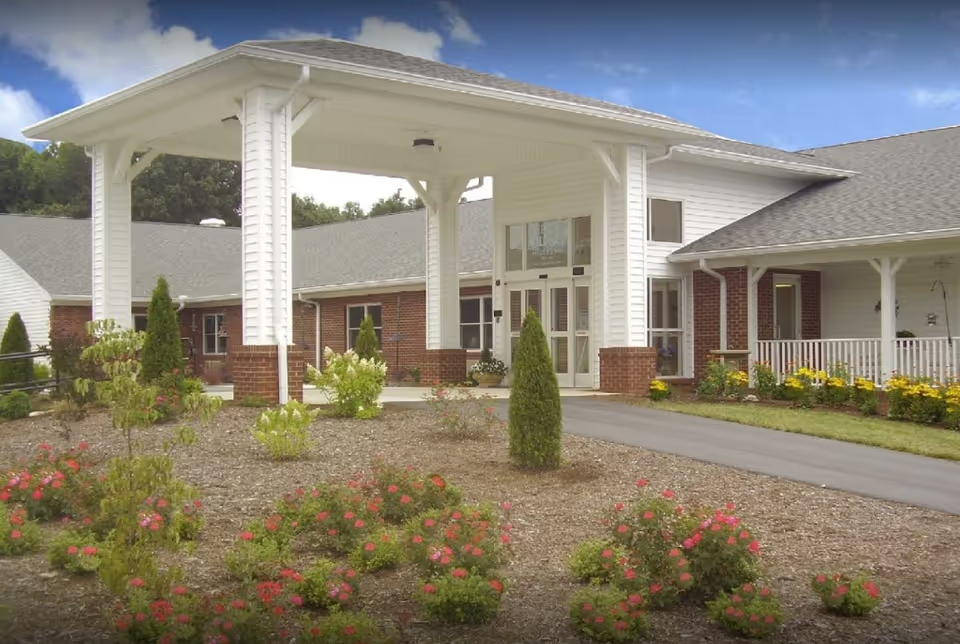
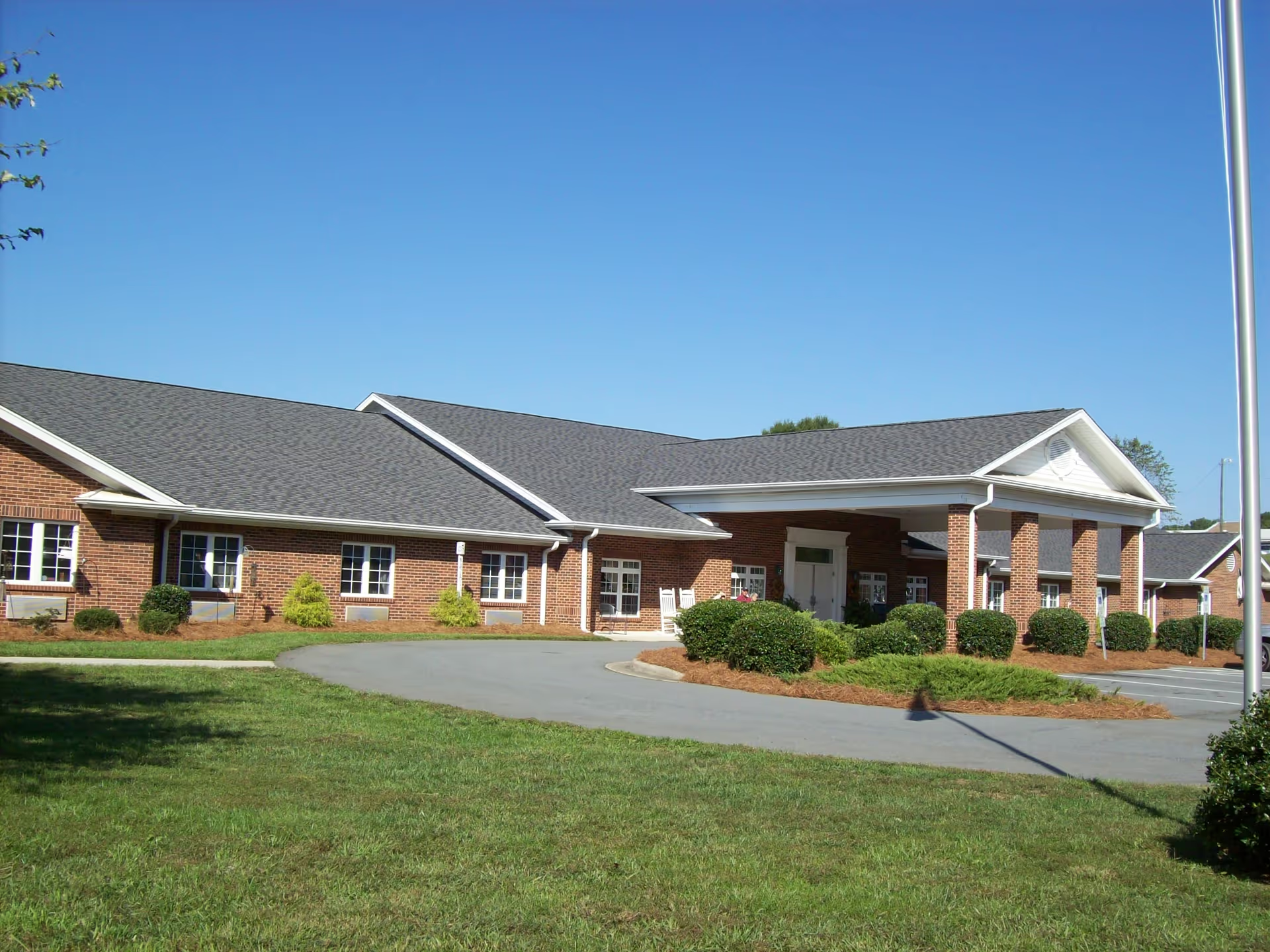
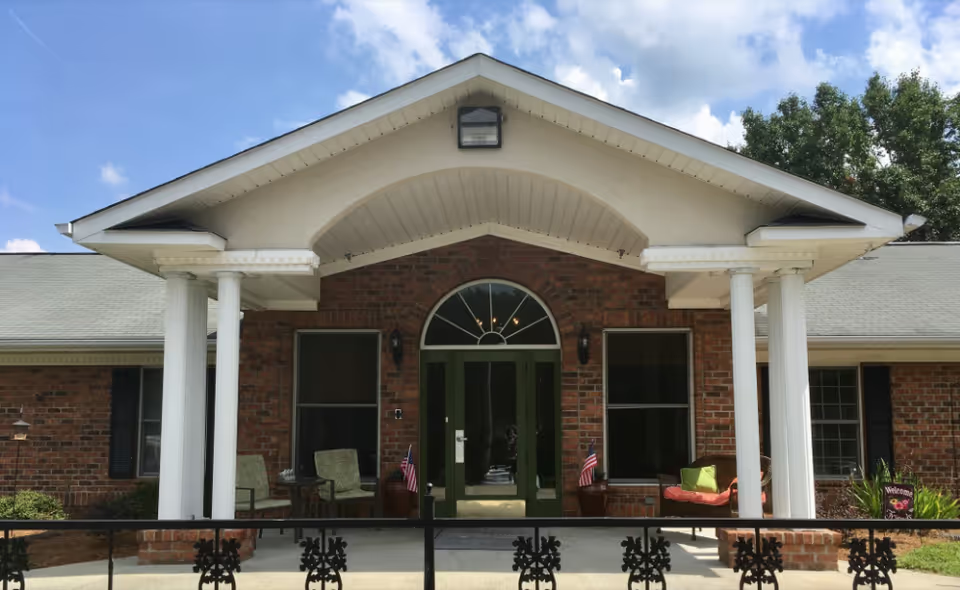
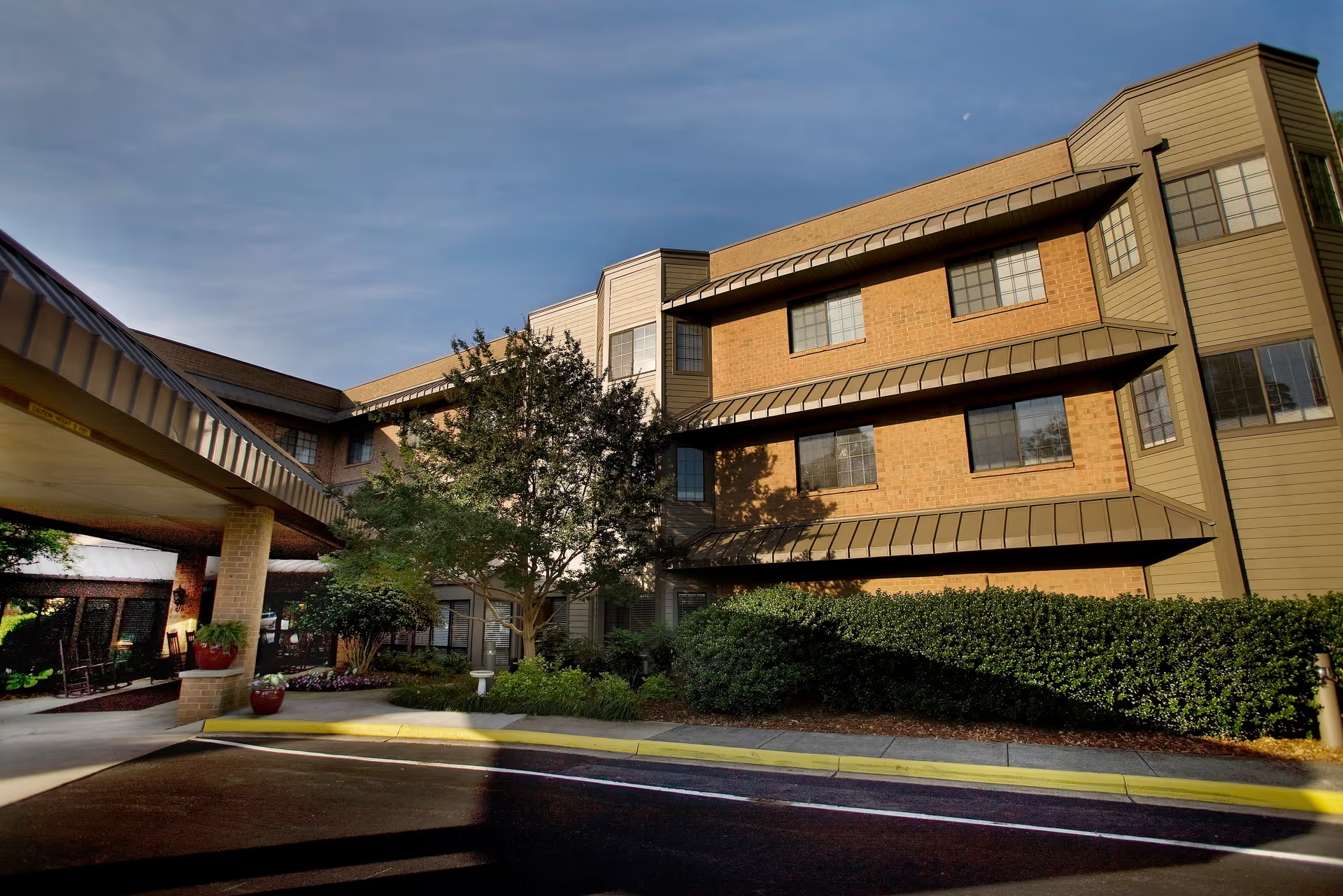
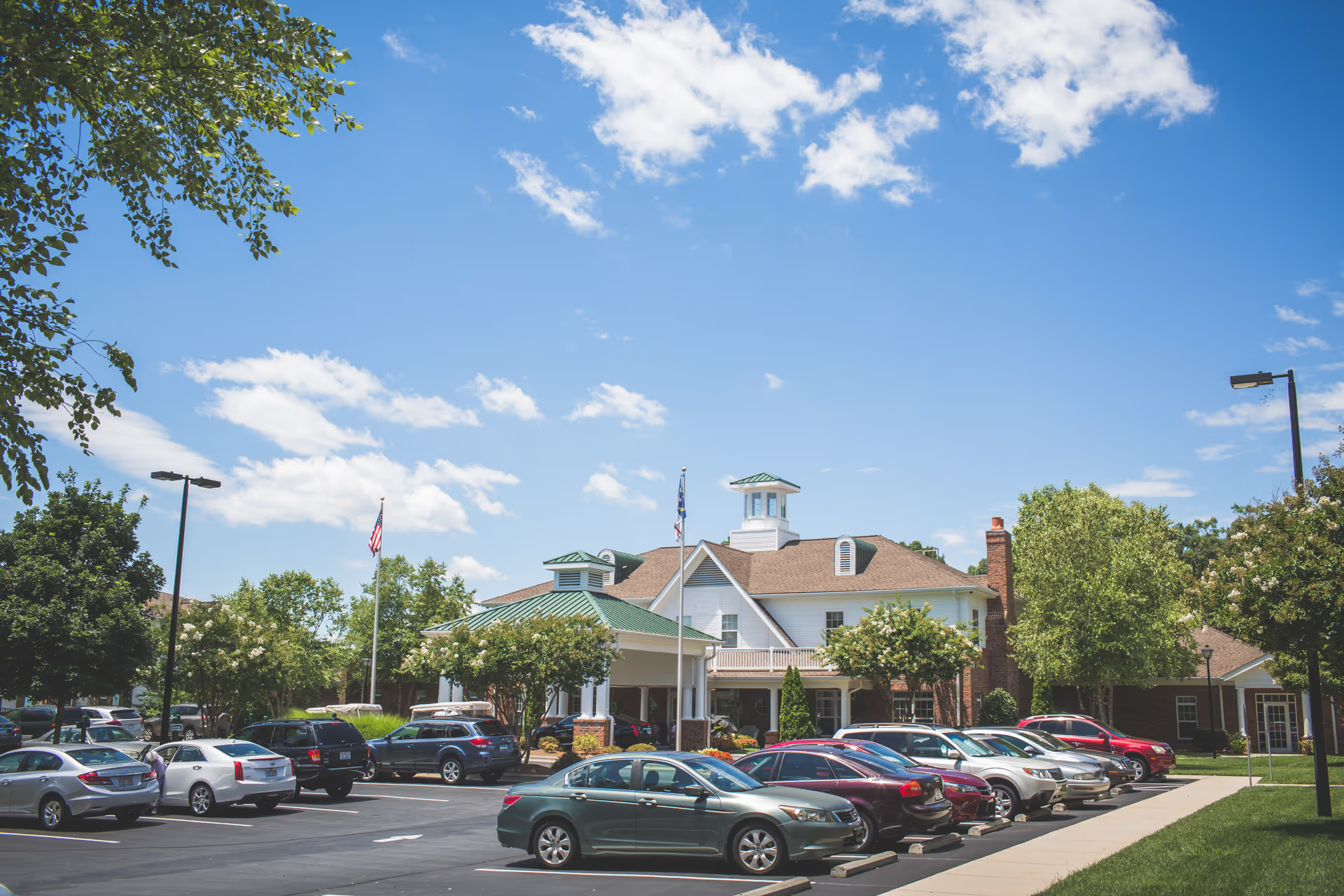
The reviews describe a facility with clear strengths in therapy, activities, and many individual caregiving relationships, alongside recurring operational weaknesses that affect day-to-day resident experience. Positively, multiple accounts praise the rehabilitation team for producing measurable progress, and many families highlight specific nurses and CNAs as compassionate, knowledgeable, and attentive. An active activities program, comfortable private-room options with good natural light, and routine housekeeping are additional strengths that contribute to a welcoming environment in parts of the building.
Care quality appears uneven. Several reviewers described delays in responding to call lights and gaps in assistance for residents who require hands-on help, which creates fall-risk and safety concerns for higher-acuity residents. There are consistent mentions of medication-management and coordination shortfalls, and a number of accounts raise questions about wound-care practices and clinical oversight; one review referenced a serious wound-related concern that warrants attention from clinical leadership and, if appropriate, external review. Incontinence-care delays and inconsistencies in hygiene maintenance were also noted, contributing to family concerns about basic daily care.
Dining and amenities are mixed. Some families reported positive meal experiences and improved appetite during rehab, while others described declines in food quality and failures to accommodate prescribed diets. Equipment and environmental maintenance issues — for example broken ice machines, delayed linen changes, and intermittent building-odor problems — were cited and tie into broader sanitation and odor concerns reported in parts of the facility. Mail handling and personal-belongings management were other operational areas with noted deficiencies.
Staffing and management practices are a central pattern. Reviewers frequently described staffing shortages, high CNA turnover, and a strained workforce that appears to drive many of the service inconsistencies. Communication and follow-up from administrative staff were described as uneven: some families reported visible, engaged leadership and helpful admissions/tour staff, while others experienced difficulty reaching the nurses' station, lack of follow-up, or perceived gaps in accountability. These mixed reports suggest variability in leadership visibility and consistency across shifts or units.
For prospective residents and families: the facility offers strong rehabilitation and an active social program, and many families experienced compassionate, effective care from individual staff members. At the same time, there are recurring operational concerns — particularly around staffing levels, call response times, medication and wound-care coordination, sanitation in some areas, and administrative communication — that should be explored during a visit. Recommended steps before placement include asking for unit-level staffing ratios, observing call-light response times during a tour, requesting documentation of wound- and medication-management protocols, and clarifying procedures for mail, valuables, and end-of-life accommodations.