Reviews of Lenoir Health & Rehabilitation Center present a mixed picture with distinct strengths in rehabilitation and activities alongside recurring operational concerns. Many families and former residents describe positive clinical outcomes in therapy, effective physician oversight, and strong post-operative recoveries. The activities department is consistently cited as a strength: an organized program, engaged leadership, and staff who facilitate meaningful resident participation and family involvement.
Care quality shows considerable variability. On the positive side, therapy and some clinical teams are characterized as knowledgeable, goal-oriented, and effective in achieving functional improvements. Conversely, reviewers describe systemic staffing shortfalls that manifest as delays in assistance (for transfers, bathing and toileting, and medication delivery) and uneven attention to daily living needs. These service delays are linked in reviews to increased risk for complications such as urinary tract issues and other infection-related concerns, and to family anxiety about clinical responsiveness.
Staff and communication portray a split experience. Numerous comments praise compassionate CNAs, welcoming front-desk personnel, and staff members who go beyond expectations to support residents. At the same time, families report inconsistent responsiveness, difficulty obtaining timely updates, and failures in notification when higher-level care or hospitalization was required. Several reviews reference broken promises by leadership or unresolved complaints, and there are mentions of regulatory-level complaints and allegations of serious clinical incidents that prospective families should investigate further.
Dining and activities are similarly uneven. The activities program is frequently described as a standout feature—engaging events, personalized attention from activity leadership, and high resident participation. Food service received mixed feedback: some reviewers found meals acceptable or good, while others experienced late, cold, or inconsistently timed meal service. Prospective families may want to observe a meal period and ask about kitchen staffing and meal-delivery protocols.
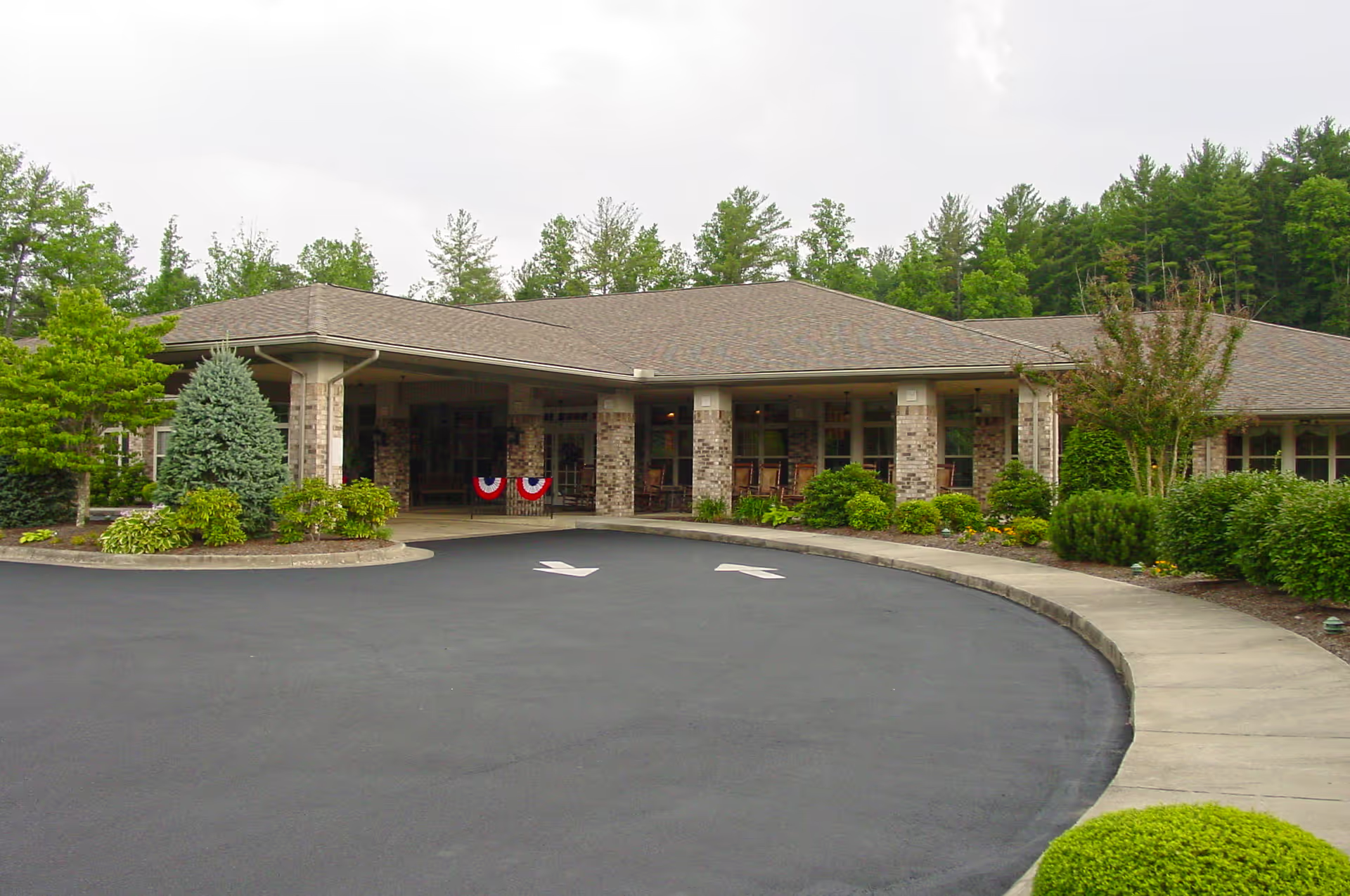
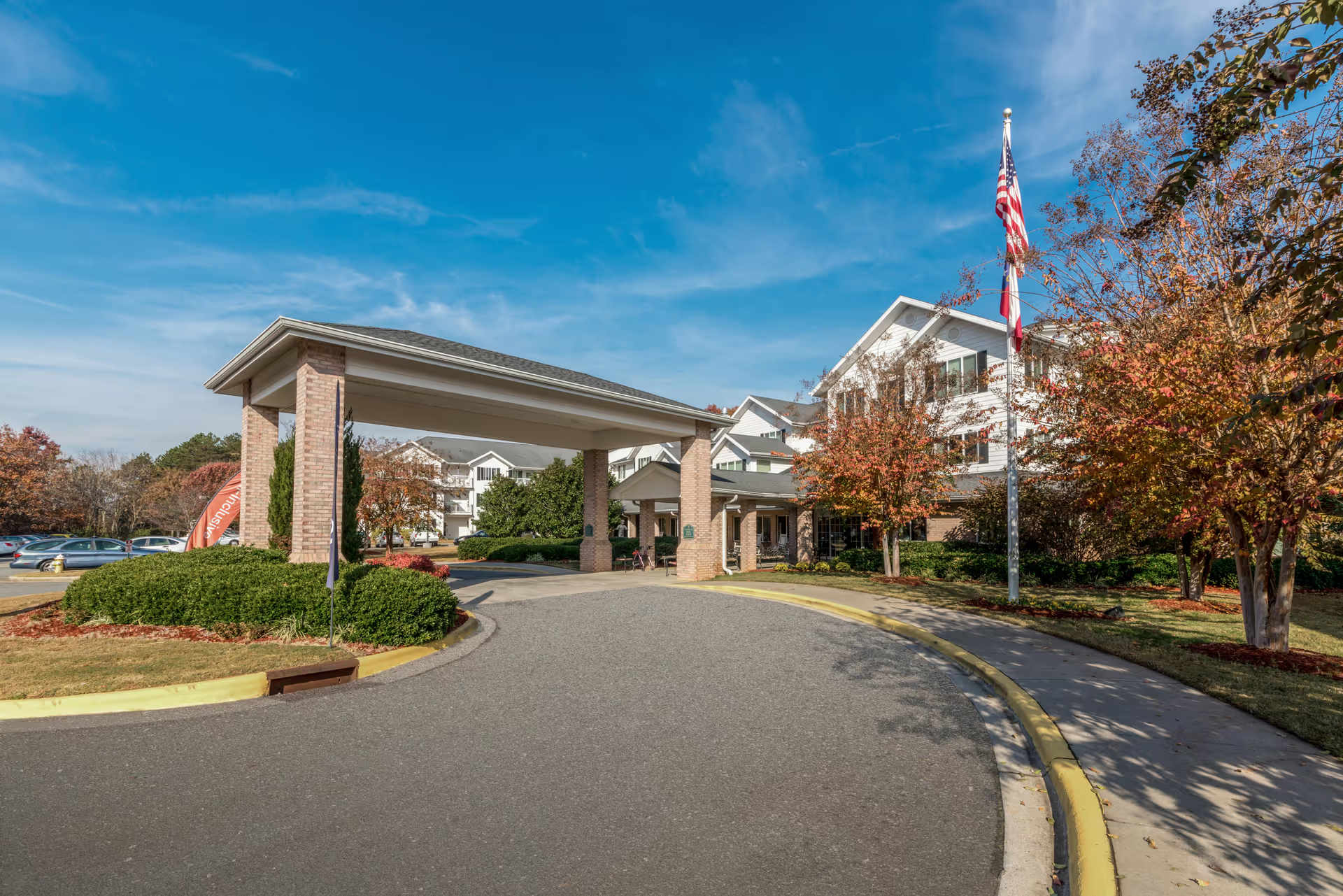
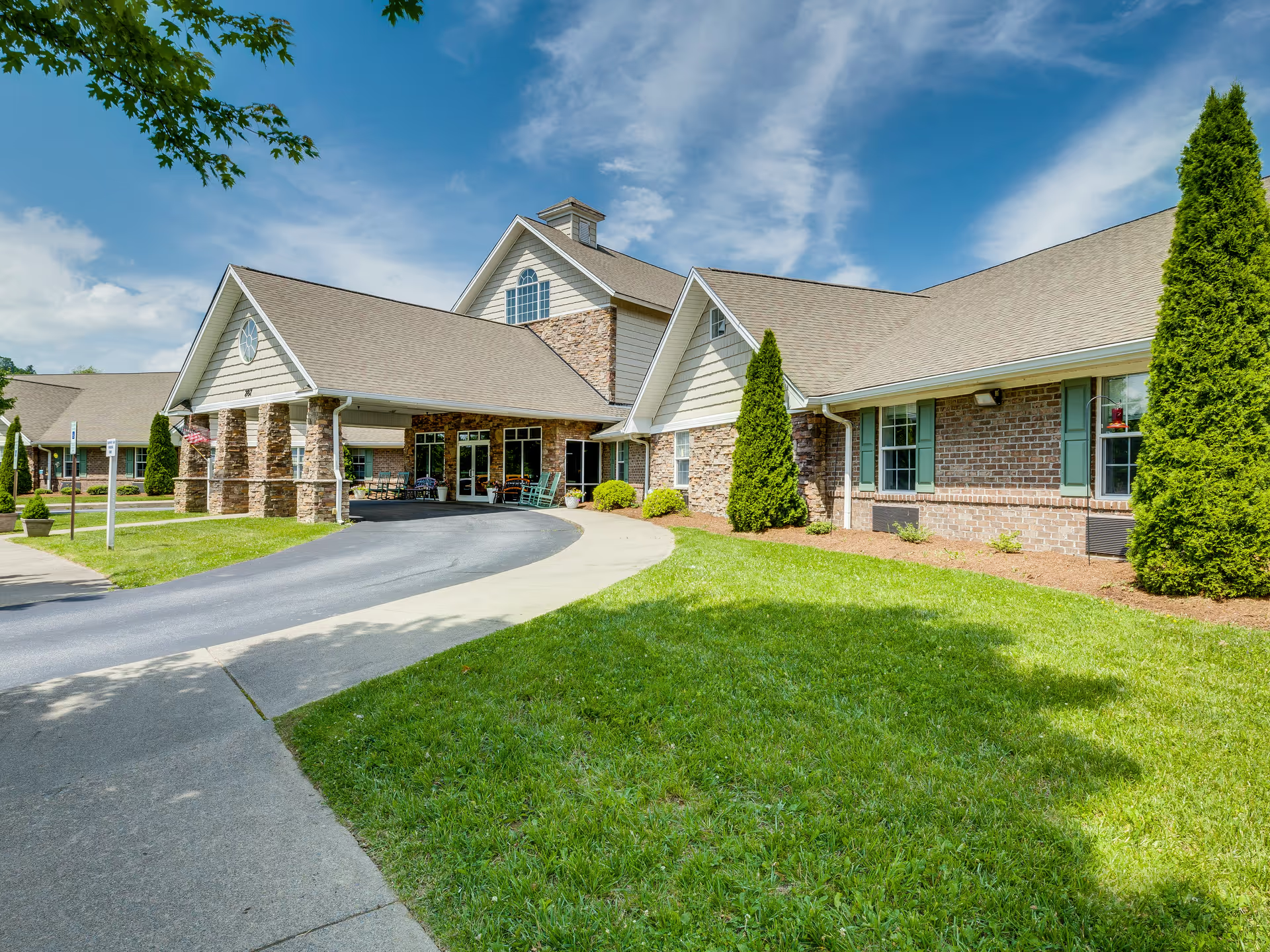
Facility condition and maintenance feedback is mixed. The campus exterior and certain public spaces are noted as pleasant, and maintenance staff have been credited with resolving issues for some families. However, there are repeated sanitation and housekeeping concerns in resident rooms and common areas, alongside specific maintenance and safety hazards (for example, door mechanisms, ceiling/water damage, obstructed corridors, and exterior walkway issues). Laundry management and missing personal items are additional operational weaknesses cited.
Management and overall trends: several reviewers note positive change under new leadership and improved attention to dignity and responsiveness. Yet, persistent themes—staffing shortages, inconsistent housekeeping, lapses in family communication, and variable staff performance by shift—appear across reviews. There are also references to regulatory complaints and allegations of serious incidents; these items warrant direct inquiry during a tour or by checking state inspection records.
Recommendations for prospective residents and families: schedule a visit during different times of day (including evenings and mealtimes), ask for current staffing ratios and therapy success metrics, review recent inspection reports and any regulatory actions, clarify laundry and lost-item procedures, and request the facility’s protocols for family notification and emergency response. Given the mix of strong rehabilitative services and recurring operational concerns, decision-making will benefit from targeted questions and an on-site assessment of the areas most important to your loved one.