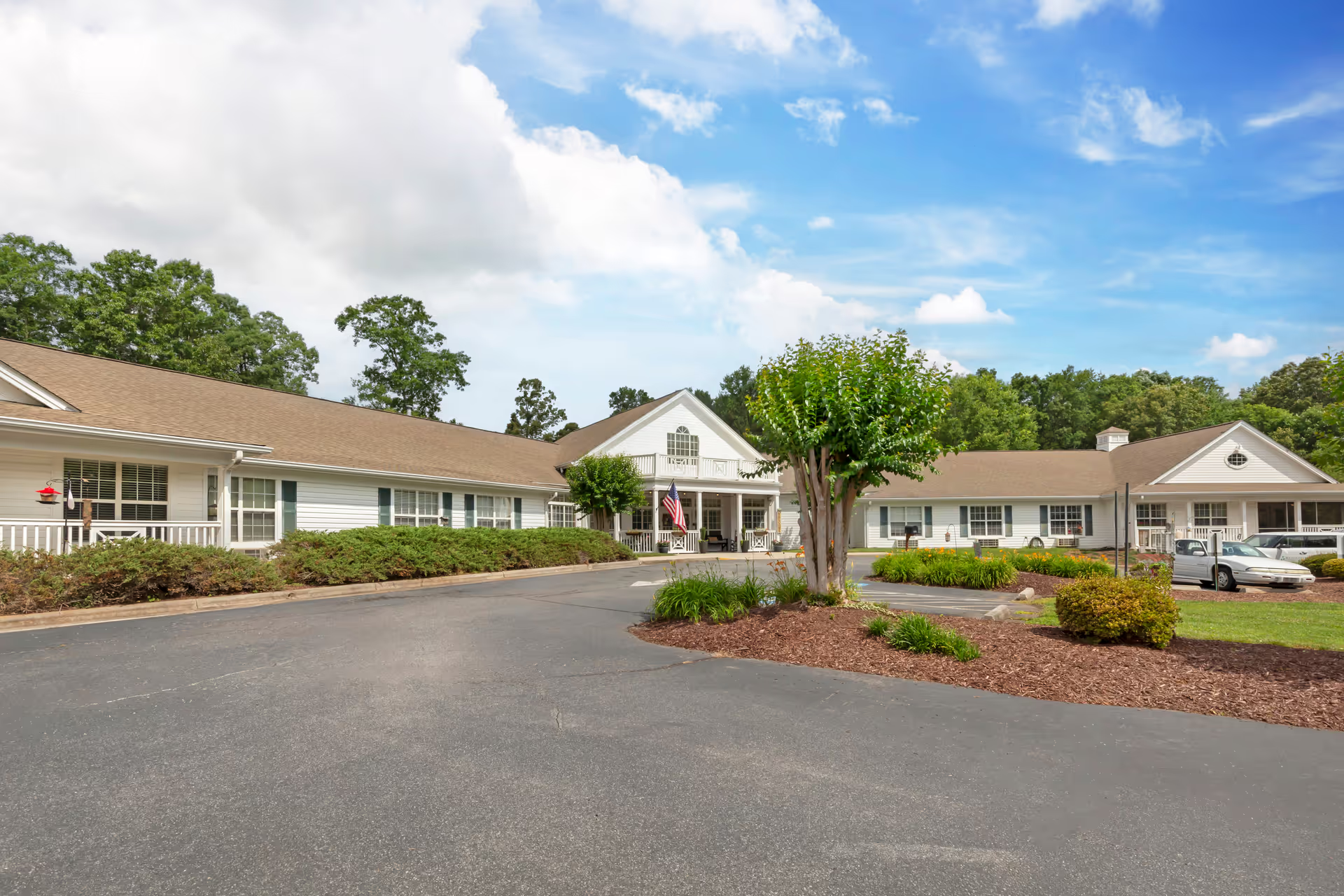
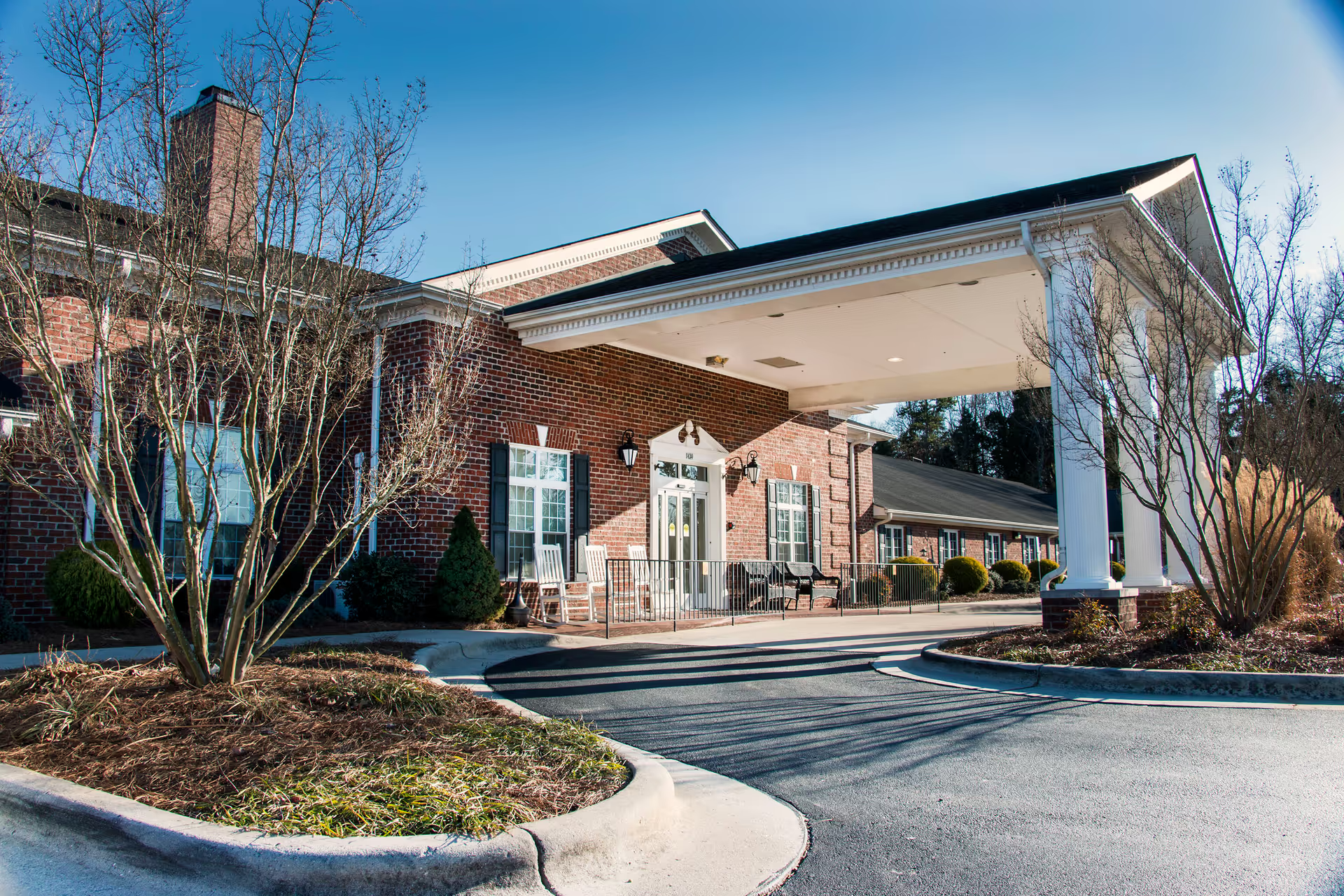
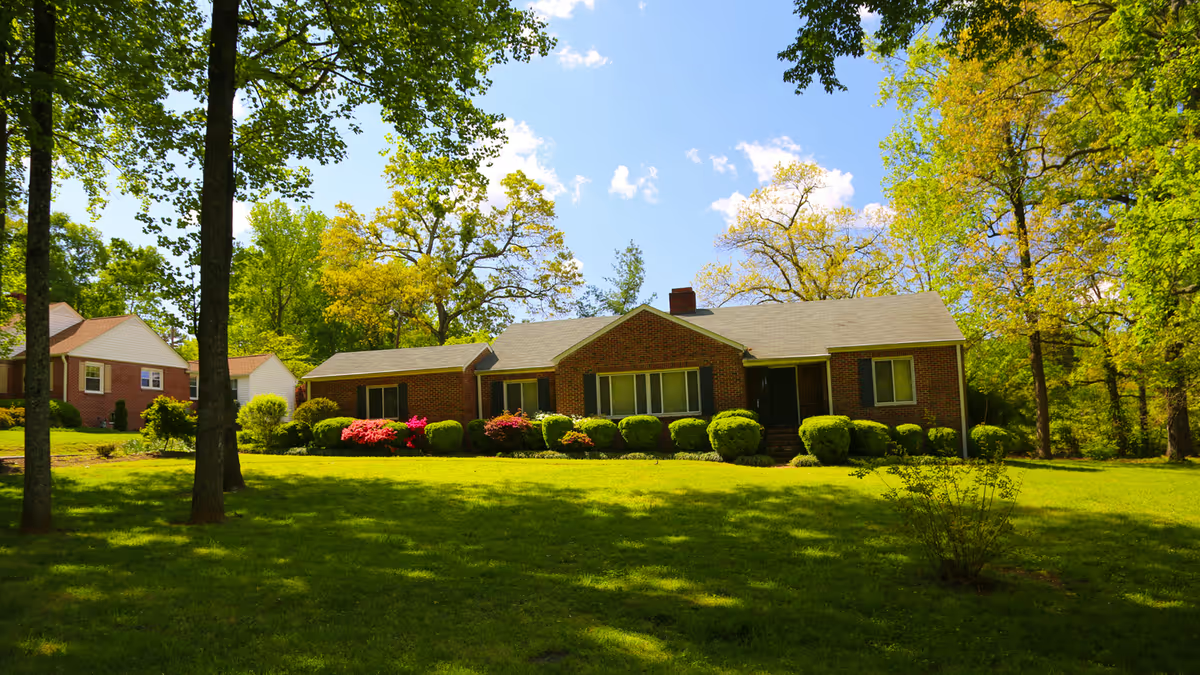
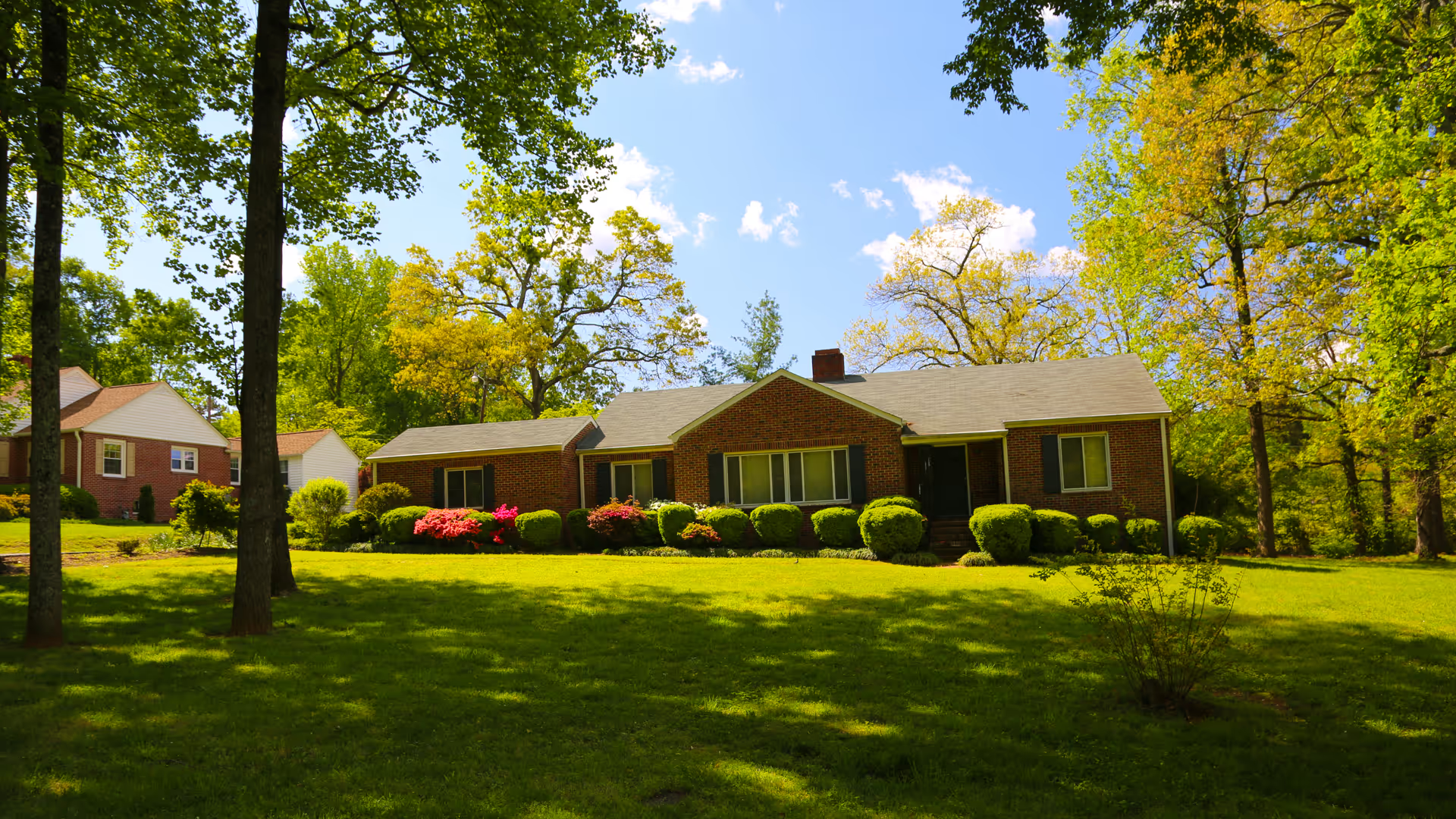
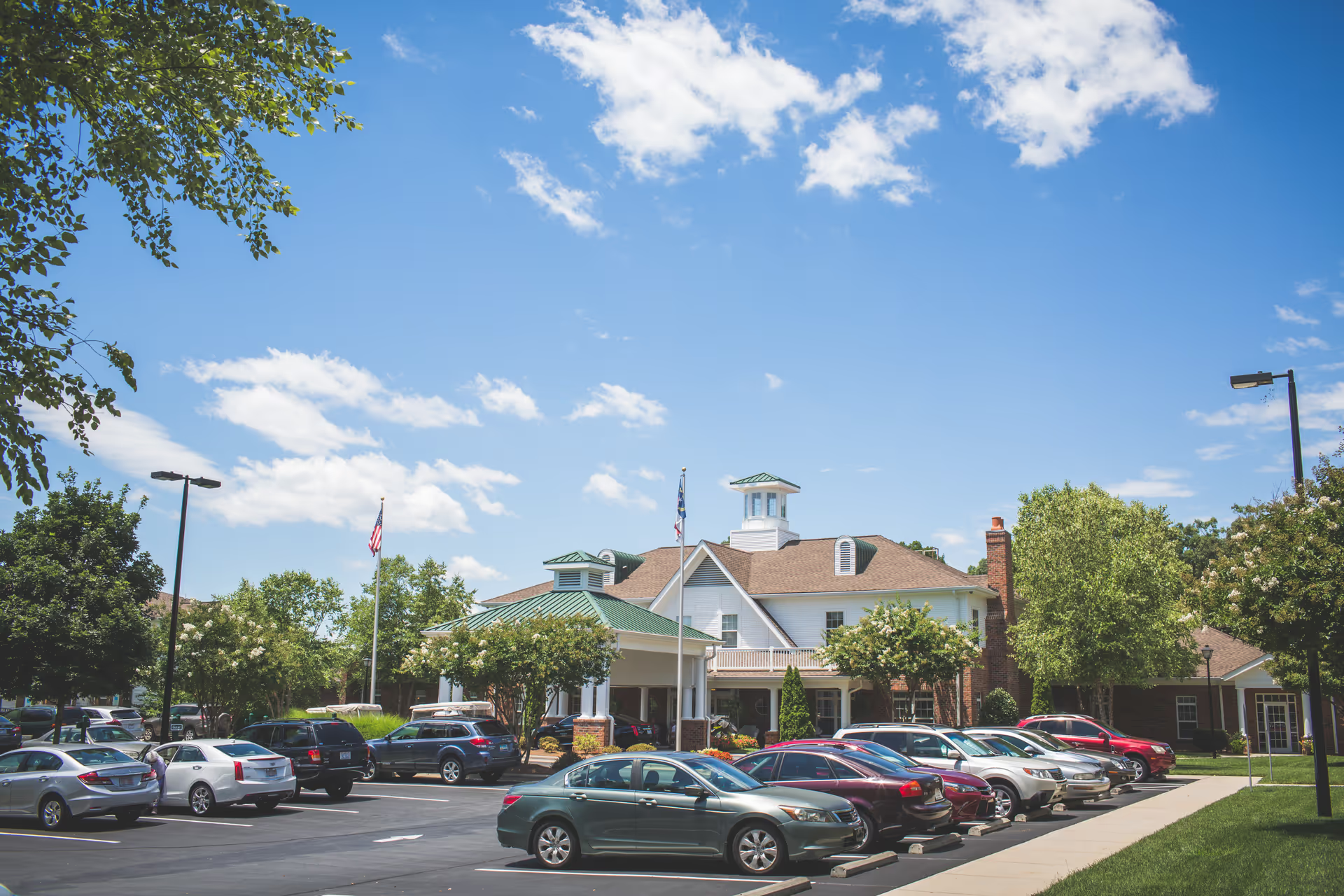
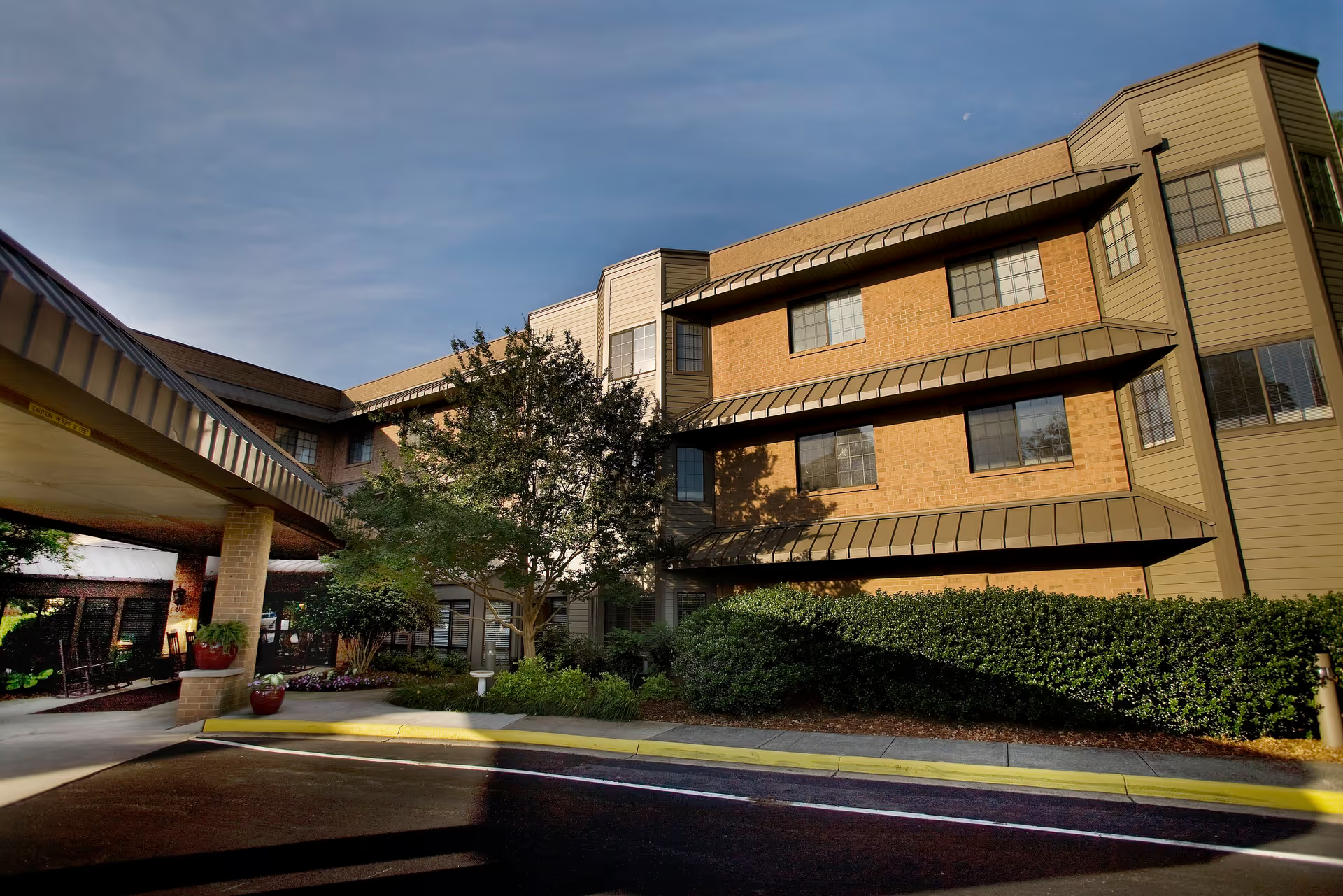
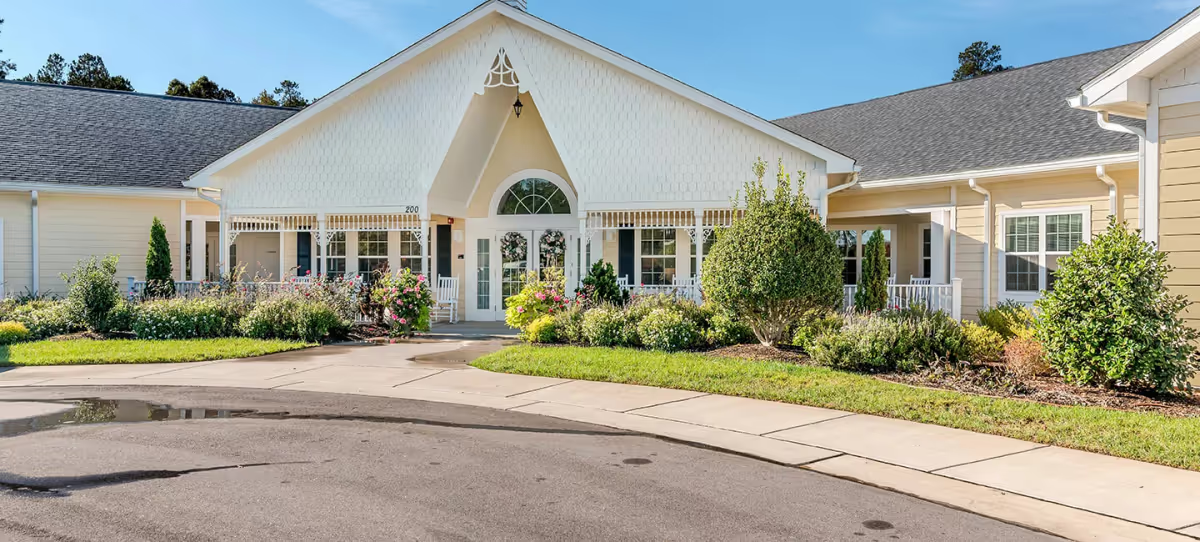
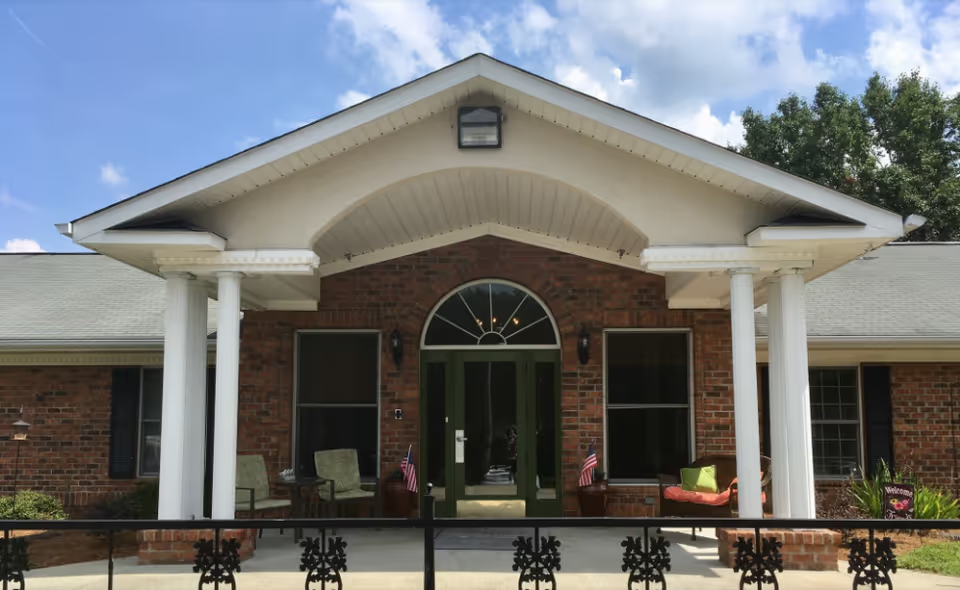
Abbotts Creek Center presents a mixed but coherent pattern: many families and visitors describe a clean, well-maintained, and home-like environment with a visible commitment to rehabilitation and social engagement, while others raise operational concerns that relate to consistency of care and communication. Positive feedback centers on attentive CNAs and nursing staff, responsive therapy teams, and a small, family-oriented atmosphere that some relatives found comforting. The facility’s grounds, common areas, and rooms are frequently described as clean and orderly, and social offerings such as activities, bingo, and movies are in evidence.
Care quality shows meaningful variation. Numerous accounts praise effective rehab outcomes, helpful therapy staff, coordinated admissions/discharge, and on-site clinical support. Conversely, several families reported lapses in clinical follow-through — for example, delayed wound or bandage attention, inconsistent monitoring for infection, and therapeutic services that did not always meet initially communicated frequencies. There are also patterns of delayed or inconsistent escalation when urgent situations arise; these are framed by reviewers as delays in emergency response or call-button responsiveness rather than as isolated paperwork issues.
Staff and interpersonal dynamics are a strong plus for many reviewers but uneven overall. Many describe compassionate, professional, and dedicated caregivers who go above and beyond, and leadership is occasionally singled out as supportive and communicative. At the same time, other families describe variability in staff tone and professionalism, with some instances of perceived defensive management or poor staff–family communication. Staffing variability — including reliance on part-time or supplemental personnel — emerges as an operational factor that likely contributes to these inconsistencies.
Dining and activities generally receive favorable remarks: meals are often described as good and there is an on-site dietician, while daily programming supports social interaction. However, meal quality and consistency are variable across accounts. Facility-level attributes such as maintenance responsiveness, transportation services, and a peaceful rural setting are frequently highlighted as positives.
Notable patterns for prospective residents and families to consider are the disparity between consistently positive experiences (clean environment, strong rehab services, many compassionate staff) and recurring operational gaps (communication, call-response times, clinical follow-through, and transfer/fall-safety practices). A prudent approach when evaluating the facility is to tour in person, ask for current staffing ratios, review written care and therapy schedules, verify wound- and infection-management protocols, inquire about average call-button response times and emergency escalation procedures, and request the facility’s most recent quality/survey information. These targeted questions can help assess whether the facility’s strengths align with a prospective resident’s clinical and social needs and whether the areas of variability have been addressed.