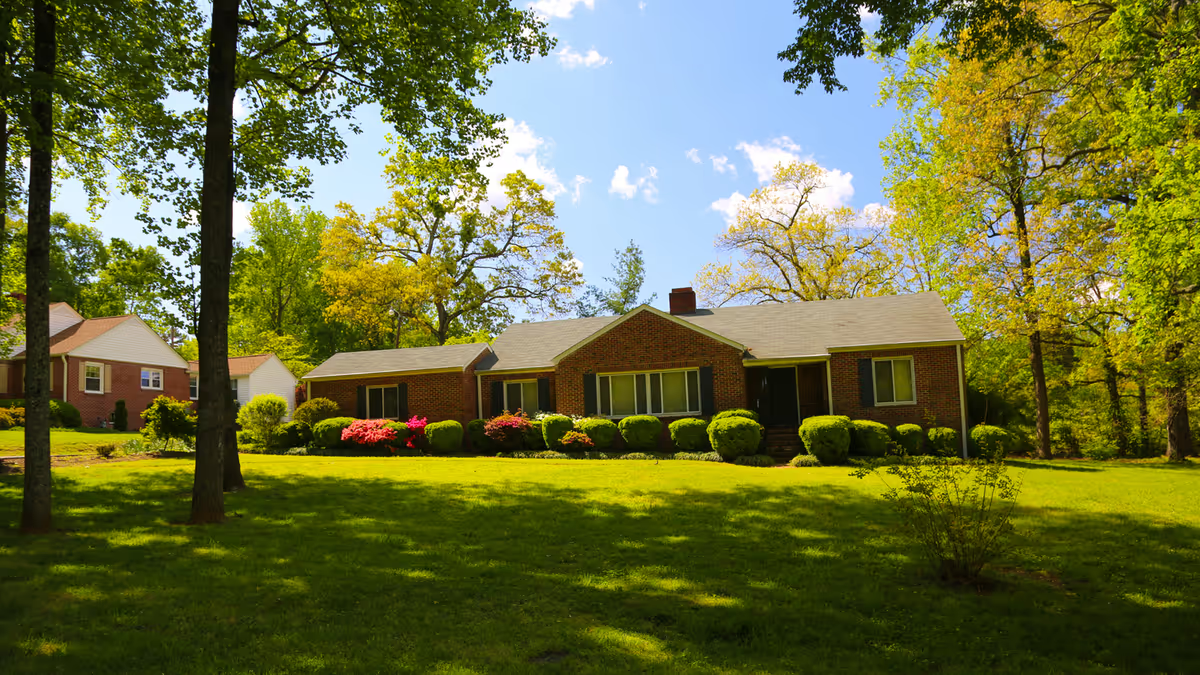
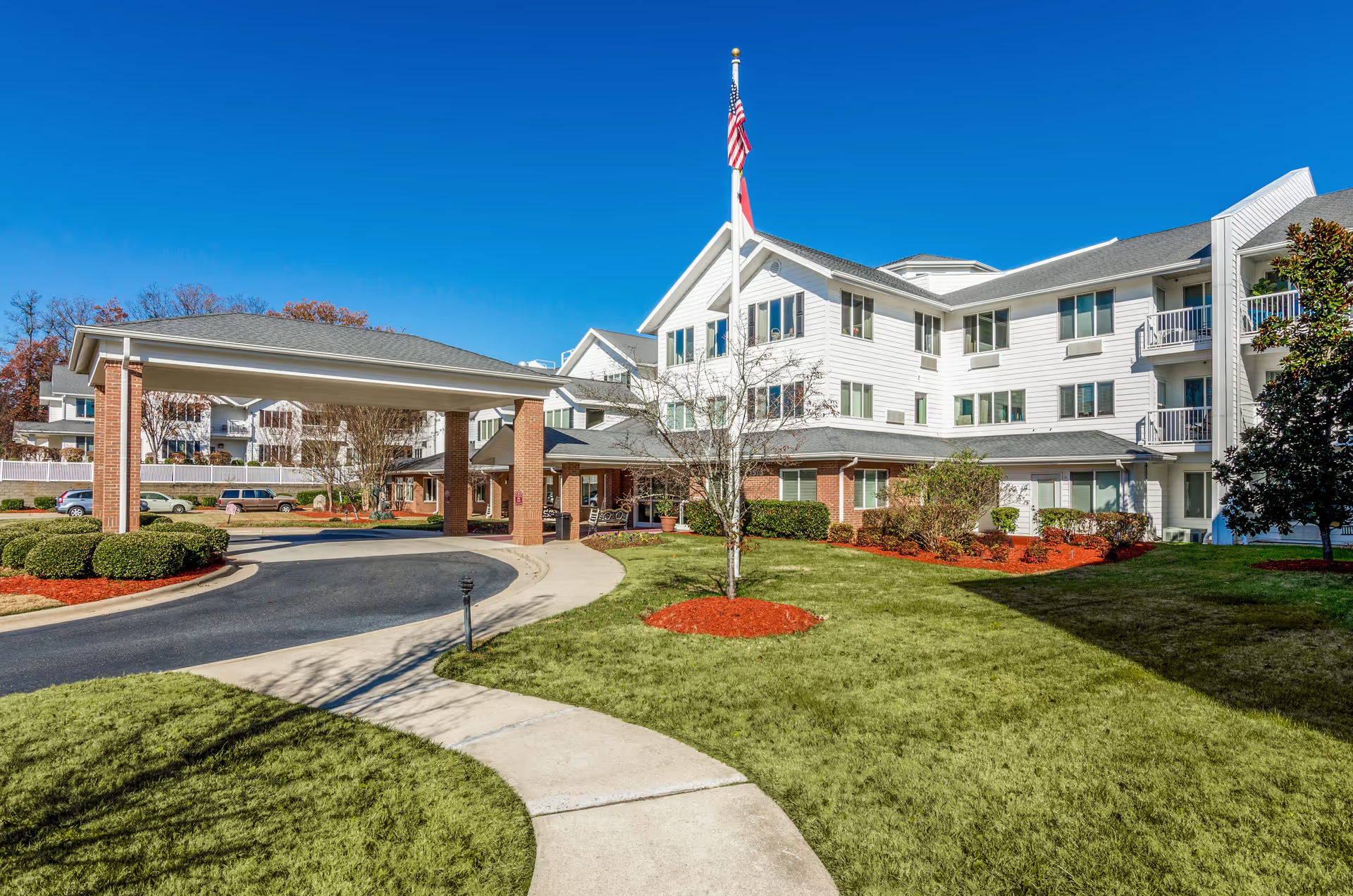
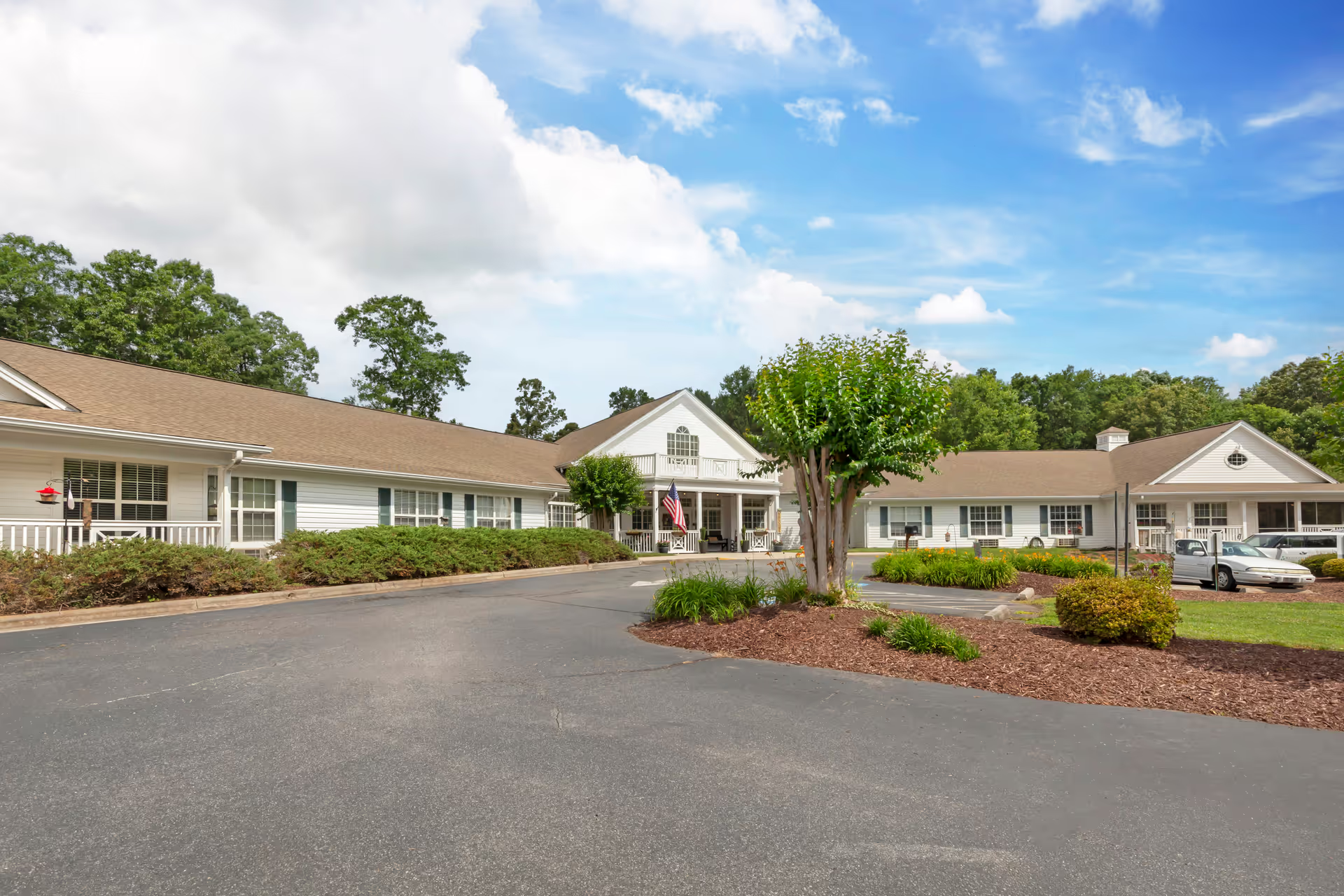
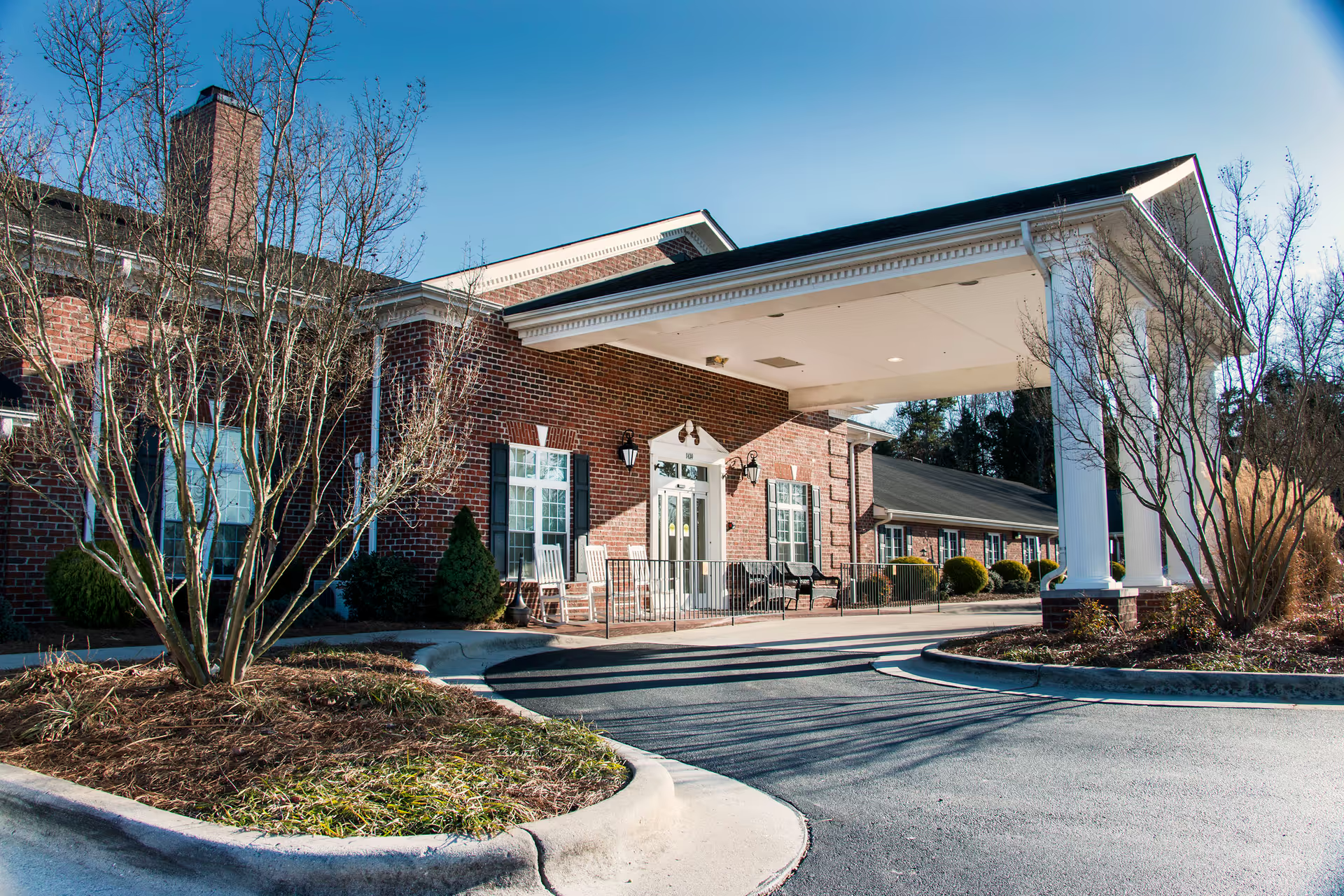
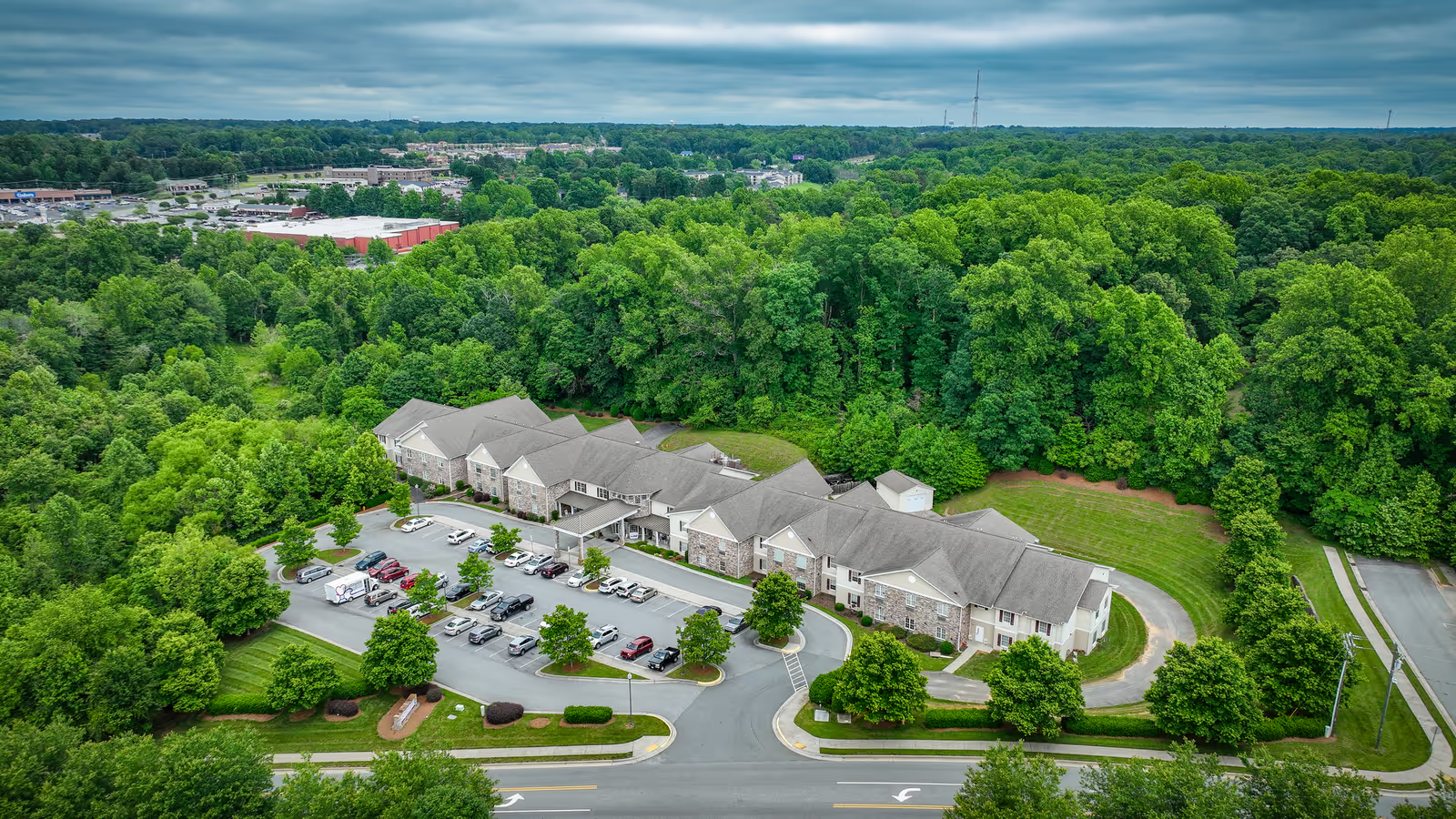
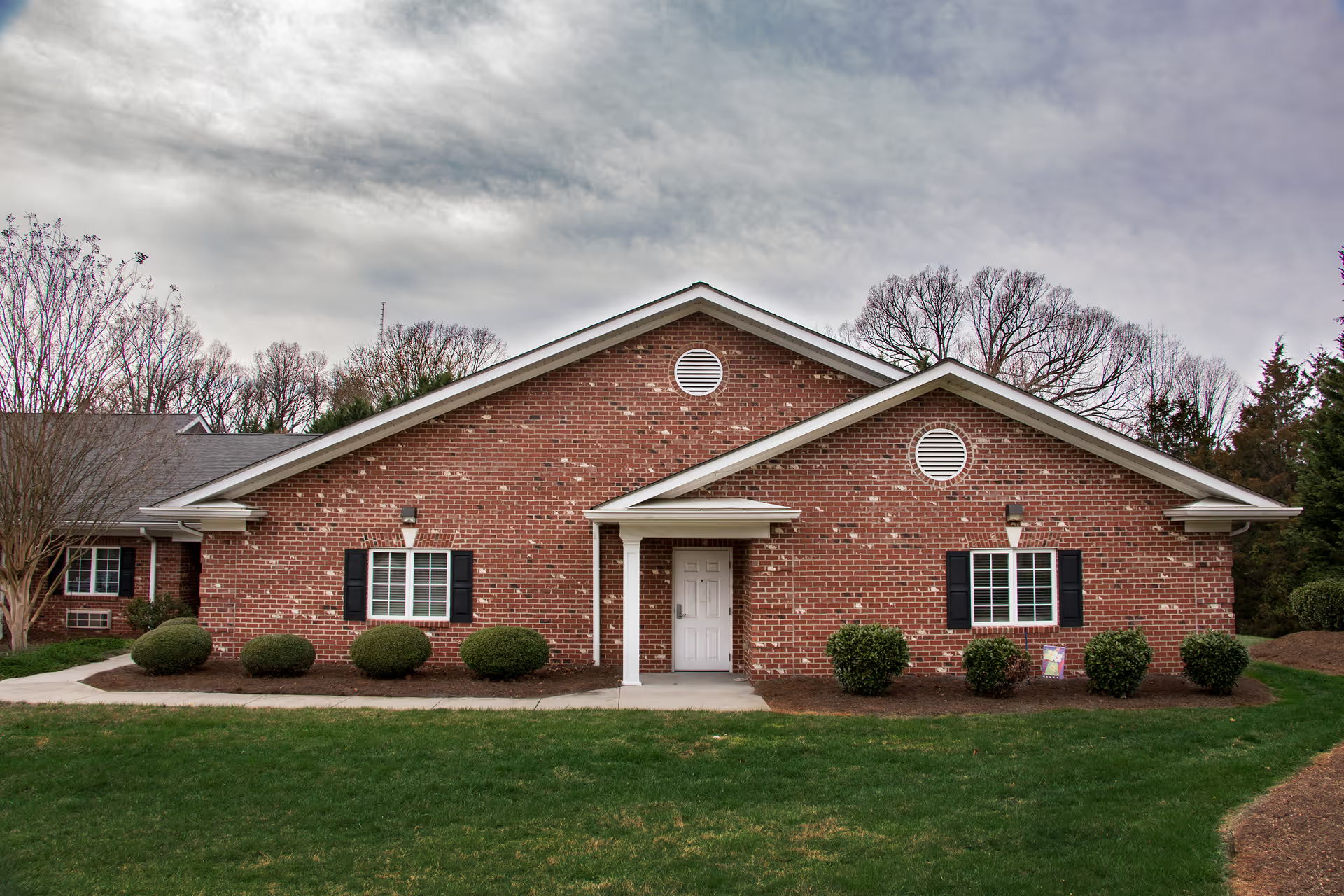
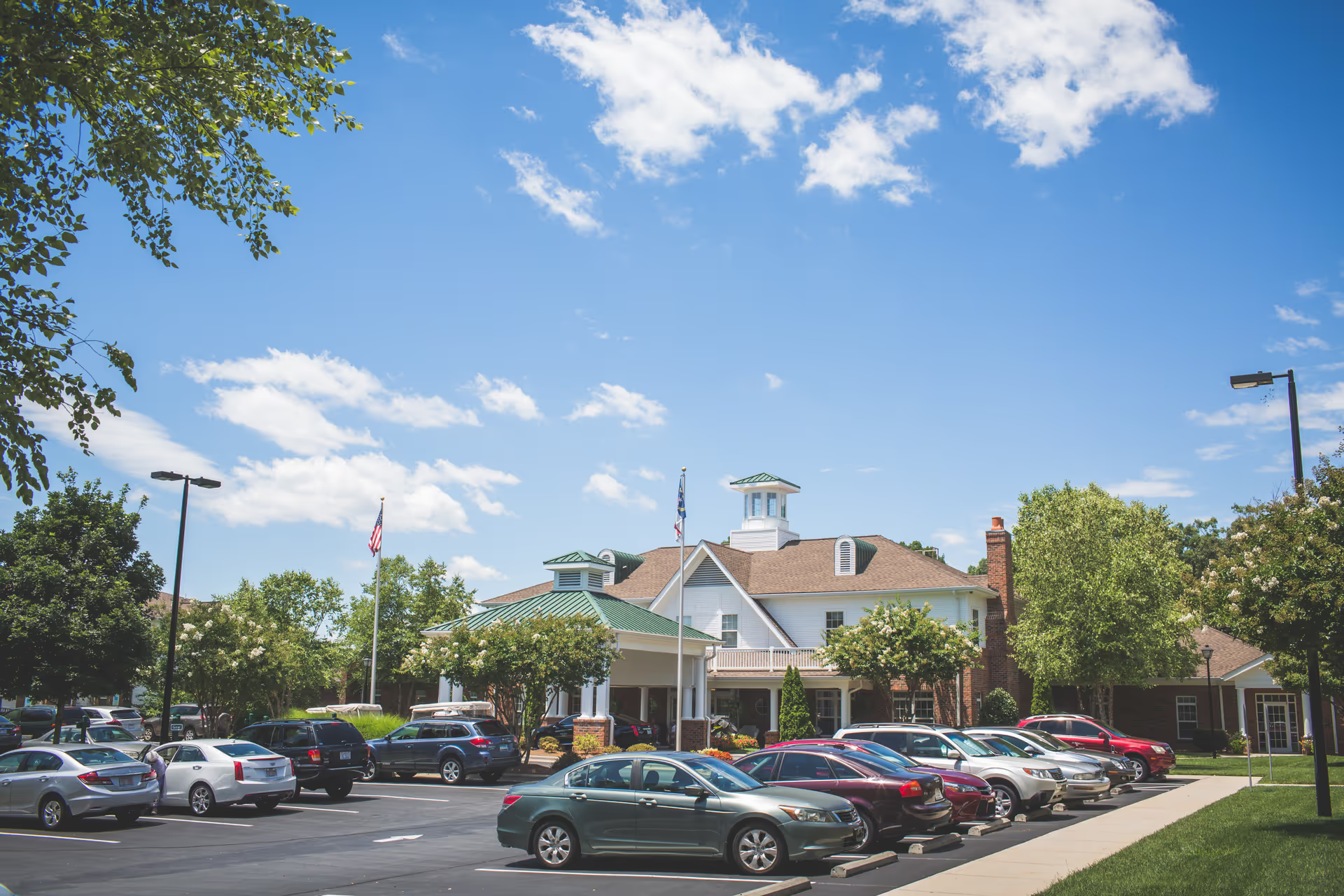
The Clinard House is represented in these summaries as a small, home-style residential facility focused on memory-care and individualized attention. Reviewers consistently highlight a model built around low resident counts and a high staff-to-resident ratio, with an emphasis on dignity, personalized routines, and one-to-one caregiving availability. Nursing support is present and families describe active involvement by the owner and care team in daily care decisions.
Care quality and staff characteristics are the most prominent themes. Caregivers are described as compassionate, engaged, and familiar with individual resident preferences; reviewers emphasize consistent staffing, daily engagement, and attention to dignity and comfort. The environment is frequently characterized as familial rather than institutional, and reviewers cite relief and reassurance from the facility’s supervision and communication practices. Nursing support is noted, but the residential, home-like model suggests care is delivered in a less clinical setting than larger skilled nursing centers.
Dining and activities reflect the small-house approach: meals are noted as home-cooked, and staff attention to individual preferences (for example, favored foods or beverages) is repeatedly mentioned. Social engagement is reported as regular and joyful, with staff facilitating frequent interaction rather than broad programmatic offerings. Because the setting is intimate and staff-intensive, activities appear to be personalized rather than the wide array typically available in larger memory-care communities.
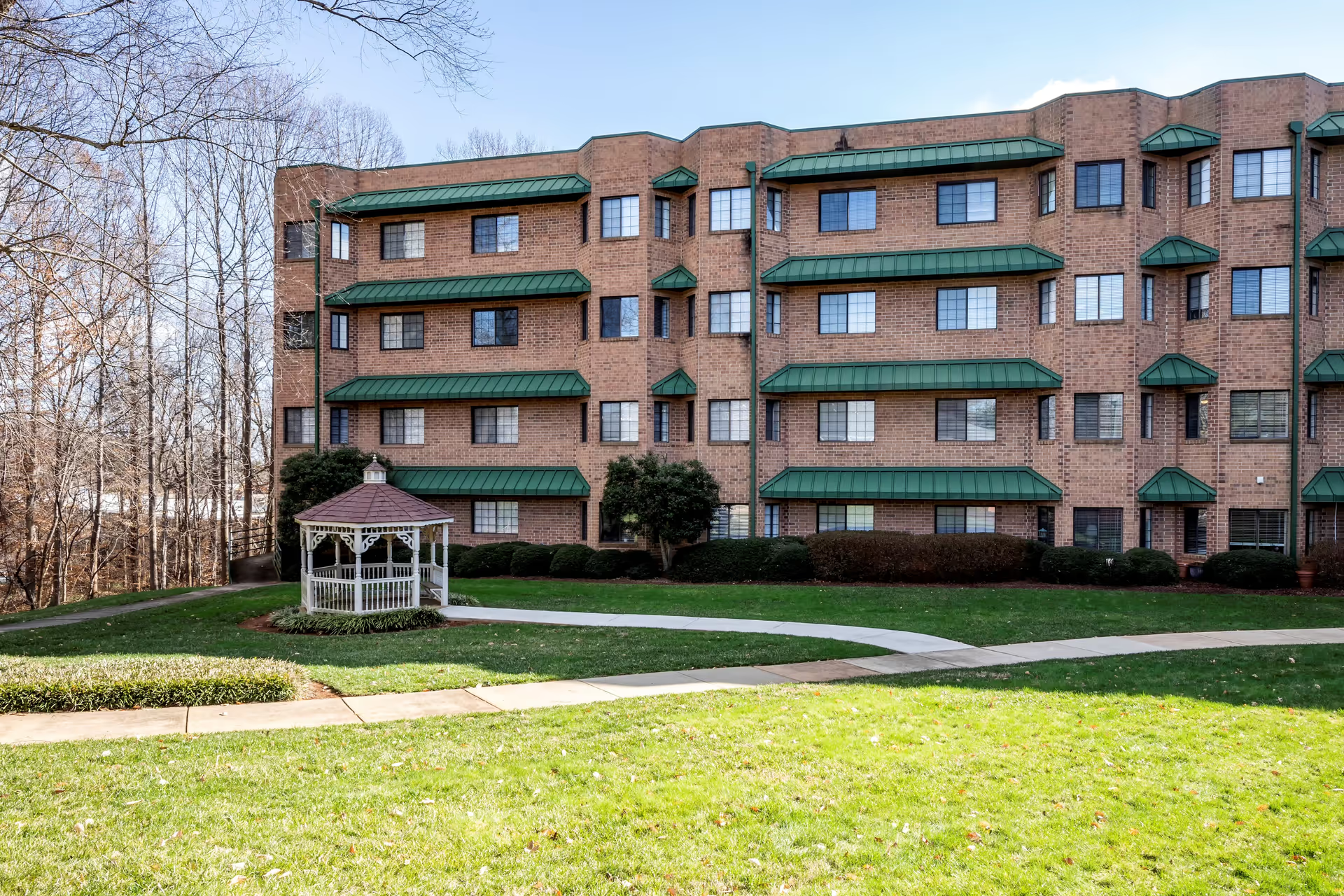
Facilities and management are depicted positively: living spaces are described as clean and comfortable, with owners and caregivers highly visible and hands-on. That operational model supports fast communication with families and a sense of partnership in care. At the same time, this structure implies trade-offs: the small residential size limits bed capacity and the breadth of on-site clinical specialties and structured programming that larger facilities may offer. The reliance on a tight-knit staff and owner involvement is a strength for continuity but can create operational vulnerability if staff turnover occurs. The intensive, individualized care model also tends to carry a higher cost profile.
Overall, The Clinard House appears well-suited for families seeking a home-like, dementia-focused setting with strong one-to-one attention, consistent caregivers, and clear family communication. Prospective residents with substantial medical or rehabilitation needs that require frequent, on-site specialty services should confirm the facility’s clinical capabilities and availability. Similarly, families should consider availability and cost implications given the small-scale, owner-led model.