Overall impression Solista High Point (and associated sister properties referenced by reviewers) presents as a community that appeals most strongly to independent and active seniors. Many families and residents praise the staff, social programming, apartment layouts, and the general atmosphere; these attributes support a strong sense of community and frequent positive social engagement. At the same time, there is a clear pattern of operational variability — particularly around dining, housekeeping, staffing levels, and facility upkeep — that produces widely different resident experiences.
Care and staff Staff interaction is the facility's most frequently cited strength: descriptions emphasize compassionate, personable, and attentive employees, with specific staff members and the lifestyle/activities leadership receiving frequent praise. Personalized care and a family-like culture are repeatedly noted for independent-living needs. However, reviewers also describe high turnover and periodic understaffing that affect responsiveness, front-desk coverage, and the consistency of housekeeping and meal service. There are also intermittent communication and coordination gaps (privacy and clinical-information concerns were raised), which prospective residents should clarify with management.
Dining Dining is a polarizing area. Many reviewers describe attractive dining spaces and enjoyable, restaurant-style meals with multiple daily options; others report inconsistent food quality, under- or over-portioned meals, slow service, and difficulty obtaining special dietary accommodations. A number of comments indicate menu variability over time and occasional operational disruptions in the kitchen. Prospective residents who have specific dietary needs or rely on timely meals should sample the food during service hours and ask about kitchen staffing and dietary accommodation protocols.
Activities and community life The activity program is regularly cited as a strength: there are diverse offerings (exercise, arts and crafts, bingo, choir, outings, religious services, and clubs), an active events calendar, and an engaged activities director in many accounts. These elements contribute to a lively social environment that many residents describe as a primary advantage of the community.
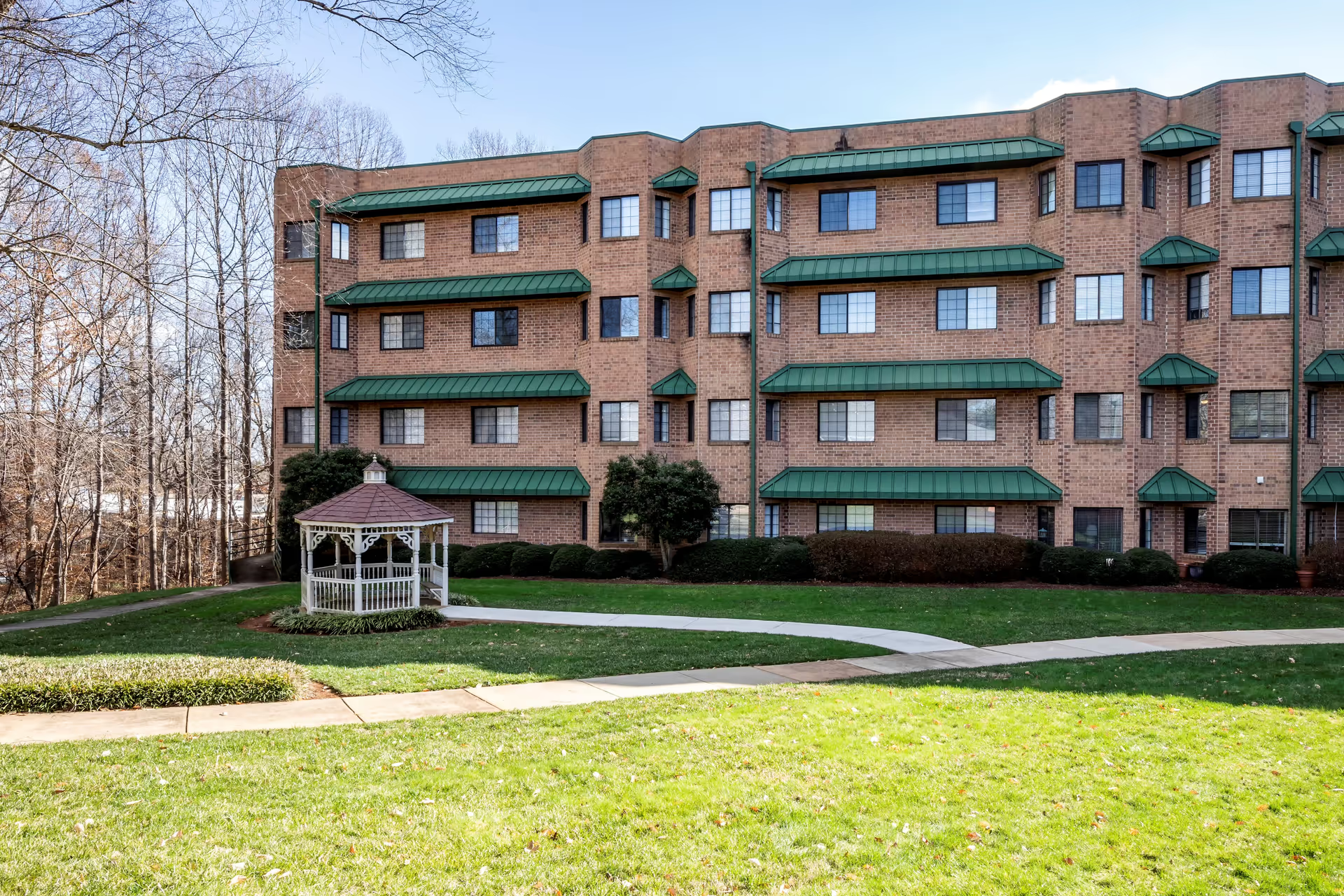
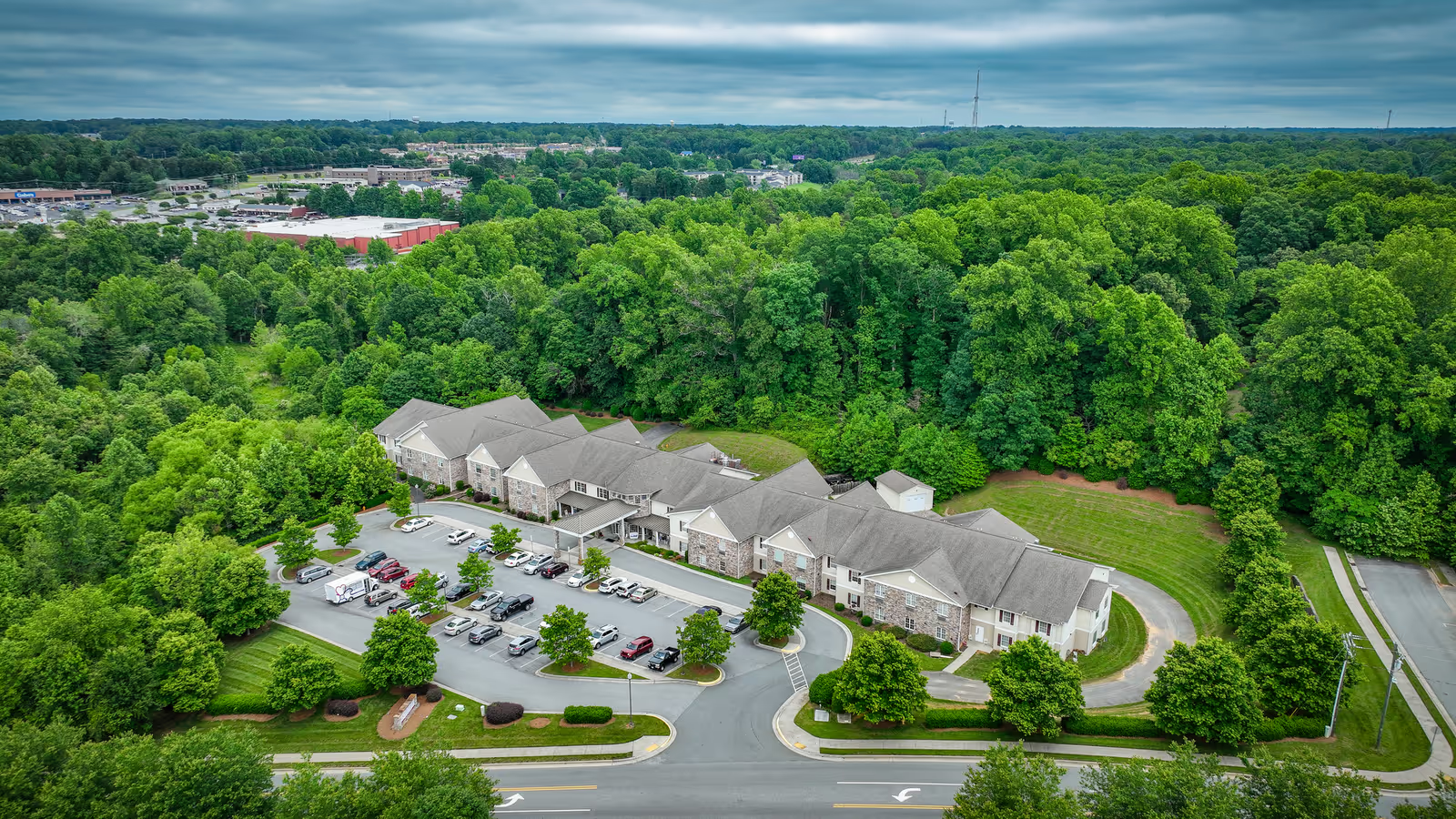
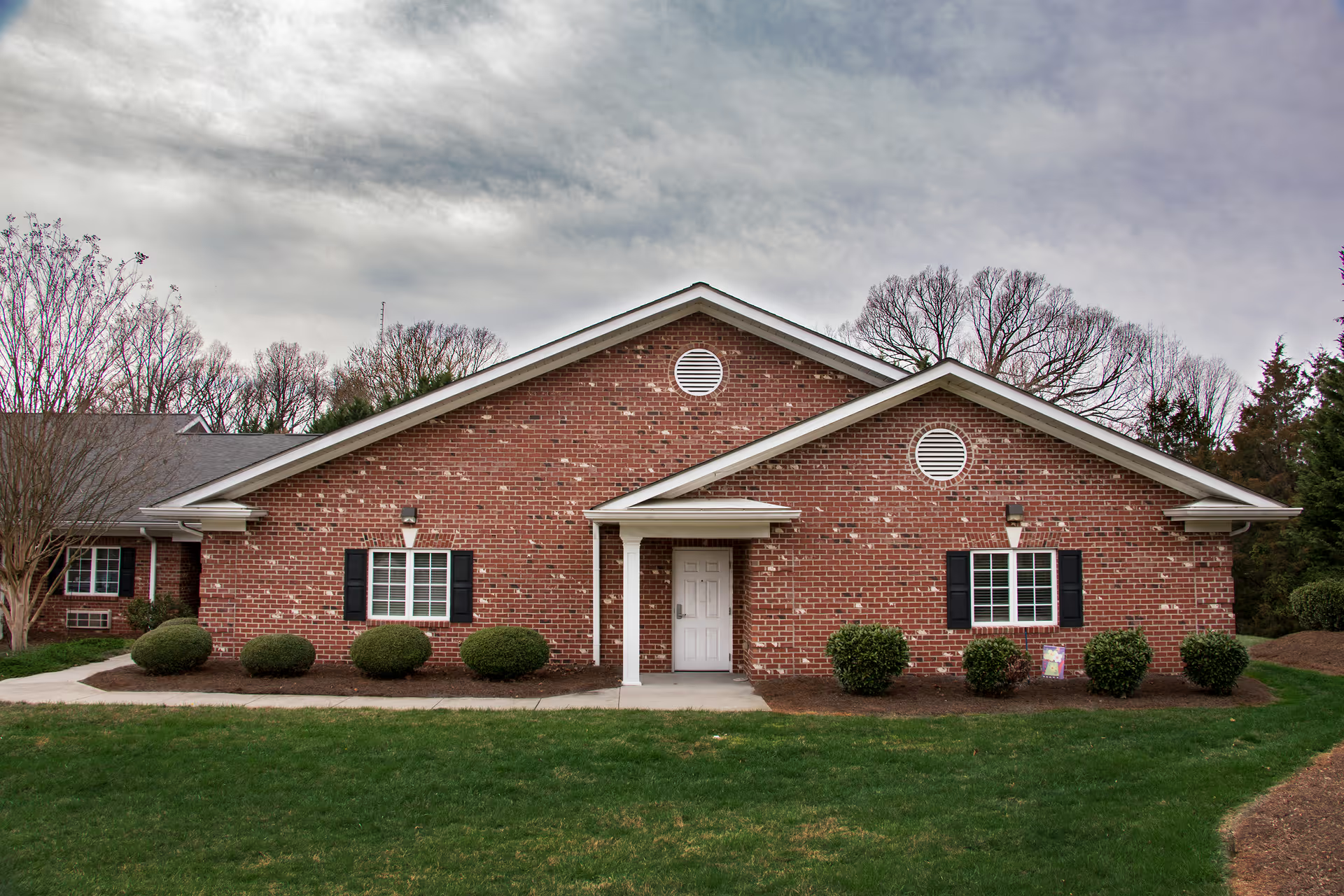
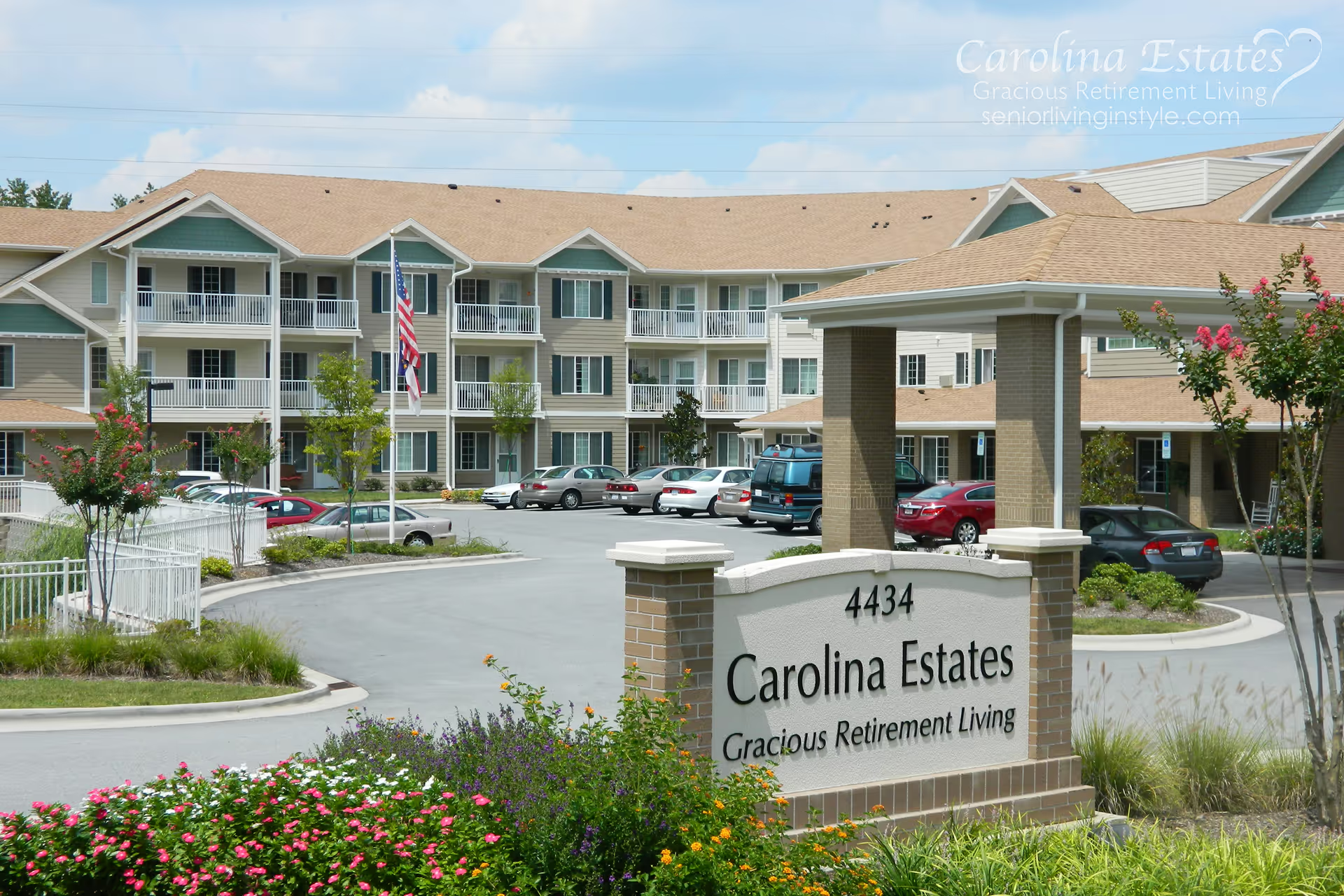
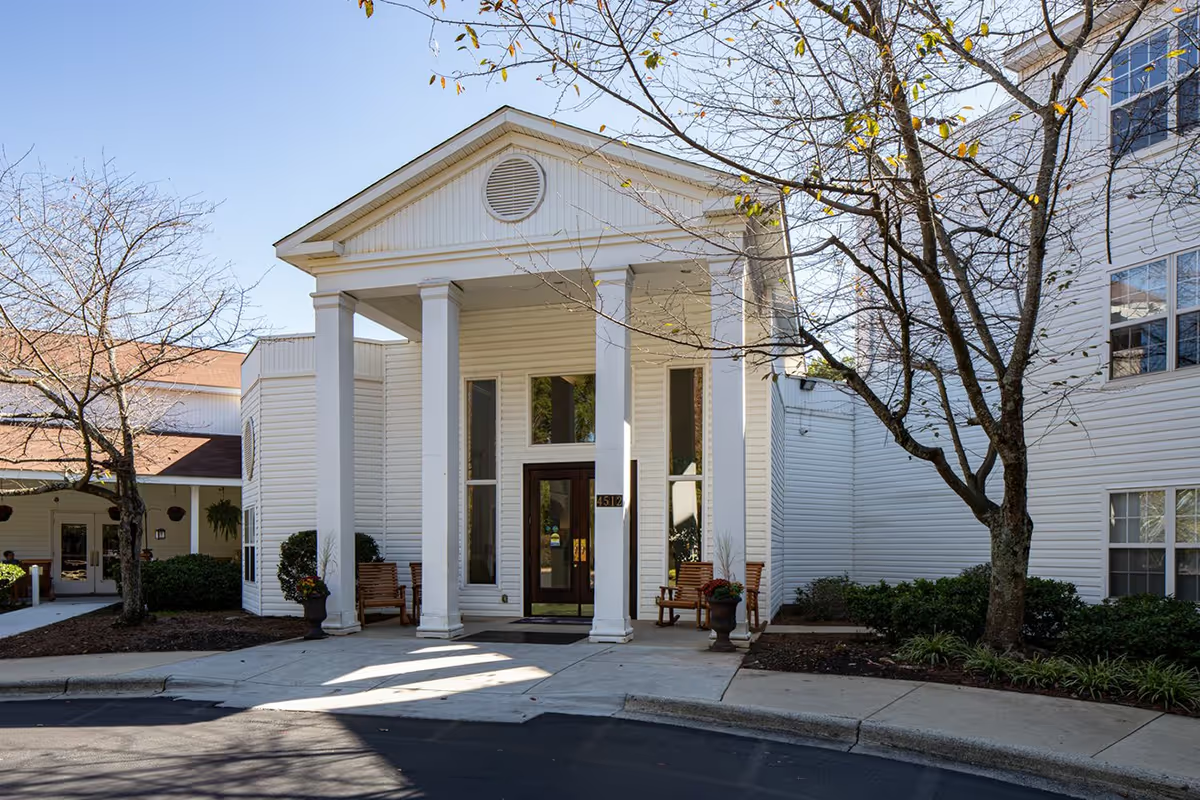
Facilities and maintenance Physical accommodations are generally described positively: many apartments are bright, spacious, and renovated; balconies, natural light, in-unit or on-floor laundry, and on-site amenities (gym, salon, pool table, small store, pharmacy) are noted. Conversely, reviewers indicate aging infrastructure in portions of the property, ongoing renovations, and intermittent maintenance shortfalls. Sanitation and pest-control concerns in some rooms and common areas, elevator crowding/logistics, and occasional water/electrical or alarm-system issues were also reported; these are operational items to confirm during an in-person visit.
Management, pricing, and regulatory scope Financially, the community is characterized as a higher-price, premium option with occasional specials to reduce entry cost; reviewers also raised concerns about nonrefundable upfront fees and post-intro rent increases. Ownership changes and management adjustments were linked by some reviewers to operational shifts (staffing levels, chef changes, and service reductions). Additionally, the facility primarily operates with an independent-living focus; families who anticipate higher levels of clinical or assisted-care needs should confirm whether on-site clinical services and assisted-living licensing meet their requirements or whether outside home-health providers are needed.
Notable patterns and guidance for prospective residents Reviewers' experiences cluster into two broad patterns: residents who enjoy a well-staffed, socially active environment with good dining and amenities, and residents who have experienced declines in service continuity tied to staffing, management changes, or maintenance lapses. Before deciding, prospective residents and families should (1) visit during meal service and activities, (2) review recent staffing levels and turnover data, (3) ask for written clarification of fees, refund policies, and rent escalation clauses, (4) verify security and emergency coverage (including night staffing), and (5) confirm the facility's capability to meet future clinical needs. These steps will help align expectations with the facility's operational strengths and limitations.